Jugetsudo Tea House
For 170 years...
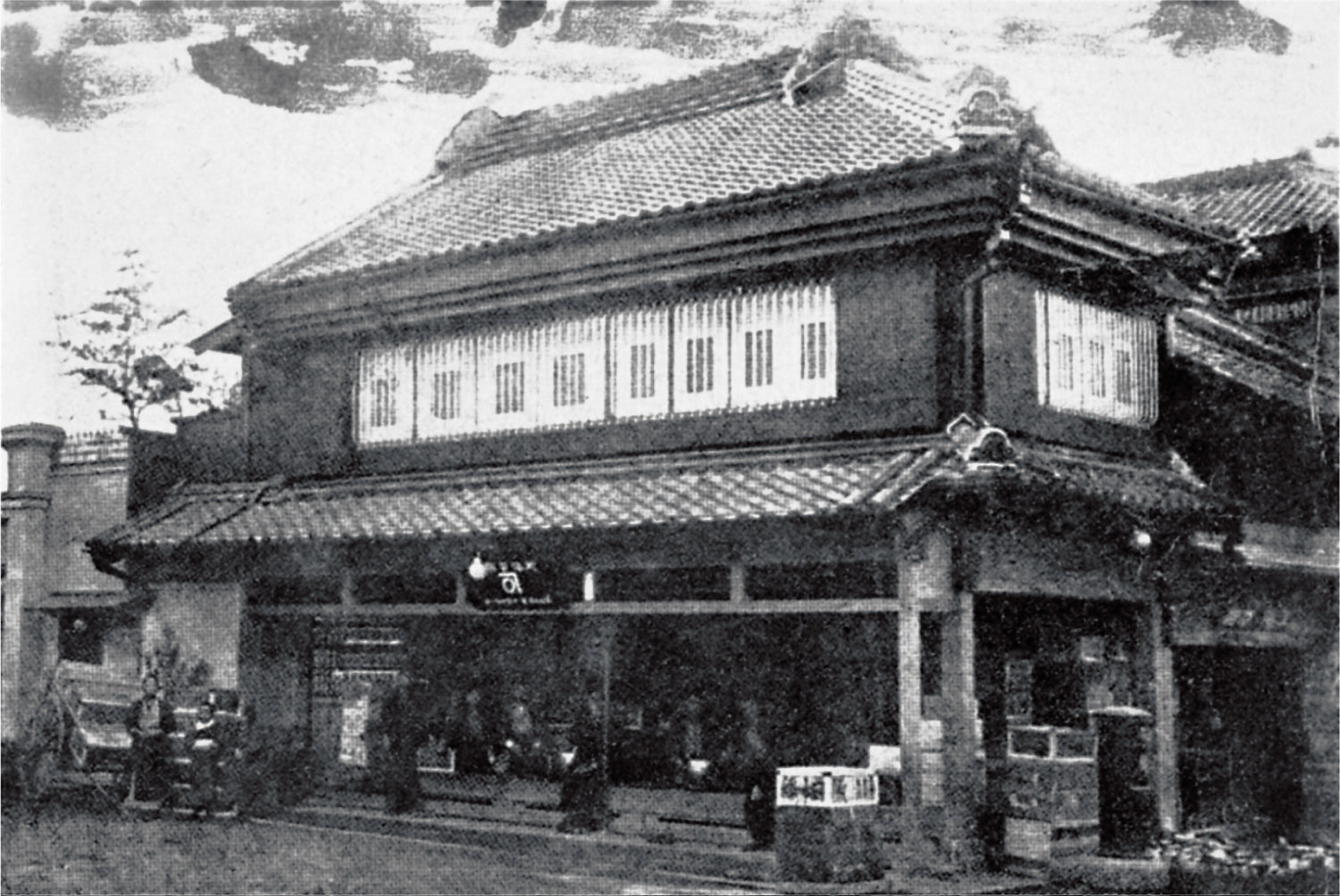
The Maruyama Nori company was founded in 1854, at the end of the Edo period, in the Nihonbashi district of Tokyo (which was still called Edo at the time). Its initial focus was the wholesale trade of dried seaweed. Our founder, Hikobei Tsushima, established the company under the name Kawaguchiya, marking the beginning of our company's history.
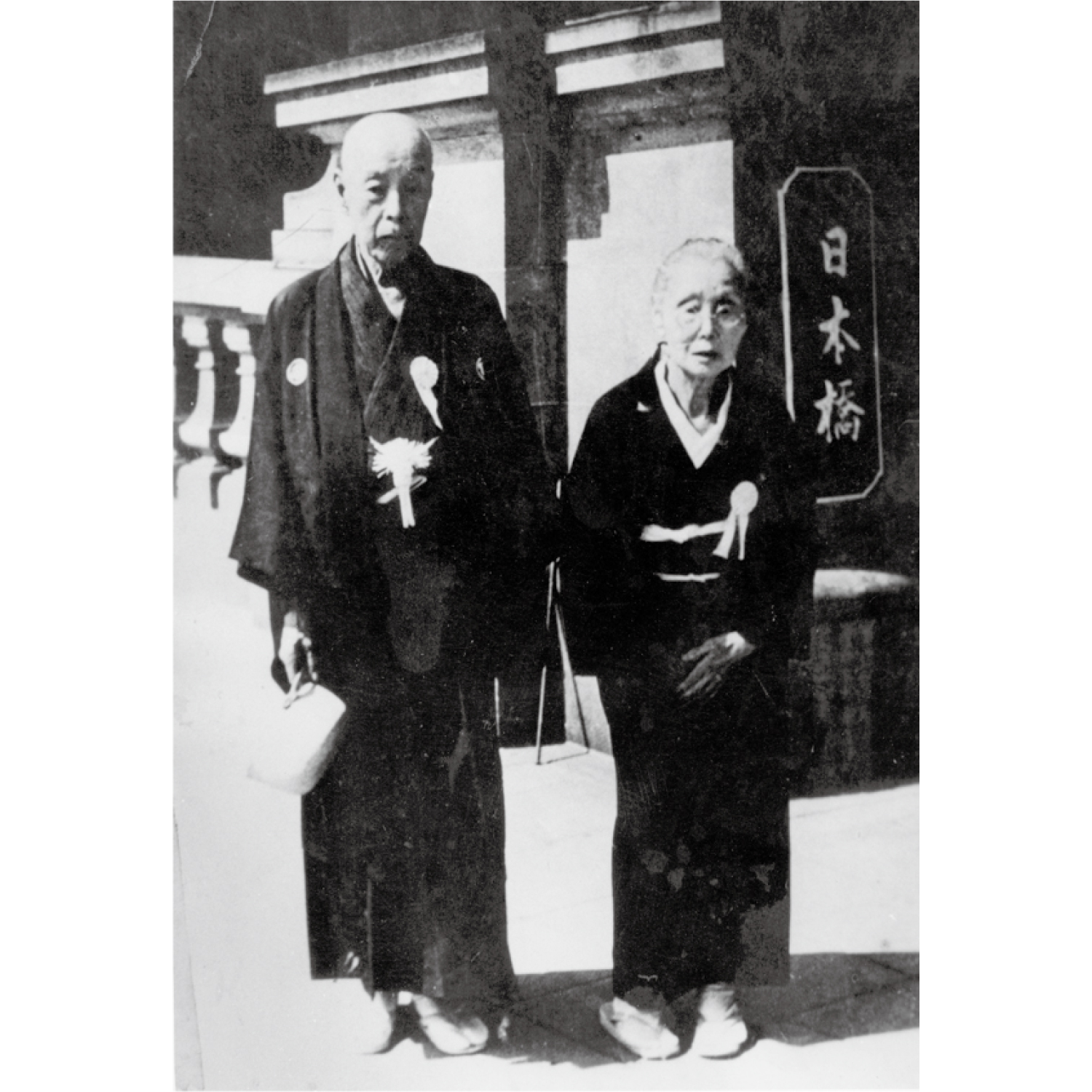
Hikobei supplied Kyoto's aristocracy, discerning gourmets of perfect seaweed. The reputation of his products grew and spread. An innovator, Hikobei packaged the seaweed not in traditional ceramic pots but in modern tin cans. The ambitious and enterprising spirit of our founder remains alive and well at Maruyama Nori today. Today, Maruyama Nori supplies seaweed to some three thousand restaurants throughout Japan, including a dozen Michelin-starred restaurants in Tokyo in 2019.
Jugetsudo House
In 1980, the Japanese tea brand Jugetsudo was created within the company, according to the same criteria of very high quality and innovation.
This is the most beautiful legacy of the old nori trade: to transmit to customers, through the grace of tea, a certain spirit of Japanese taste, guaranteeing authentic values and delicate flavors.
Jugetsudo means "the place from which one watches the moon." When we founded Jugetsudo, we kept in mind that nature and the changing seasons are particularly dear to the hearts of the Japanese. We sought to create a place dedicated to the practice and transmission of the art of Japanese tea in keeping with this idea. Now, we are also undertaking to export our authentic products to the world and hope to share a little of Japanese culture, civilization, and the seasons with you through our activities.
Store concepts
-
-
Ginza
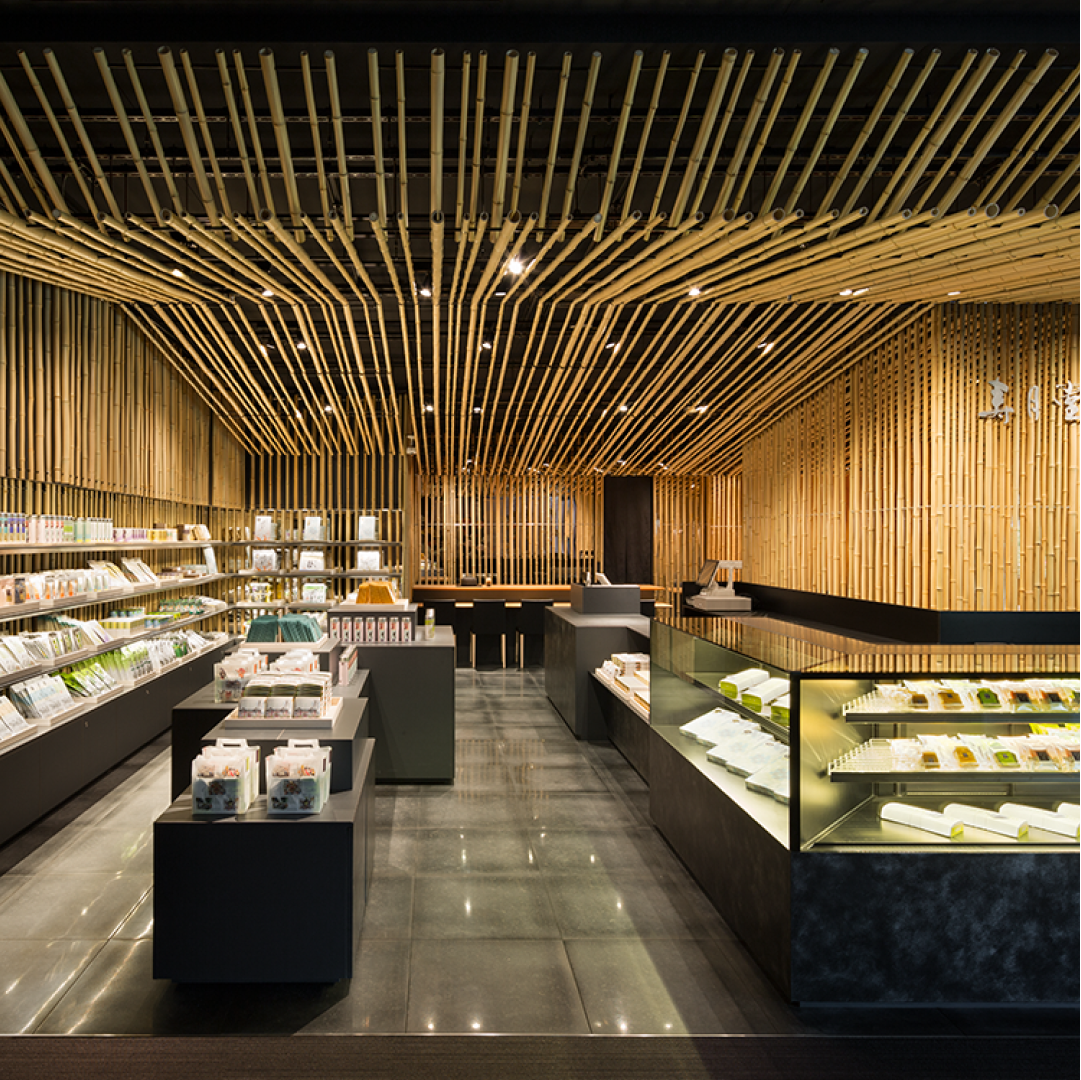
Our shop faces the rooftop garden of the renowned Kabuki-za theater. While the interior space is divided by irregularly spaced bamboo panels, the overhanging roof of the Japanese garden appears folded, creating a discontinuity with the interior bamboo ceiling, reminiscent of origami. The interior and exterior, thus linked by these overlapping and irregular bamboo motifs, form a unique space that evokes a natural bamboo grove.
Ginza Shop
Chuo-ku Tokyo, Japan 104-0061
Opening hours: 10:30am - 5:30pm; 10:30am - 6:00pm (Saturday)
Tea room: 10:30am - 5:30pm (last order 5:00pm)
-
TsukiSchool
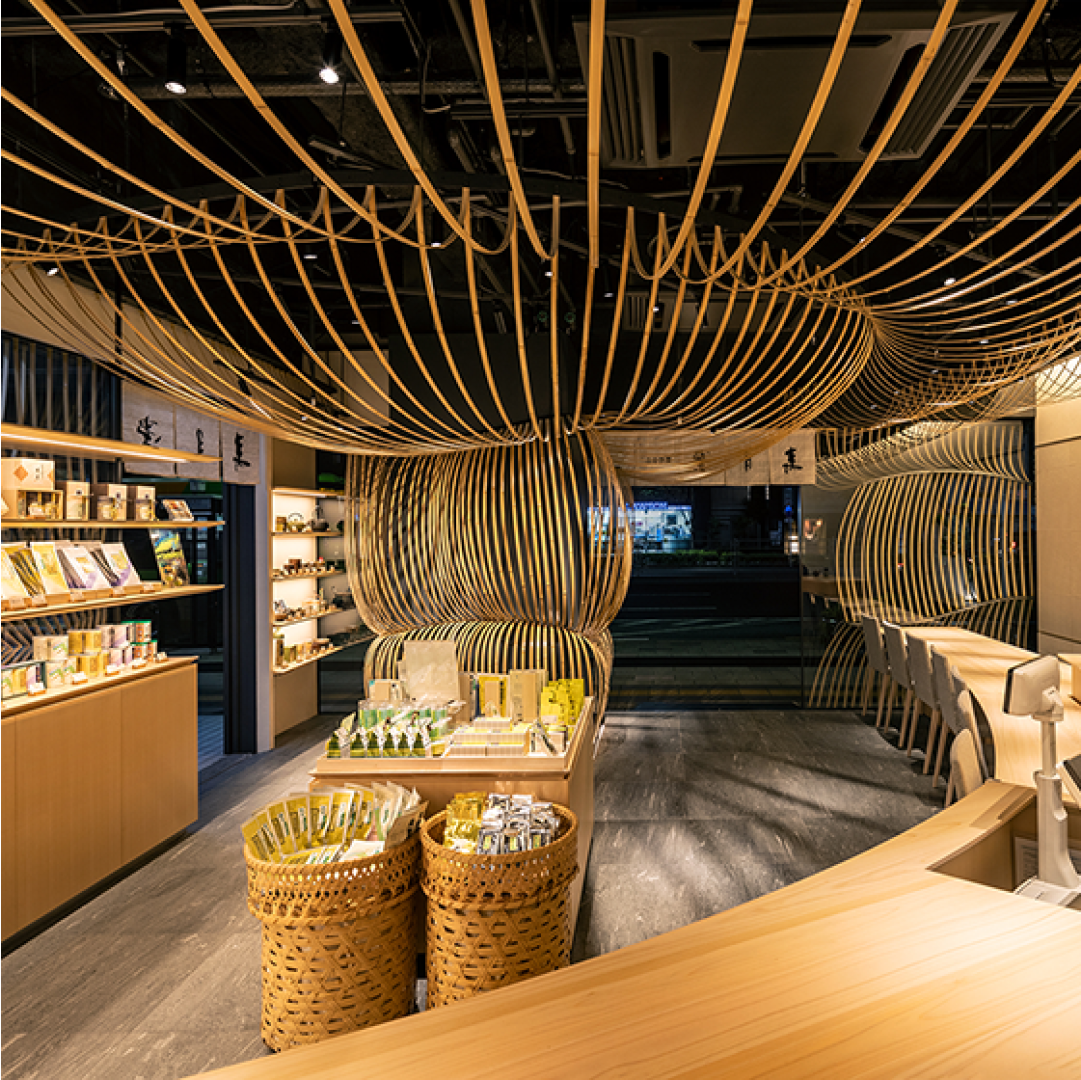
The shop's design, inspired by nodategasa, the umbrellas used in outdoor tea ceremonies, symbolizes the spirit of chazen. Nodate outdoor ceremonies, said to have been initiated by Sen no Rikyū, emphasize hospitality over the rigidity of ceremony and resonate perfectly with the flexible spirit of Jugetsudo, which continues to keep chazen alive today.
Our two other boutiques – Paris and Ginza Kabuki-za – were also designed using bamboo as a material. However, at Tsukiji, we wanted to create an airy space open to the outside, evoking the coolness of a Nodate ceremony. In the lively atmosphere of the Tsukiji district, the bamboo undulates on the walls and ceiling, spreading out like a parasol that warmly envelops visitors. The shop, without partitions, extends from the street and attracts curious onlookers as if a real tea ceremony under an umbrella were taking place there, before their eyes, offering a relaxing experience. -
Tsukiji Shop
Tsukiji Kyoeikai Bldg. IF 4-7-5 Tsukiji
Chuo-ku Tokyo, Japan 104-0045
Opening hours: 9:30am - 5:30pm; 10:00am - 4:00pm (Sundays & public holidays)
Tea room: 9:30am - 5:30pm (last order 4:00pm, closed on Sundays and public holidays)
-
-
Paris
We chose to entrust the design of our boutique to the renowned architect Kengo Kuma because his ideas and the spirit of his work perfectly align with our vision for the Jugetsudo brand: a harmonious blend of tradition and innovation. This original and unique design, combining bamboo with more modern materials, also blends seamlessly with the surrounding neighborhood.
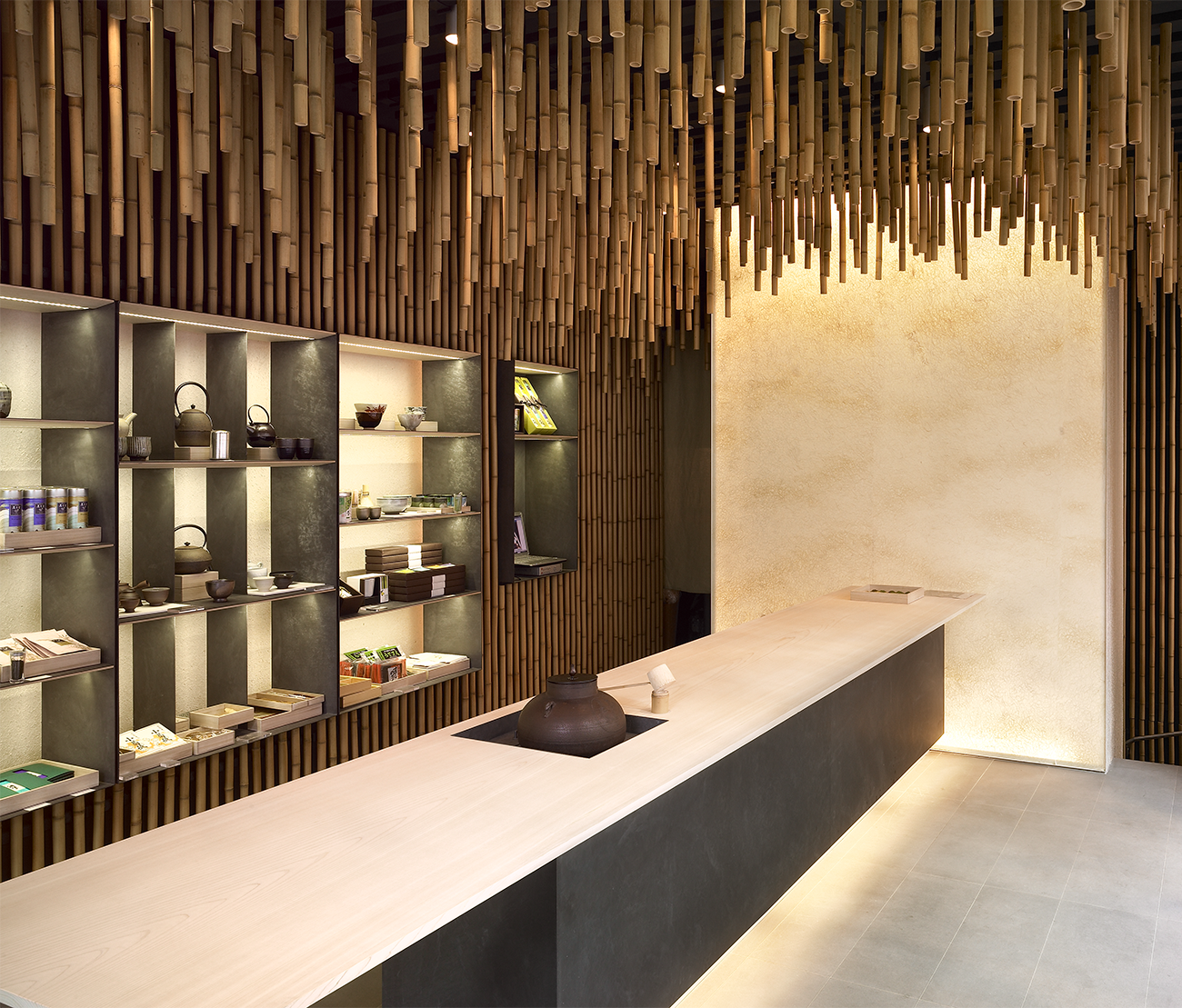
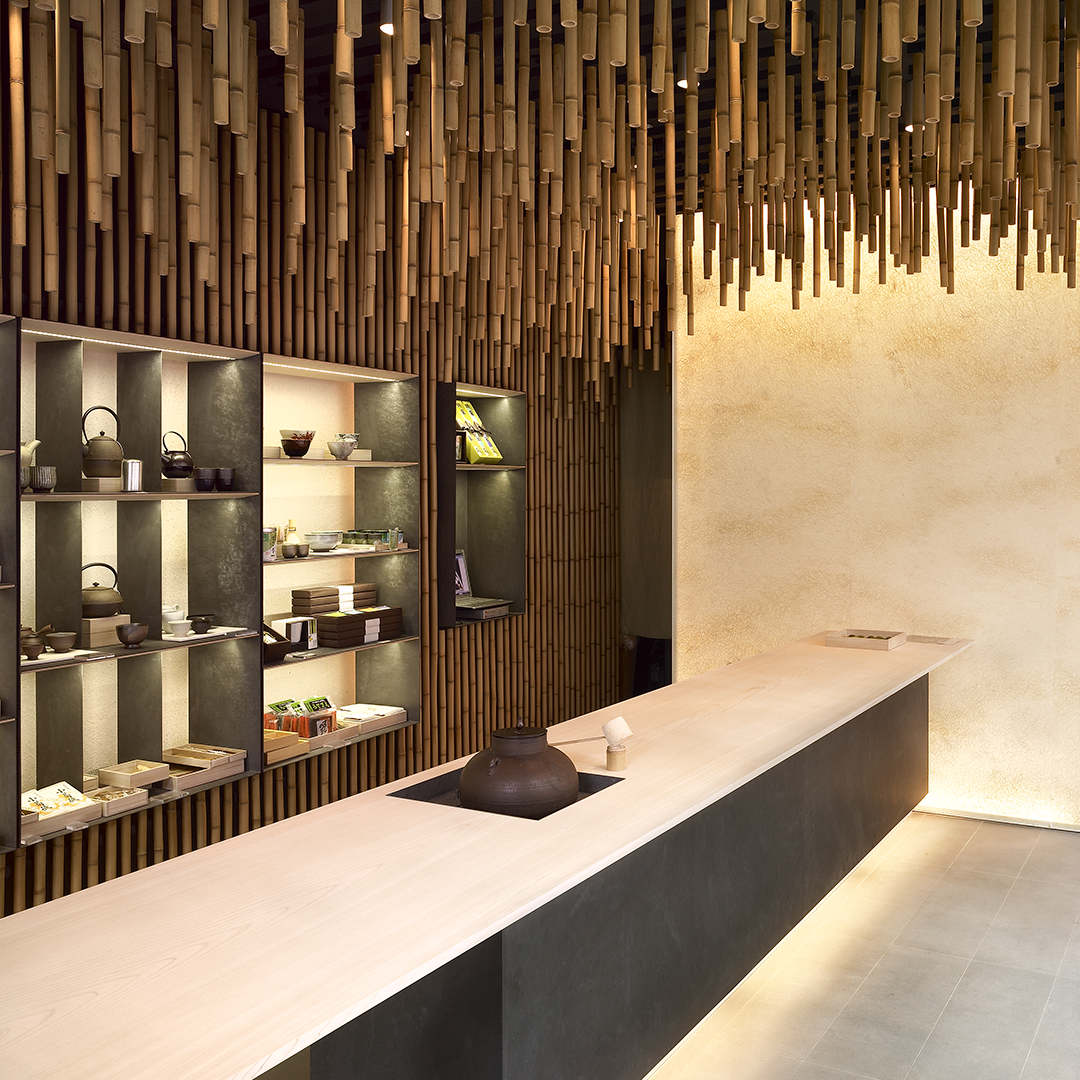
The ground floor houses the shop and tasting area. You'll discover a minimalist décor, furnished with a large Japanese cypress counter and adorned with countless bamboo stalks suspended from the ceiling. A large cast-iron kettle sits atop this counter. Here, customers can enjoy our range of authentic green teas, served in elegant teaware, as well as our tea cakes. We also offer tea sets and all the necessary accessories for preparing green tea.
In the basement lies a somewhat mysterious space: a kind of underground grotto in Paris, dedicated to the Chazen gallery and the tea ceremony. We organize various events there inspired by the four seasons, such as exhibitions of traditional art objects, tea ceremony sessions, concerts, and more.
The Jugetsudo Tea House
Saint-Germain-des-Prés - 95, rue de Seine, Paris 6th
Opening hours: 11:00 AM - 7:00 PM (closed on Sundays and public holidays)
Tea room: 11:00 AM - 6:00 PM
Metro: Odéon or Mabillon
Tel: +33 (0) 1 46 33 94 90
chumon@maruyamanori.com
-
Kengo Kuma
Architect of the Jugetsudo Paris boutique
The "bamboo temple" that Kengo Kuma designed for the Jugetsudo Japanese tea house incorporates, in its transparent and light design, the major themes of his remarkable work. Kengo Kuma writes about his work: "I want to erase architecture," which leads him to constantly invent new processes and new objects.With its elegance, simplicity and lightness, the Jugetsudo boutique, designed by this exceptional architect, fits perfectly into the classical architecture and atmosphere of the Saint-Germain-des-Prés district.
Inaugurated in October 2008, the Jugetsudo Paris boutique was Kengo Kuma's first work in Europe before the opening of the Cité des Arts et de la Culture in Besançon in 2013.
“I wanted to create a space reminiscent of a clearing in a bamboo grove. In this grove, the air is different from that of the ordinary world; it radiates an unusual light. In the middle of this special space, I placed a solid, knot-free plank of Japanese cypress. Japanese tradition attributed to this wood the magical power to smooth whatever is placed upon it. I wanted customers to be able to feel the essence of Japan by placing their hands on this counter. In the basement, there is a stone-paved room dedicated to the tea ceremony, a mysterious place, a kind of underground grotto in Paris. I would like people to discover another aspect of green tea there.”
-