

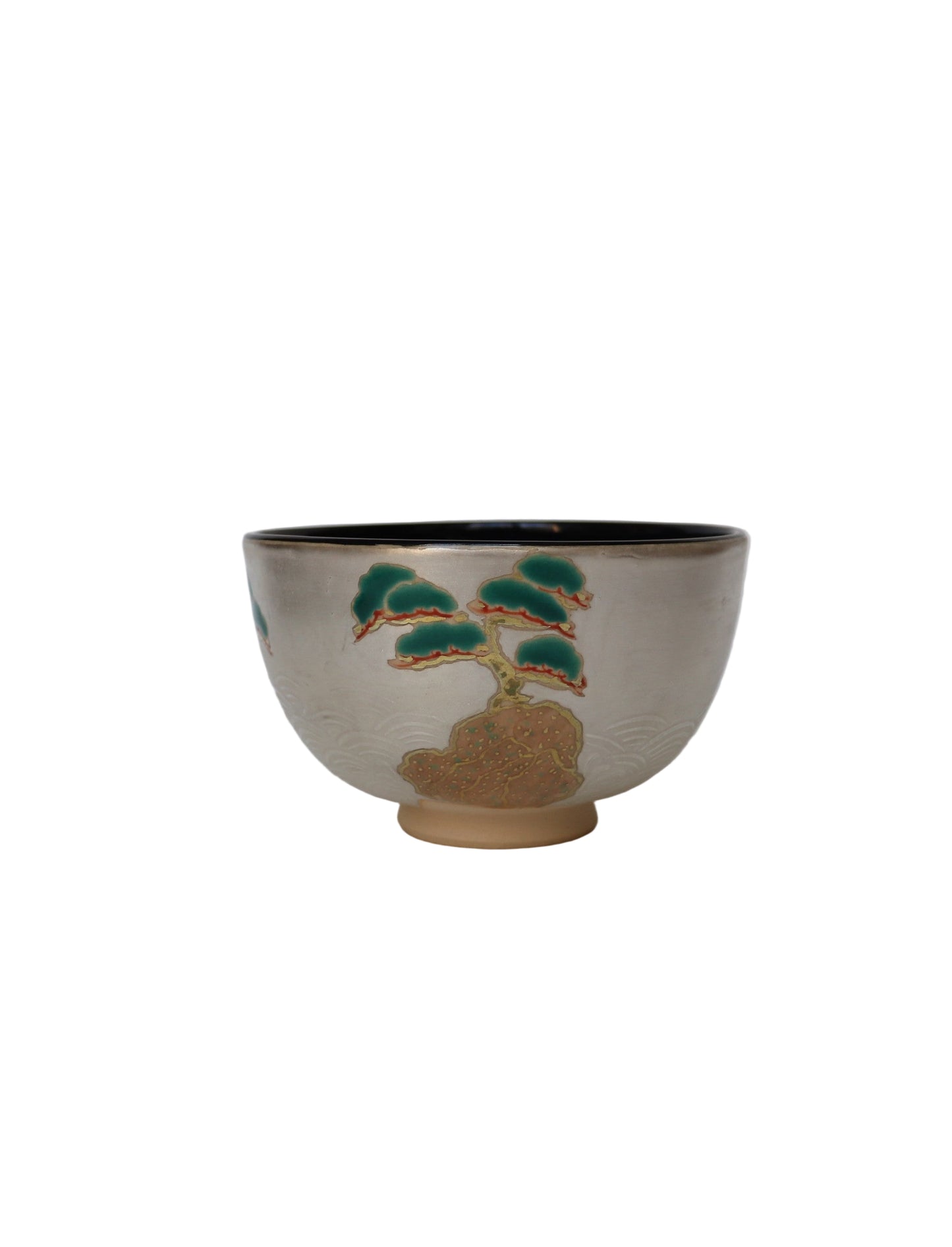
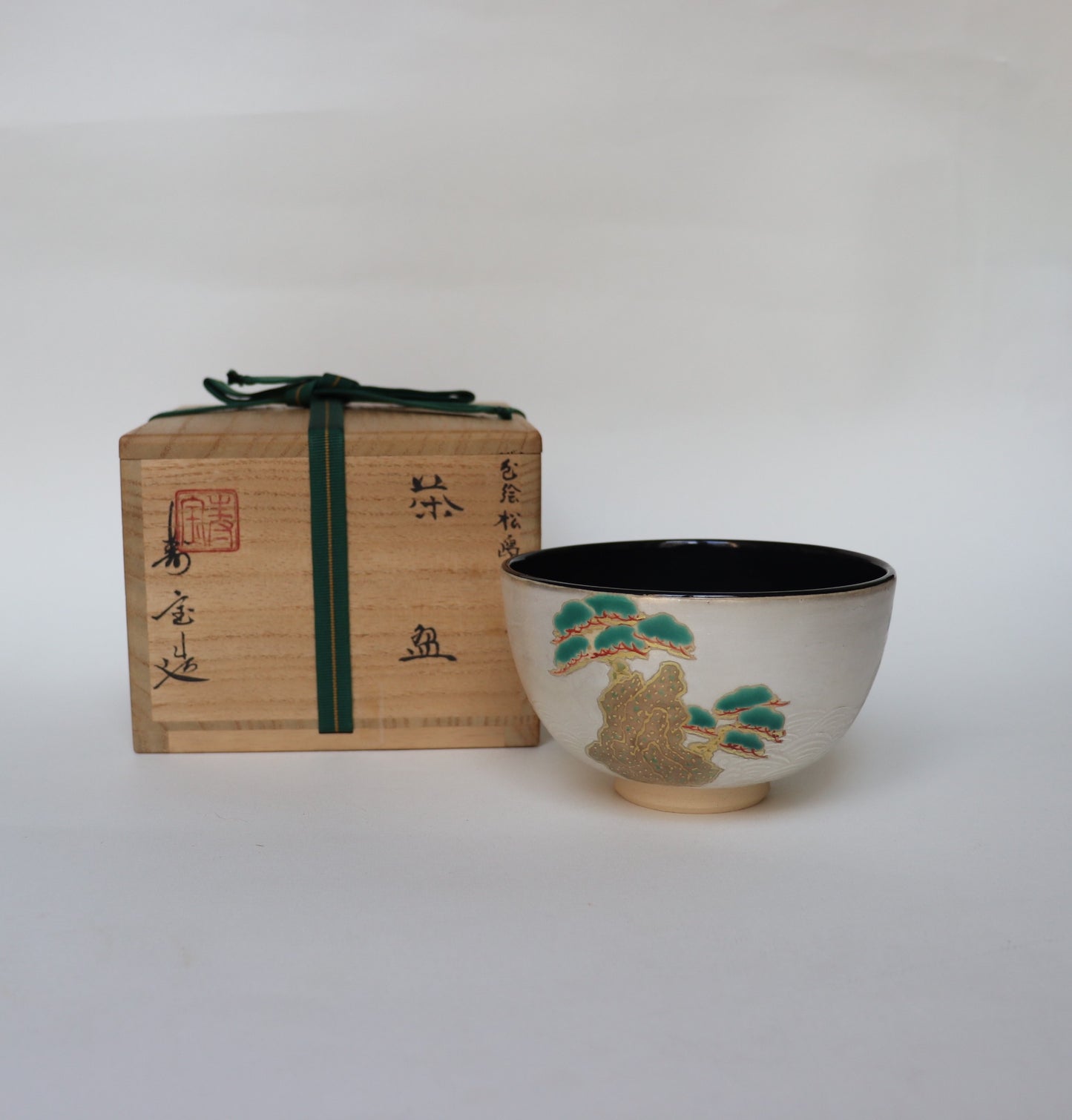
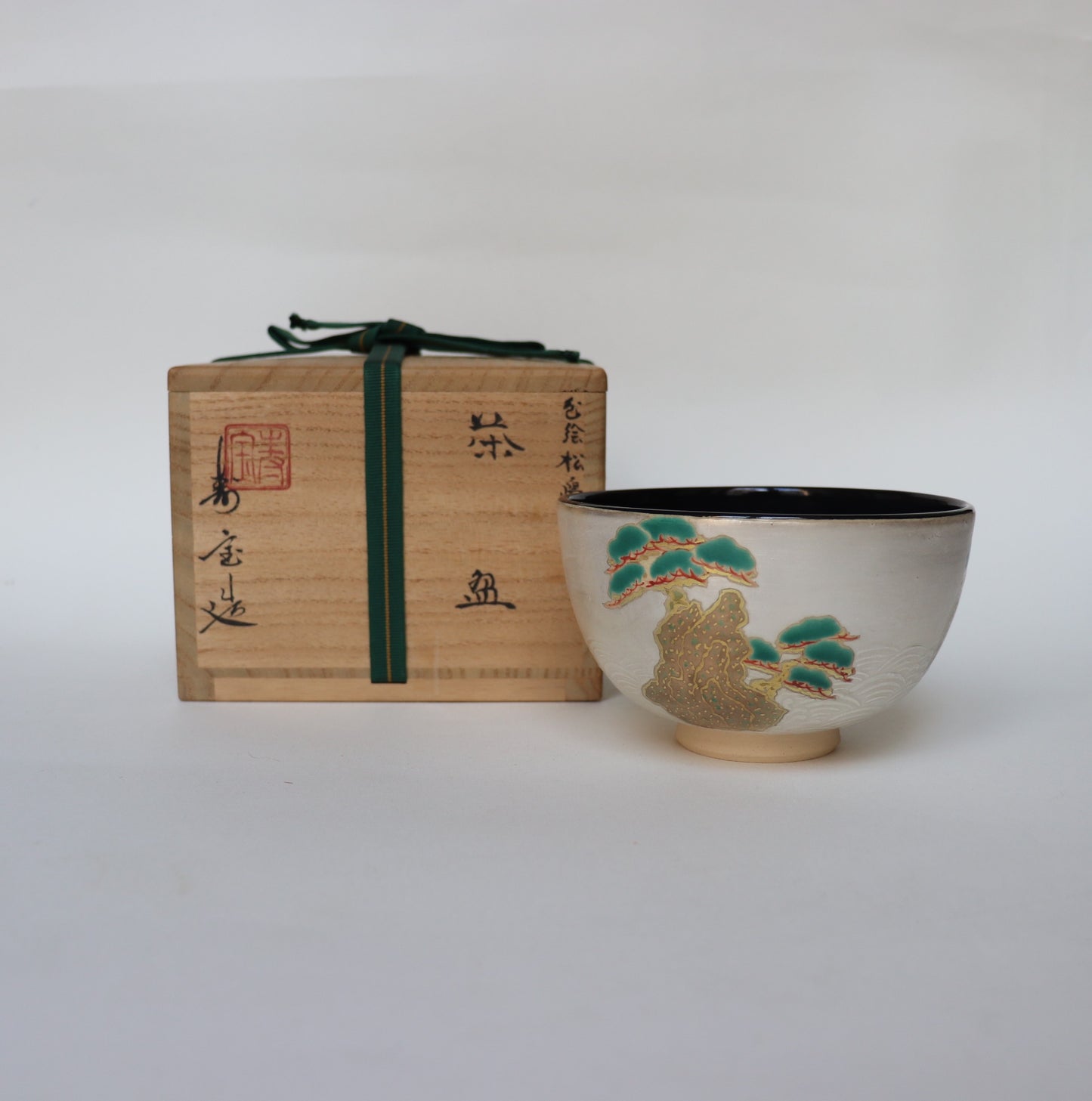
Bol à matcha / Kyoto Tanaka Jiho Iroe Matsushima
Bol à matcha / Kyoto Tanaka Jiho Iroe Matsushima
Quantity
Couldn't load pickup availability
Please note, this item is a unique piece.
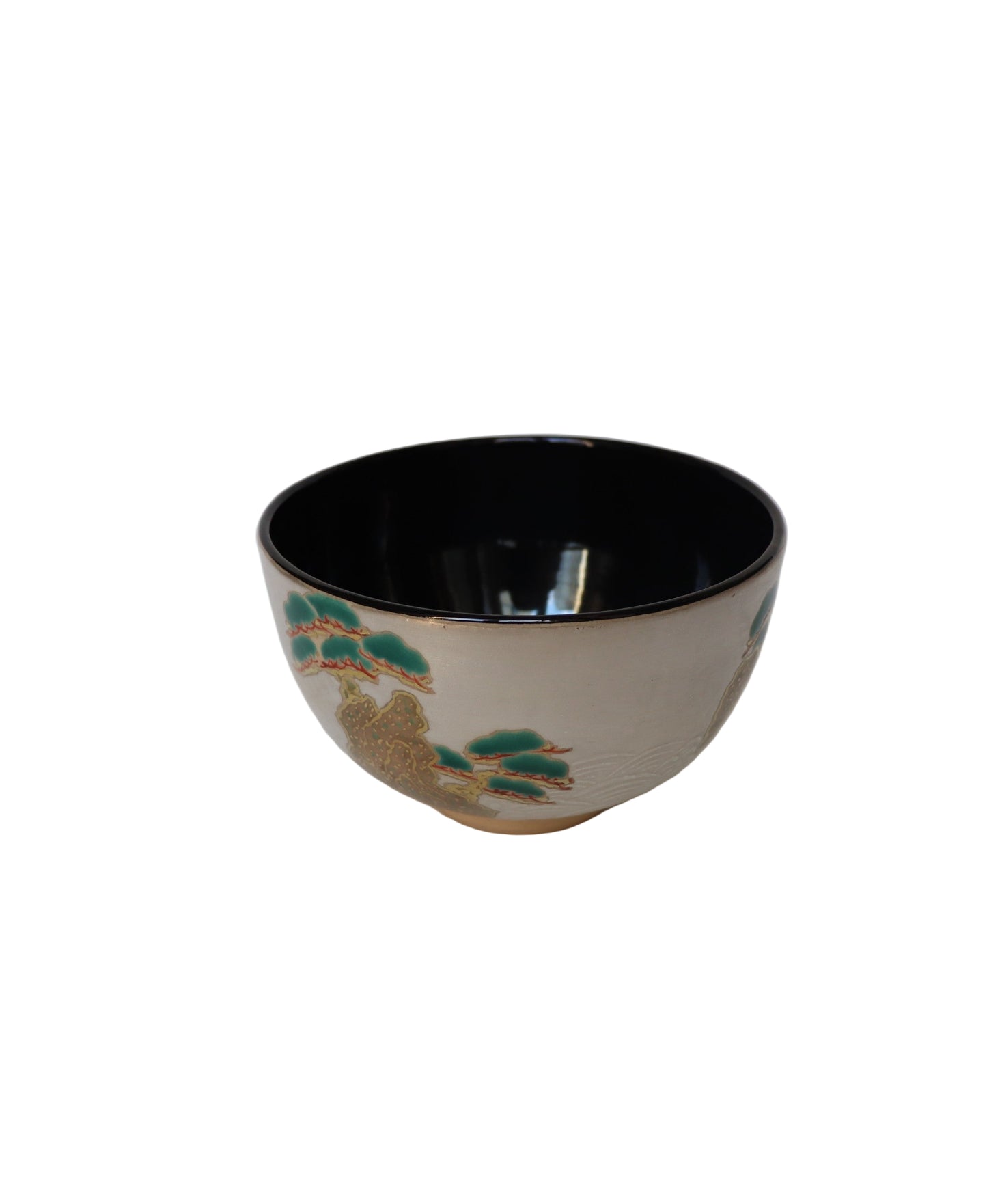
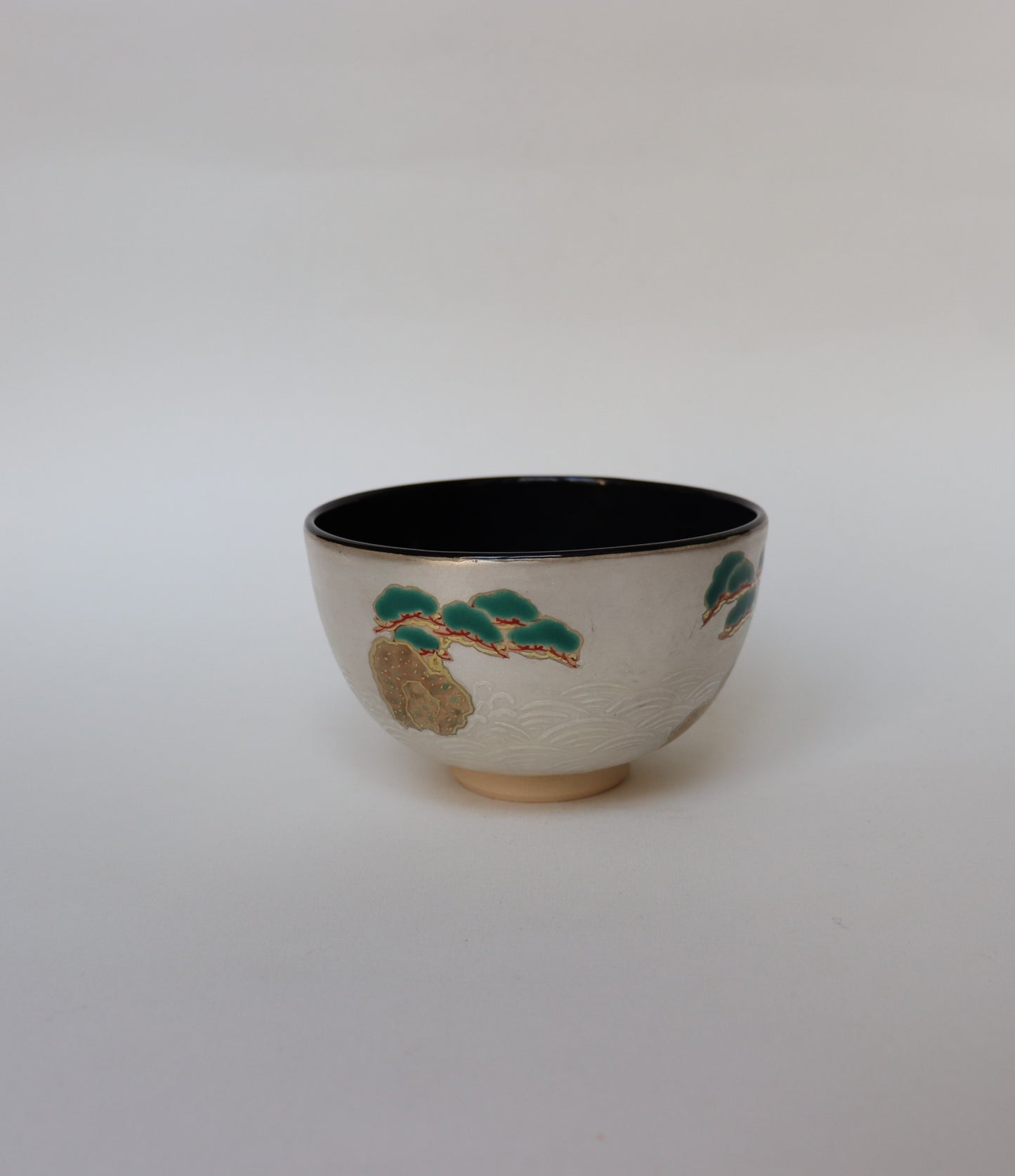
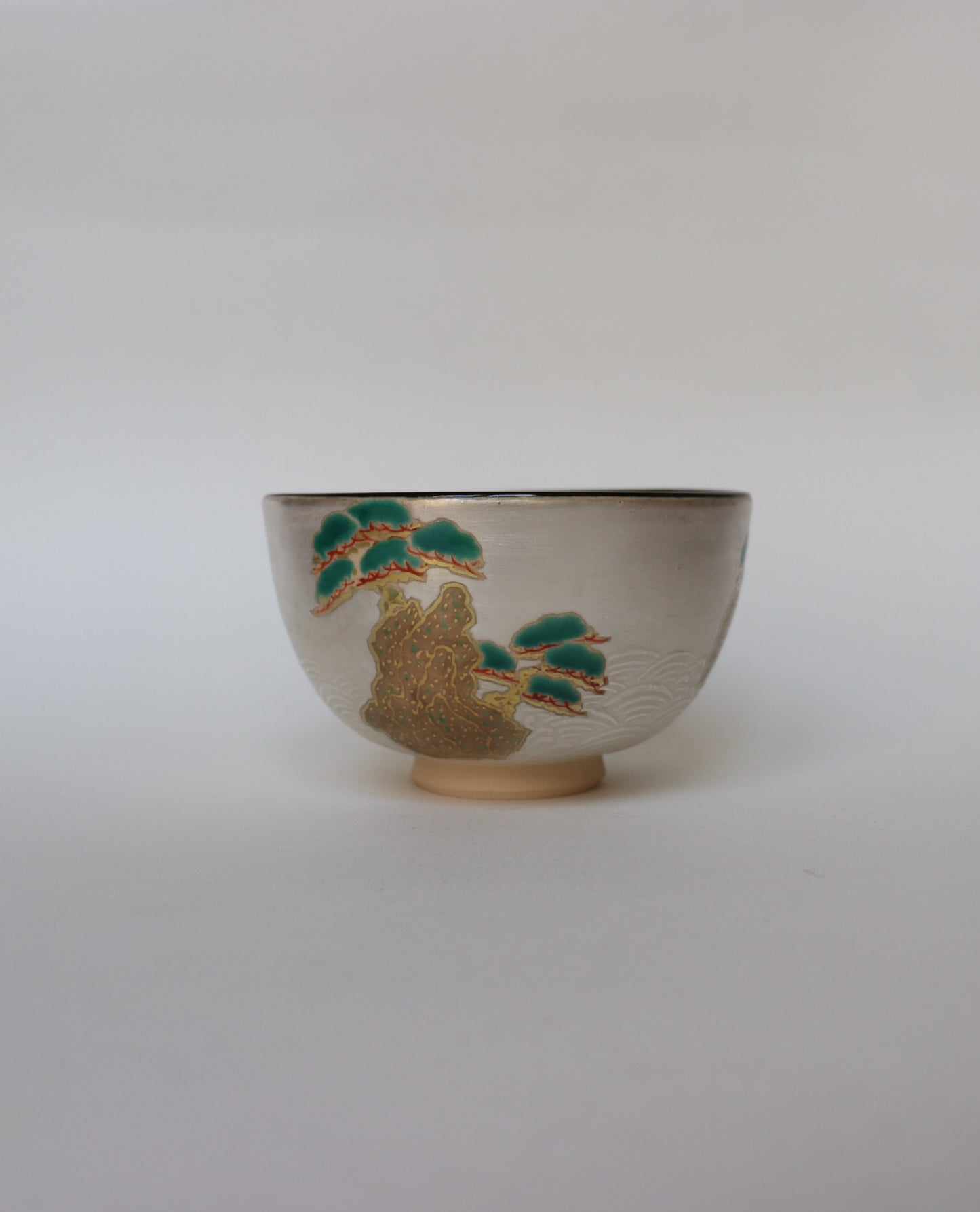
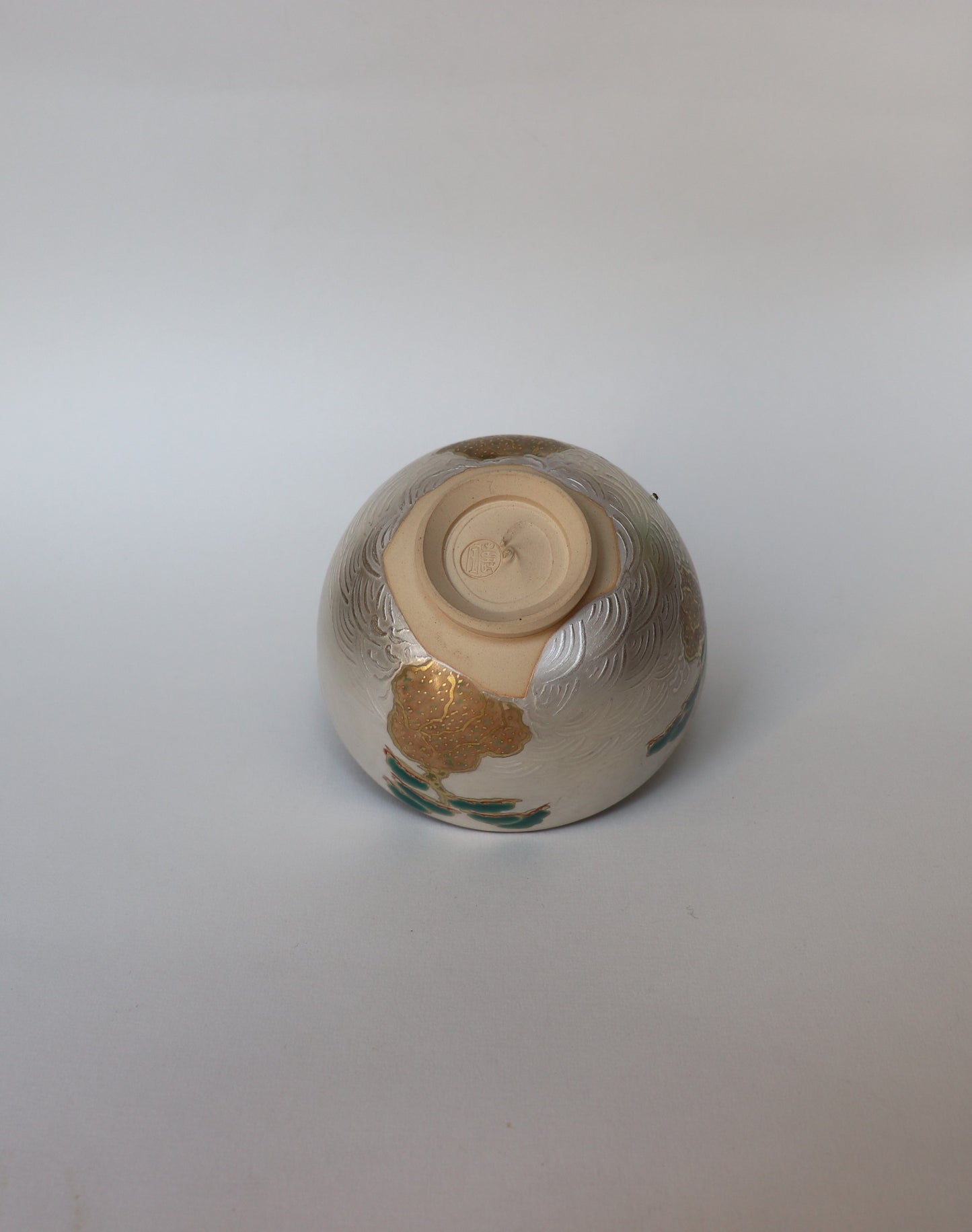
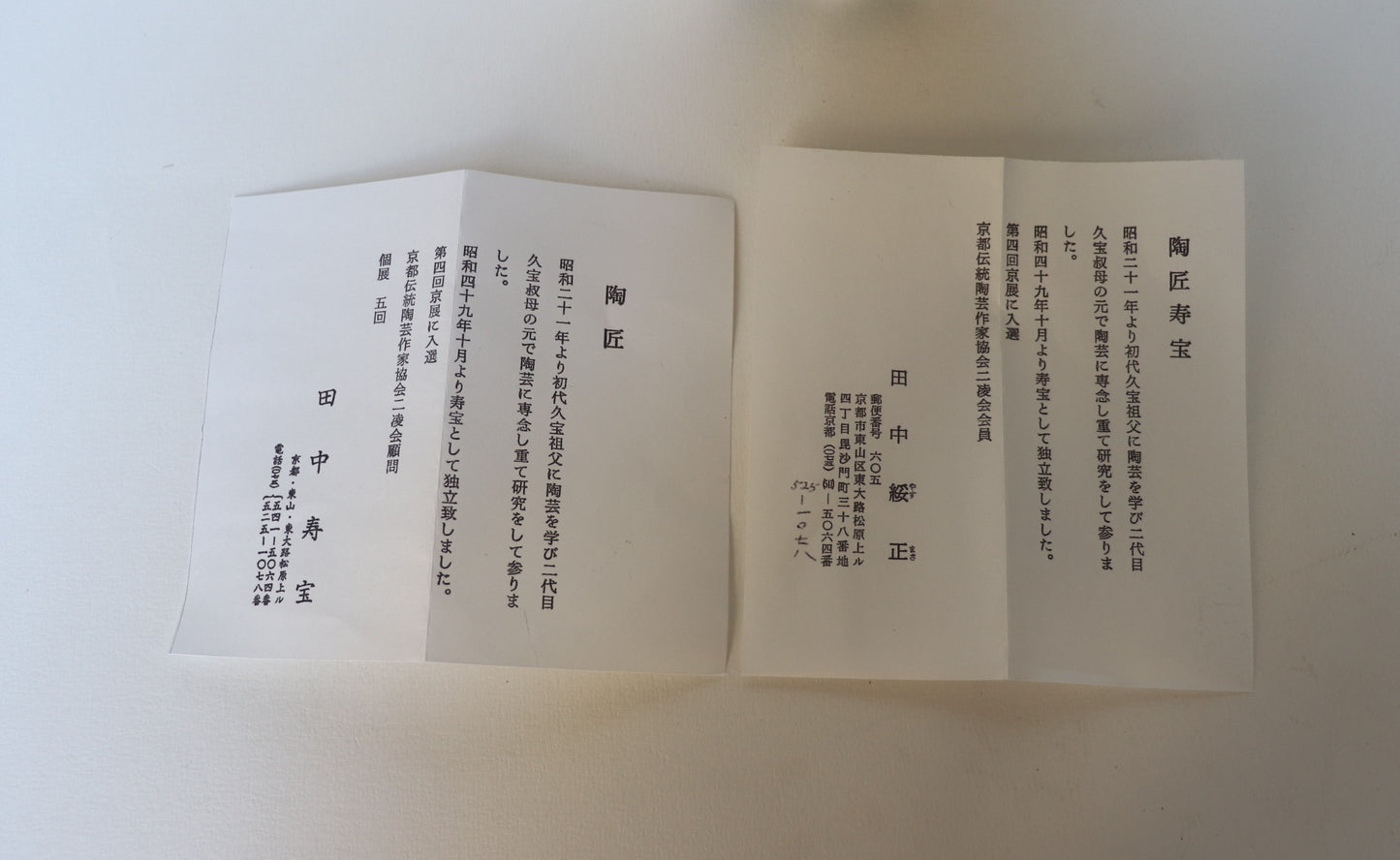
This bowl matchaThis piece, adorned with the Matsushima motif, is a work by the ceramicist Tanaka Juhō, a master of Kyō-yaki/Kiyomizu-yaki pottery recognized as a "Traditional Craftsman of Japan" by the Ministry of Industry and Trade. Born into a family of potters, he is the grandson of the first Kuse Kyuhō and learned ceramics under the tutelage of his aunt, the second generation of this lineage. After her death in 1974, he founded his own workshop and received the artisan name "Juhō" from Master Takeda Eishū, head of Kennin-ji Temple in Kyoto.
The Matsushima motif, depicting an island covered in pine trees, is inspired by famous Japanese landscapes and pictorial compositions of the theme shochikubai — pine, bamboo, and plum — symbolizing perseverance and longevity. In ancient Chinese culture, the pine tree is associated with immortality: evergreen despite snow and wind, it embodies the resilience of life against time. Imported to Japan during the Heian period, this symbol became an auspicious motif (kikkō-mon'yō), notably used in court attire, lacquerware, and ceramics.
In Japan, the pine tree is a symbol of celebration and renewal. Even today, pine trees are still erected there. kadomatsu at the gates to welcome the divinity of the new year (Toshigami-samaIts persistent color, called tokiwairo (常盤色), is synonymous with stability and eternity. The multiple variants of matsu-mon Created since the Edo period, they continue to celebrate this idea of harmonious immutability, so dear to the aesthetics of tea.
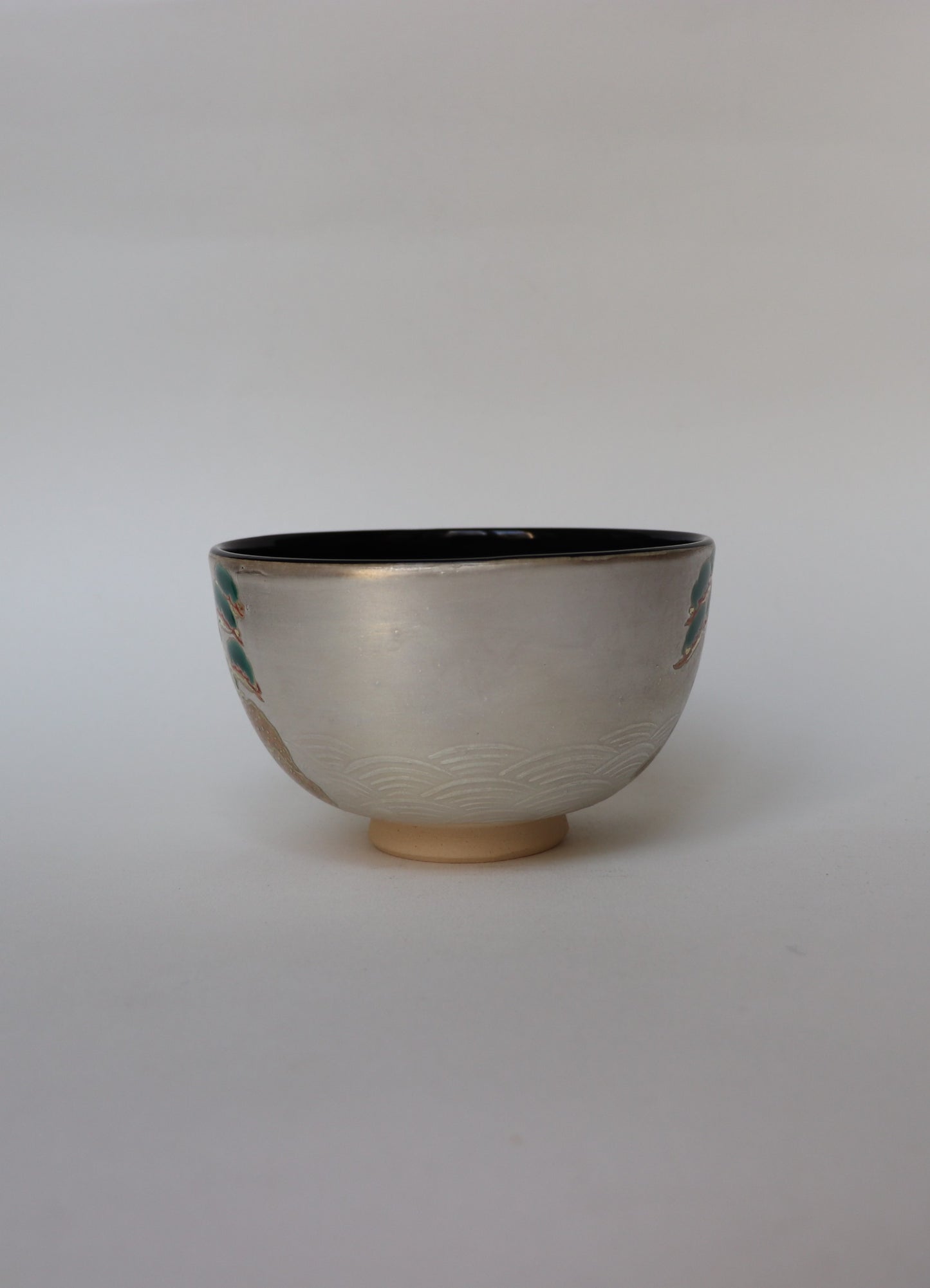
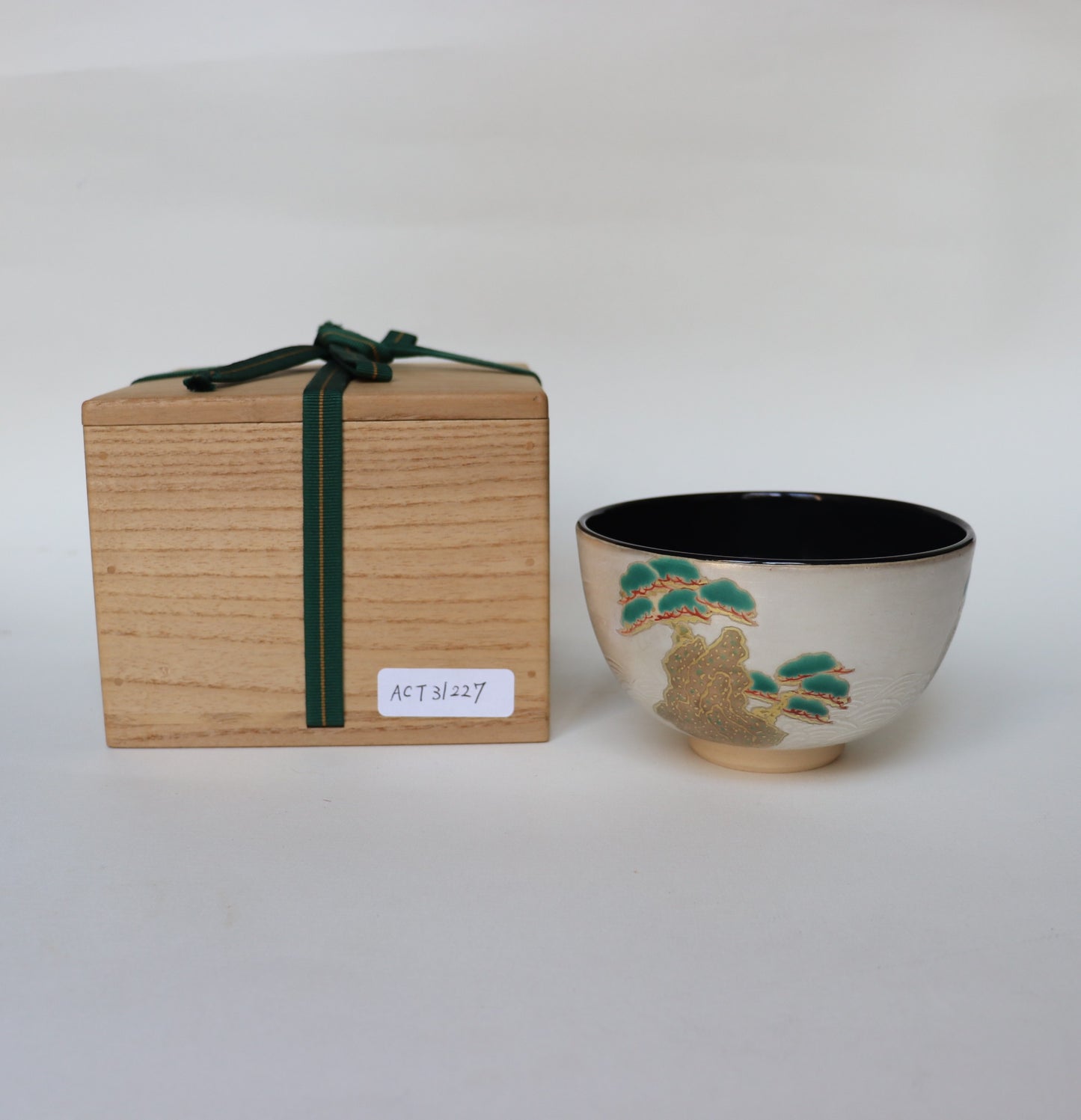
This bowl matcha It combines the delicate pictorial style of Iroe—colored enamel painting—with the formal simplicity of Kyō-yaki, creating a luminous and peaceful whole. The finely painted pines on the white glaze evoke the misty shores of Matsushima, among the most poetic landscapes in Japan, often celebrated in waka and haiku.
Matcha Bowl Iroé Matsushima
Tanaka Juhō — Kyō-yaki / Kiyomizuyaki
This matcha bowl, decorated with the Matsushima motif, is the work of Tanaka Juhō, a master of Kyō-yaki / Kiyomizuyaki and a certified “Traditional Craftsperson” by Japan’s Ministry of Economy, Trade and Industry. Born into a family of potters, he is the grandson of the first Kuse Kyuhō and trained under his aunt, the second generation of the same lineage. Following her passing in 1974, he established his own kiln and was granted the artist name “Juhō” by Takeda Eishū, head abbot of Kennin-ji Temple in Kyoto.
The Matsushima design, depicting a pine-covered island, draws inspiration from the famous scenic views of Japan and from the classical shōchikubai theme — pine, bamboo, and plum — symbols of perseverance and longevity. In ancient China, the pine tree was revered as an emblem of immortality, remaining evergreen through snow and wind. Introduced to Japan during the Heian period, it became an auspicious motif, appearing in court robes, lacquerware, and ceramics as a wish for enduring fortune.
In Japan, the pine is a tree of celebration and renewal. During the New Year, kadomatsu are placed at entrances to welcome the deity Toshigami-sama. Its unchanging hue, known as tokiwairo (“evergreen color”), expresses constancy and timeless vitality. Since the Edo period, countless variations of the matsu-mon motif have continued to embody this serene harmony between endurance and beauty.
This matcha bowl combines the refined coloration of Iroé overglaze painting with the graceful form of Kyoto ware, achieving a luminous yet tranquil presence. The delicate pines painted on the white glaze evoke the misty shores of Matsushima, one of Japan’s most celebrated poetic landscapes.
Blog posts
-

New Year in the world of Japanese tea
In Japan, they say that the New Year of Tea takes place in November and not on January 1st. This is explained by the seasonality of the tea leaves and...
New Year in the world of Japanese tea
In Japan, they say that the New Year of Tea takes place in November and not on January 1st. This is explained by the seasonality of the tea leaves and...
-

Maintenance and cleaning of tea utensils and ac...
Our advice for maintaining your kyusu, your chasen and other tea utensils and accessories.
Maintenance and cleaning of tea utensils and ac...
Our advice for maintaining your kyusu, your chasen and other tea utensils and accessories.
-

The birth of the Maruyama Nori house in 1854 in...
The birth of the Maruyama Nori house in 1854 in the world historical context If we can imagine that 1854 was now almost 200 years ago, it can be...
The birth of the Maruyama Nori house in 1854 in...
The birth of the Maruyama Nori house in 1854 in the world historical context If we can imagine that 1854 was now almost 200 years ago, it can be...


