

Jugetsudo
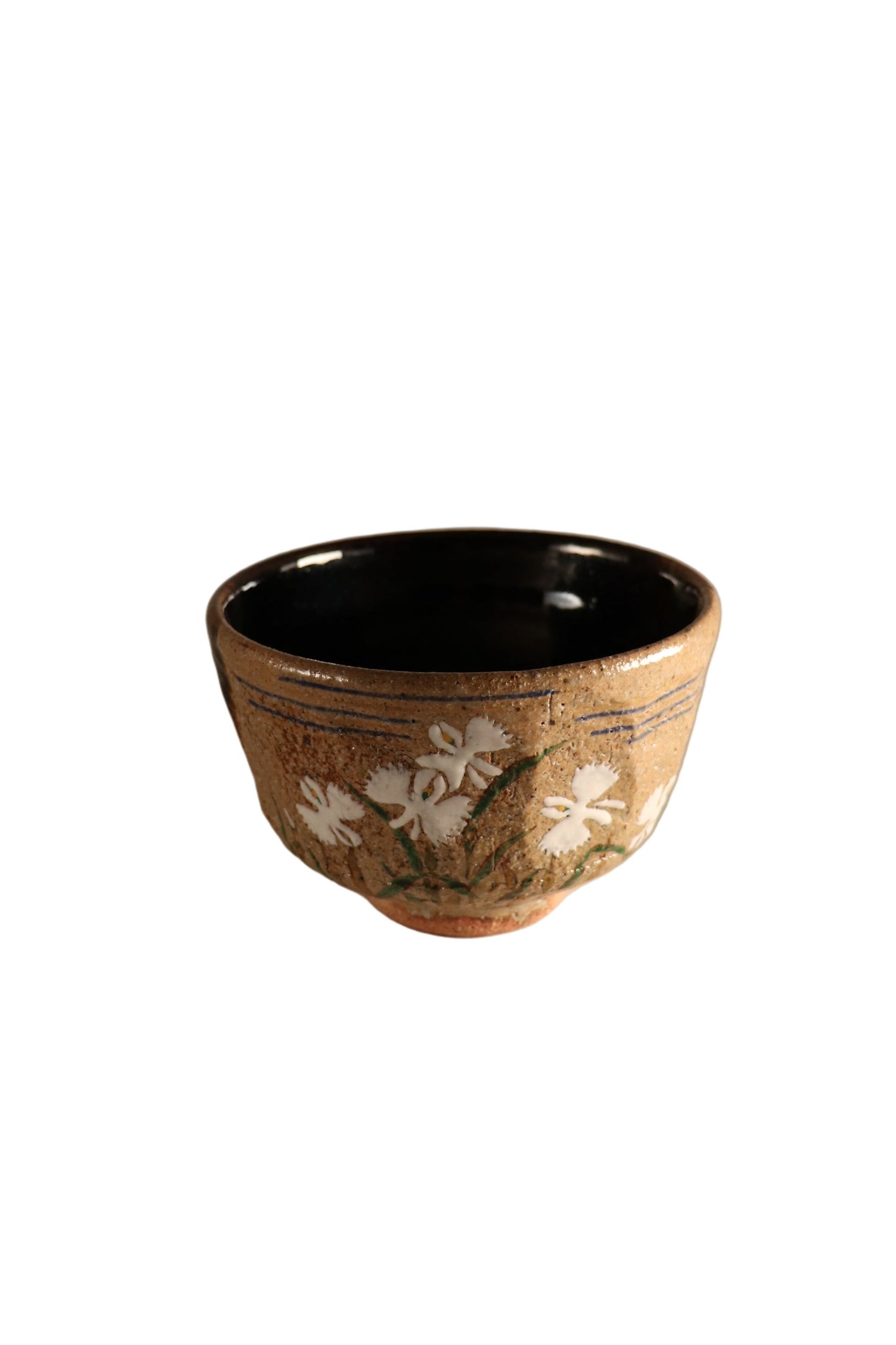
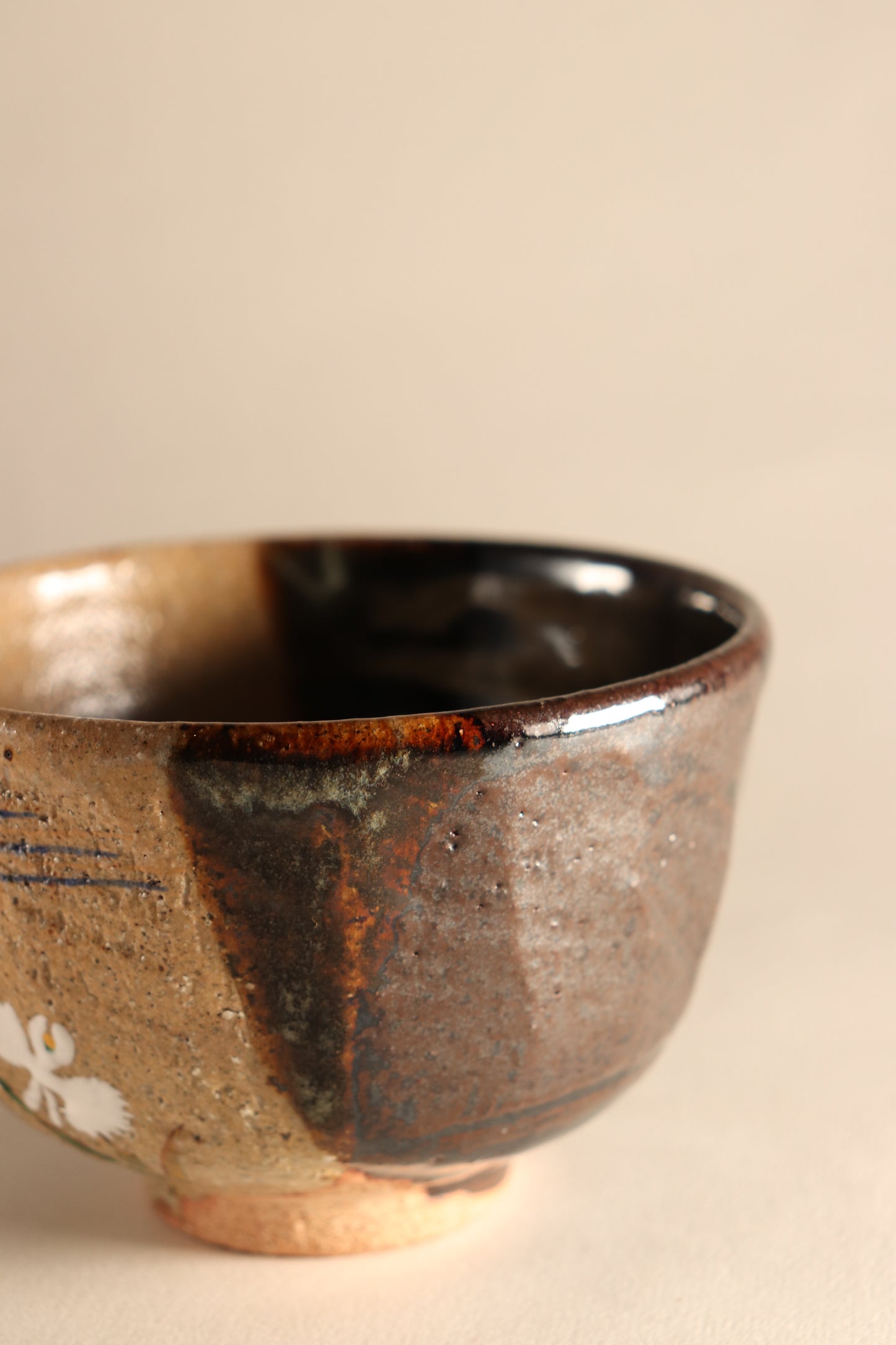
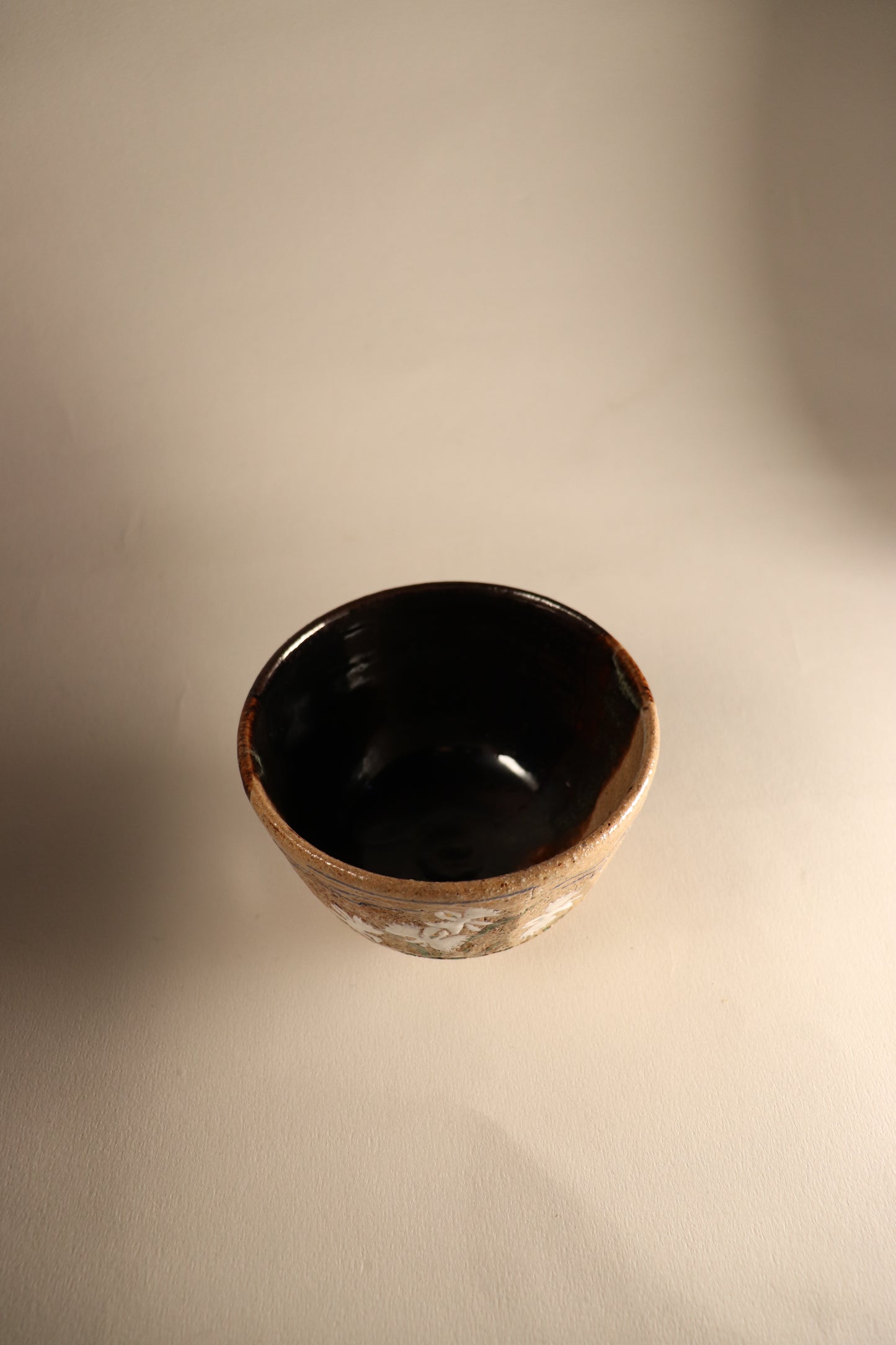
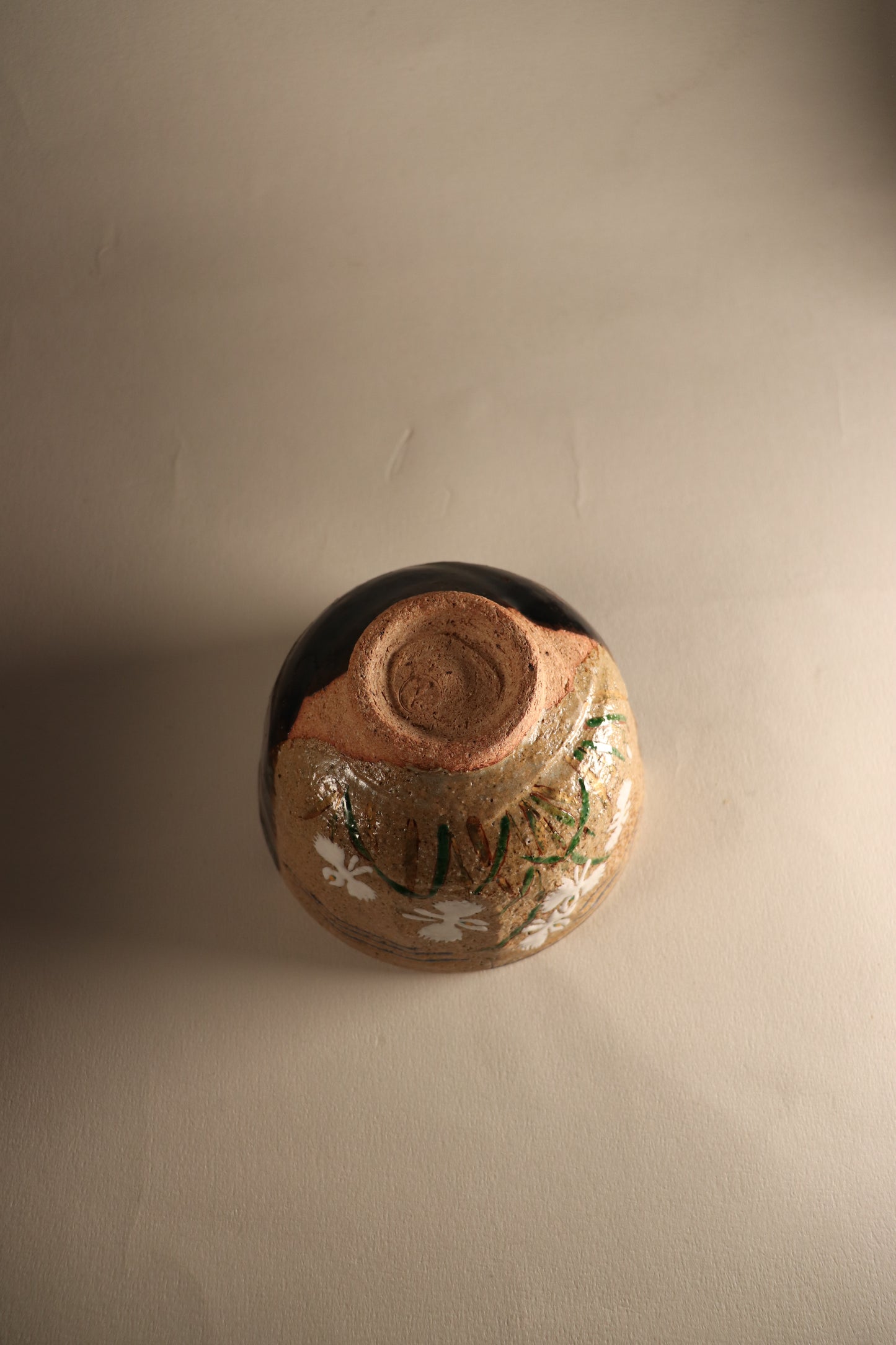
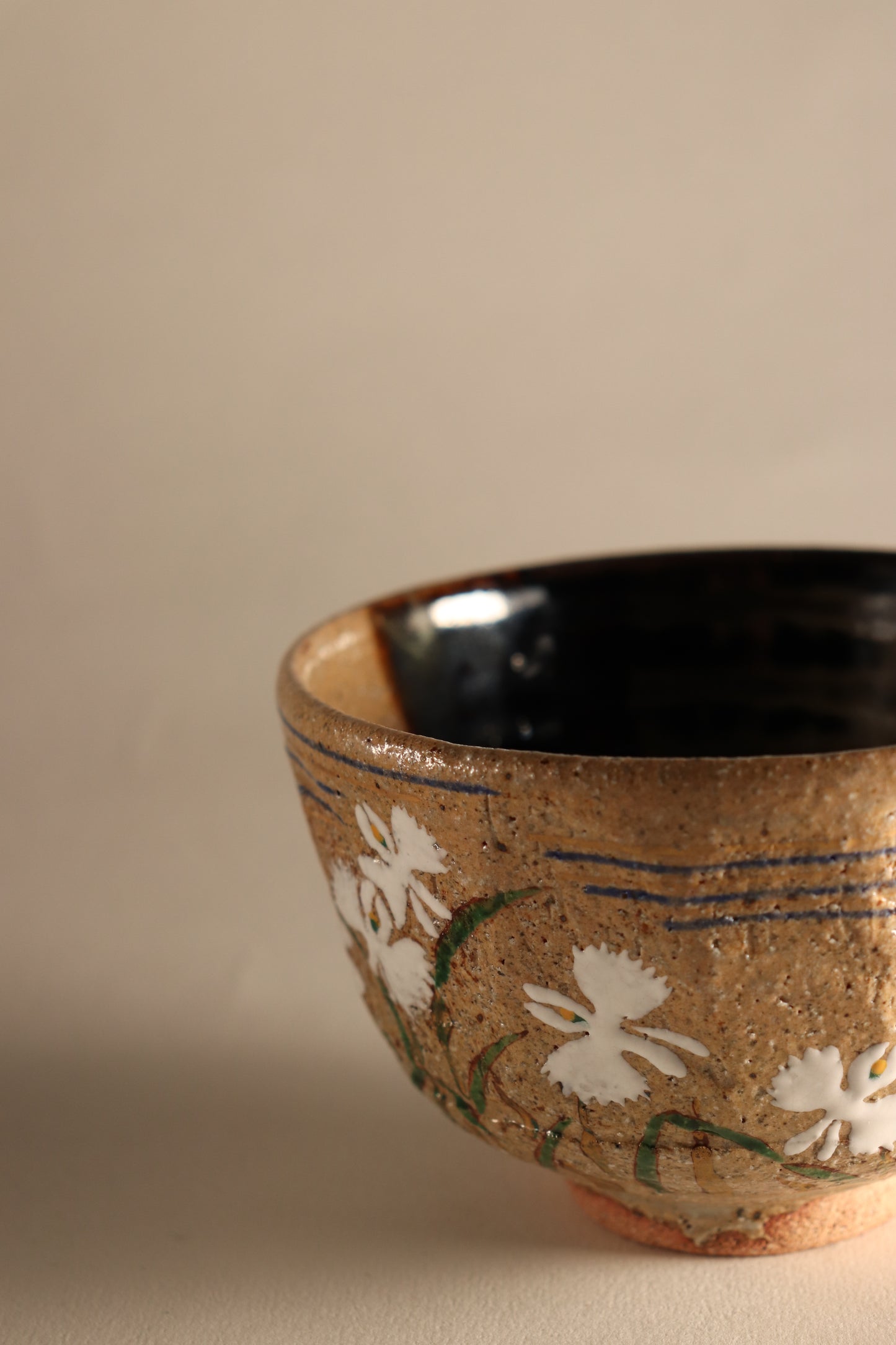
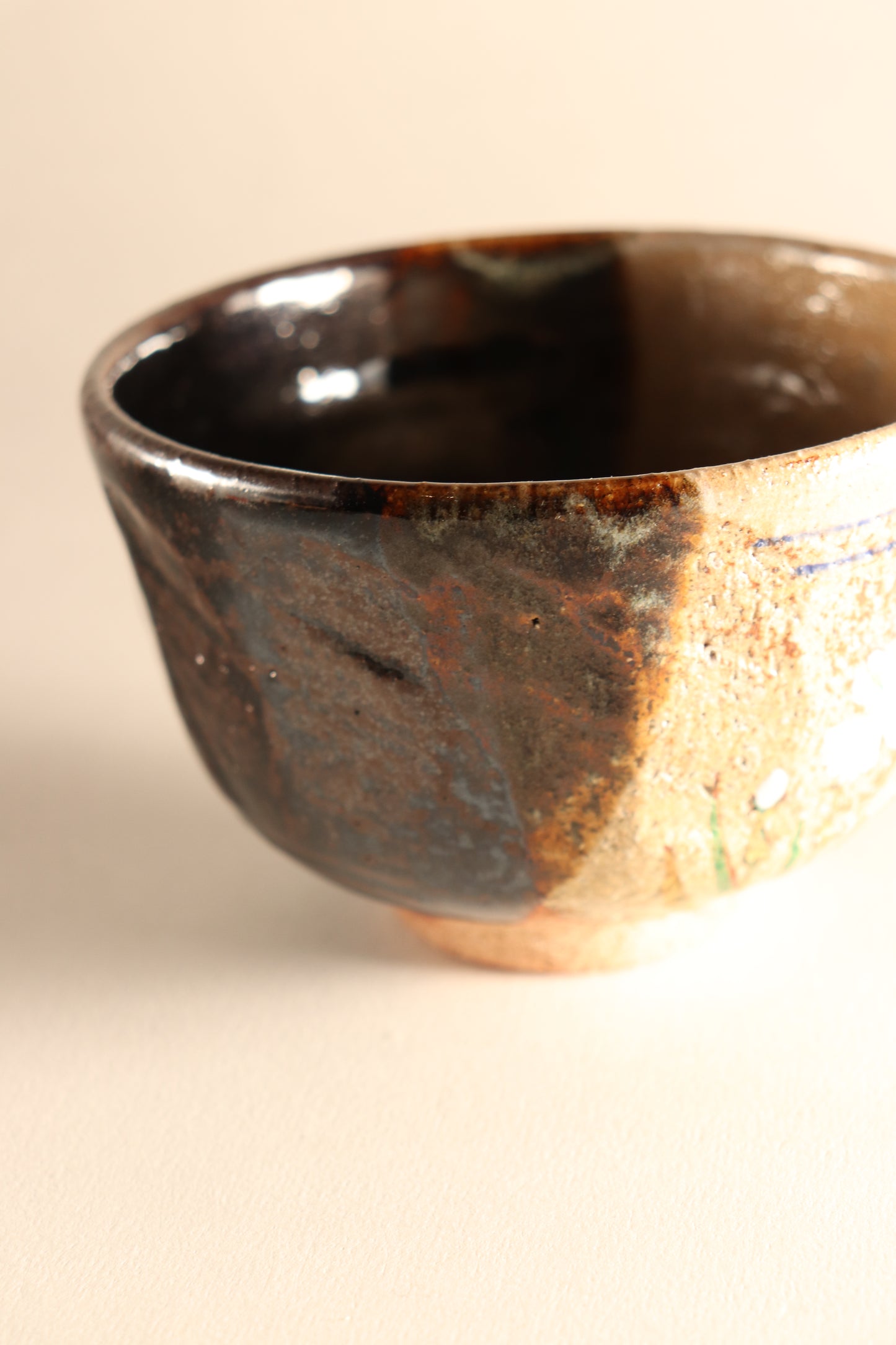
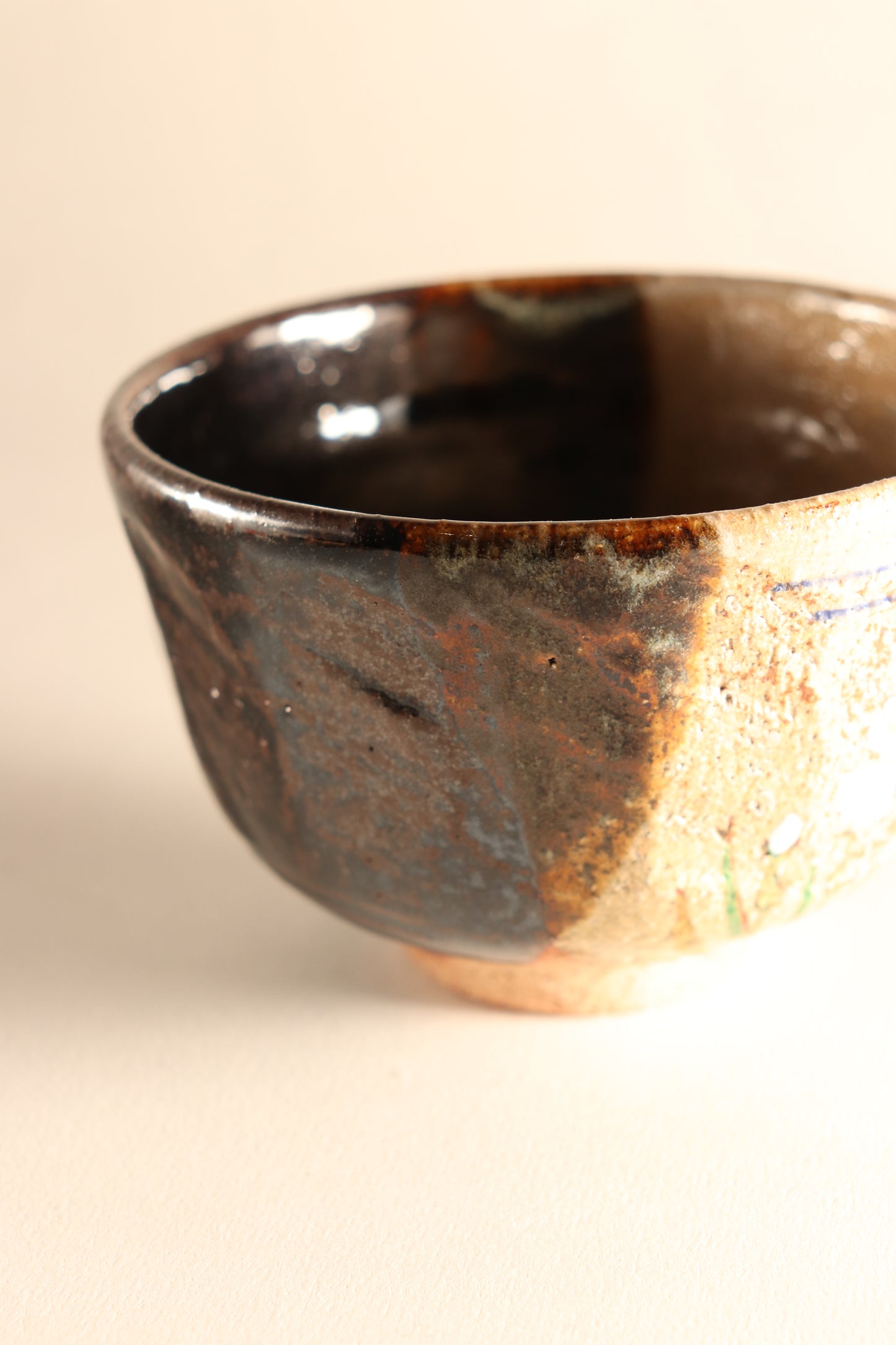
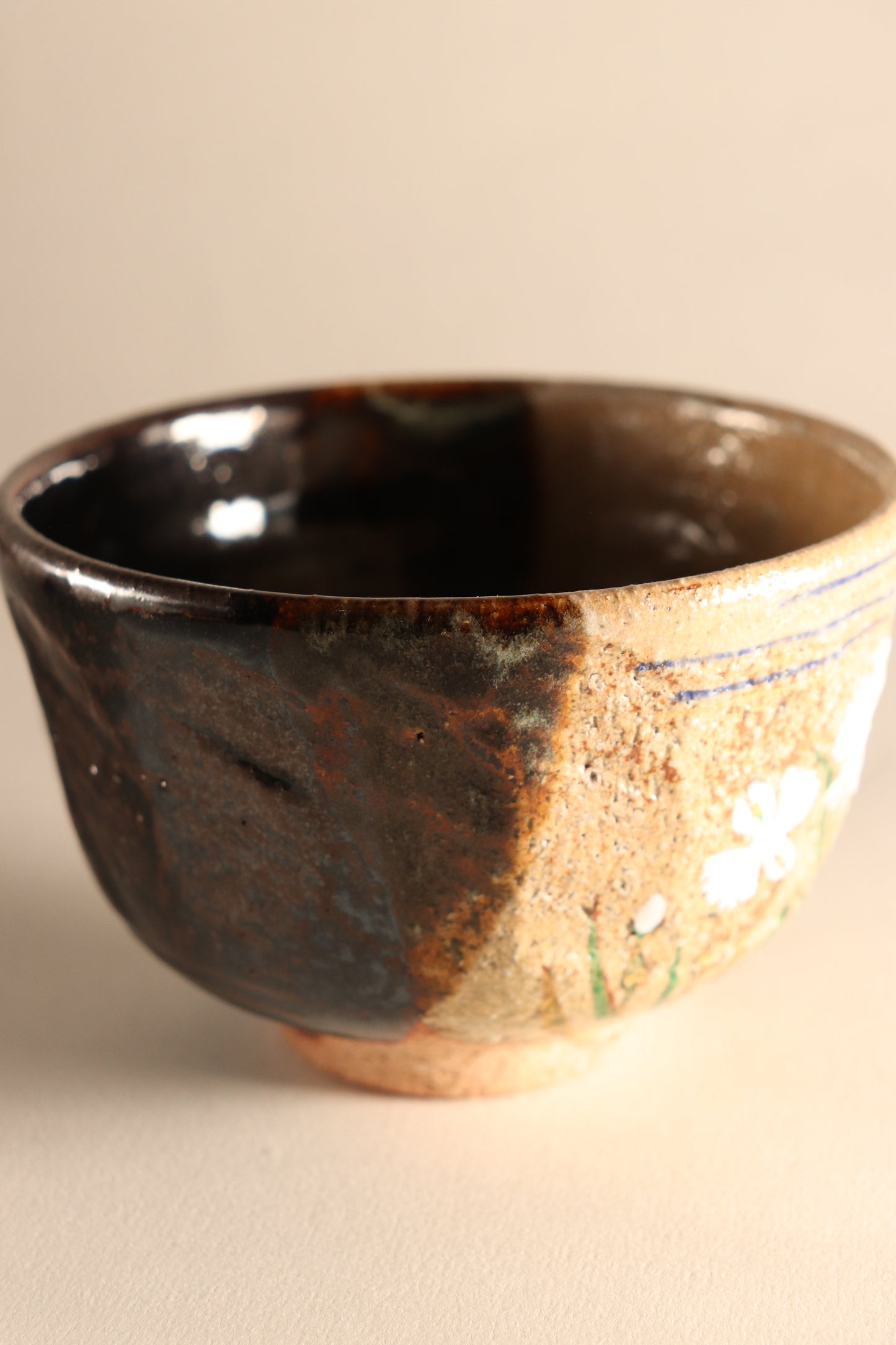
Bowl matcha / Kyoto Asami Gorosuke "Kusabanae"
Bowl matcha / Kyoto Asami Gorosuke "Kusabanae"
Couldn't load pickup availability
Please note, this item is a unique piece.
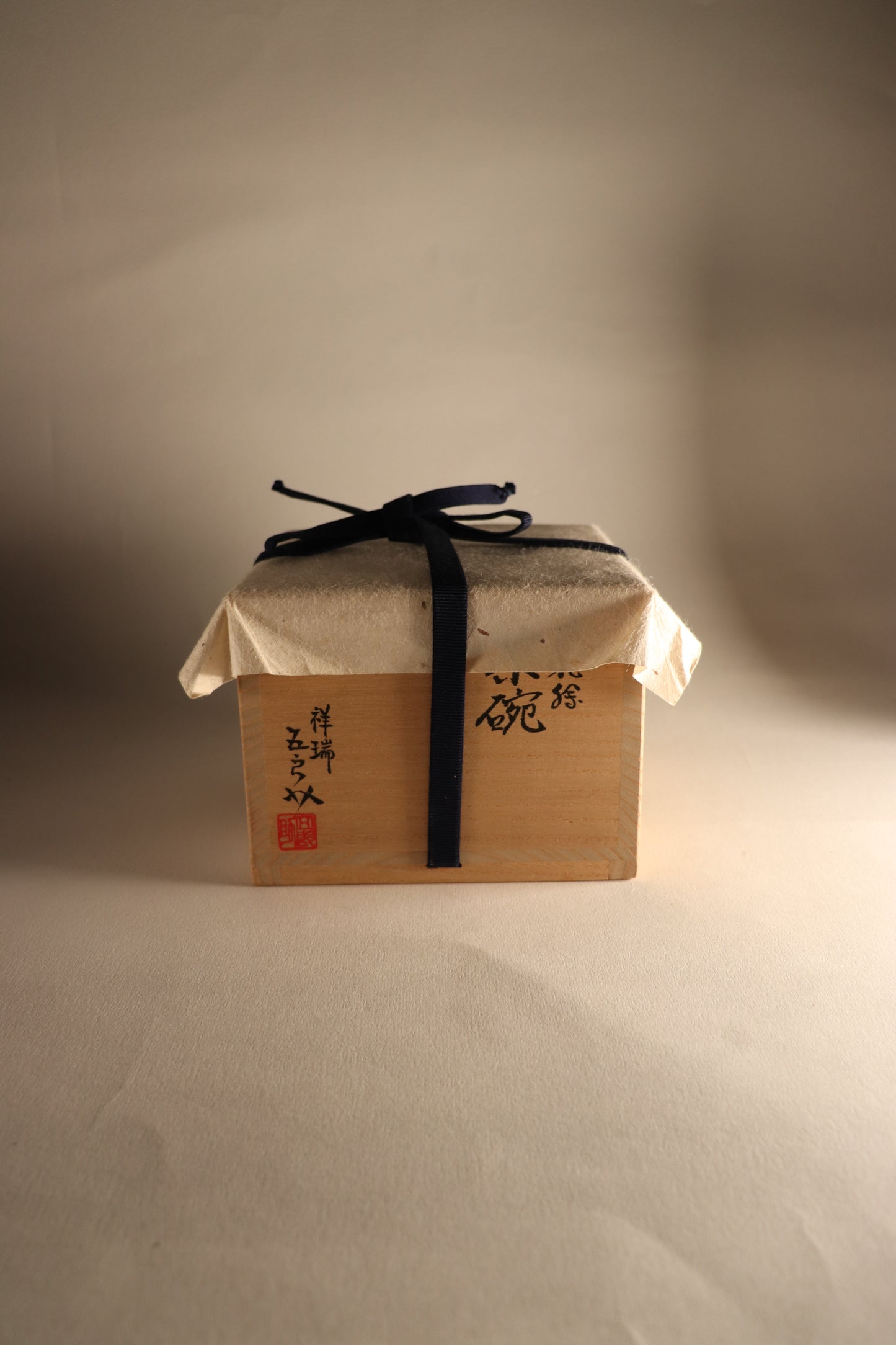
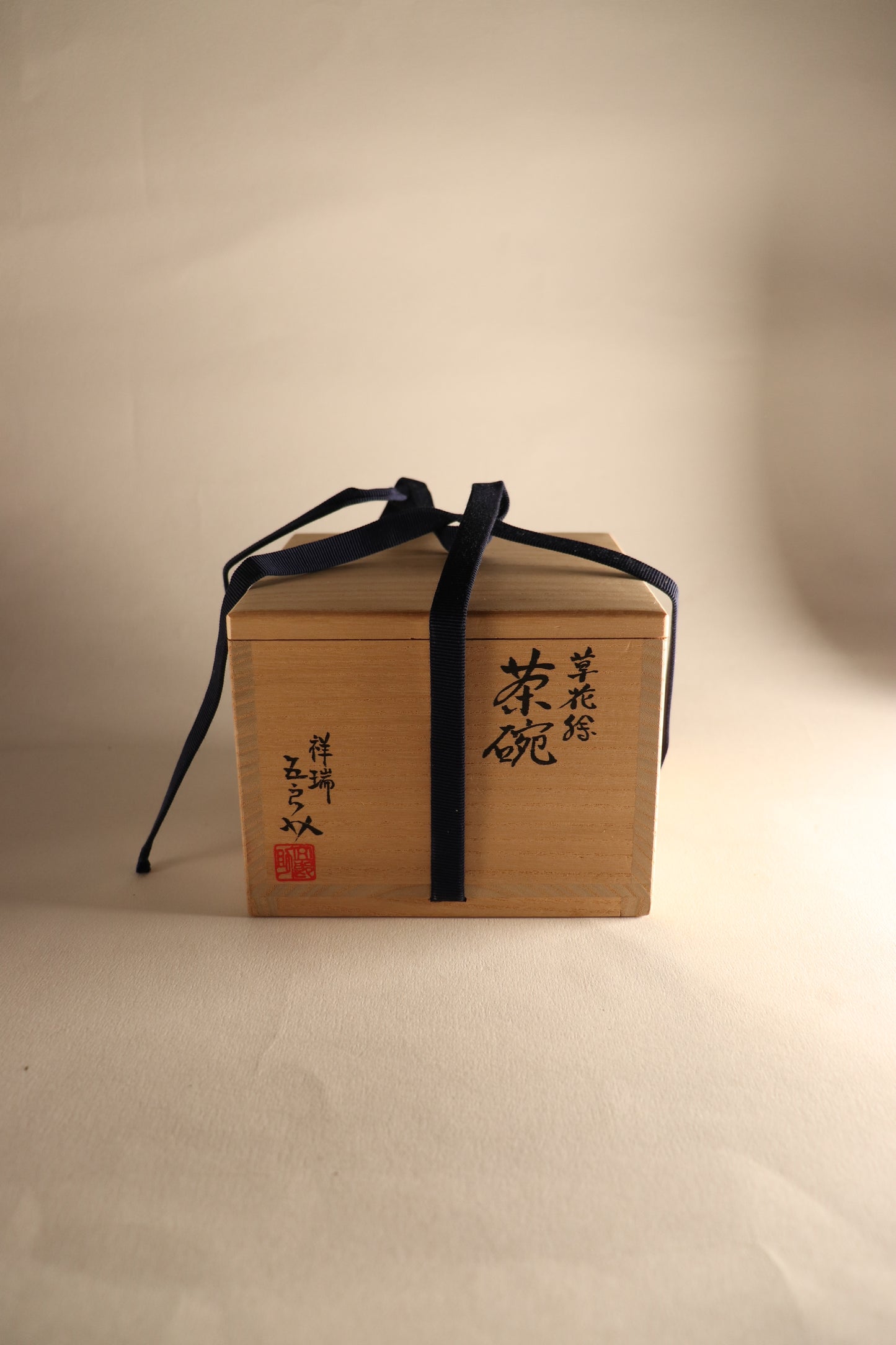
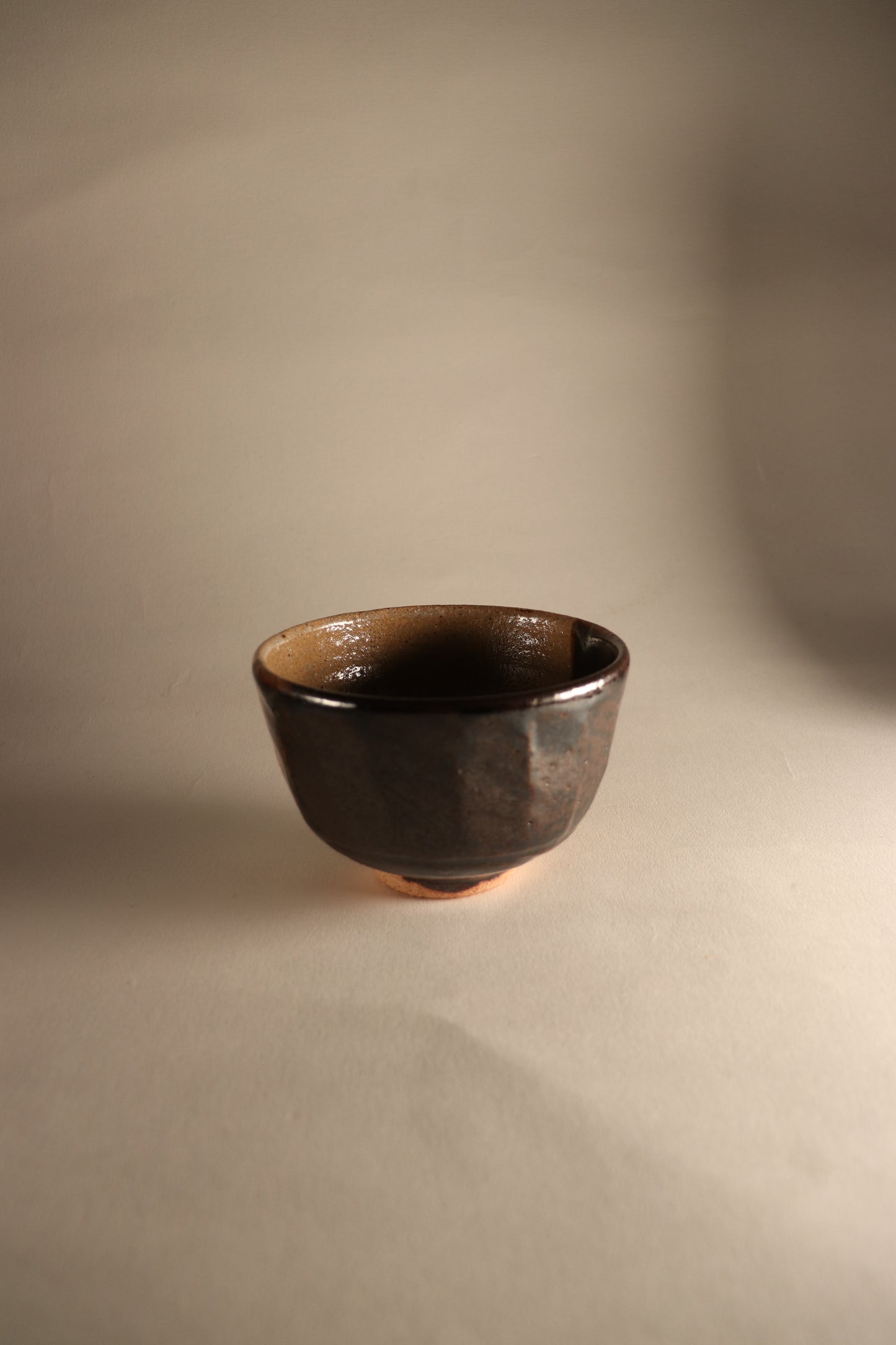
This bowl matcha This piece comes from the prestigious Asami kiln, founded in Kyoto around 1852 by Asami Gorōsuke I (1829–1895). Born in Takatsuki, in Settsu Province (present-day Osaka Prefecture), he was originally the second son of a samurai from the Takatsuki domain, before being adopted by the Asami family in Kyoto. A student of the potter Rokubei II, he established his own kiln in Gojōzaka, an emblematic district of Kyō-yaki (or Kiyomizu-yaki).
A master potter of exceptional skill, Gorōsuke I produced both porcelain and stoneware pieces, ranging from tea bowls to sake cups. He particularly excelled in imitations of the Shōzui style—a type of blue porcelain inspired by Ming dynasty Chinese pieces, renowned for its intricate designs and translucency. His talent in this field was such that he adopted the artist name "Shōzui Gorōsuke," a name that remains the distinctive seal of his lineage.
For nearly two centuries, Gorōsuke's descendants have perpetuated this tradition, notably perfecting the Mishima-te (三島手) and Hakeme-te (刷毛目手) styles, characterized by their understated decoration and delicate textures. The Asami kiln has also produced numerous pieces inspired by Ninsei, Kenzan, and Kakiemon styles, prized by tea connoisseurs and collected by the Imperial Household. Today, the kiln is headed by the sixth Asami Gorōsuke, faithful to the spirit of discreet elegance that defines this dynasty.
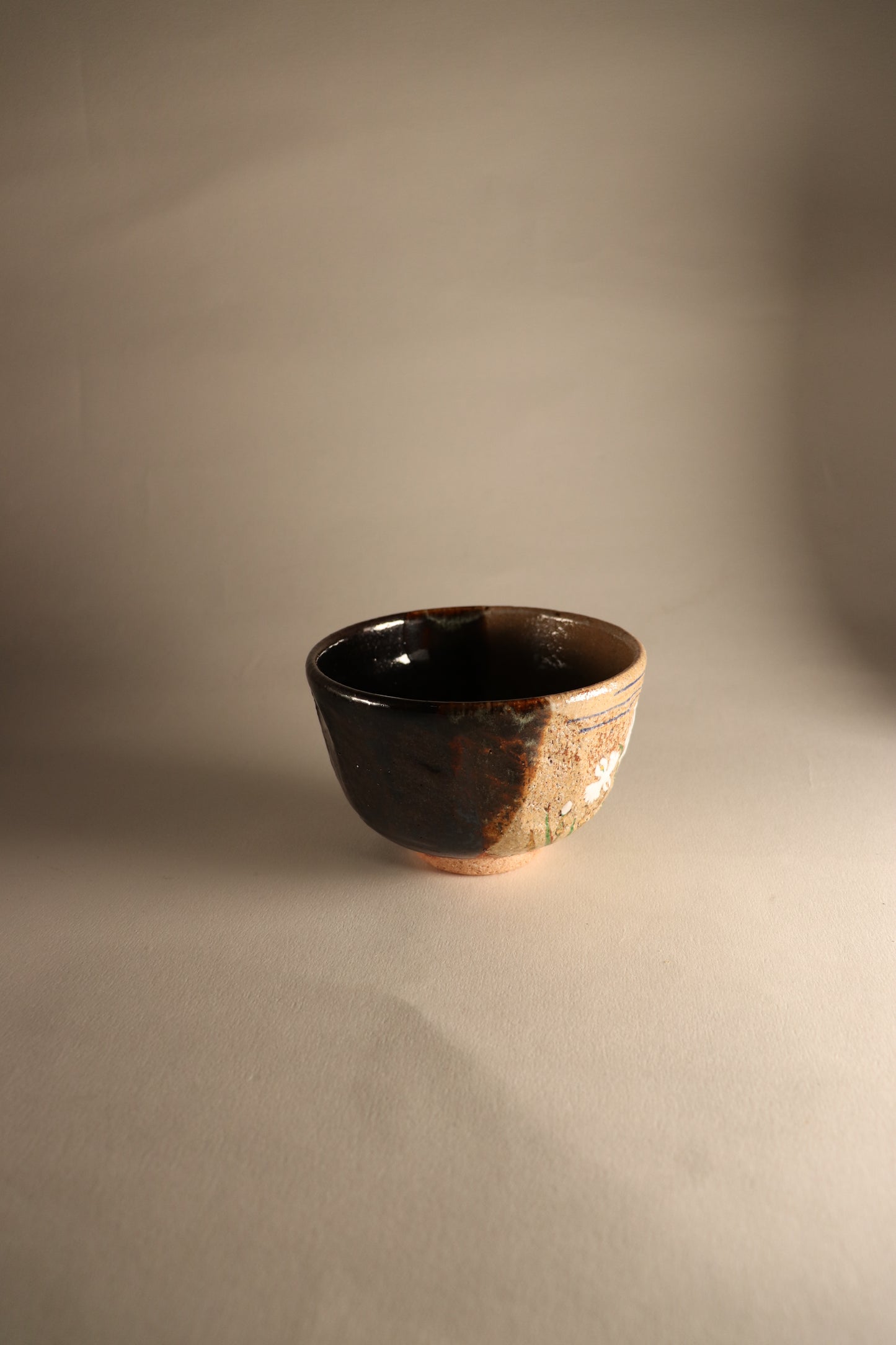
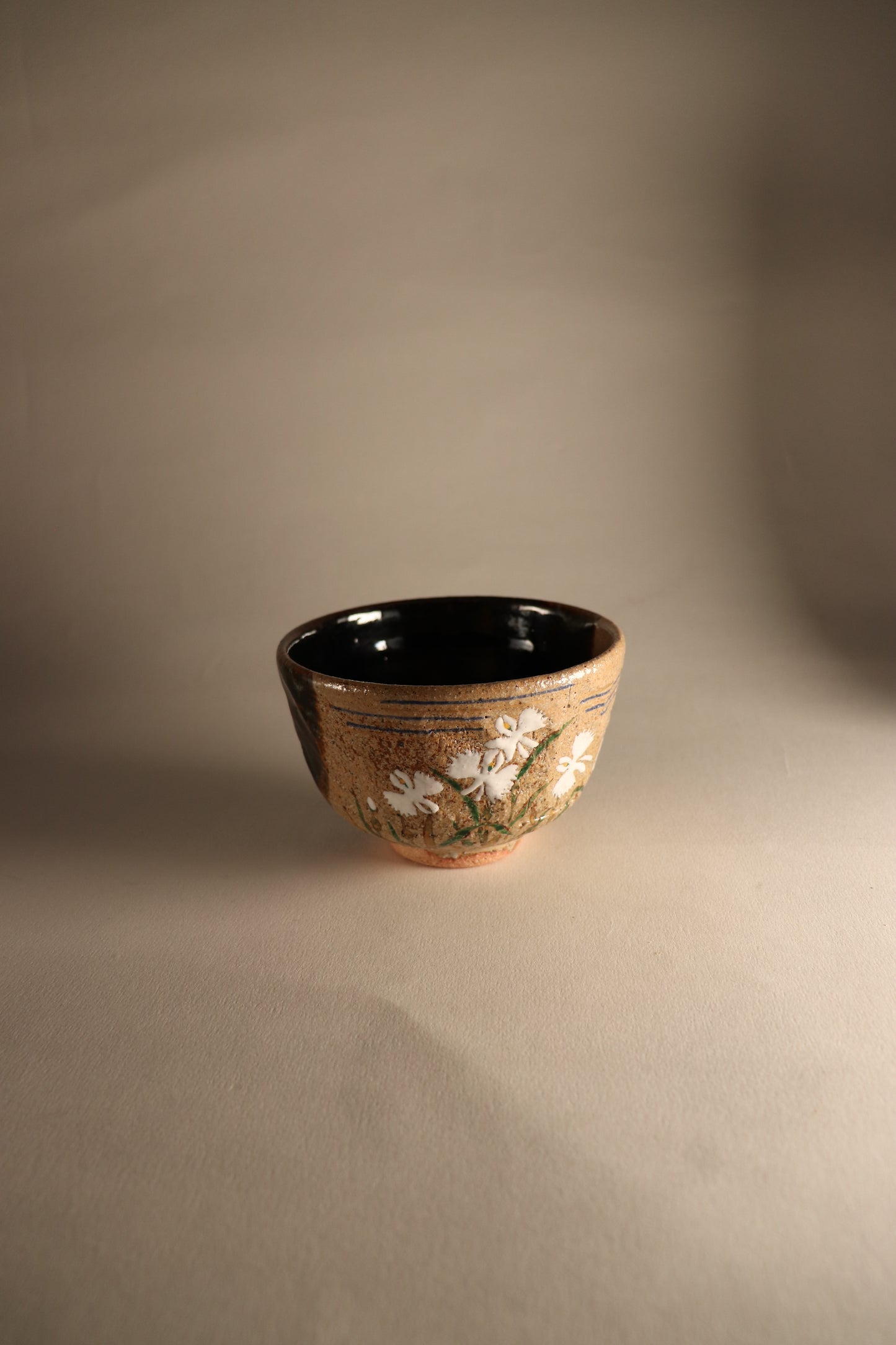
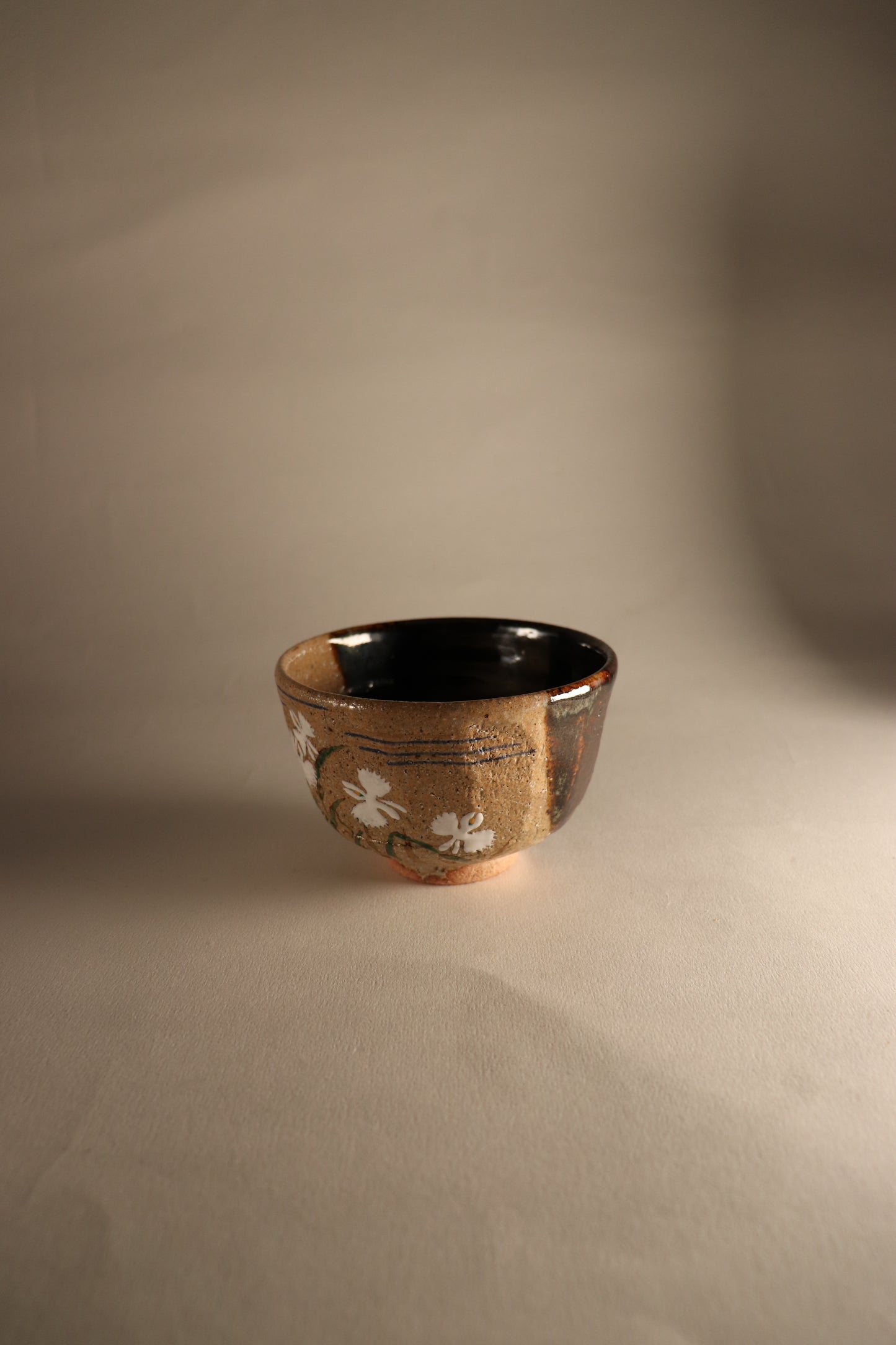
The motif adorning this bowl depicts the sagi-sō flower (Pecteilis radiata), also known as the white heron orchid, a rare Japanese plant whose delicate form evokes a heron spreading its wings. In Japanese floral symbolism, the sagi-sō embodies purity, delicacy, sincerity, and mystery. Legend has it that it sprang from the tears of a young woman faithful to her love beyond dreams, hence the poetic meaning: "I think of you even in my dreams."
On this bowl, the sagi-sō flower is rendered with grace and lightness, in the refined spirit of Kyō-yaki. Its delicate design, both airy and luminous, evokes the fragility of emotions and the ephemeral beauty of nature — themes dear to Japanese ceramics and the aesthetics of tea.
Matcha Bowl — White Egret Flower (Sagi-sō) Motif
Asami Gorōsuke I — Gojōzaka Kiln, Kyoto
This matcha bowl was created by the historic Asami Kiln, founded in Kyoto around 1852 by Asami Gorōsuke I (1829–1895). Originally born in Takatsuki, Osaka, the son of a samurai, he was later adopted by the Asami family in Kyoto and trained under Rokubei II, one of the great masters of Kiyomizu-yaki. Establishing his kiln in the famed Gojōzaka area, he produced refined works in both porcelain and stoneware.
Gorōsuke became renowned for his Shōzui-style reproductions, inspired by the elegant blue-and-white porcelains of Ming China. His mastery earned him the nickname “Shōzui Gorōsuke,” a title proudly inherited by his successors. Over generations, the Asami family developed a rich repertoire including Mishima, Hakeme, Ninsei, and Kenzan styles, combining delicacy, restraint, and quiet sophistication. Their works have long been appreciated by tea masters and collected by the Japanese Imperial Household.
The design on this bowl depicts the white egret orchid (sagi-sō), whose petals resemble a bird in flight. In Japanese symbolism, the flower represents purity, gentleness, and spiritual devotion. A traditional legend associates it with the phrase “I think of you even in my dreams,” expressing steadfast love and inner grace.
Rendered with exquisite finesse, the sagi-sō motif captures the poetic essence of Kyoto ceramics — a harmony of elegance and emotion, where nature, craftsmanship, and spirit converge in the art of tea.