

Jugetsudo
Bol à matcha Kyoto Ryoji NAKAMURA "Aokaede"
Bol à matcha Kyoto Ryoji NAKAMURA "Aokaede"
Couldn't load pickup availability
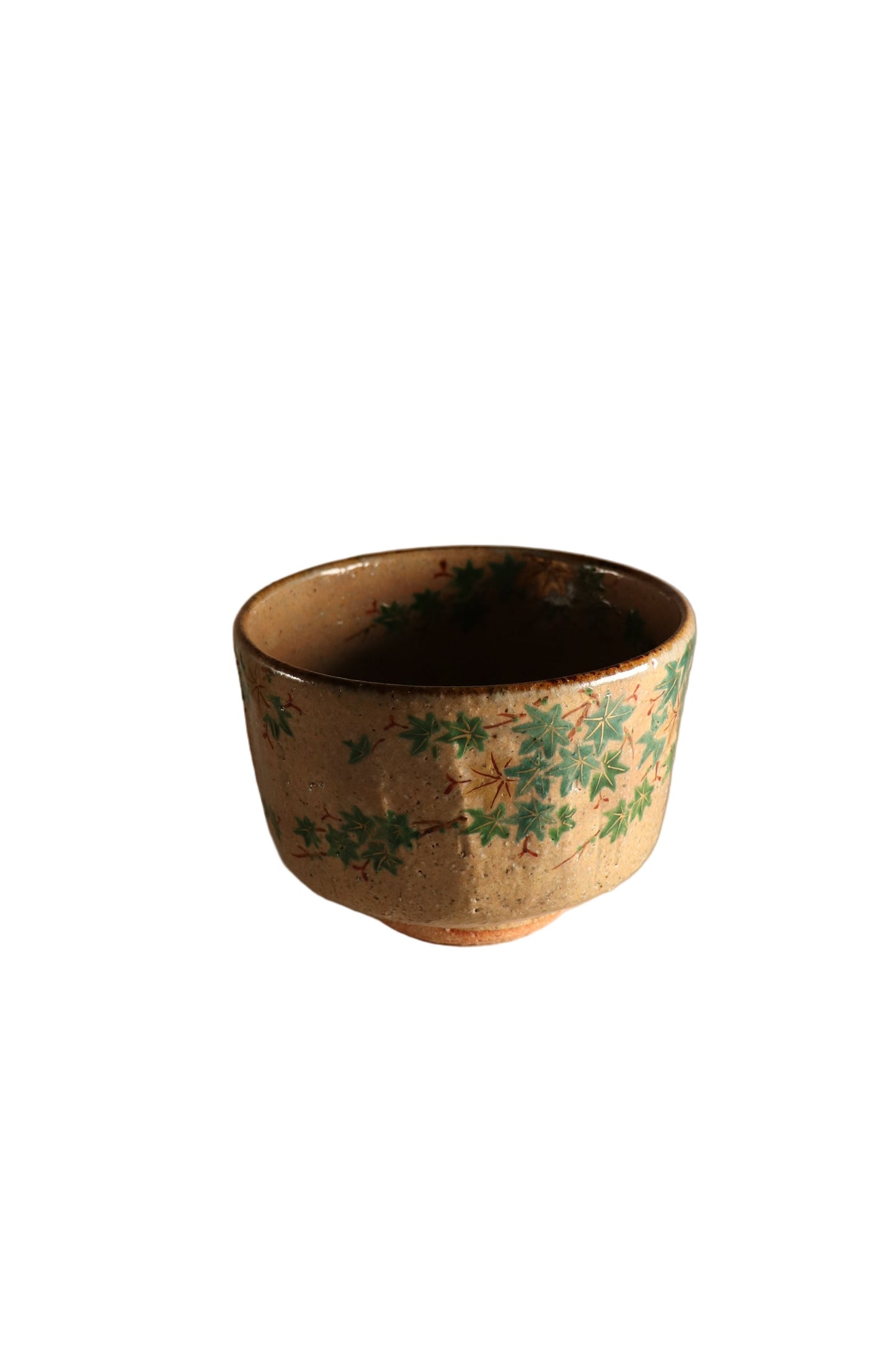
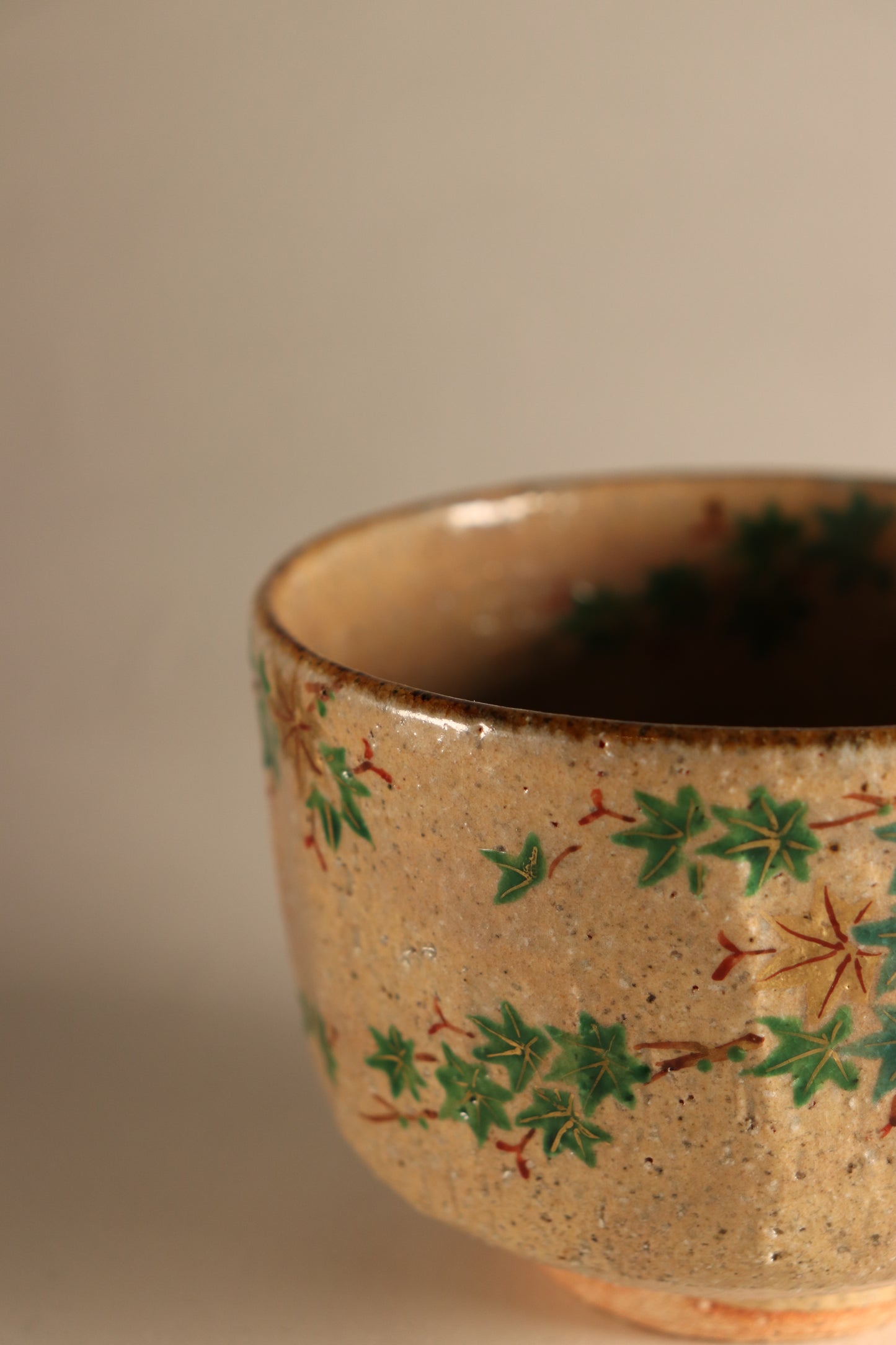
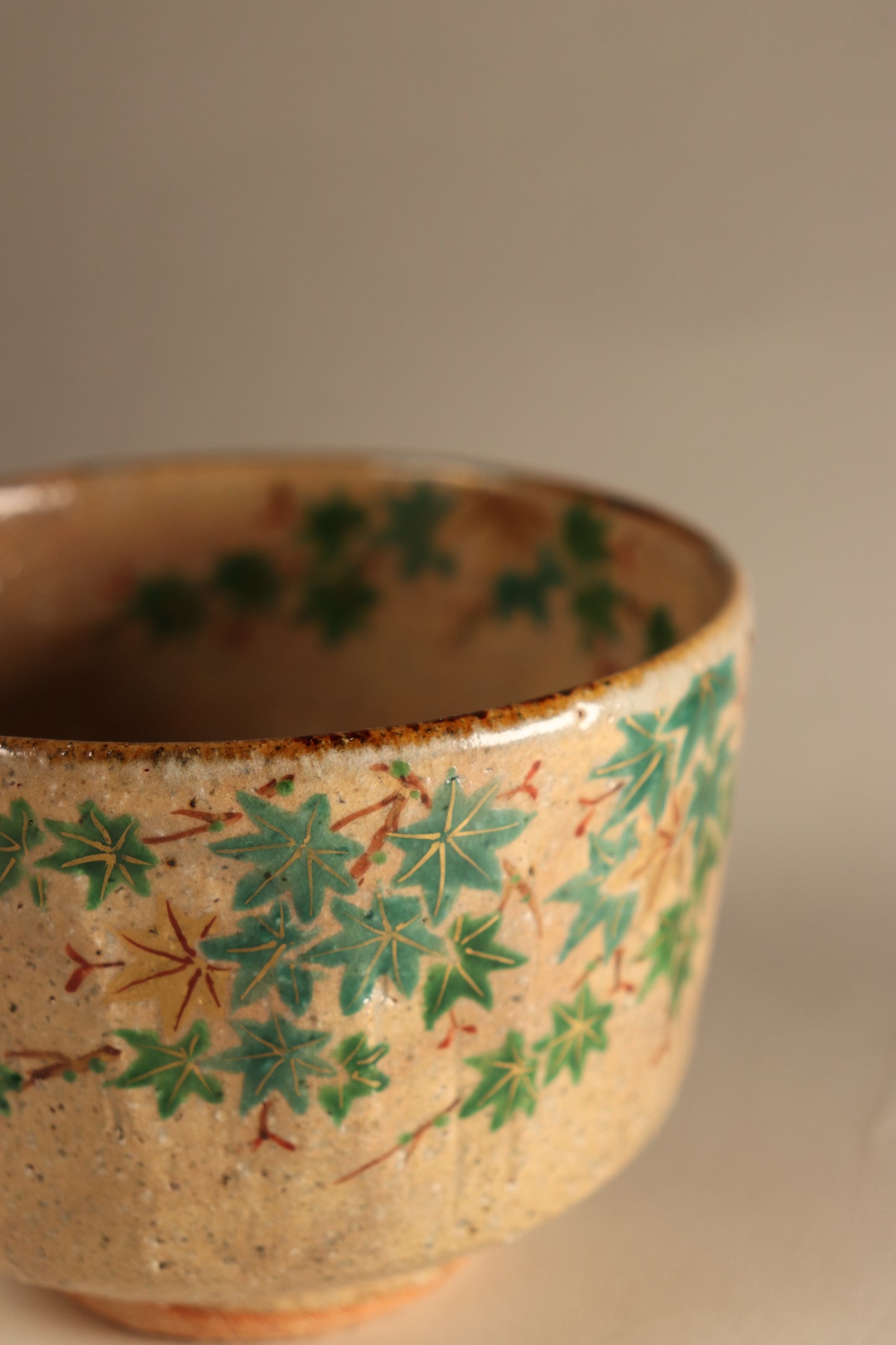
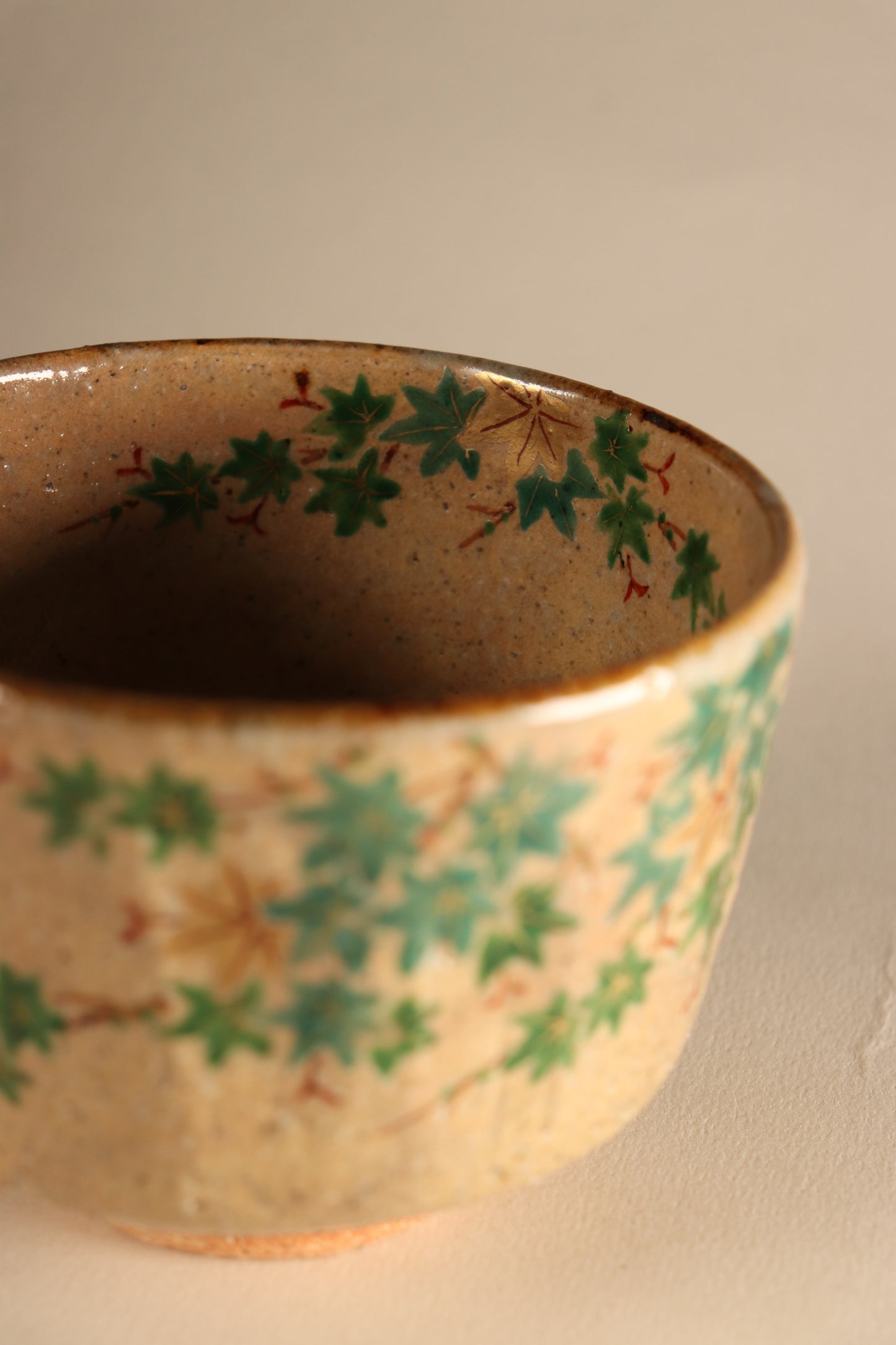
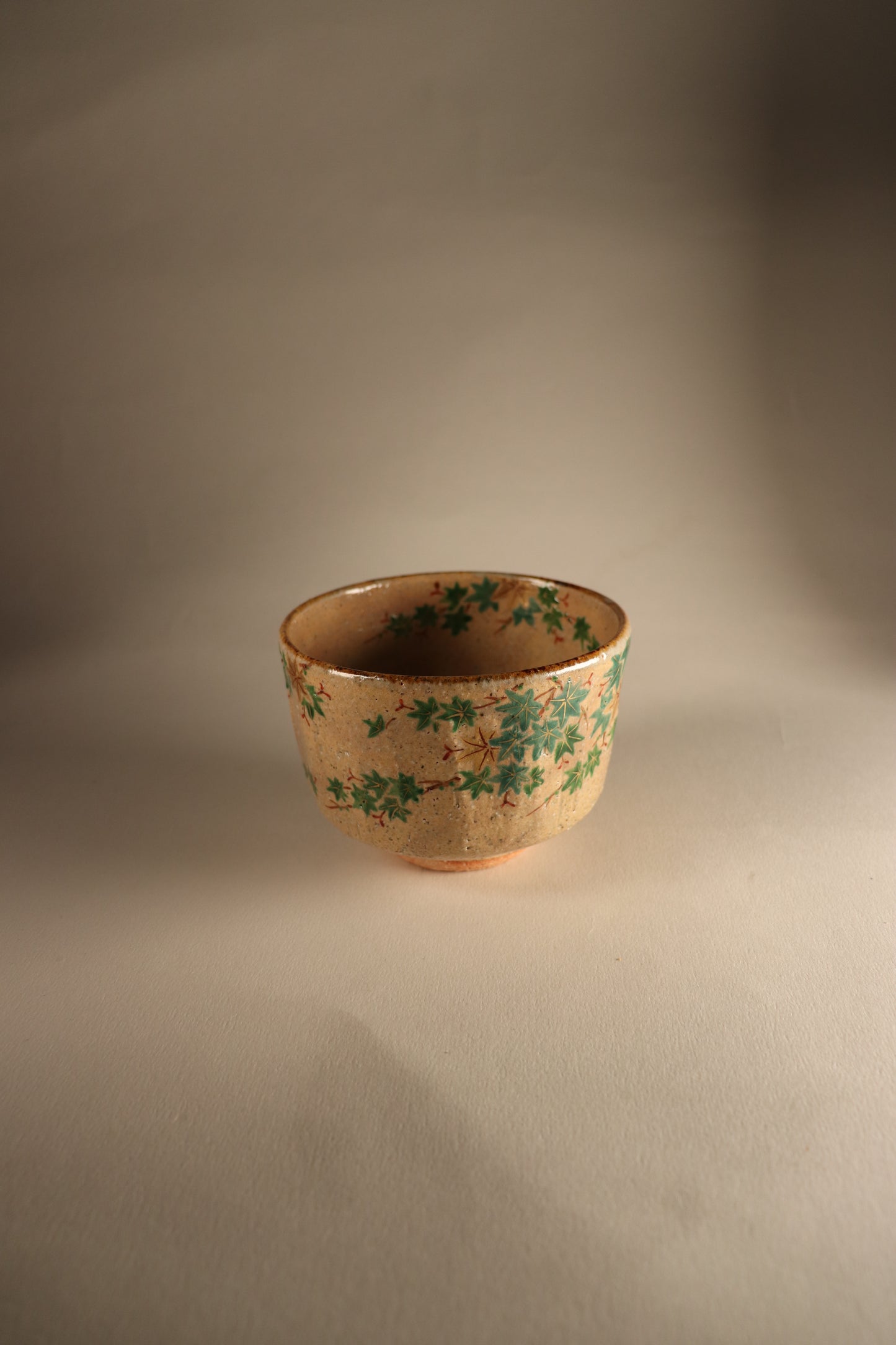
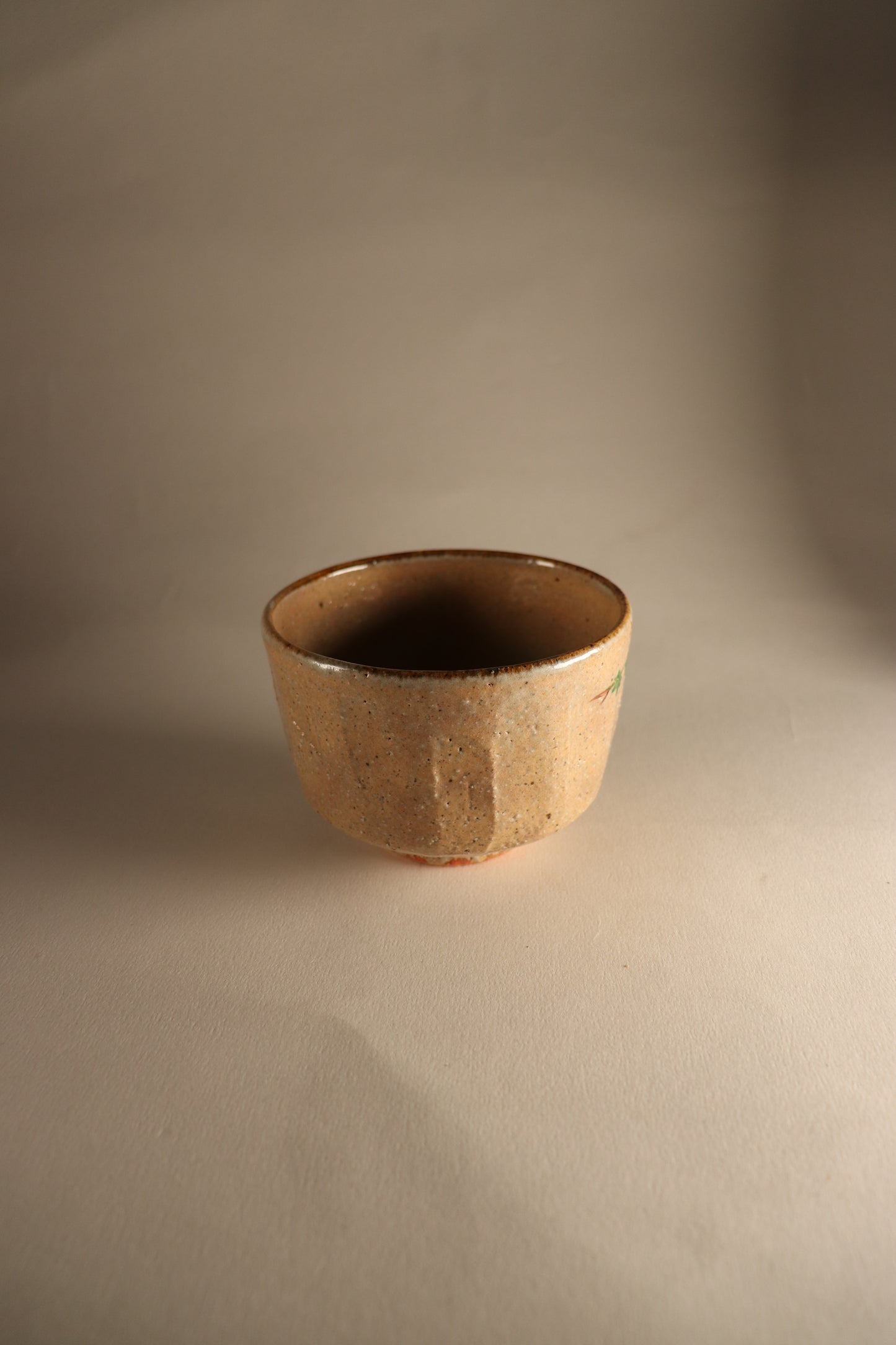
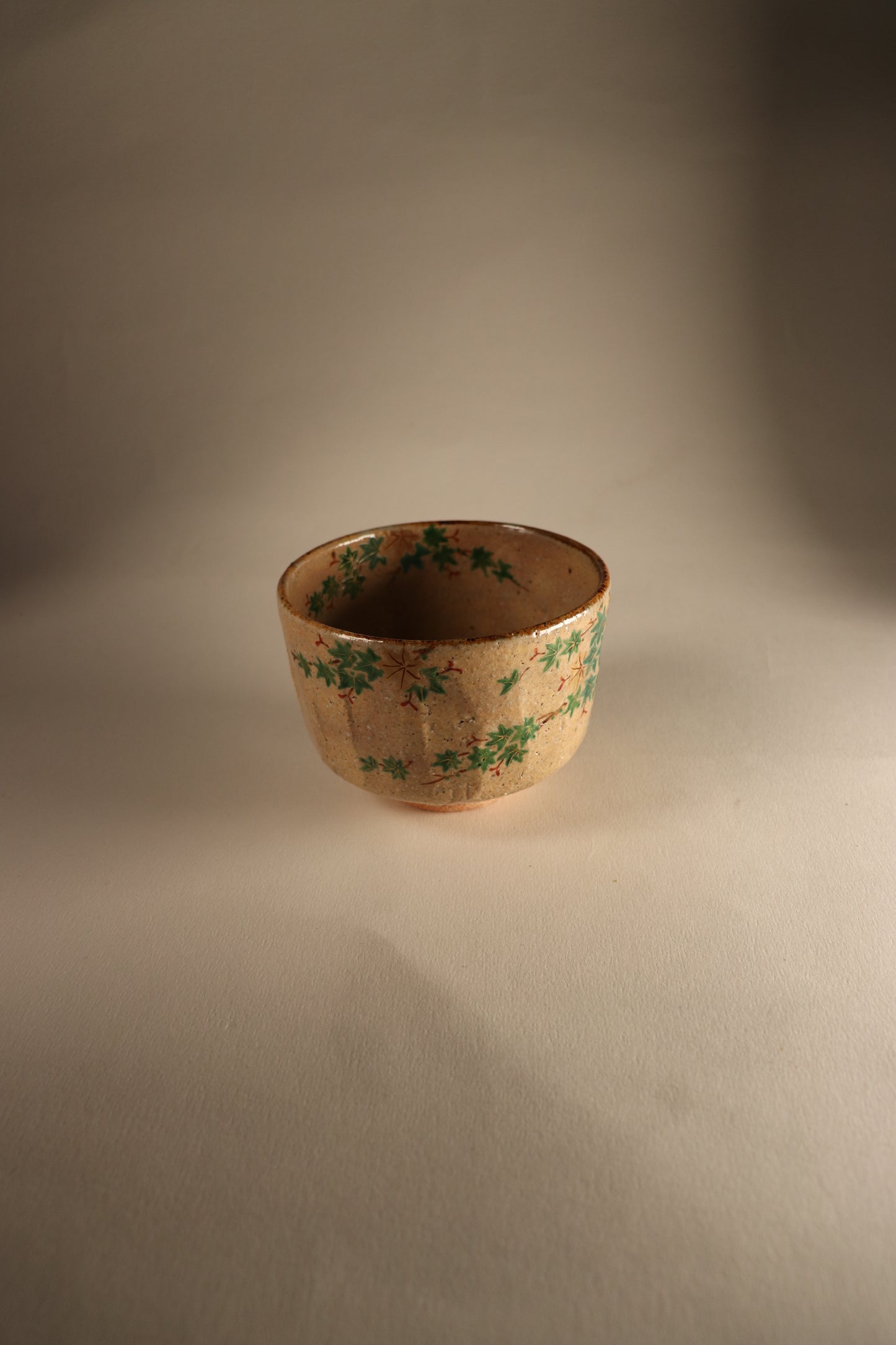
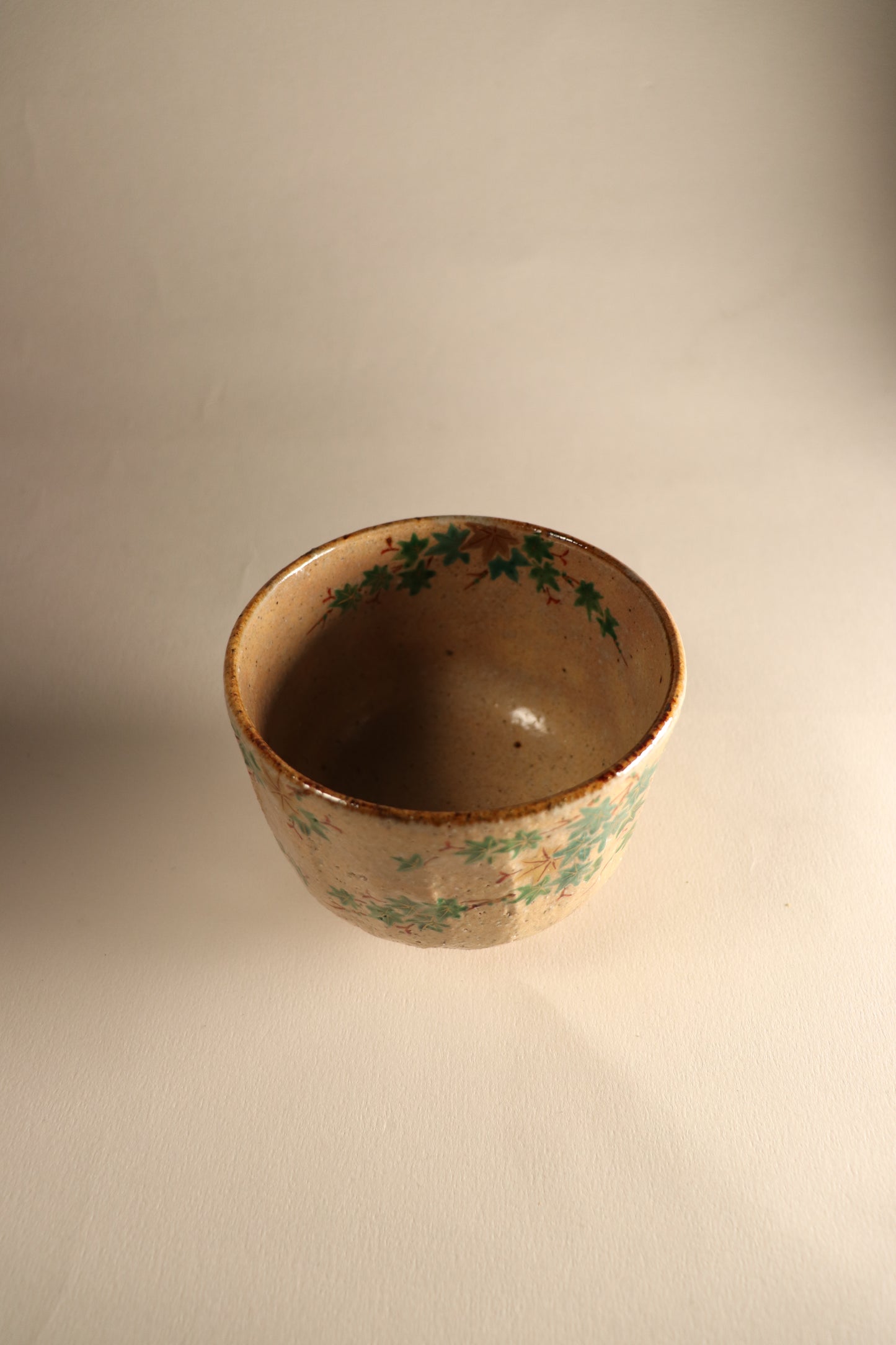
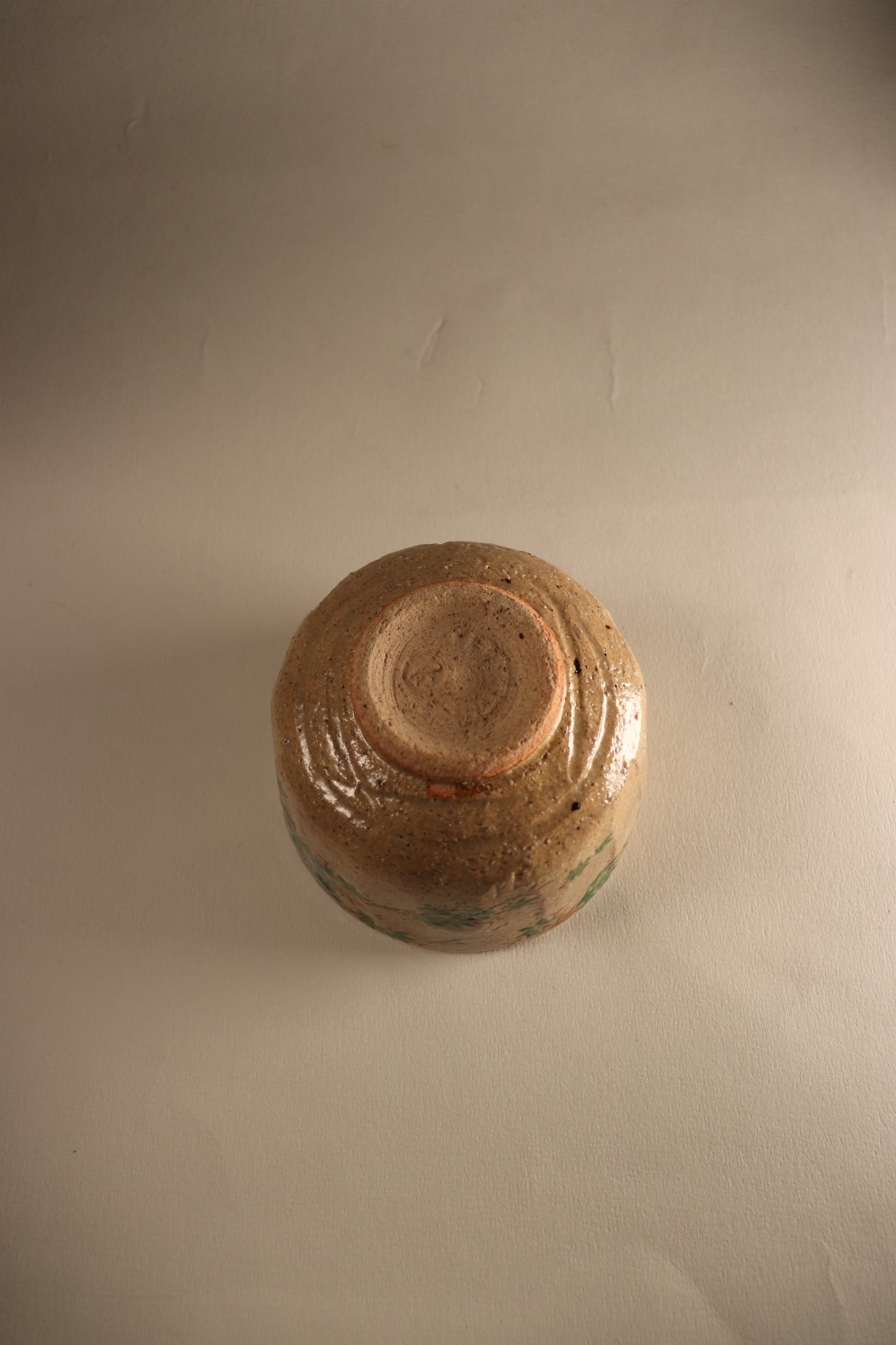
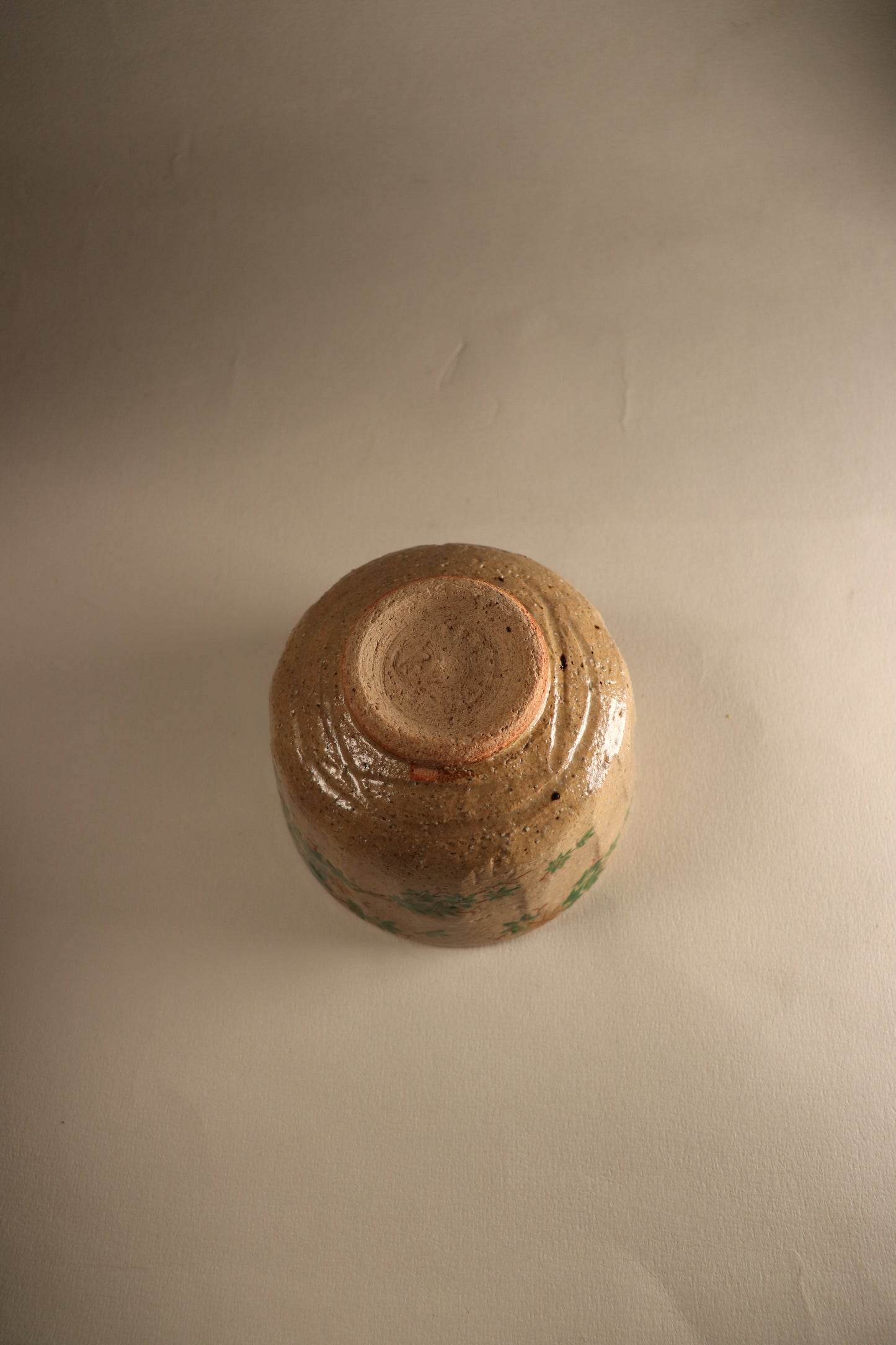
This bowl matcha evokes the freshness of early summer through its motif of green maple trees (aofu or ao kaede), painted in light and luminous tones. In Japanese tradition, the green maple symbolizes youth, renewal, and the vitality of nature at the time when the leaves, still tender, are adorned with a brilliant green before turning red in autumn. This period is called aofu no koro, literally "the time of green leaves," a seasonal word (kigo) associated with the month of May and the gentle, fragrant winds of early summer (kunpū).
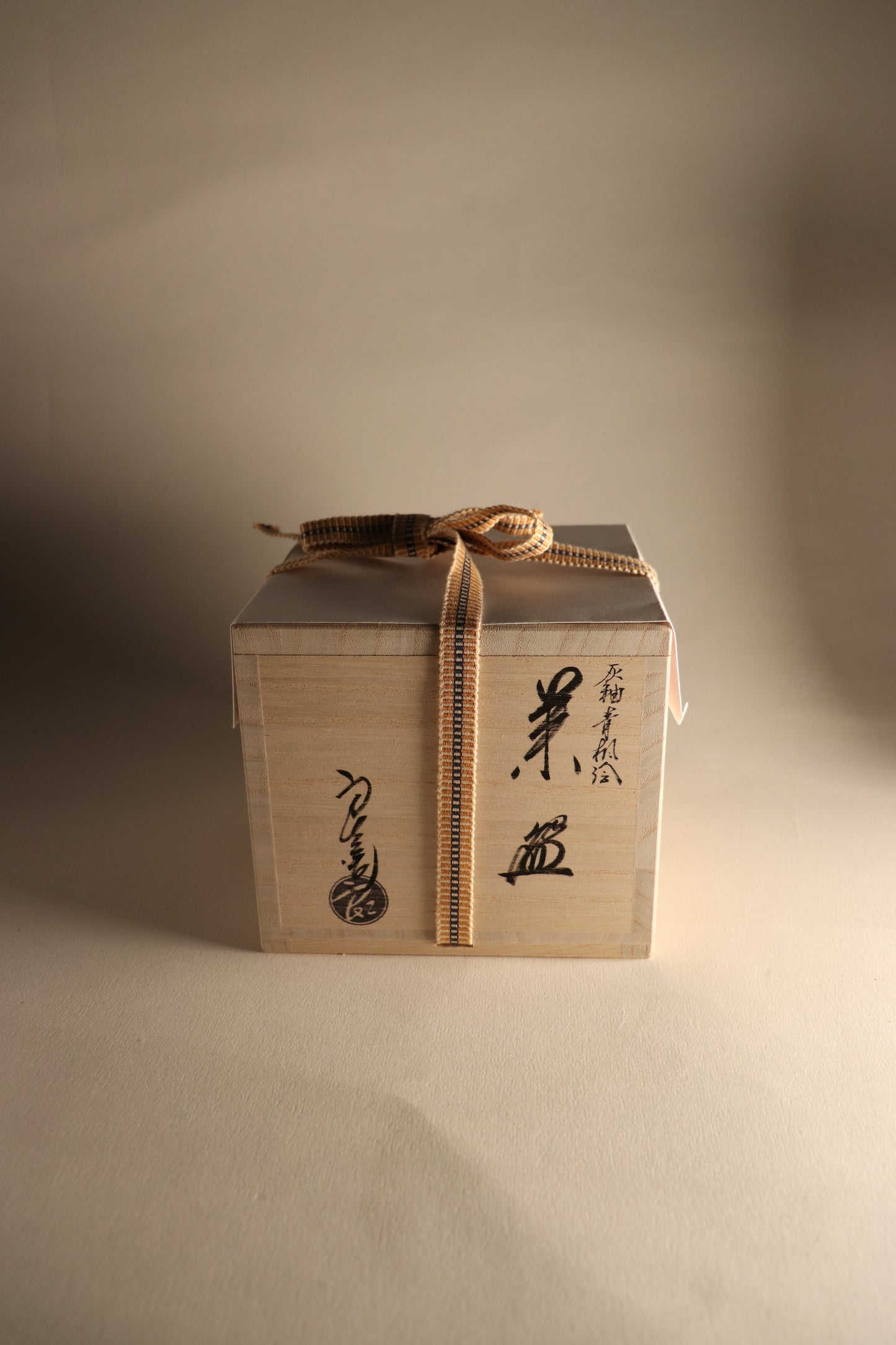
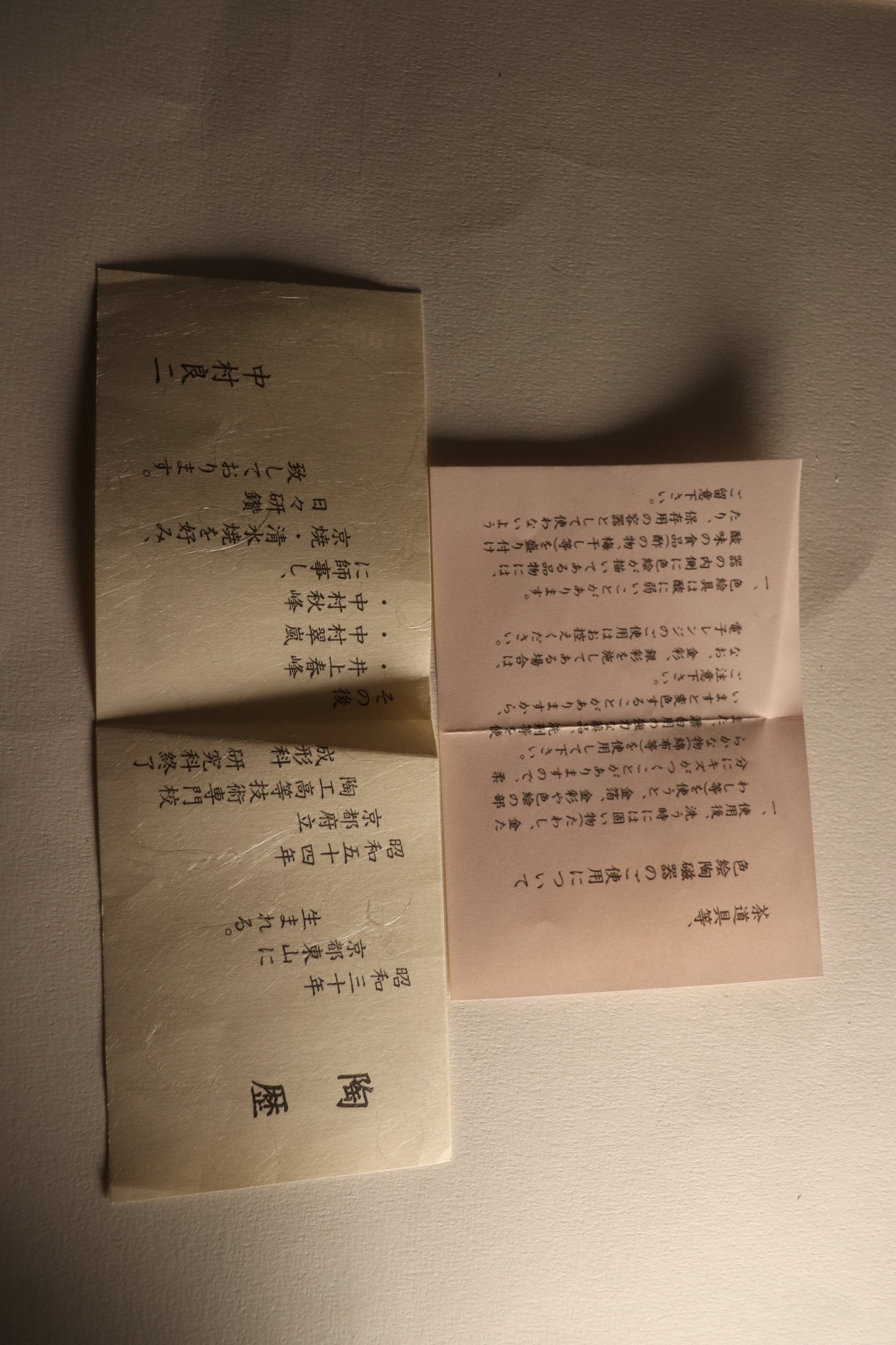
The bowl is signed by Nakamura Ryōji (born in 1955), a Kyoto potter from a renowned family of Kiyomizu-yaki master ceramicists. The younger brother of the celebrated Nakamura Shūhō, he studied at the Kyoto Higher School of Ceramics (Kyoto-fu Tōkō Senmon Gakkō), specializing in modeling and research, before training under three eminent masters: Inoue Shunhō, Nakamura Suiran, and Nakamura Shūhō. His work, while respecting the decorative traditions of Kyō-yaki, is distinguished by a poetic sensibility and a refined sense of color.
On this bowl, the delicately painted maple leaves seem to tremble in an unseen breeze, evoking the May breeze slipping through the branches. The composition expresses the lightness and purity of this fleeting season, where nature breathes in perfect balance between freshness and light.
Thus, this bowl embodies both the refinement of Kiyomizu-yaki and the lyrical sensibility specific to Kyoto, where every tea object becomes a discreet tribute to the fleeting beauty of the natural world.
Matcha Bowl — Green Maple (Aofu) Motif
Nakamura Ryōji — Kiyomizu-yaki, Kyoto
This matcha bowl captures the refreshing spirit of early summer through its green maple motif (aofu or ao kaede), painted in gentle, luminous shades. In Japanese tradition, the green maple symbolizes youth, renewal, and the vibrant energy of nature as its tender leaves turn a vivid green before the reds of autumn appear. This season is known as aofu no koro, literally “the time of green leaves,” a poetic expression marking May and the fragrant early-summer breeze (kunpū) that carries the scent of fresh foliage.
The bowl was crafted by Nakamura Ryōji (born 1955), a Kyoto potter from a distinguished family of Kiyomizu-yaki artisans. The younger brother of the renowned Nakamura Shūhō, he studied at the Kyoto Prefectural Ceramic Technical Institute, completing both the modeling and research programs. He then apprenticed under three masters — Inoue Shunhō, Nakamura Suiran, and his brother Nakamura Shūhō — refining his art within the classical Kyoto ceramic tradition. His works are known for their poetic sensibility and delicate mastery of color.
On this bowl, the graceful green maple leaves seem to sway lightly in an unseen breeze, evoking the gentle winds of May that glide through the treetops. The composition conveys the serenity and brightness of this fleeting moment when the season balances between freshness and warmth.
Through this harmony of form, color, and airiness, the bowl reflects the refined elegance of Kiyomizu-yaki and the lyrical sensitivity of Kyoto aesthetics, where each tea utensil becomes a quiet celebration of nature’s transient beauty.