

Jugetsudo
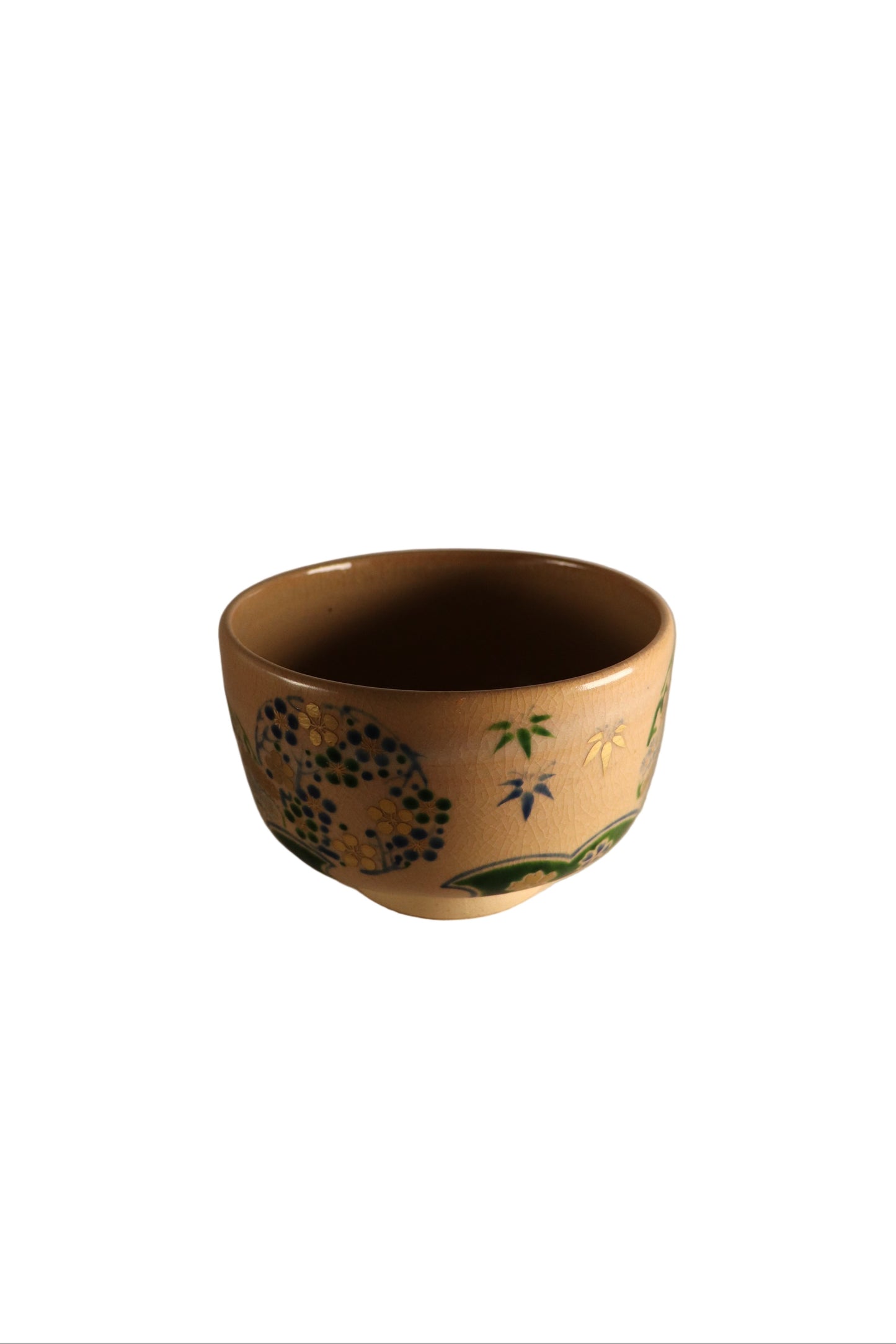
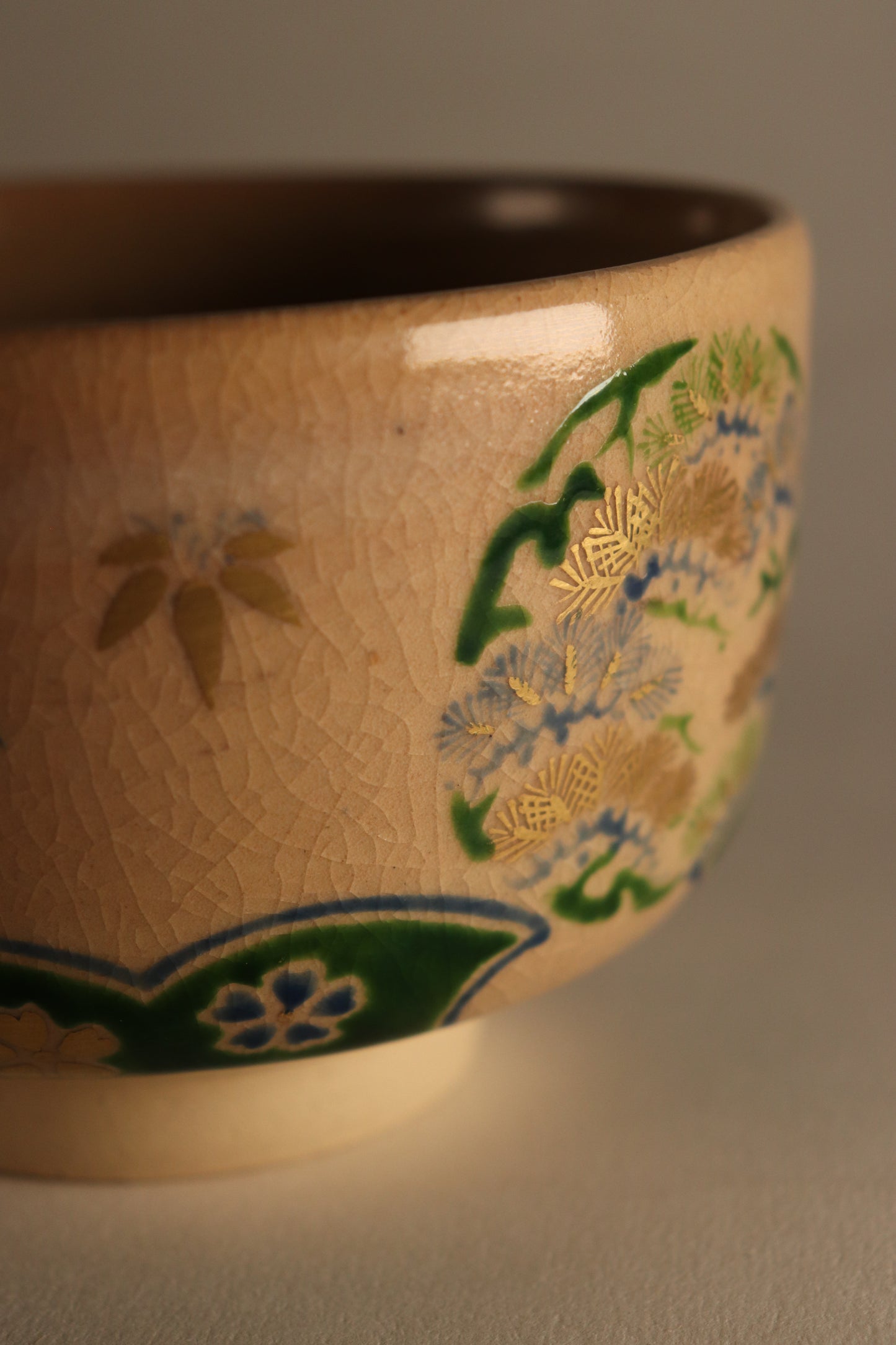
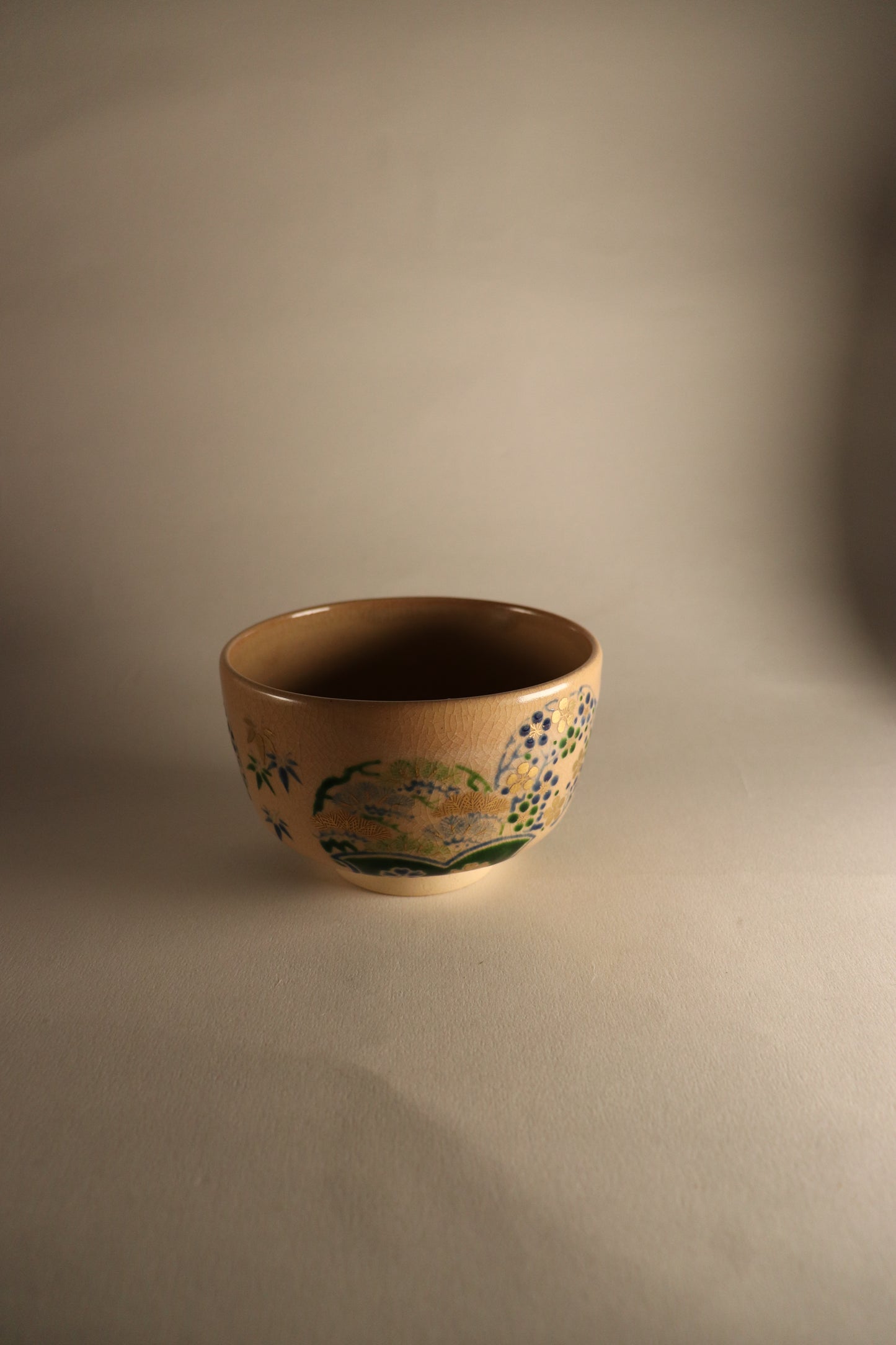
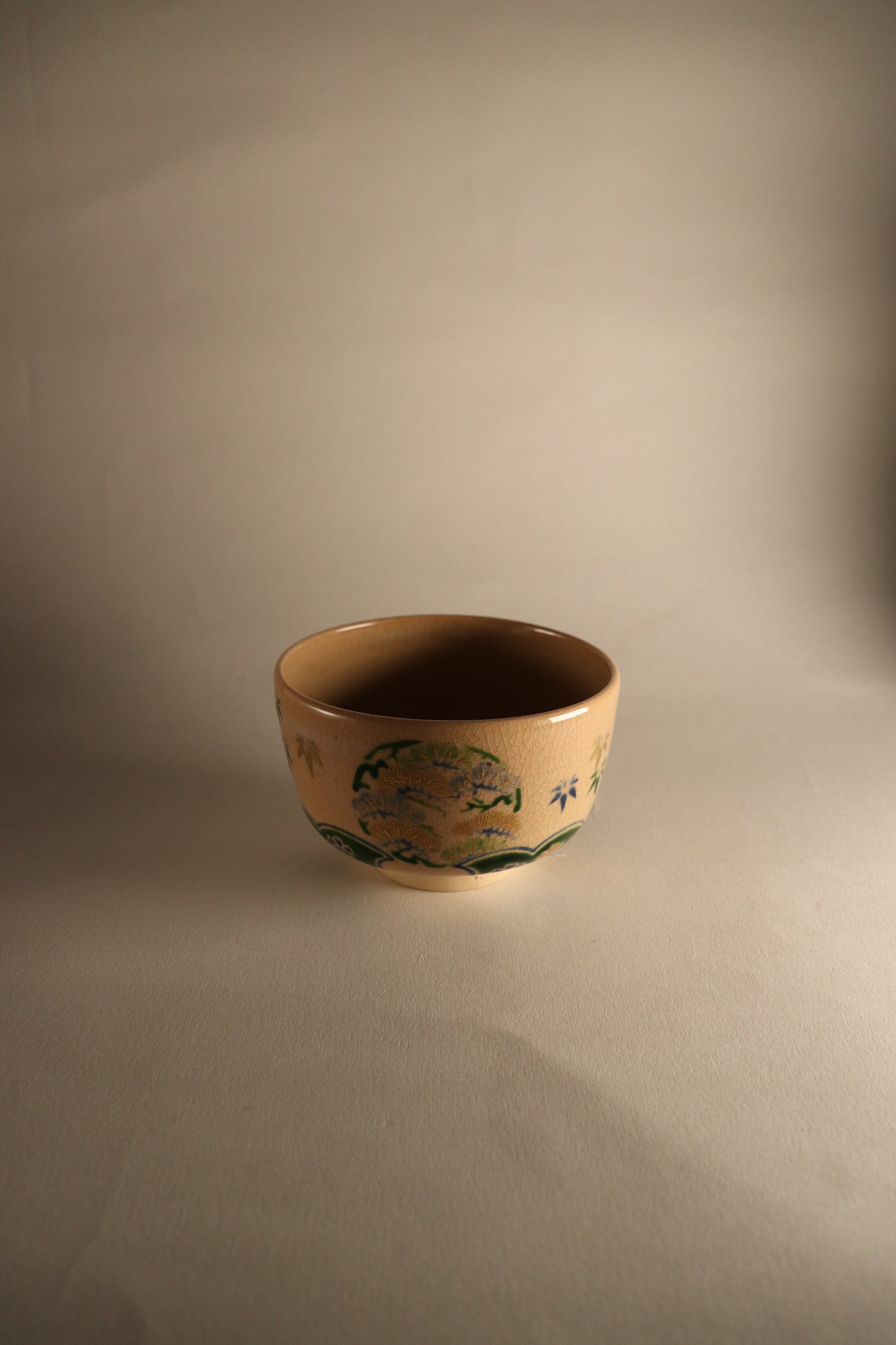
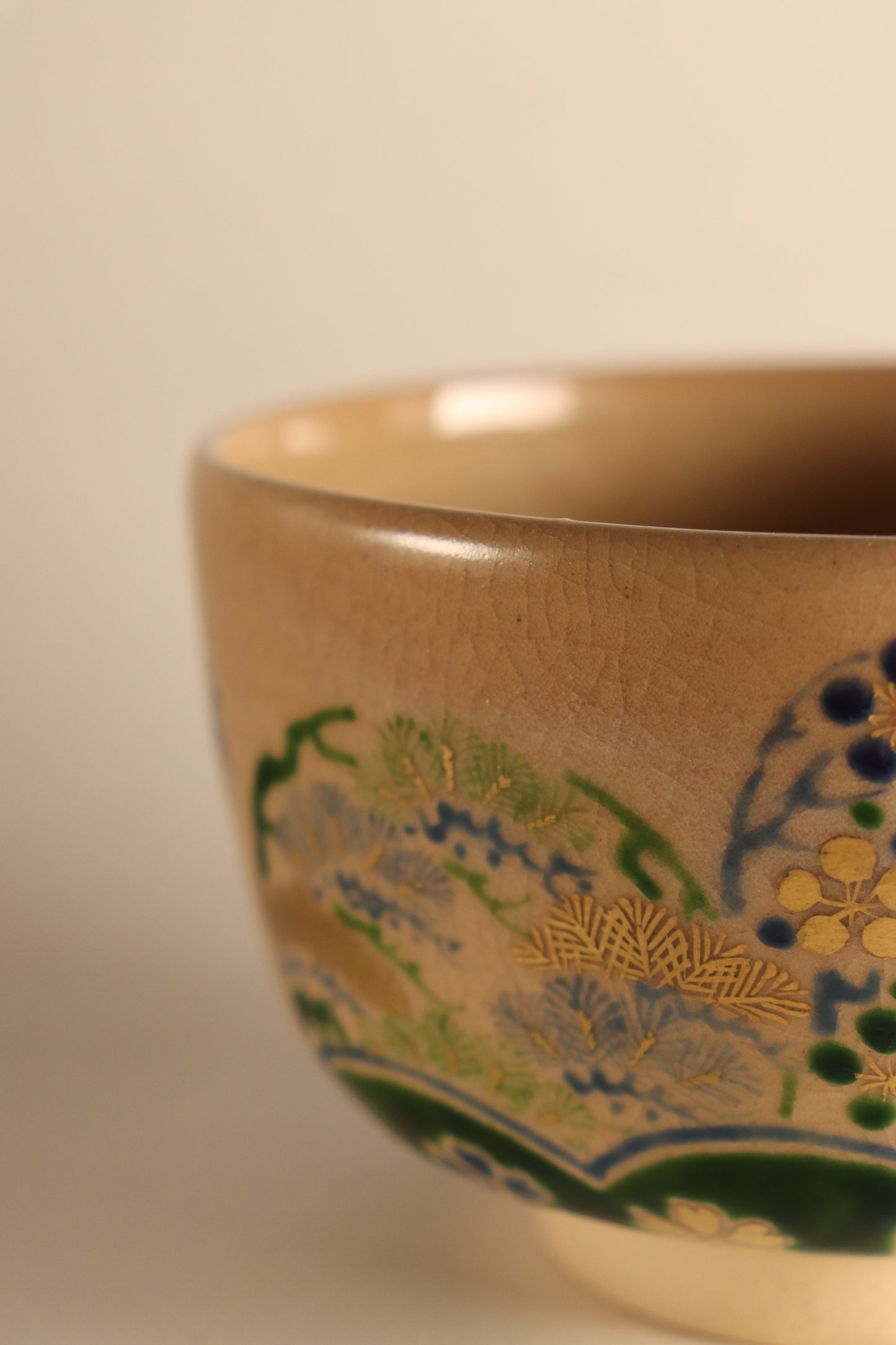
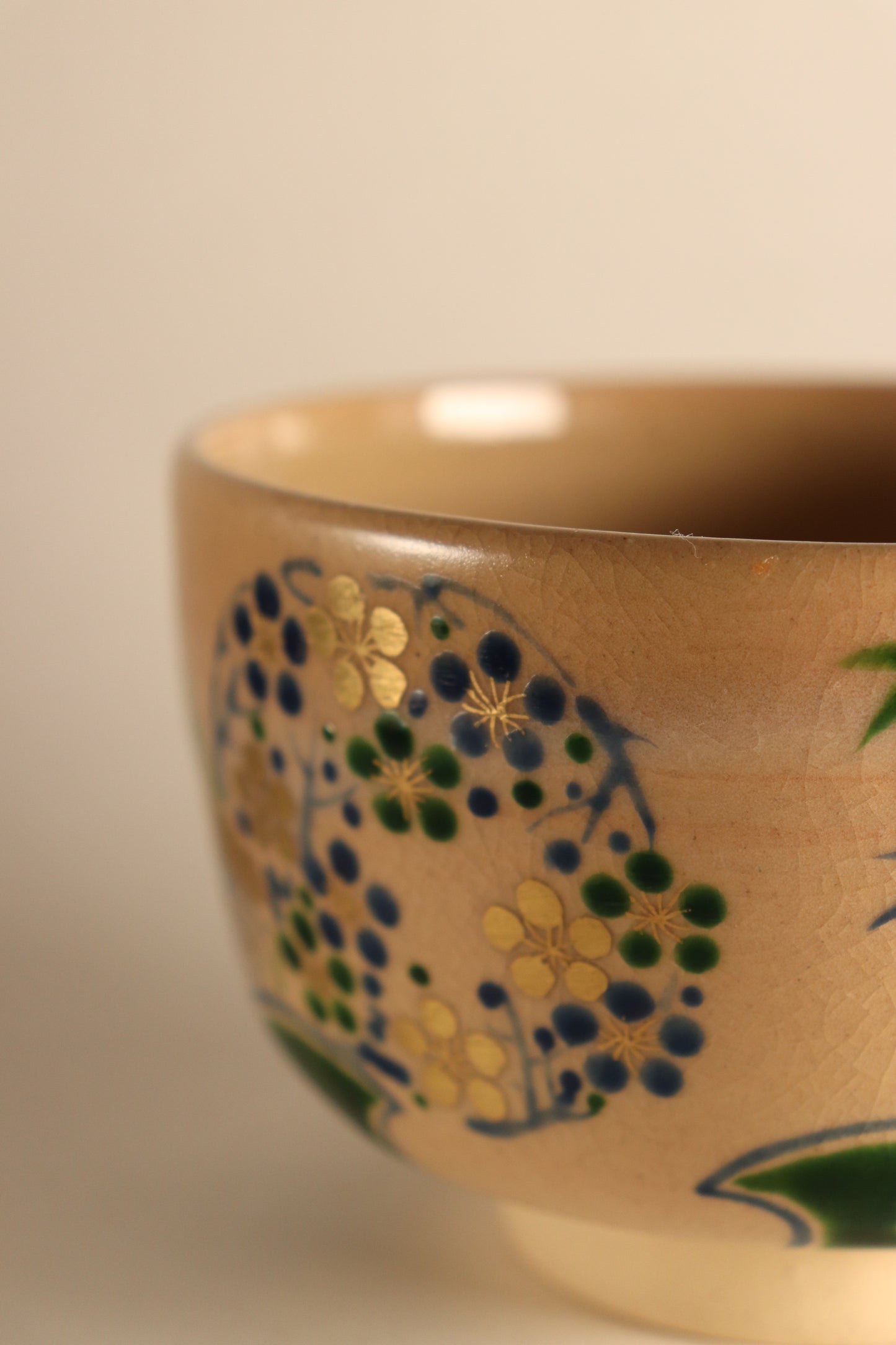
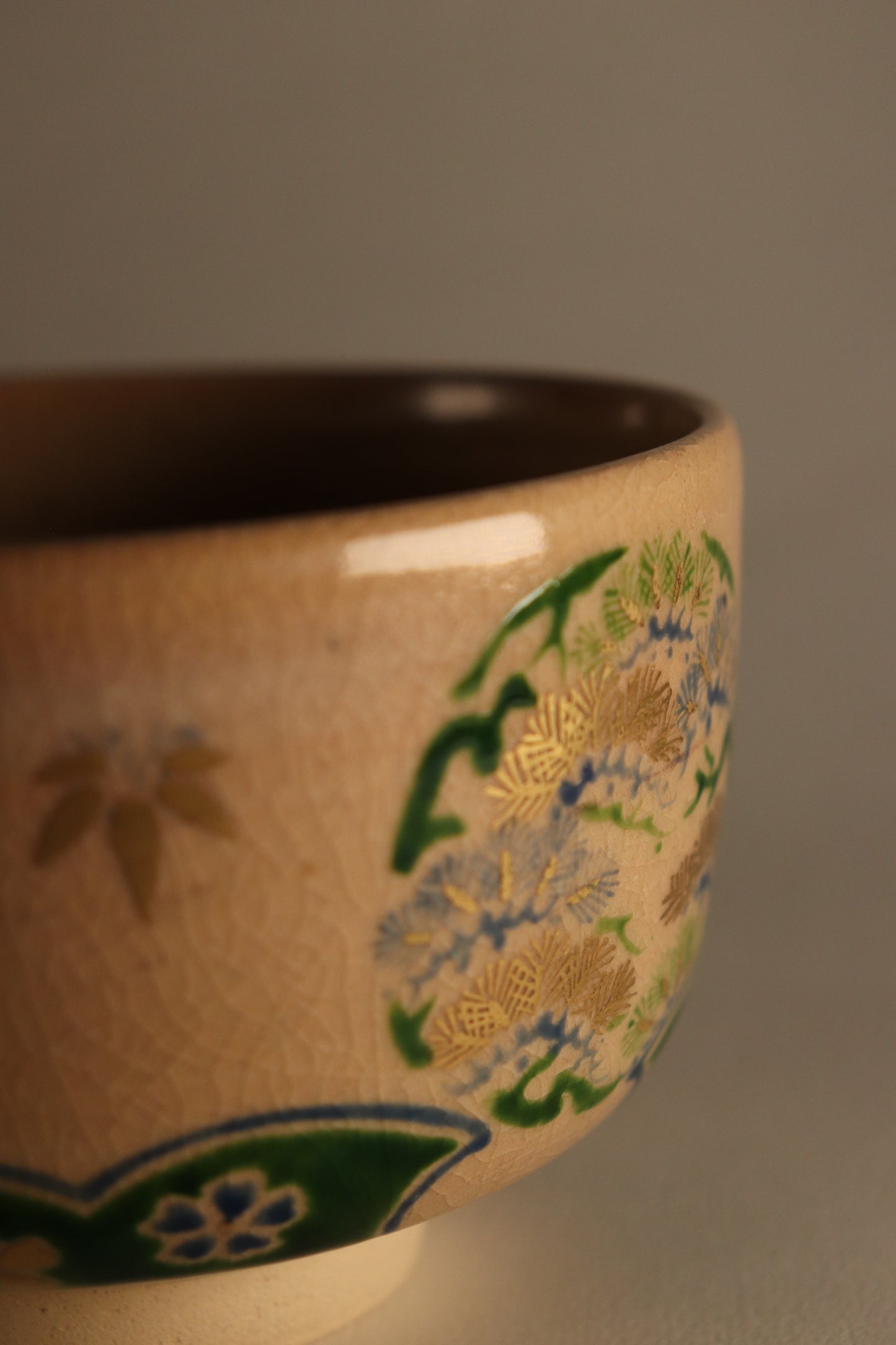
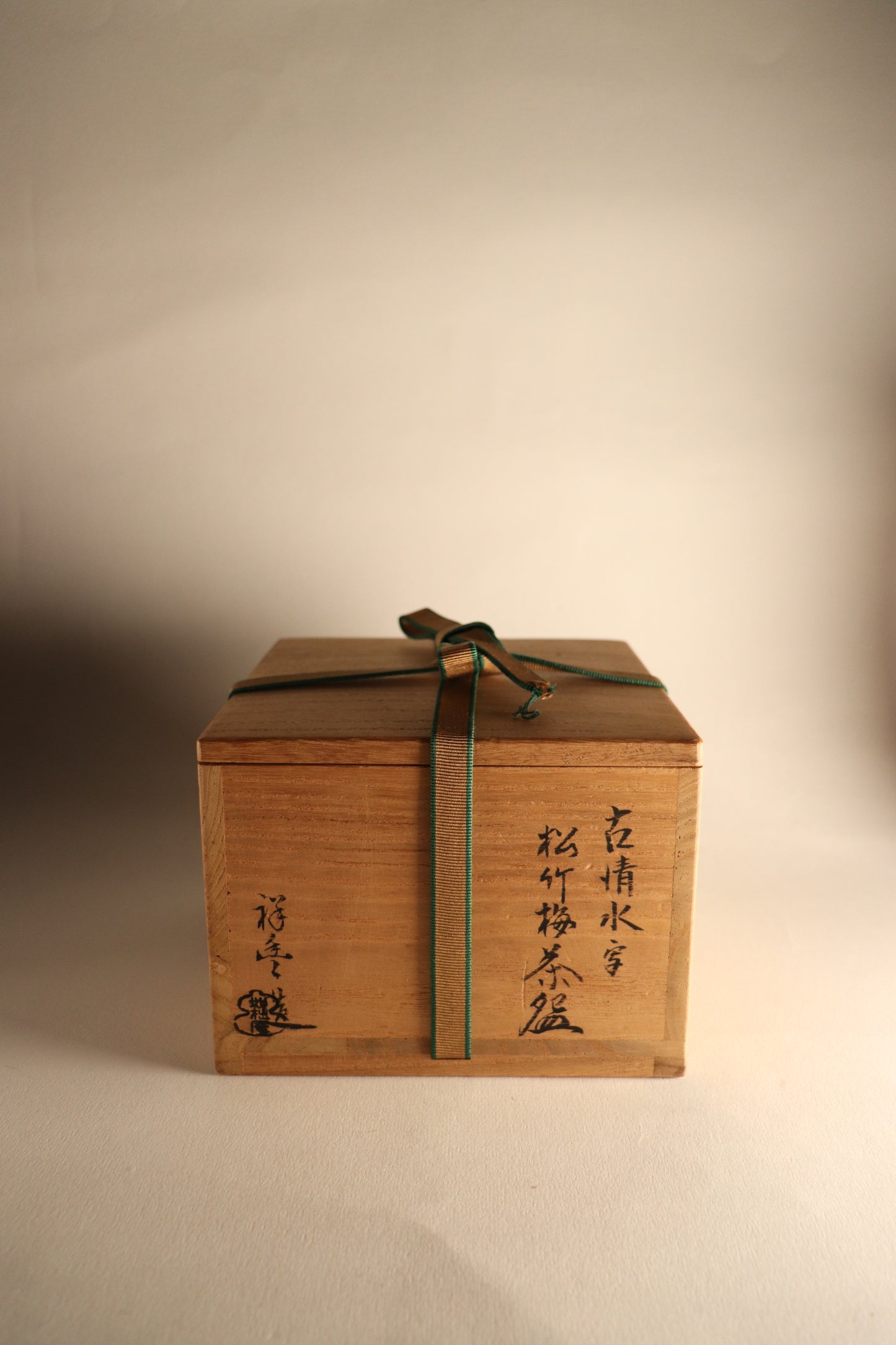
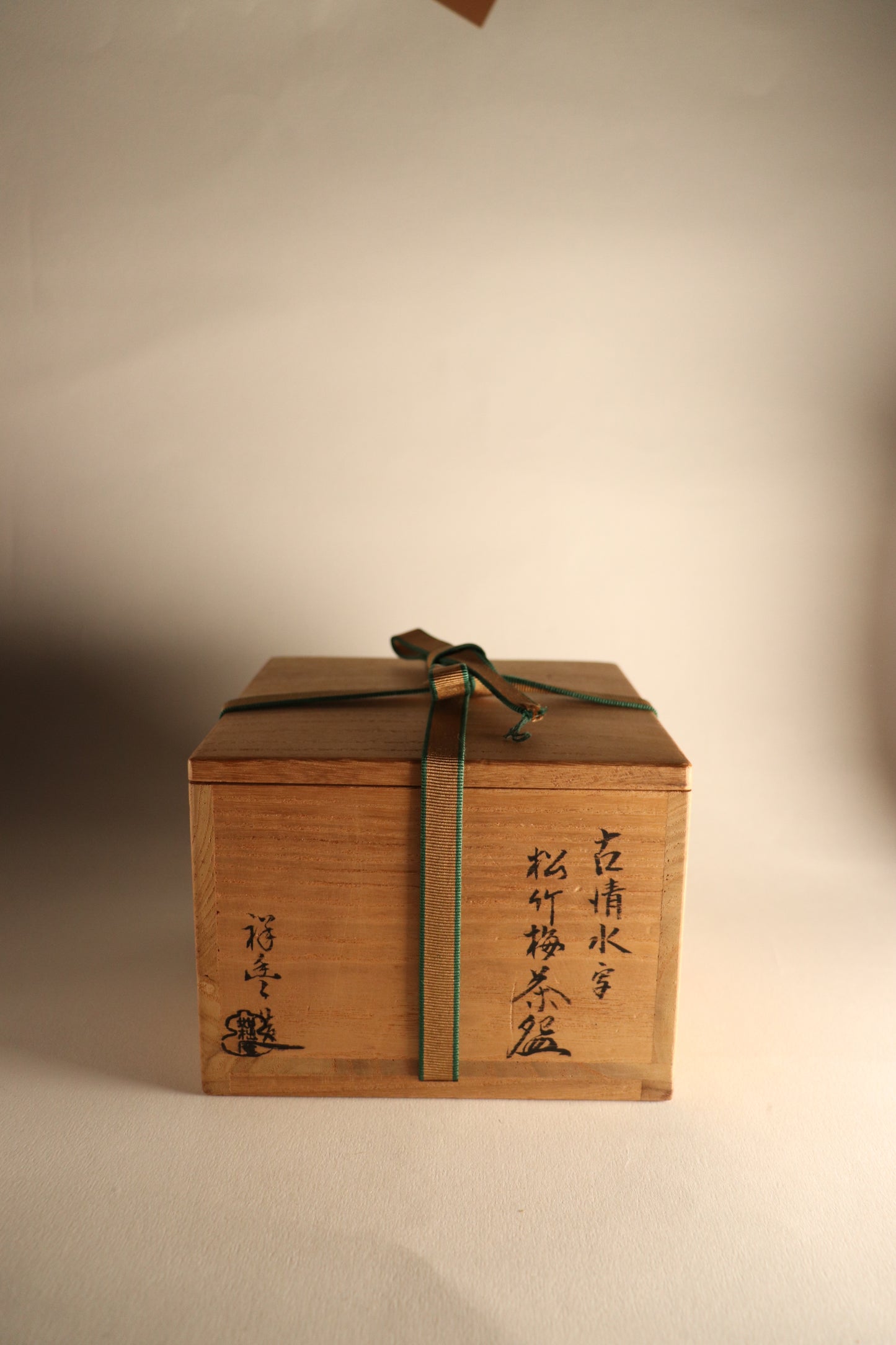
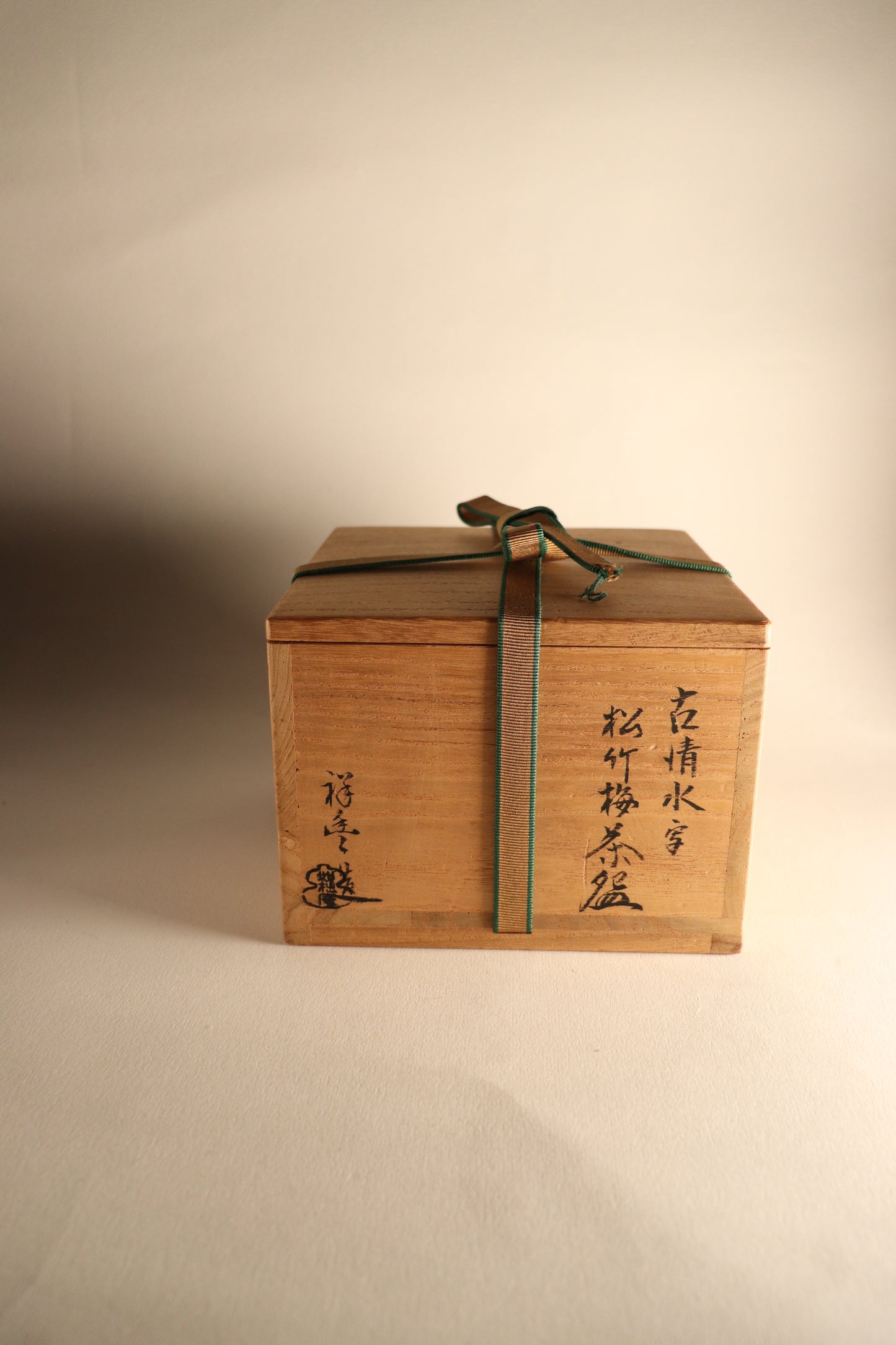
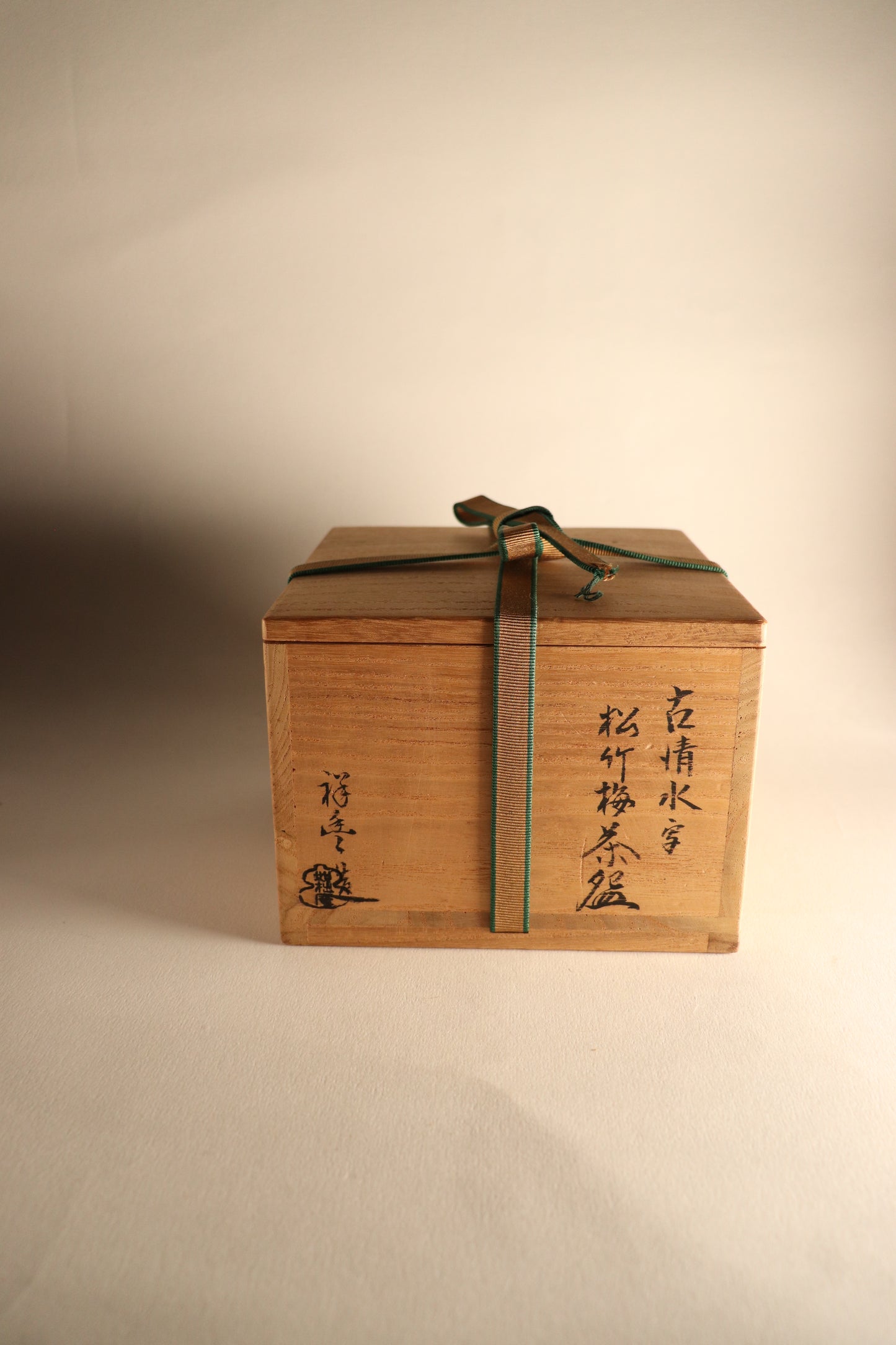
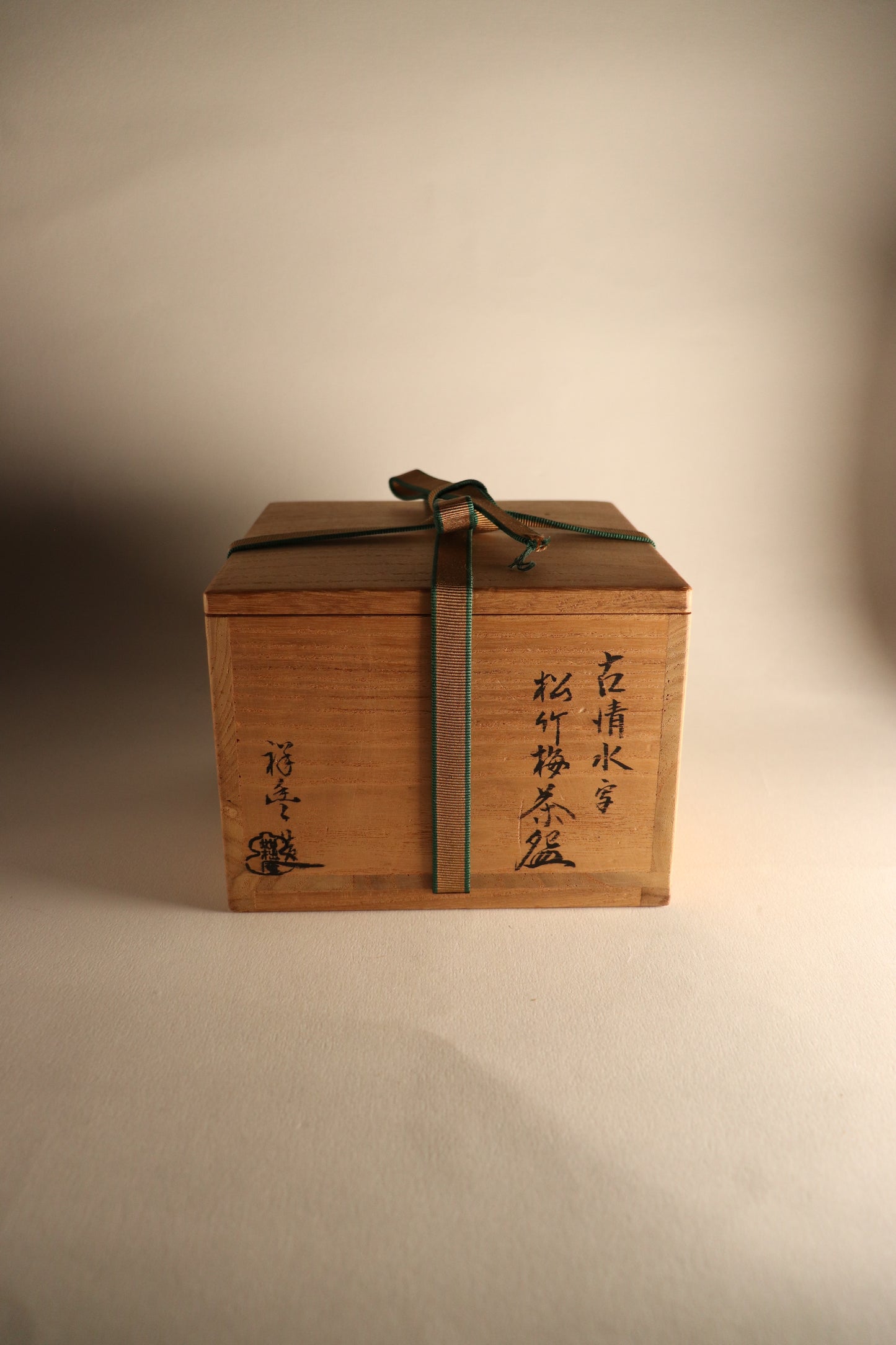
Bol à matcha Kyoto Syoho Suda "Kokiyomizu utsushi Shochikubai"
Bol à matcha Kyoto Syoho Suda "Kokiyomizu utsushi Shochikubai"
Couldn't load pickup availability
Please note, this item is a unique piece.
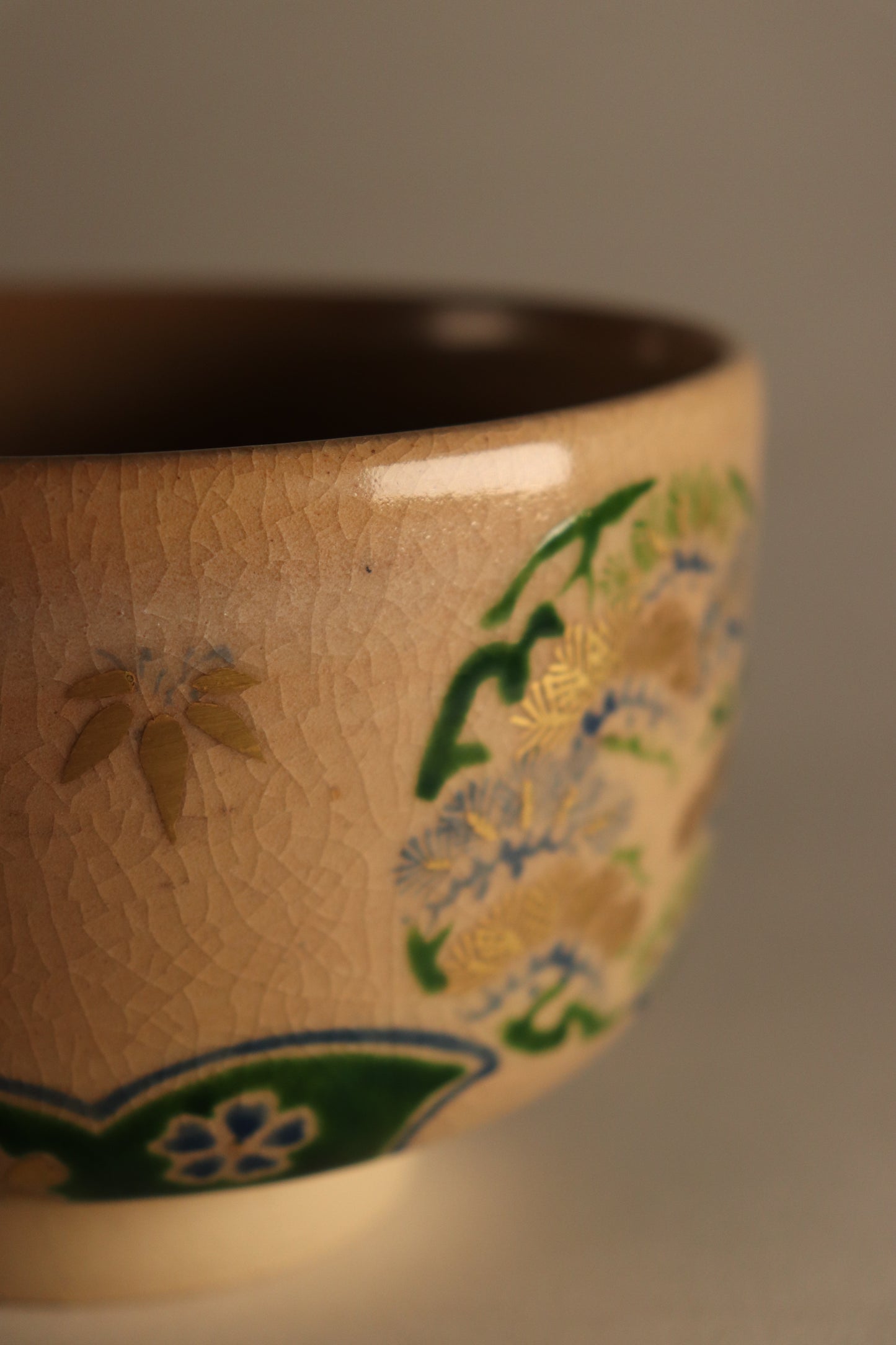
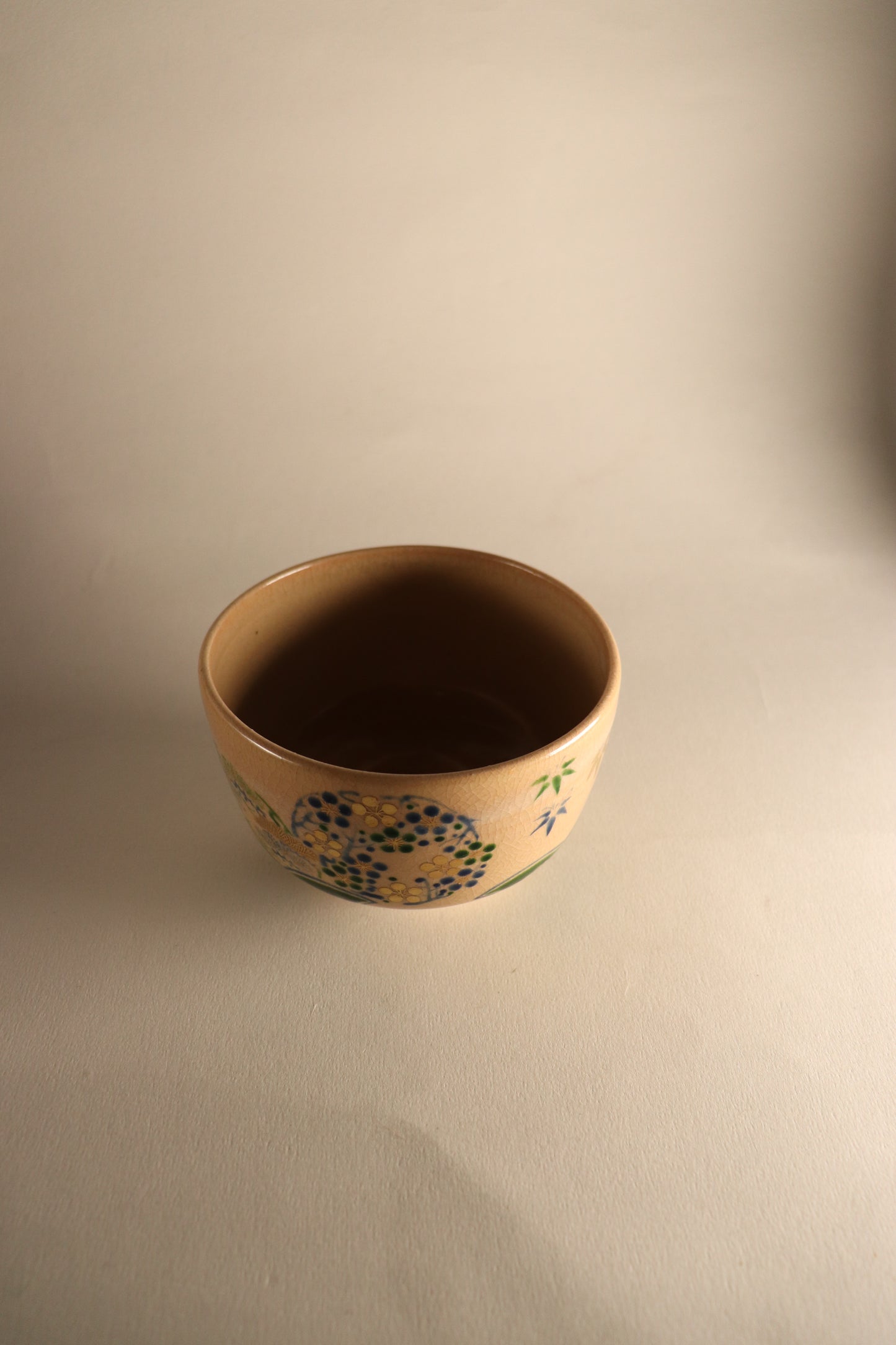
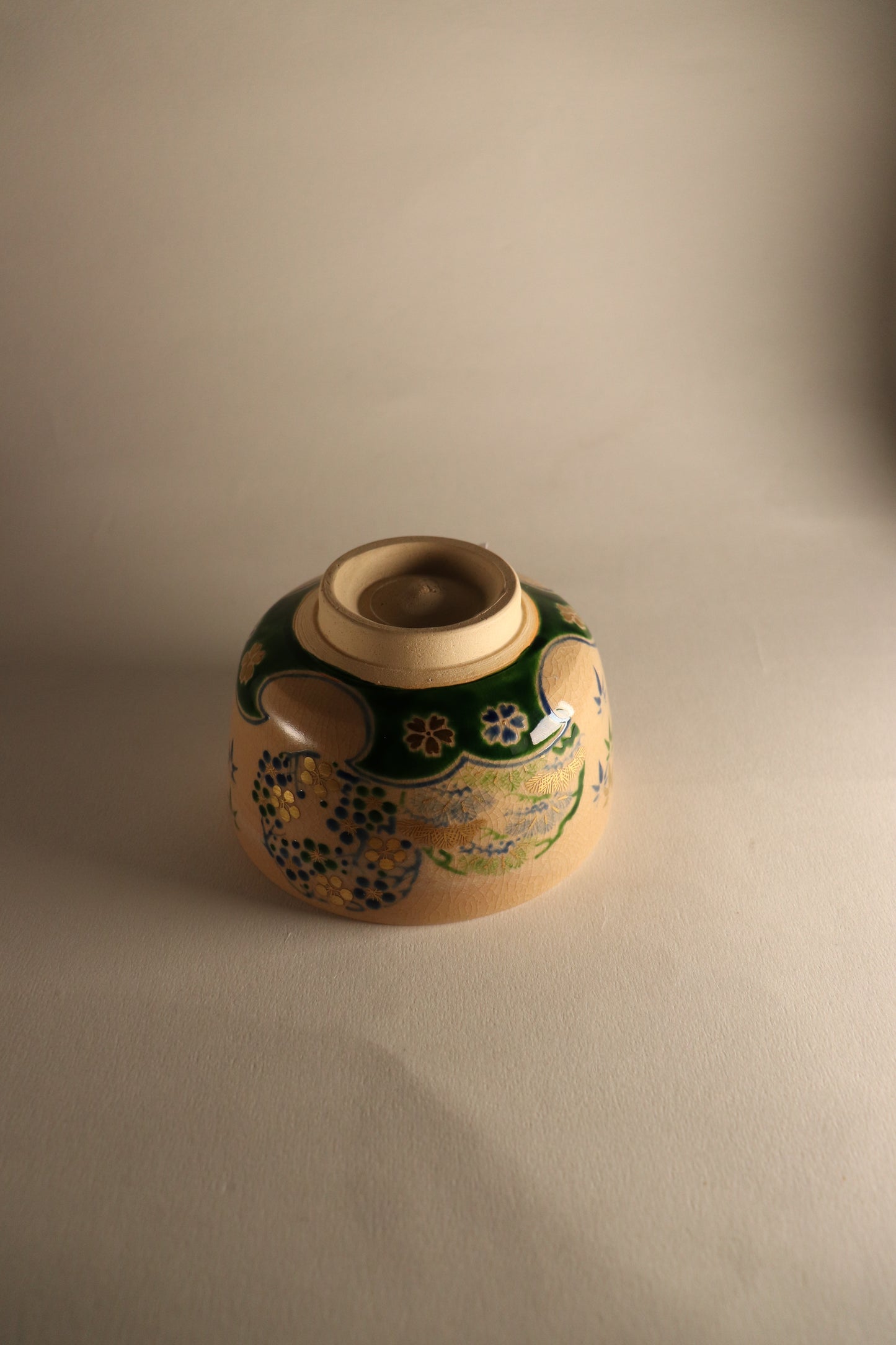
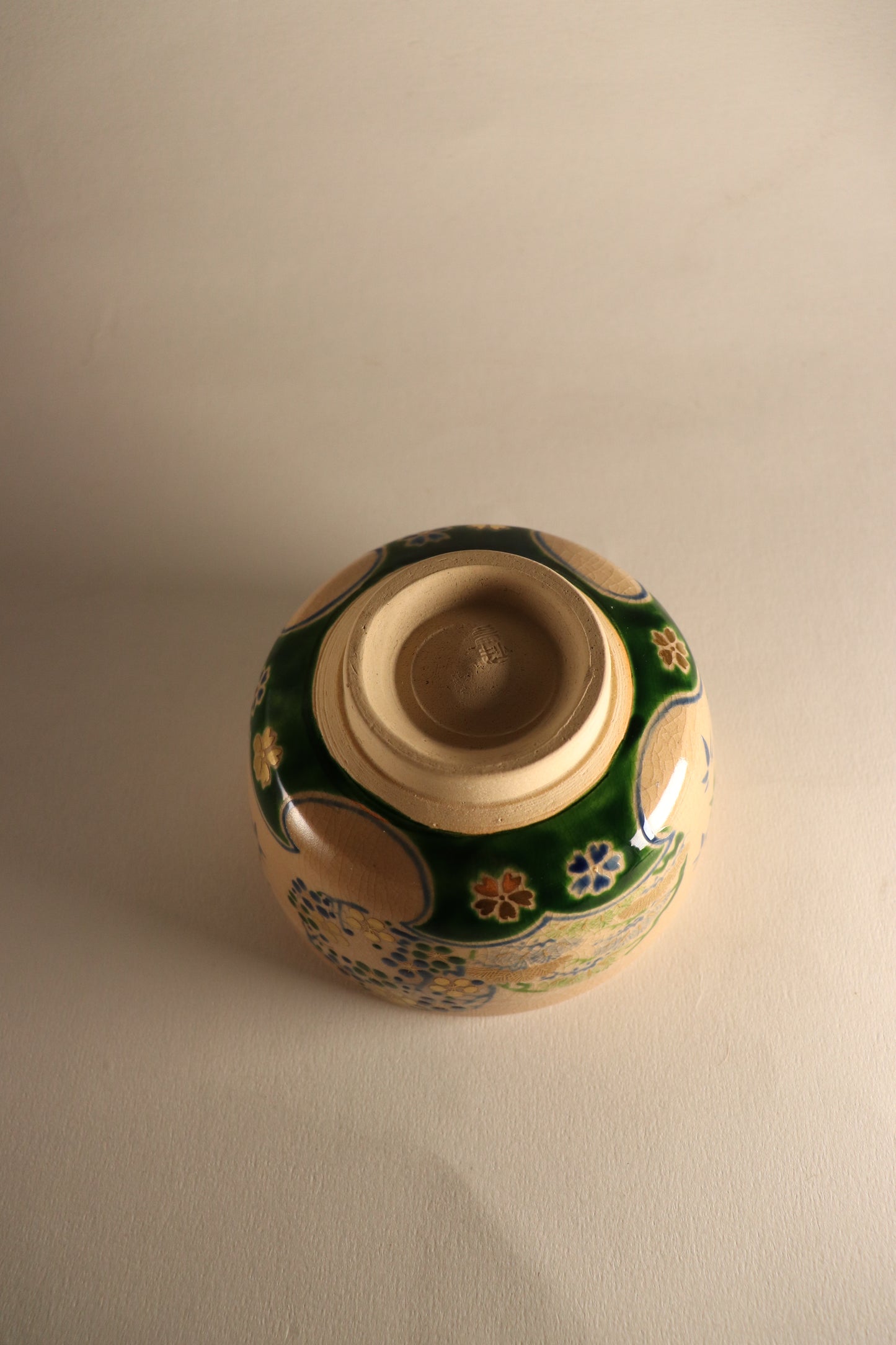
This bowl matchaAdorned with the Shōchikubai motif—pine, bamboo, and plum blossom—it expresses wishes for longevity, righteousness, and renewal. In Japanese tradition, these three plants are auspicious symbols: the evergreen pine evokes constancy and longevity; the bamboo, which bends without breaking, represents quiet strength and resilience; and the plum blossom, whose flowers bloom in the snow, embodies the vitality and beauty that is reborn even in the heart of winter. Together, they form an image of harmony, celebrating perseverance and balance in the face of the world's seasons.
This motif, of Chinese origin, was known as the "Three Friends of Winter" (Gankan Sanyū), and was introduced to Japan where it became an emblem of happiness and prosperity, often associated with the New Year. It is frequently depicted in painting, lacquerware, and ceramics, particularly in pieces related to the tea ceremony.
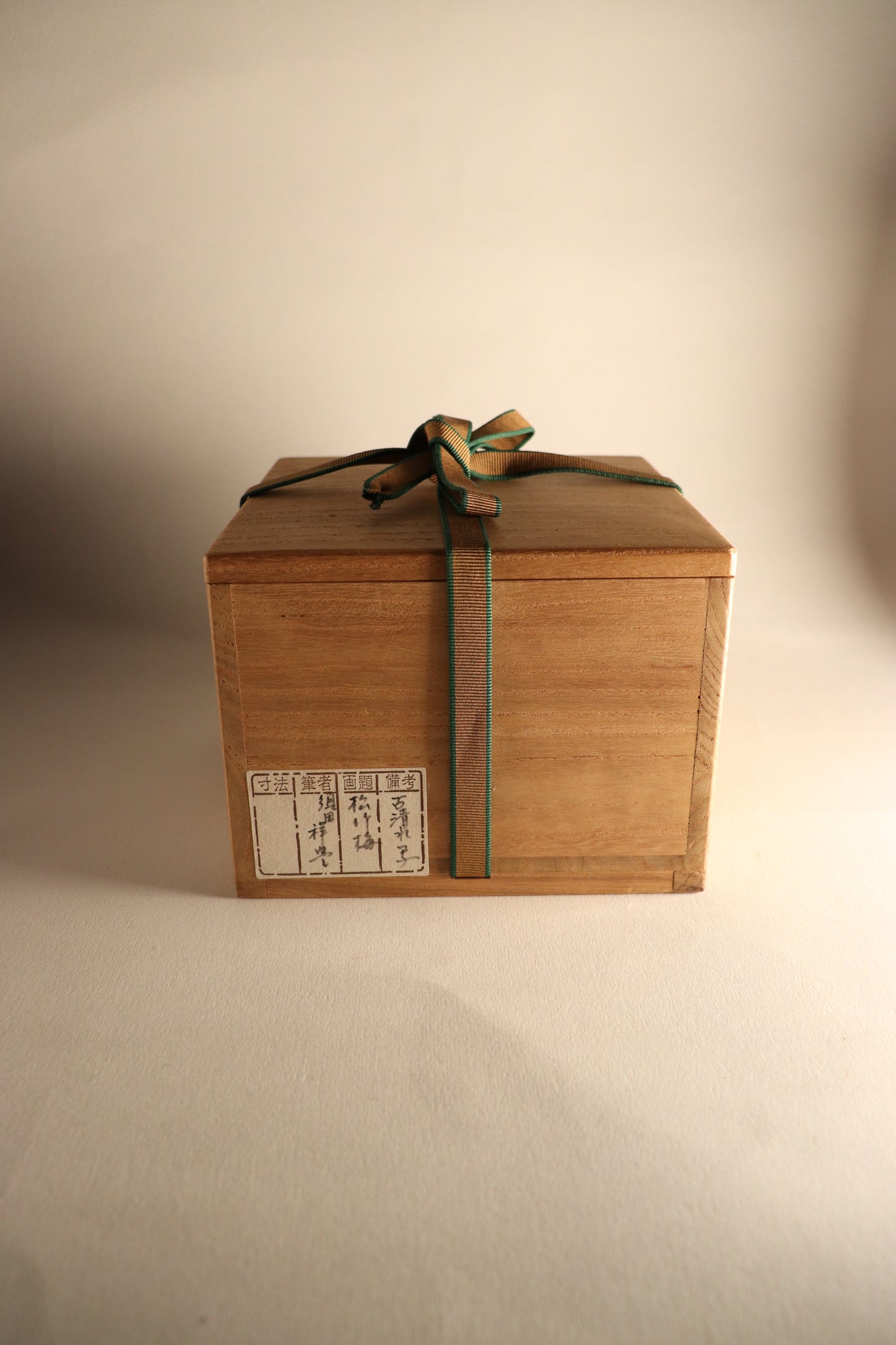
The maker of this bowl, Suda Shōhō (1885–1974), was a master potter born in Kyoto, renowned for the finesse and precision of his work. Heir to the Kyō-yaki tradition, he excelled in reproducing and interpreting ancient styles—Karatsu, Ido, Kōetsu, Shigaraki, Seto, and Annan—while maintaining his own identity, based on simplicity and practicality. A specialist in tea bowls, he prioritized above all the comfort of the grip and the balance of the bowl, qualities essential to the practice of chanoyu (tea bowl).
Recognized by Tantansai Sōshō, the fourteenth grand master of the Urasenke school, who bestowed upon him the artist name Shōhō in 1925, he was also honored with the title Jossoku-an by the abbot of Daitoku-ji Temple. His creations, imbued with gentleness and restraint, continue to embody the spirit of tea: a humble, balanced, and profoundly vibrant beauty.
Matcha Bowl with Pine, Bamboo, and Plum Motif (Shōchikubai)
Suda Shōhō — Kyoto
This matcha bowl is decorated with the classic Shōchikubai motif — pine, bamboo, and plum blossom — a triad symbolizing longevity, integrity, and renewal. In Japanese tradition, these three plants are auspicious emblems: the pine stands for endurance and vitality, the bamboo for resilience and upright character, and the plum for life and beauty that bloom even in adversity. Together, they express harmony and perseverance through the changing seasons.
Originally known in China as the “Three Friends of Winter,” this motif was adopted in Japan as a poetic symbol of prosperity and good fortune, often featured in artworks associated with the New Year and the tea ceremony.
The bowl was crafted by Suda Shōhō (1885–1974), a Kyoto-born potter renowned for his mastery of Kyō-yaki and his wide-ranging reinterpretations of classical ceramic traditions — from Karatsu and Ido to Kōetsu and Shigaraki. A specialist in tea utensils, Shōhō paid meticulous attention to balance, proportion, and tactile comfort, ensuring that each piece was not only beautiful but also perfectly suited to use in chanoyu.
In 1925, he was granted the artist name Shōhō by Tantansai Sōshō, 14th Grand Master of the Urasenke tea school, and received the honorary title Jossoku-an from the head priest of Daitoku-ji. His works remain admired for their quiet elegance and functional grace — a true reflection of the tea spirit: humility, balance, and living beauty.