

Jugetsudo
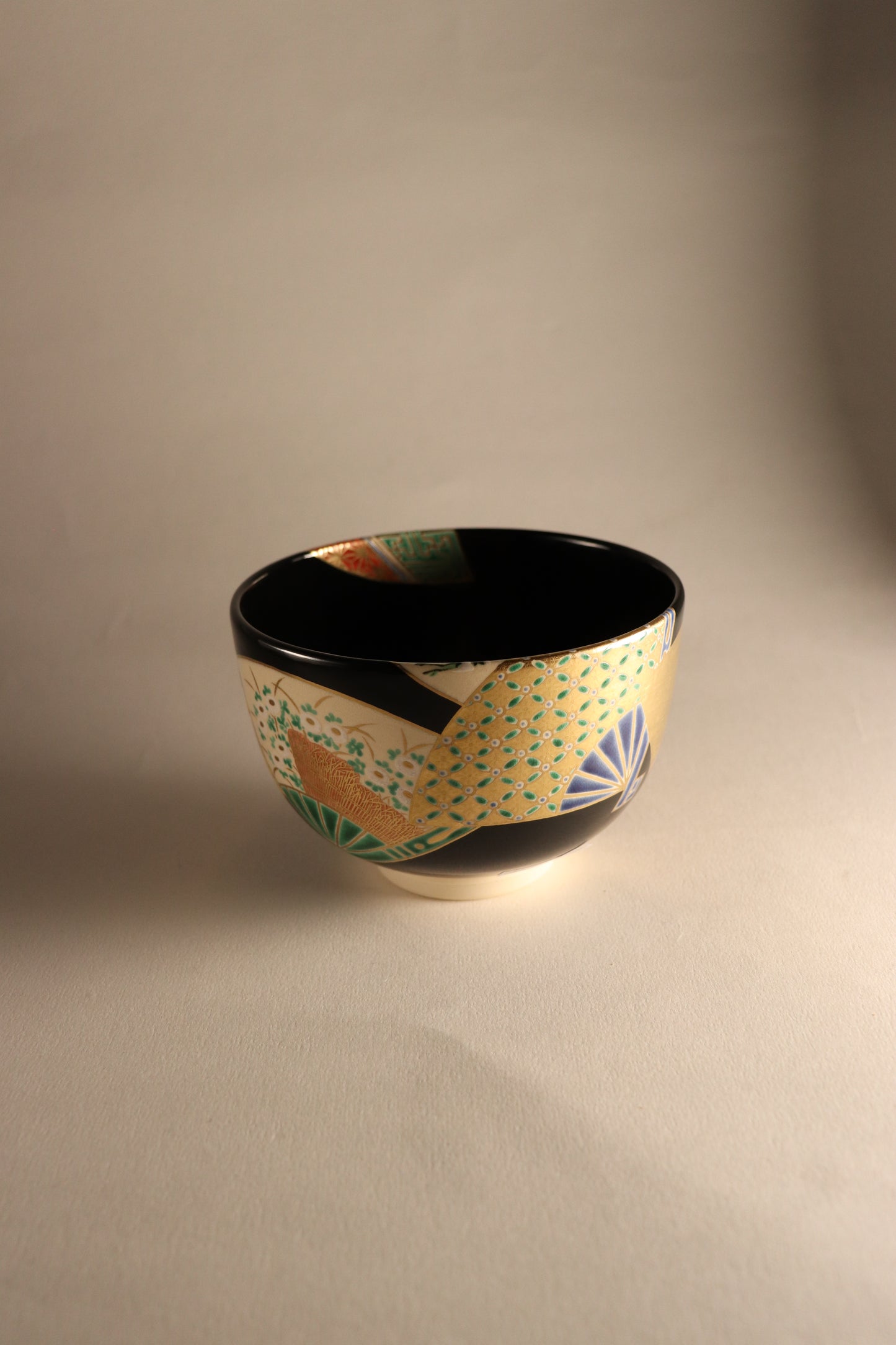
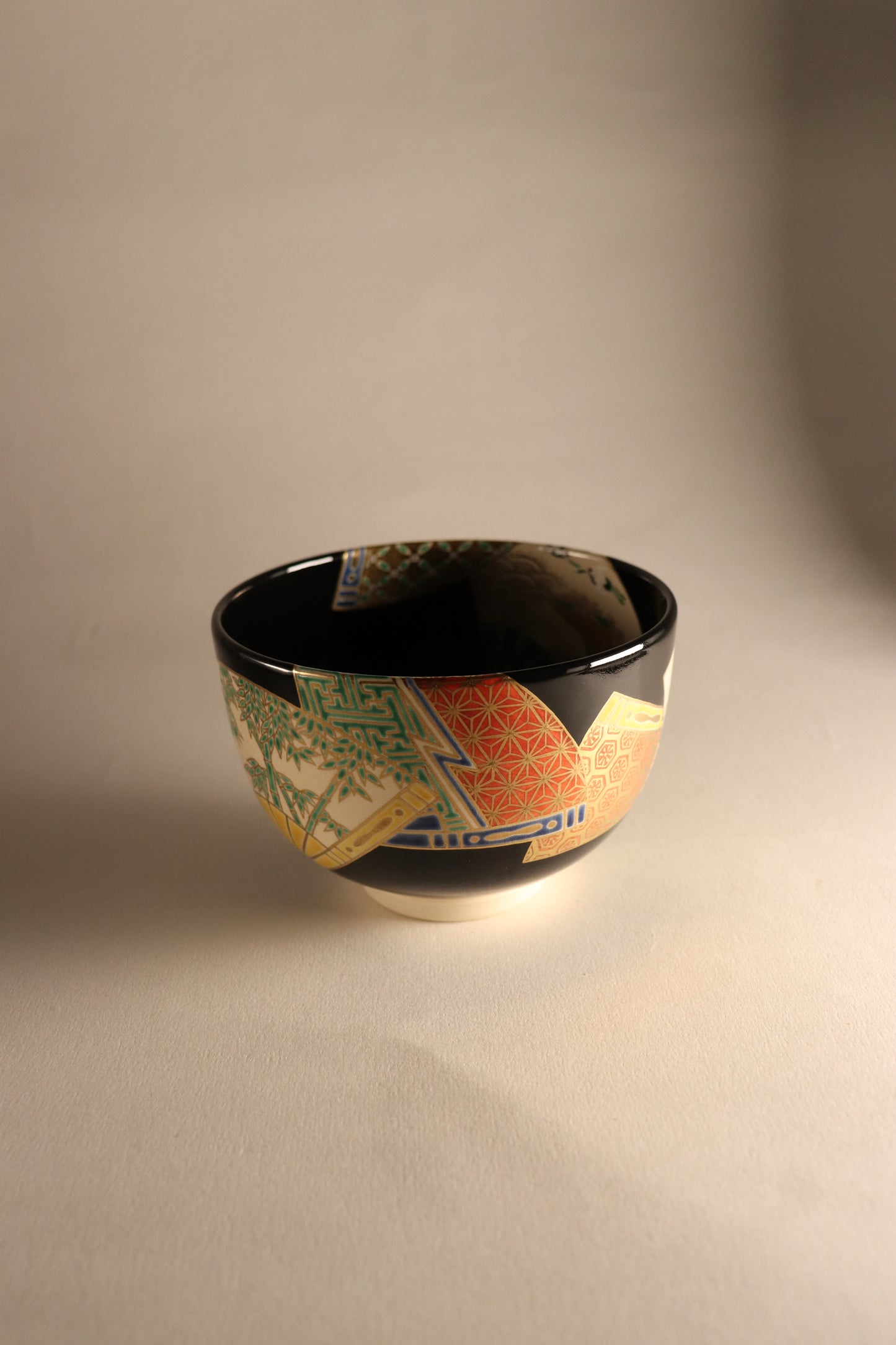
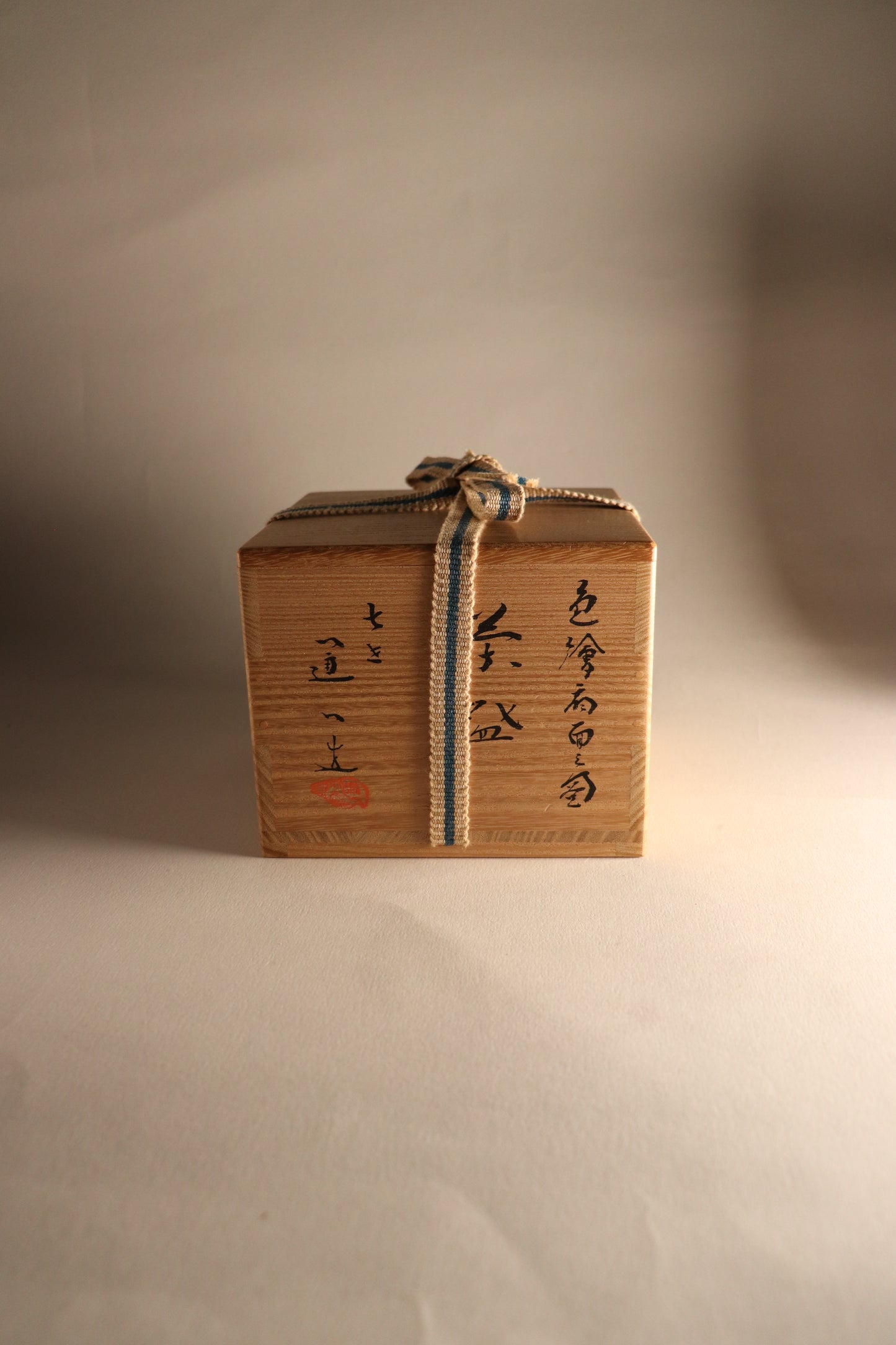
Bol à matcha Kyoto Takahashi Dohachi 7e "Iroe Senmen"
Bol à matcha Kyoto Takahashi Dohachi 7e "Iroe Senmen"
Couldn't load pickup availability
Please note, this item is a unique piece.
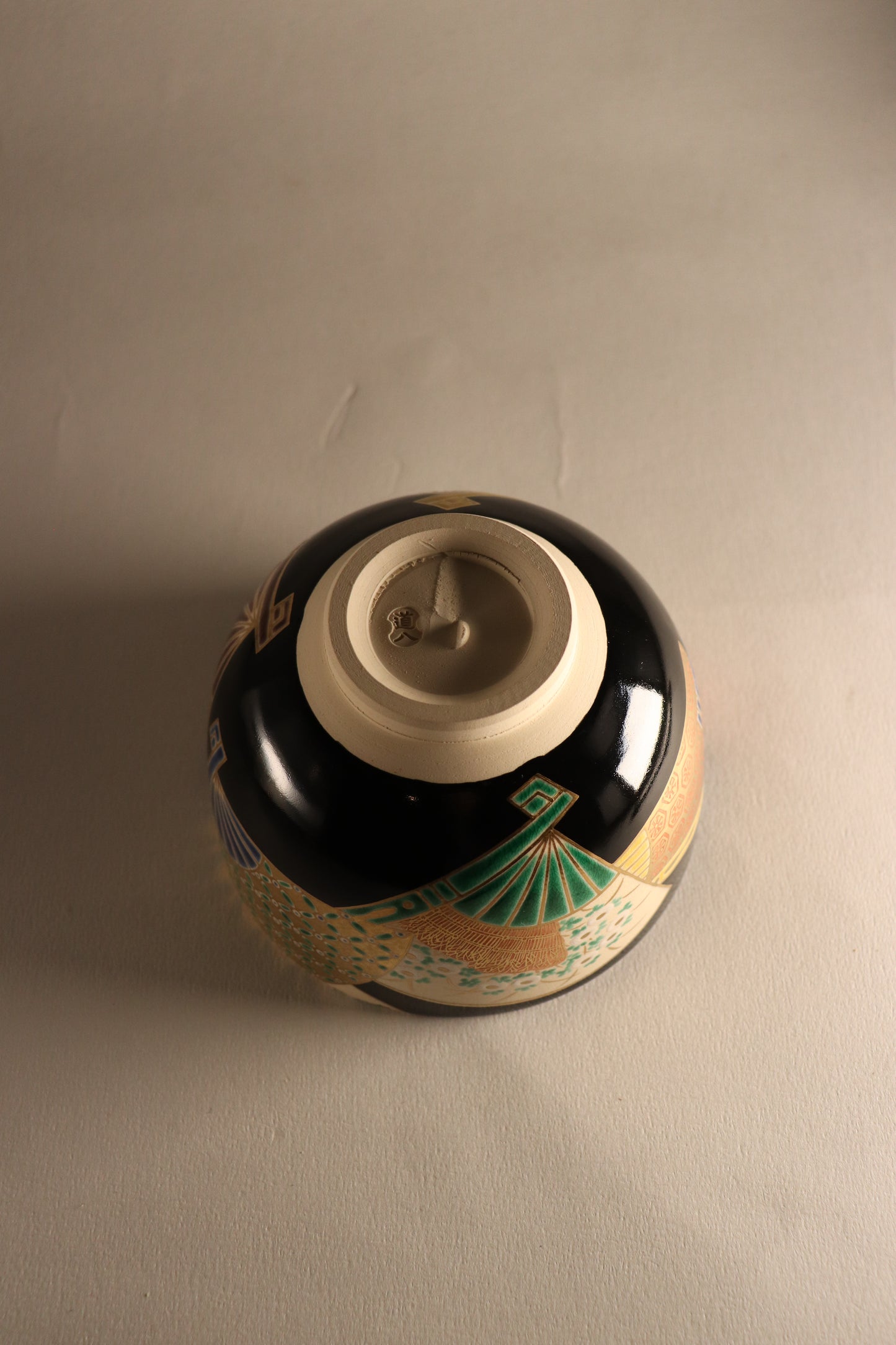
This bowl matcha This piece is a work by the seventh Takahashi Dōhachi (1910–1983), from a prestigious lineage of Kyō-yaki (Kiyomizu-yaki) master potters. The Dōhachi name, passed down through generations since the Edo period, is inextricably linked to the history of Kyoto ceramics. Among them, the second Dōhachi, Ninna Dōhachi, was one of the leading figures of the Kyō-yaki golden age, alongside Aoki Mokubei and Eiraku Hōzen, helping to establish the refinement and diversity that still characterize the ceramic tradition of the imperial capital today.
The seventh Dōhachi, his real name KoichiHe perpetuated this tradition while infusing it with a modern sensibility. Heir to a know-how passed down through centuries, he mastered both imitations of Korean (Kōrai chawan) and Chinese ceramics, as well as pieces inspired by European, particularly Dutch, styles. However, his most admired creations remain his interpretations of the classic styles of Ninsei and Kenzan, pioneers of Kyō-yaki.
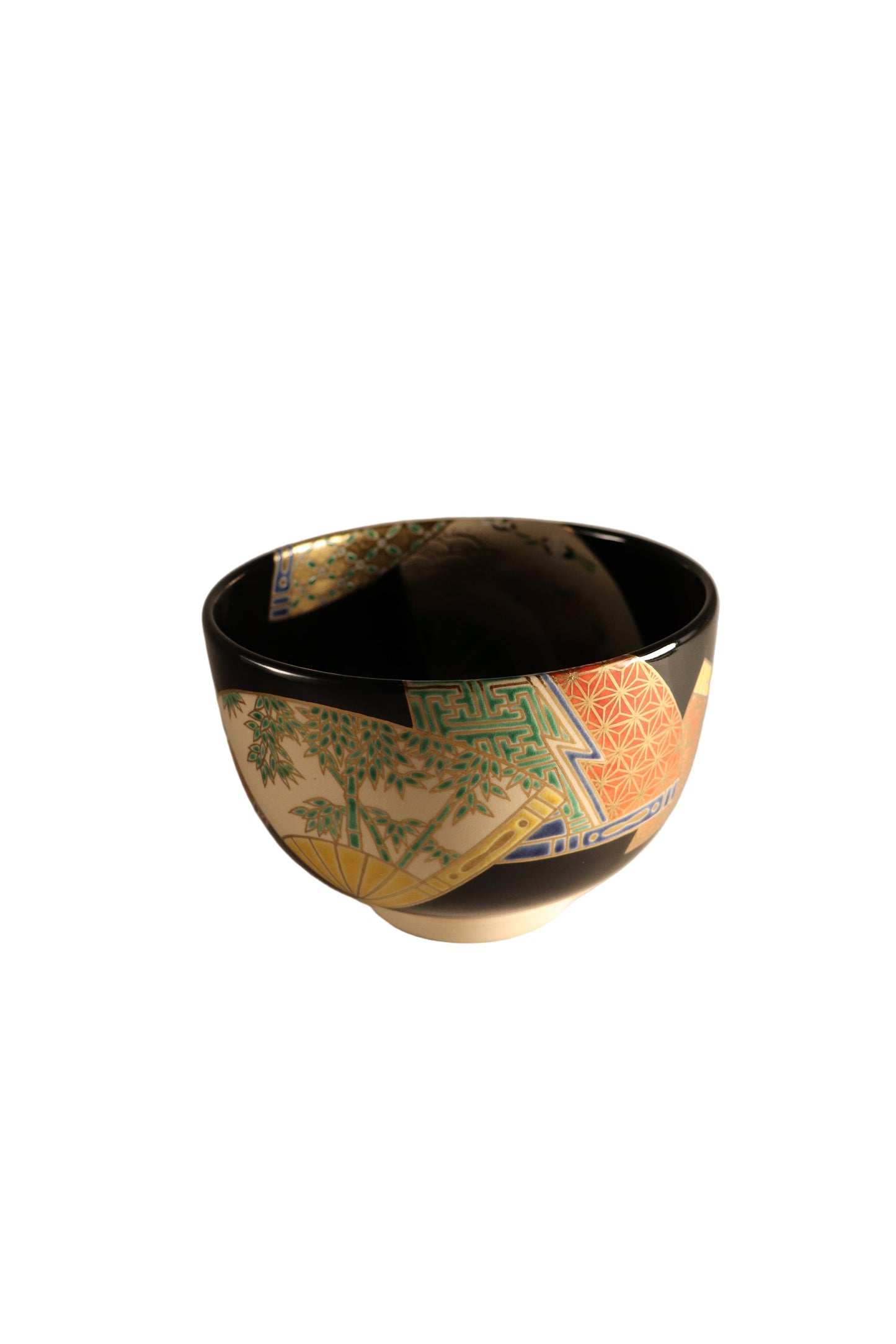
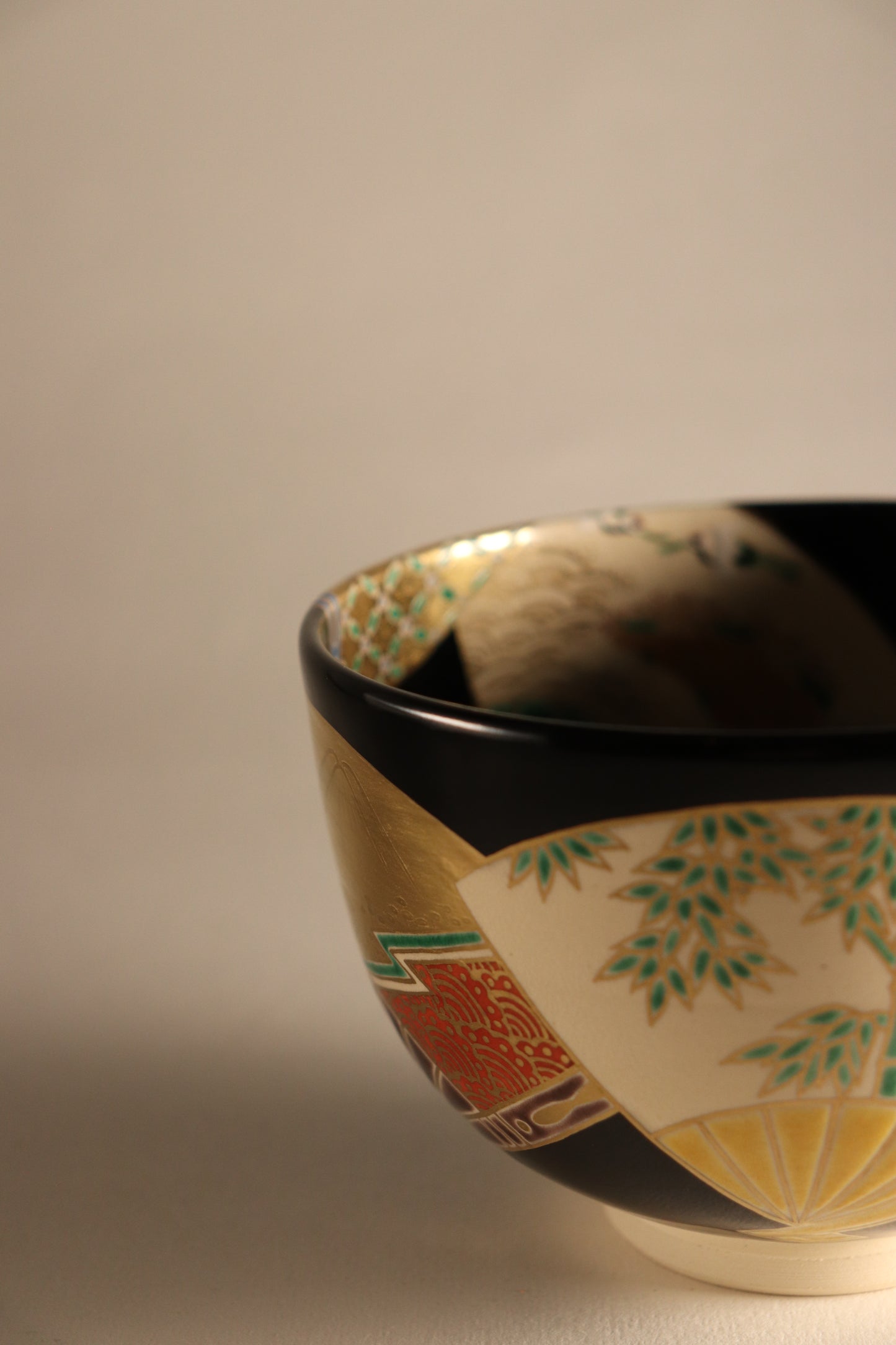
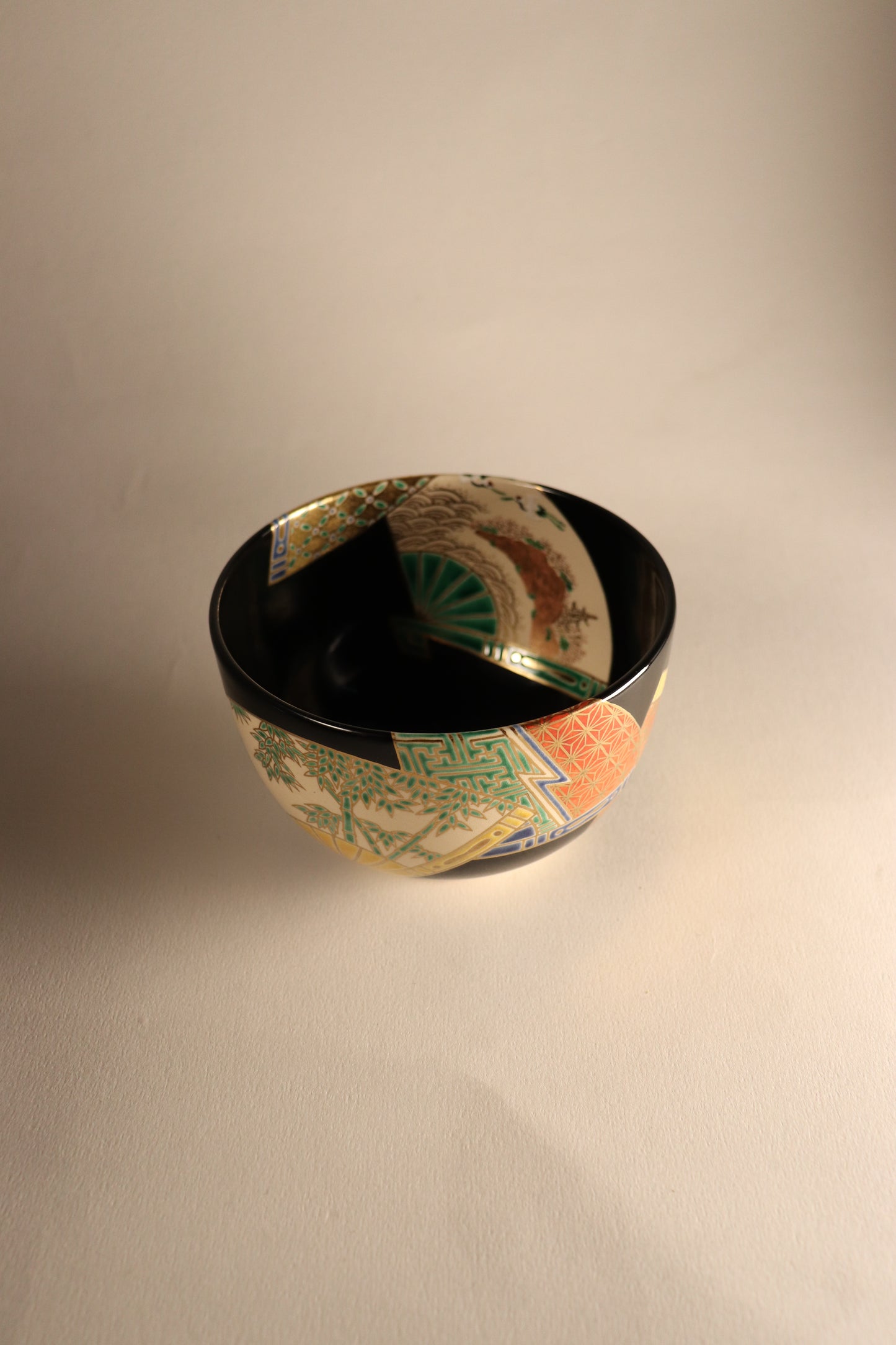
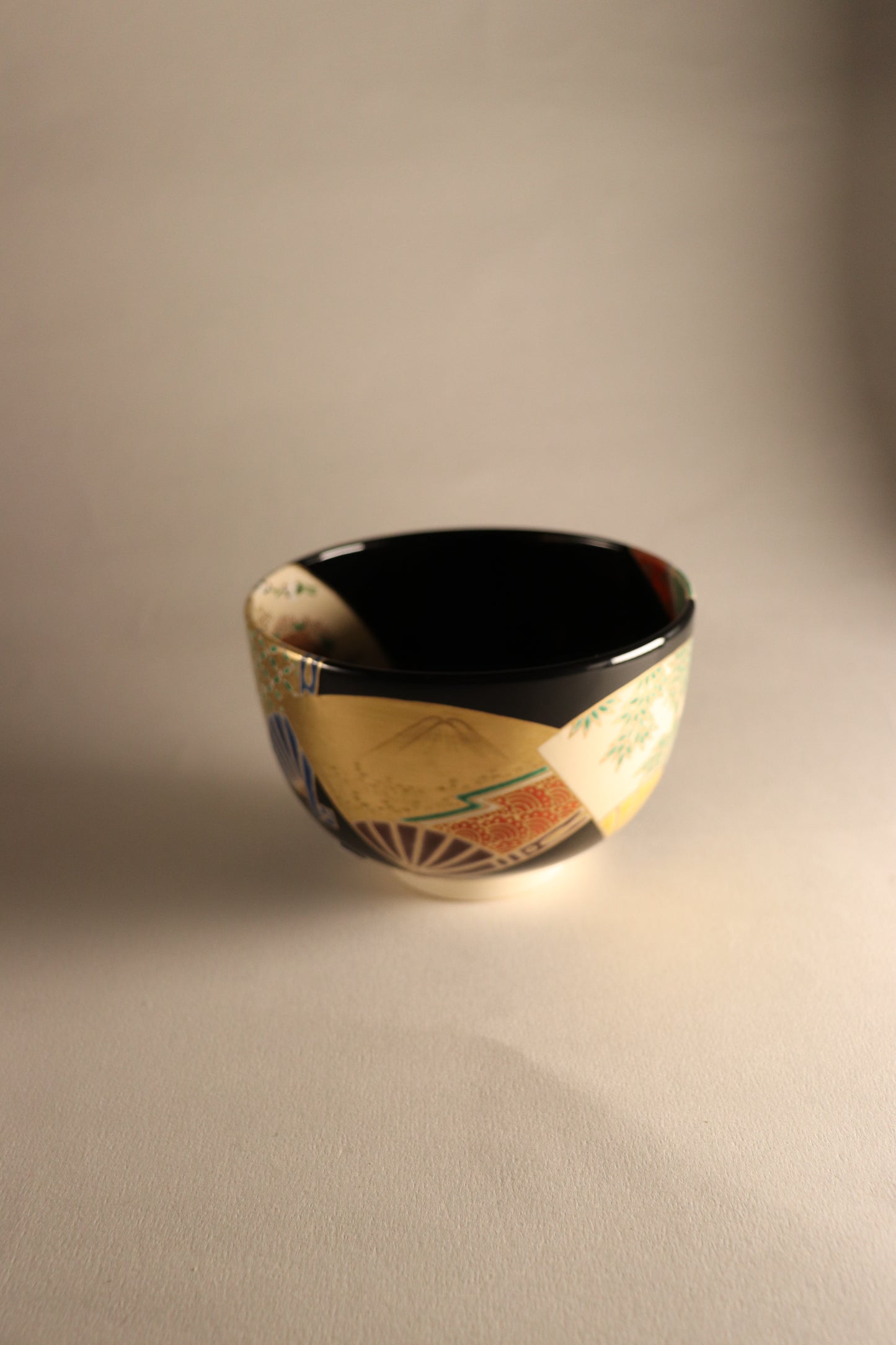
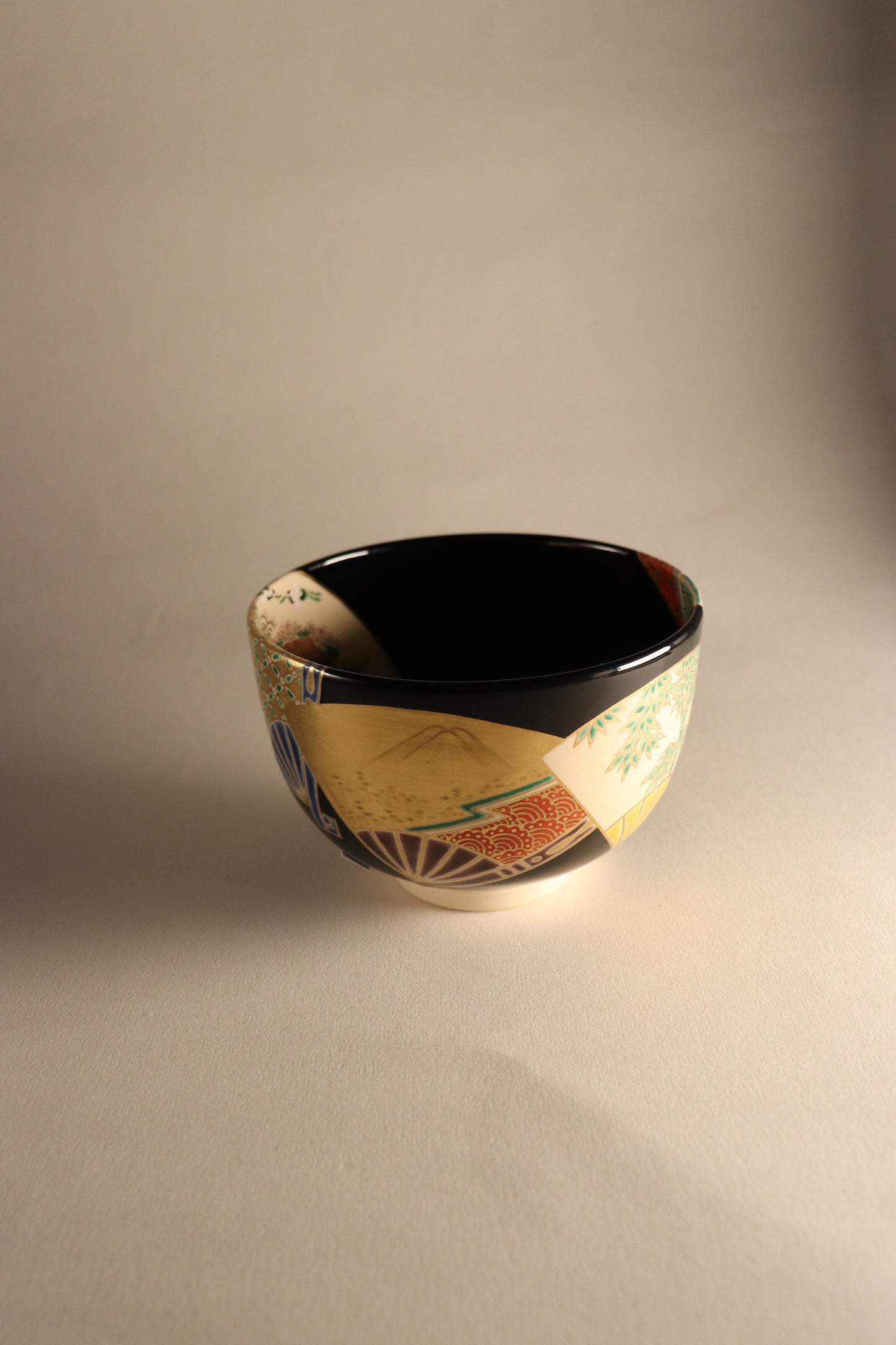
This bowl features a fan motif (ōgi or suehiro), a symbol of prosperity and openness. Originating in Japan's hot and humid climate, the fan became both a functional and spiritual object: its outwardly expanding shape evokes growth and good fortune. It is also called suehiro, a term which literally means "that which opens towards the end", and which carries a connotation of a promising future.
In Japanese arts, the fan is not merely a decorative motif: it is also a ritual and theatrical instrument, used in kagura, noh, and dengaku to invoke deities or ward off evil influences. Its image, frequently depicted since the Muromachi and Momoyama periods, has gradually transformed into an artistic motif synonymous with celebration and elegance.
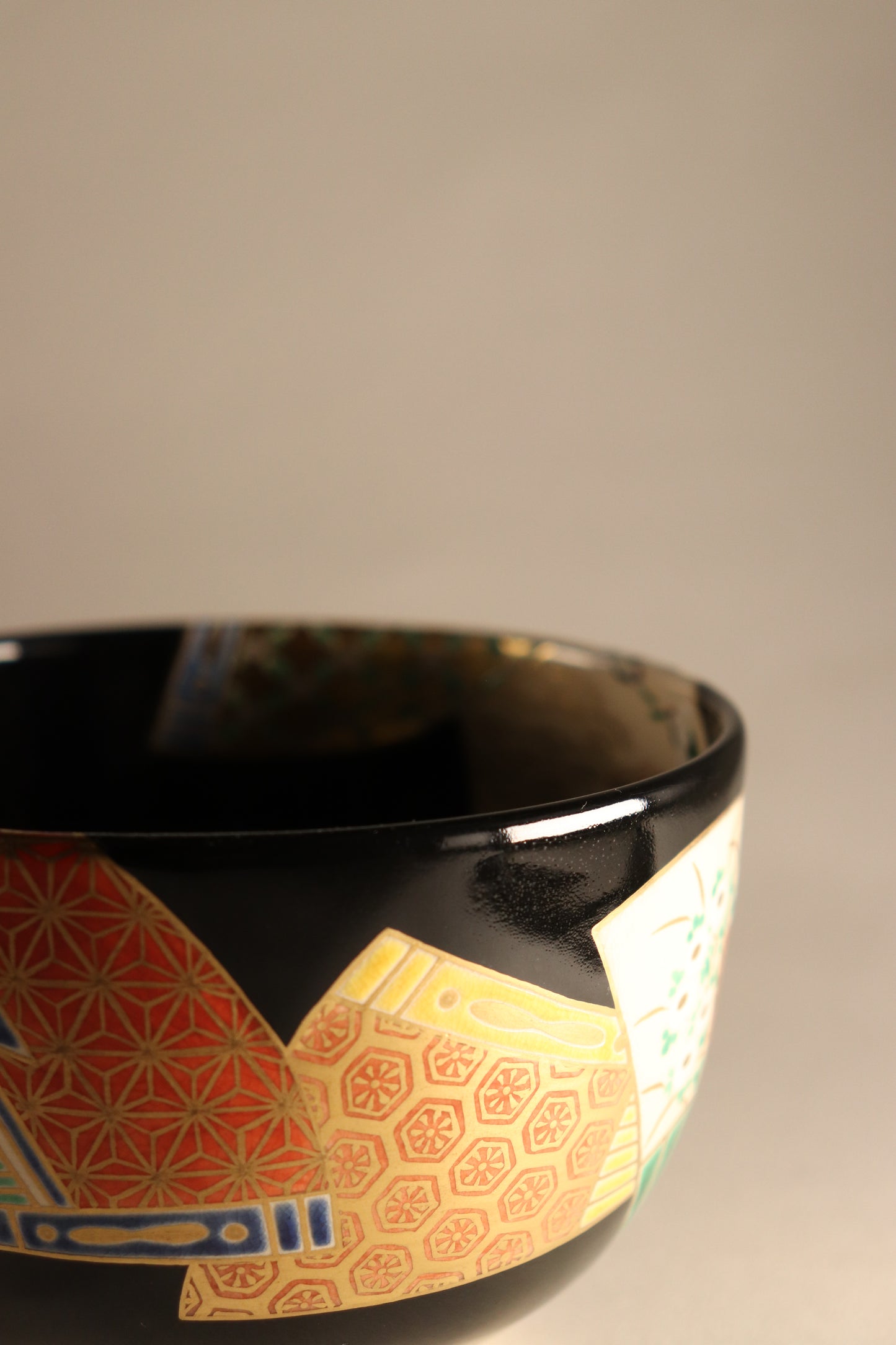
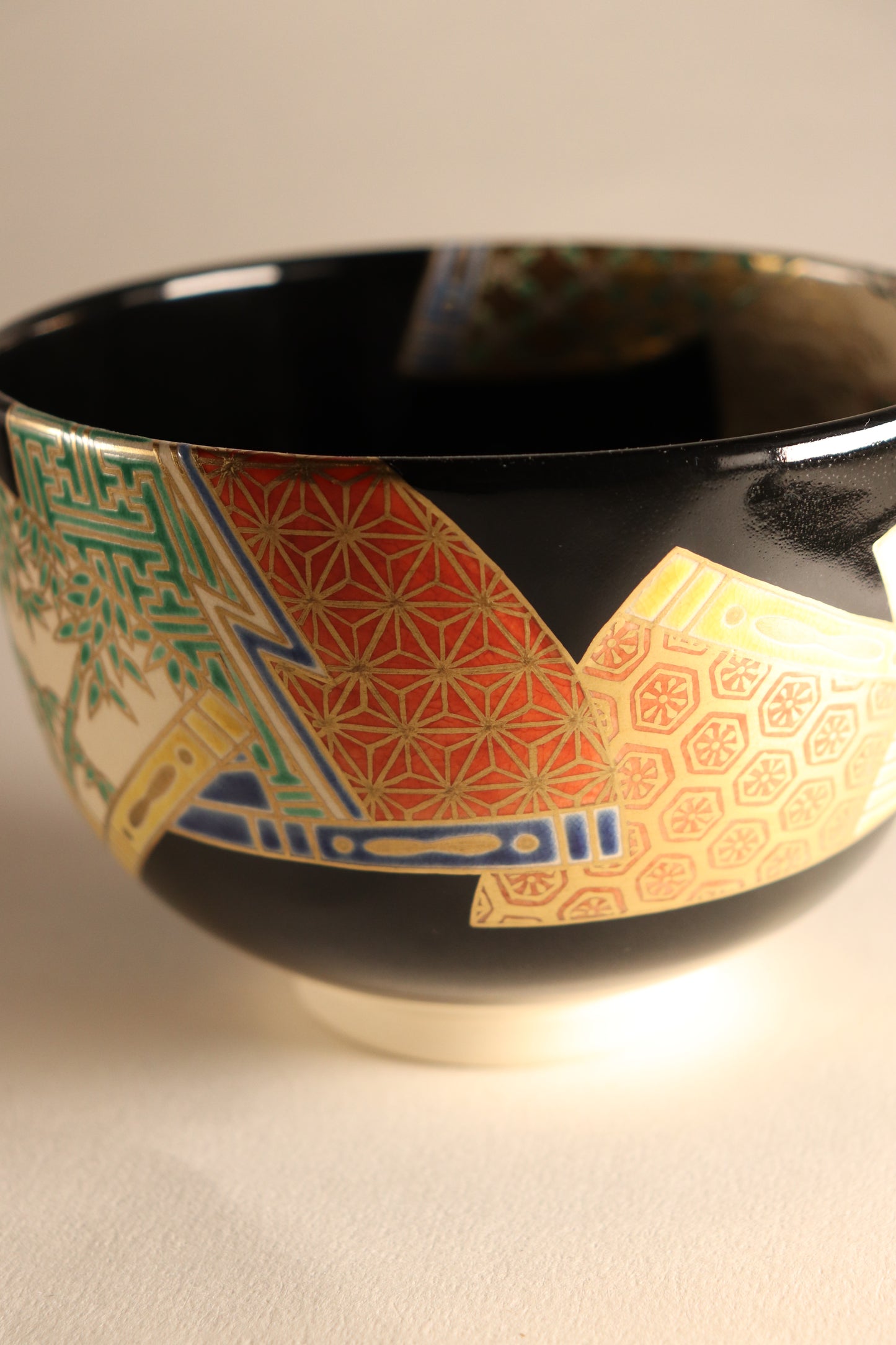
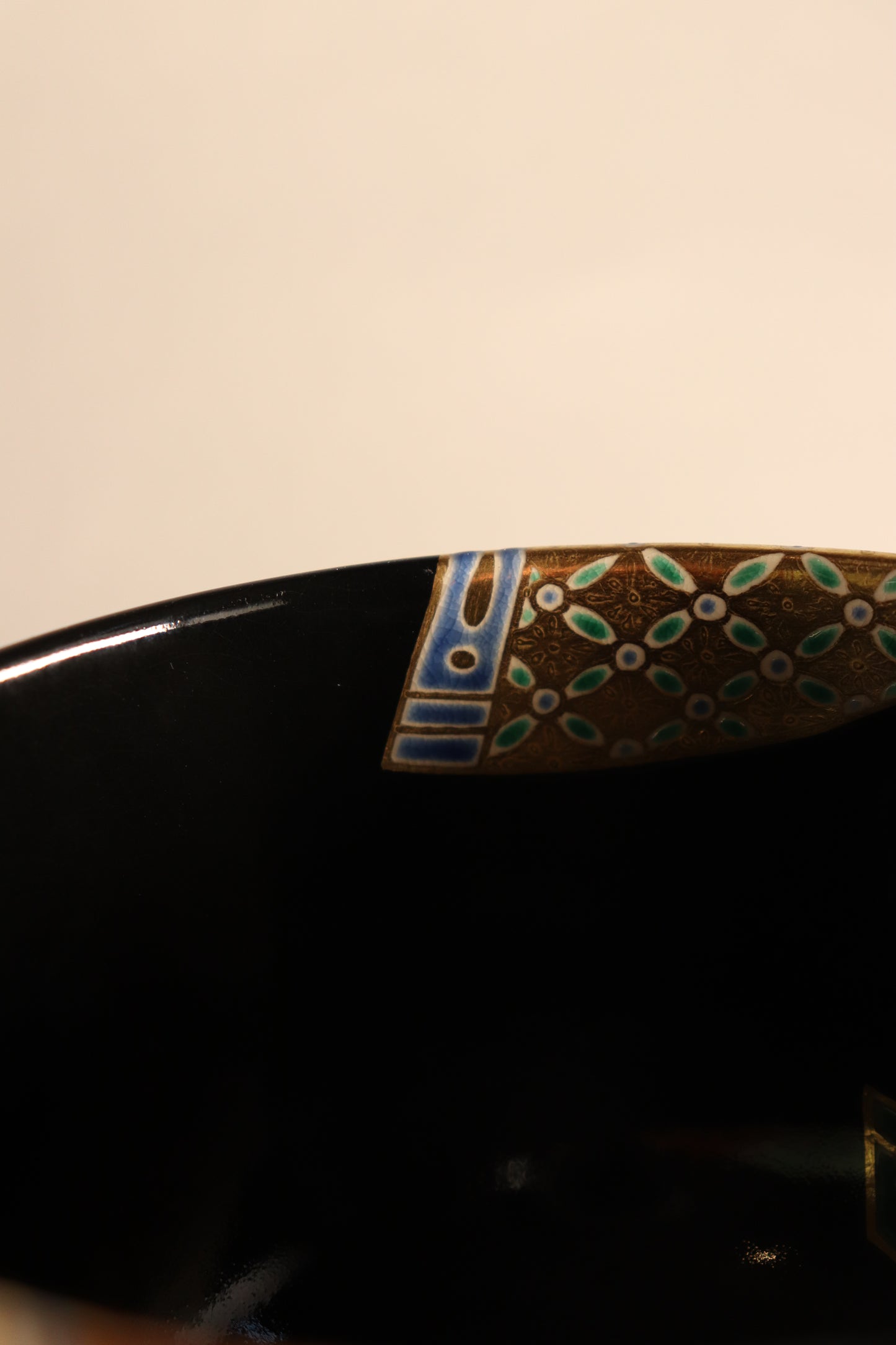
On this bowl, the hand-painted fans seem to unfurl in a fluid movement, evoking dance, lightness, and the breath of the wind. Each fan contains a miniature composition—seasonal flowers, geometric patterns, or auspicious symbols—creating a play of variations that invites the eye to wander from one motif to another. The whole expresses a discreet and refined joy, typical of the Kyō-yaki aesthetic: a subtle balance between decorative virtuosity and contemplative serenity.
Matcha Bowl — Fan Motif (Ougi)
Takahashi Dōhachi VII — Kiyomizu Kiln, Kyoto
This matcha bowl was crafted by Takahashi Dōhachi VII (1910–1983), a master potter from one of Kyoto’s most respected Kiyomizu-yaki (Kyō-yaki) lineages. The Dōhachi name, passed down through generations since the Edo period, is synonymous with refinement and innovation in Kyoto ceramics. The second Dōhachi, Ninna Dōhachi, was especially renowned, standing alongside Aoki Mokubei and Eiraku Hōzen as one of the key figures who shaped the flourishing of Kyō-yaki during its golden age.
The seventh generation, born Kōichi, inherited this legacy and expanded it with a modern sensibility. His work ranges from Korean and Chinese-inspired tea bowls to European-style ceramics, yet his most celebrated creations remain his reinterpretations of the classical Ninsei and Kenzan traditions.
The design of this bowl features the fan motif (ōgi or suehiro), a symbol of good fortune and prosperity. The folding fan, whose shape opens outward, embodies growth and auspicious beginnings. Beyond its decorative appeal, the fan holds deep cultural meaning in Japan — long associated with ritual dance and performance in kagura, nô, and dengaku, where it was believed to summon divine presence or ward off evil.
From the Muromachi through the Momoyama periods, the fan became a favorite subject in the decorative arts, representing both celebration and refinement. On this bowl, the painted fans unfold gracefully across the surface, each containing small painted scenes or abstract motifs — an homage to the elegance and playfulness of Kyoto aesthetics. Through this balance of ornament and restraint, the piece reflects the essence of Dōhachi’s art: a serene harmony between tradition, movement, and beauty.