

Jugetsudo
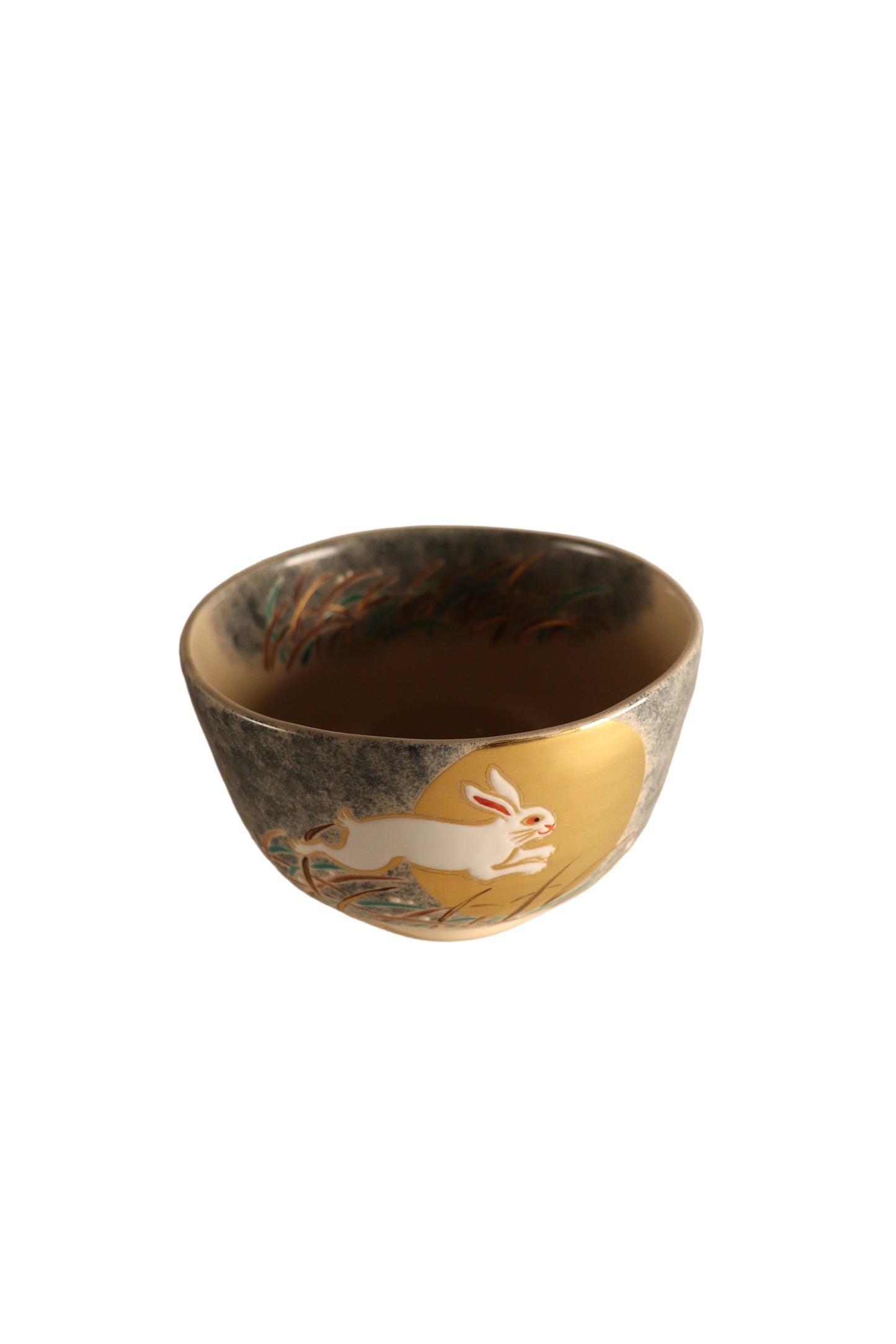
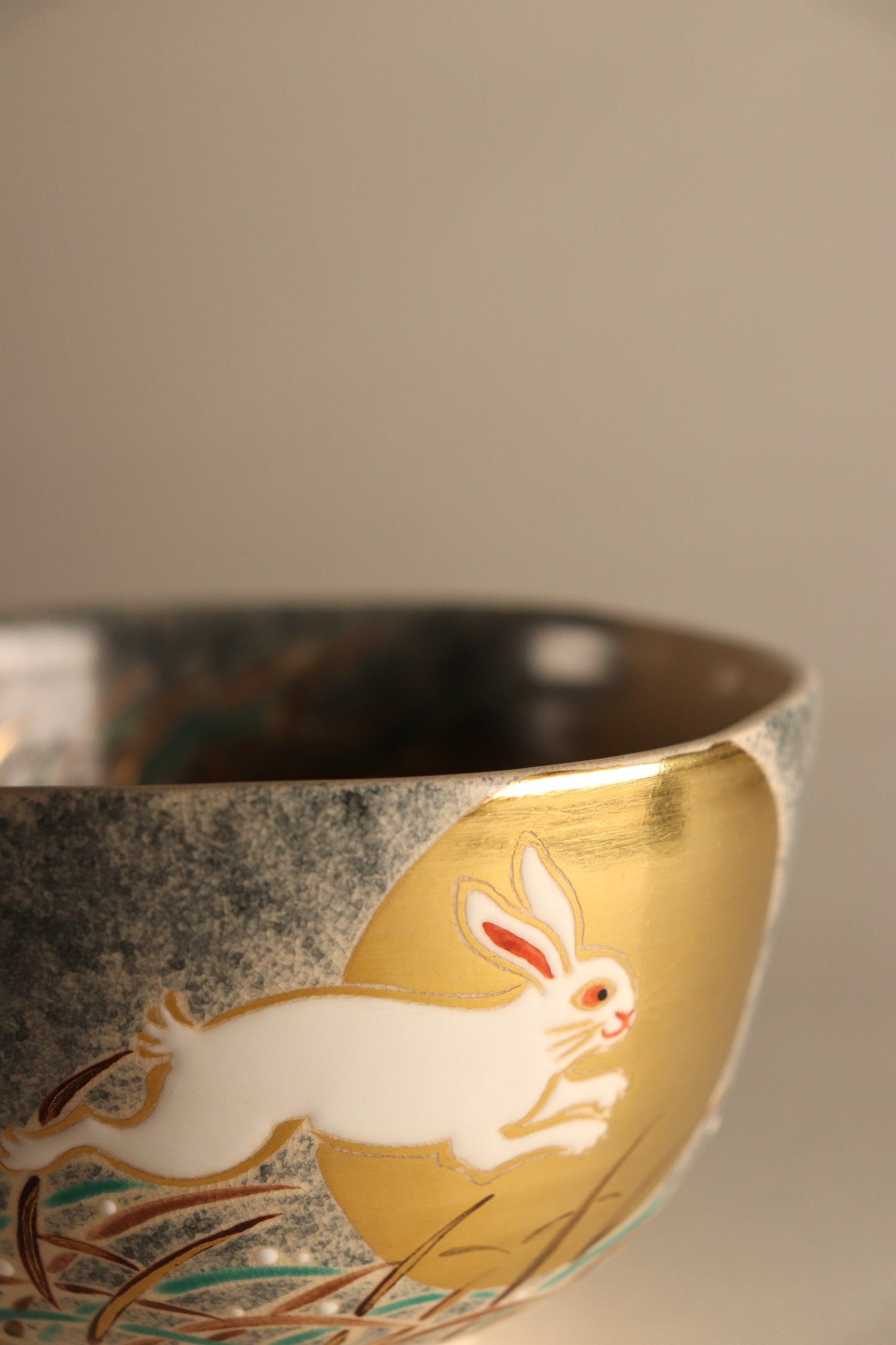
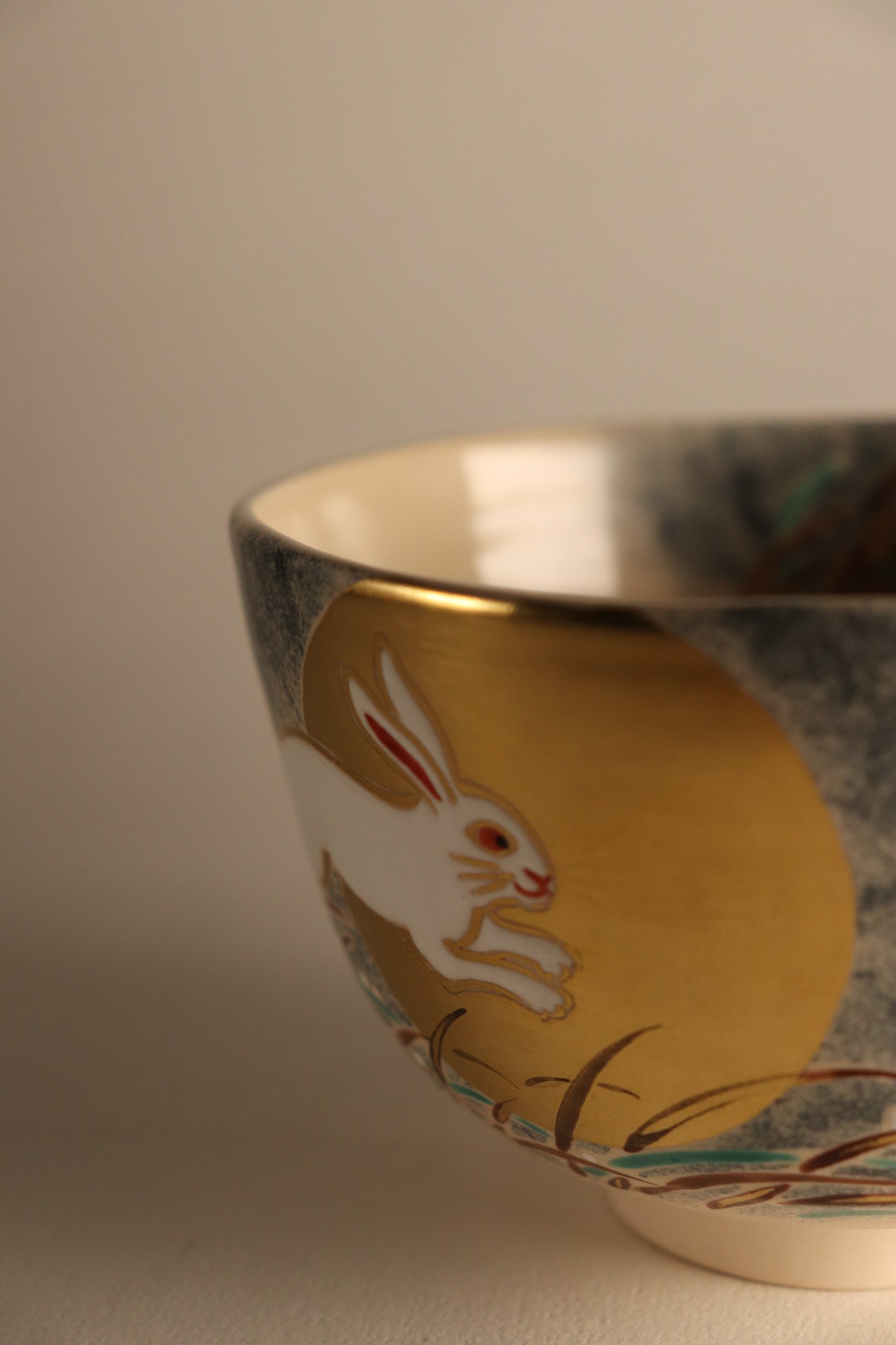
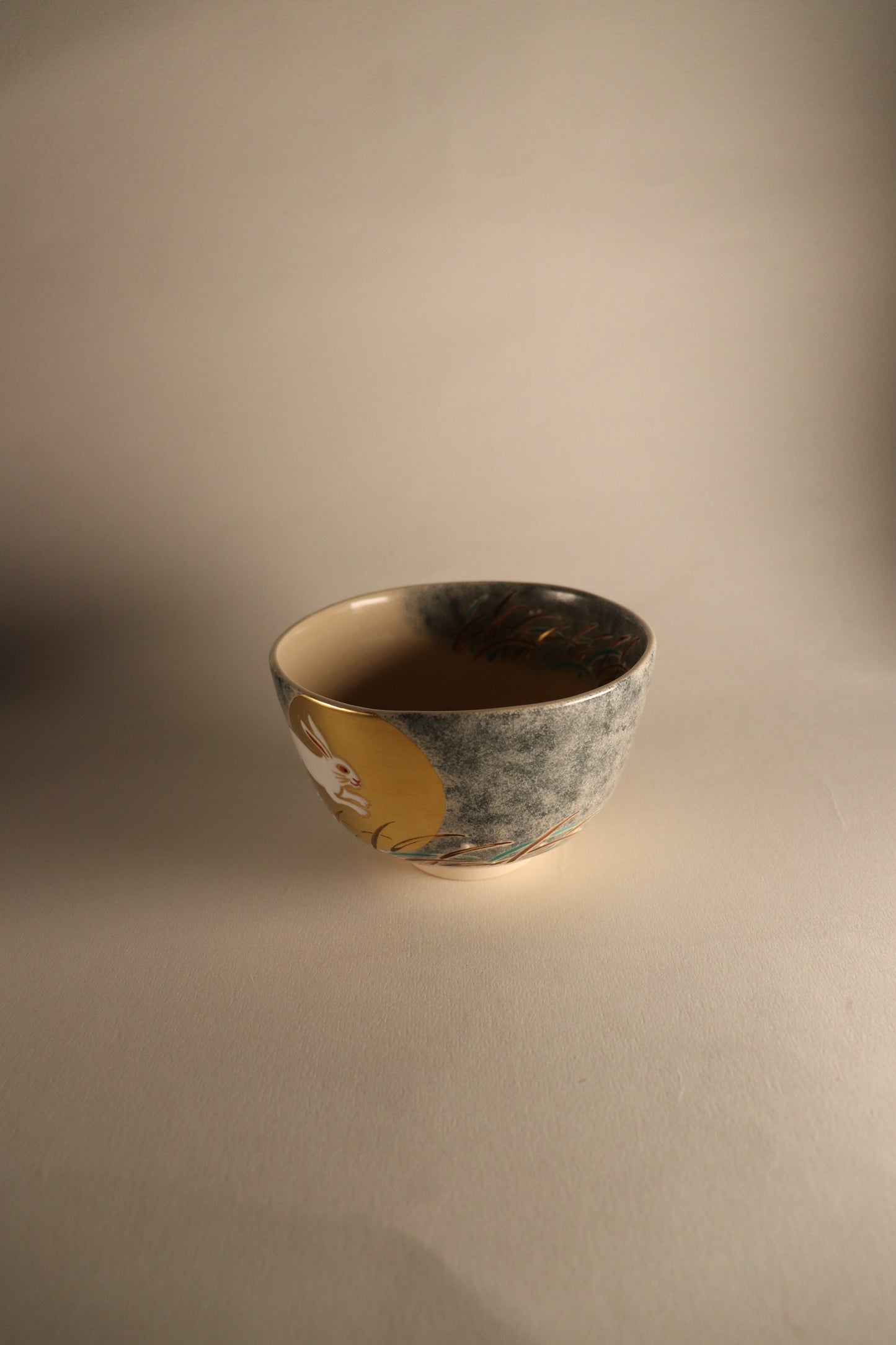
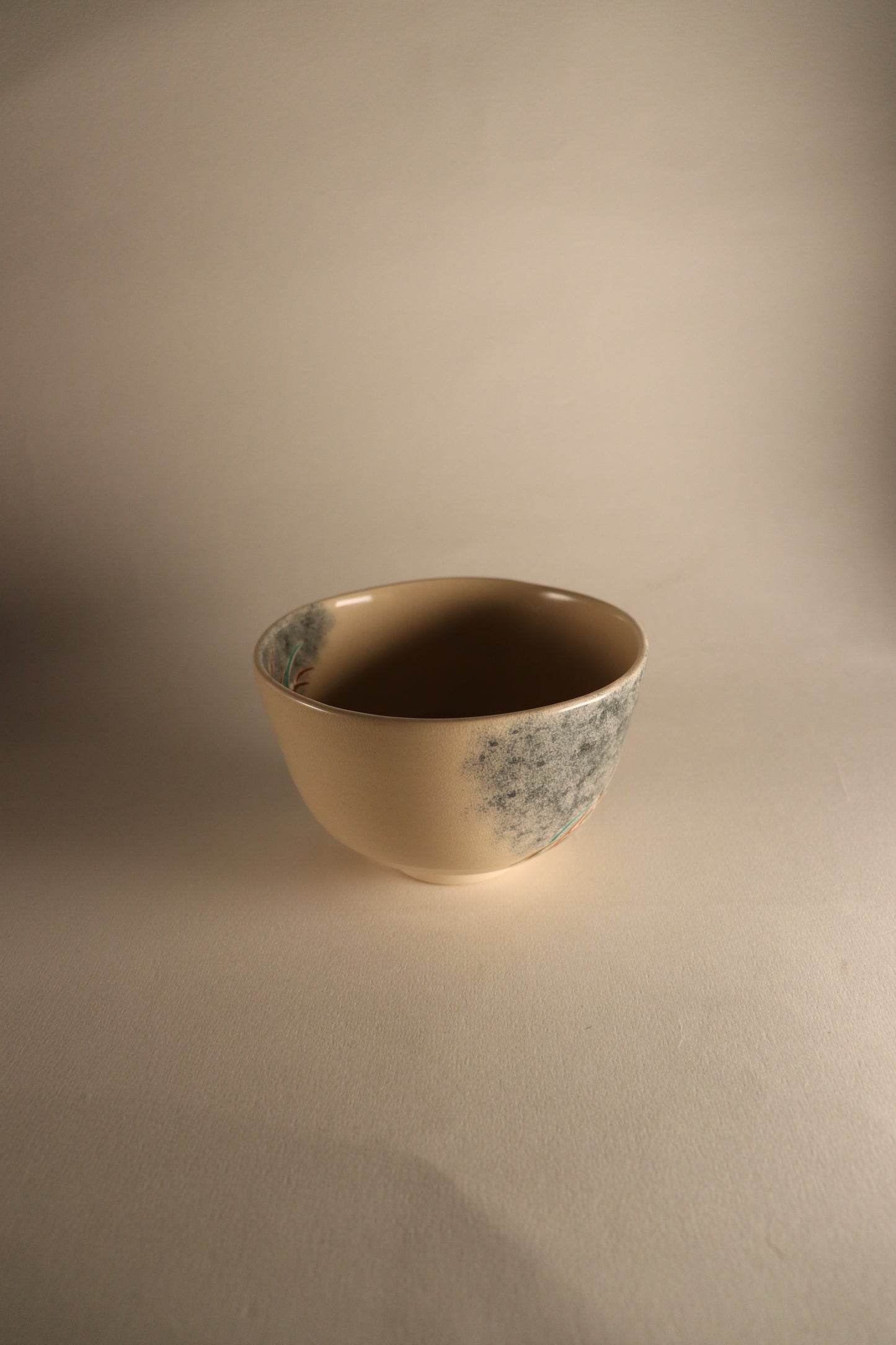
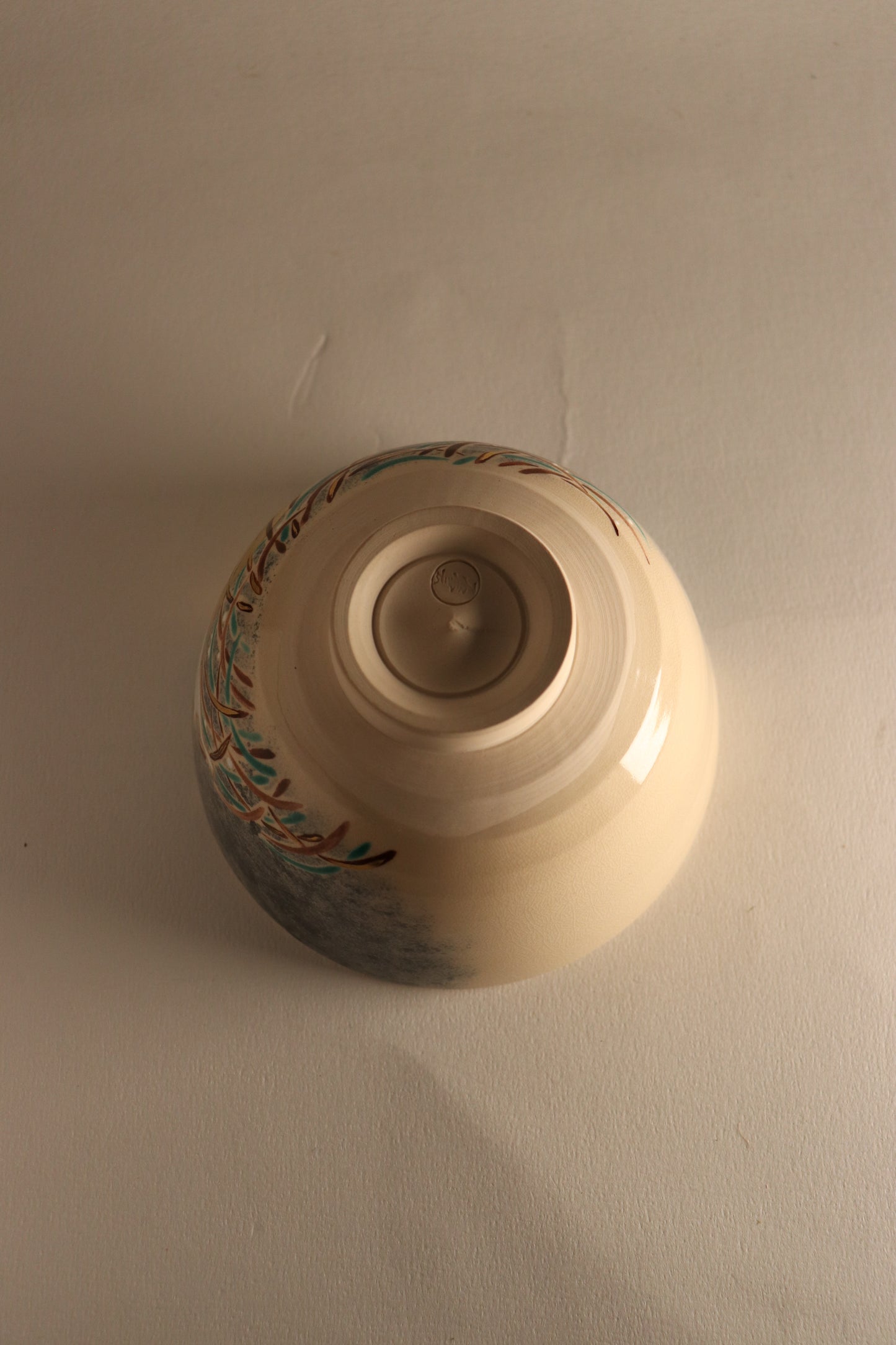
Bol à matcha Kyoto TEDUKA SEKIUN "Tsuki Usagi"
Bol à matcha Kyoto TEDUKA SEKIUN "Tsuki Usagi"
Couldn't load pickup availability
Please note, this item is a unique piece.
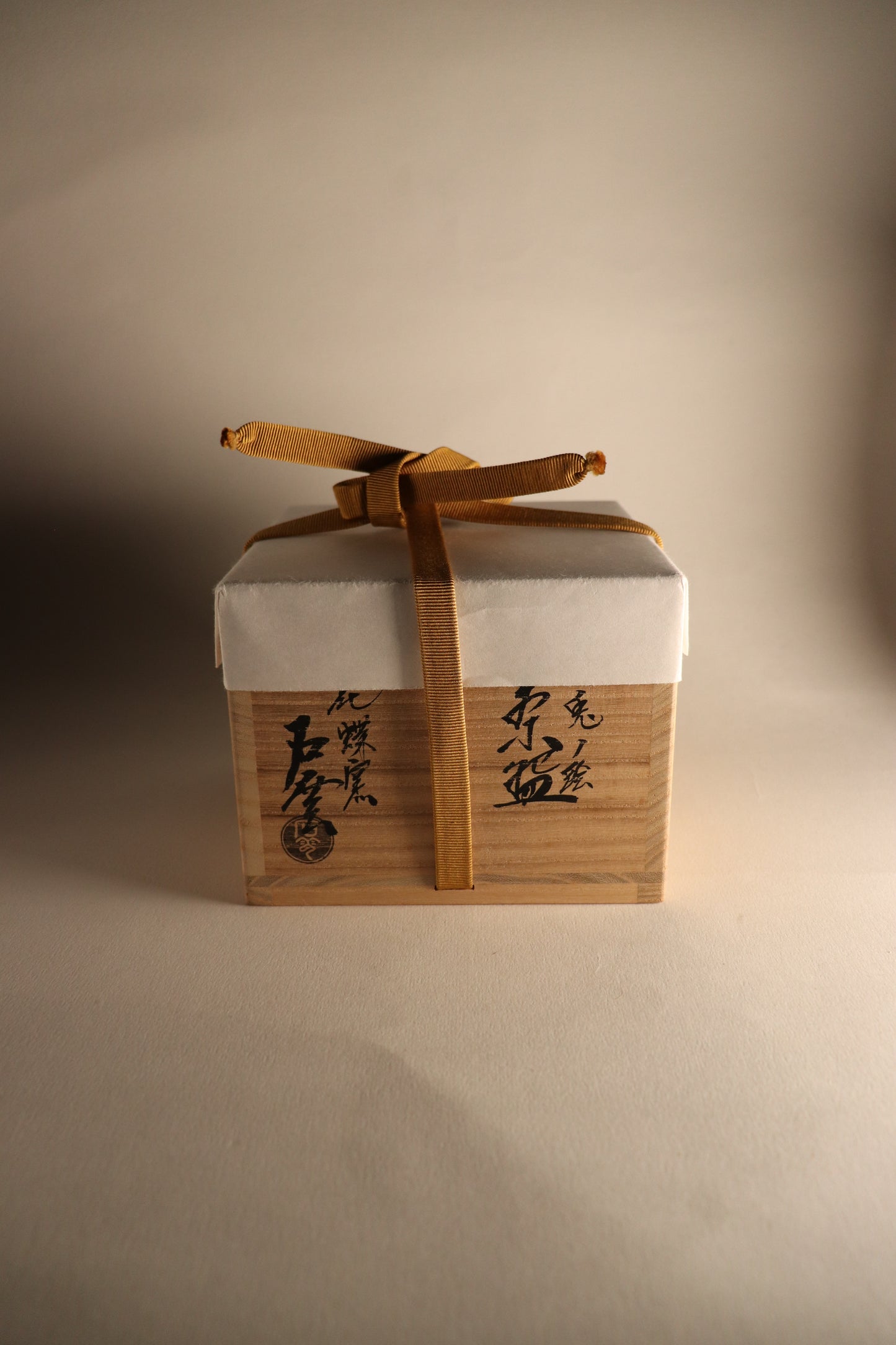
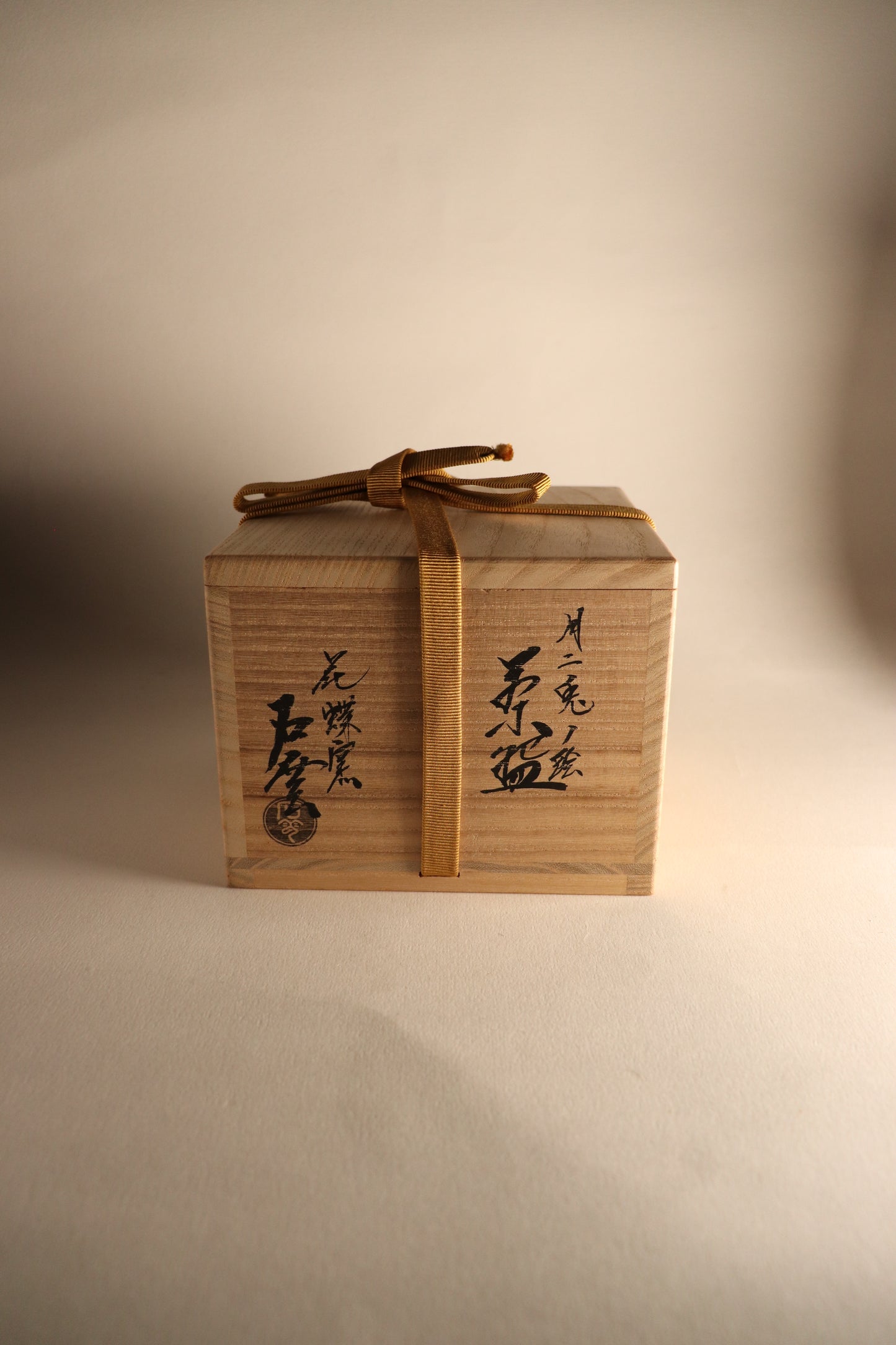
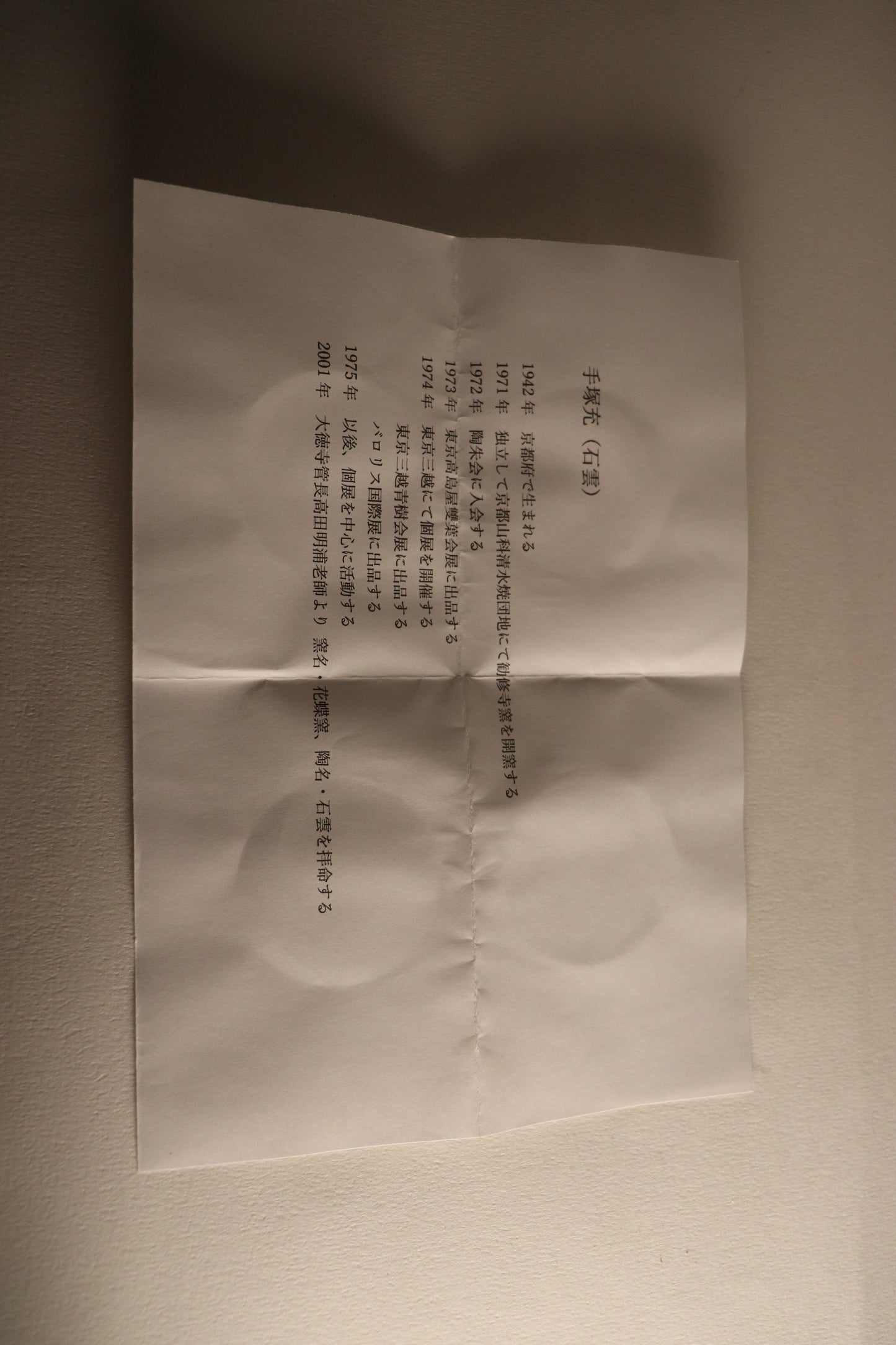
Master potter Tezuka Sekiun (born in 1942 in Kyoto) belongs to a lineage of ceramists in the Kyō-yaki tradition, one of the most refined schools of Japanese ceramics. Heir to knowledge passed down through generations, he dedicates himself to creating pieces for the tea ceremony, characterized by the precision of their forms, the delicacy of their glazes, and a restrained and balanced composition.
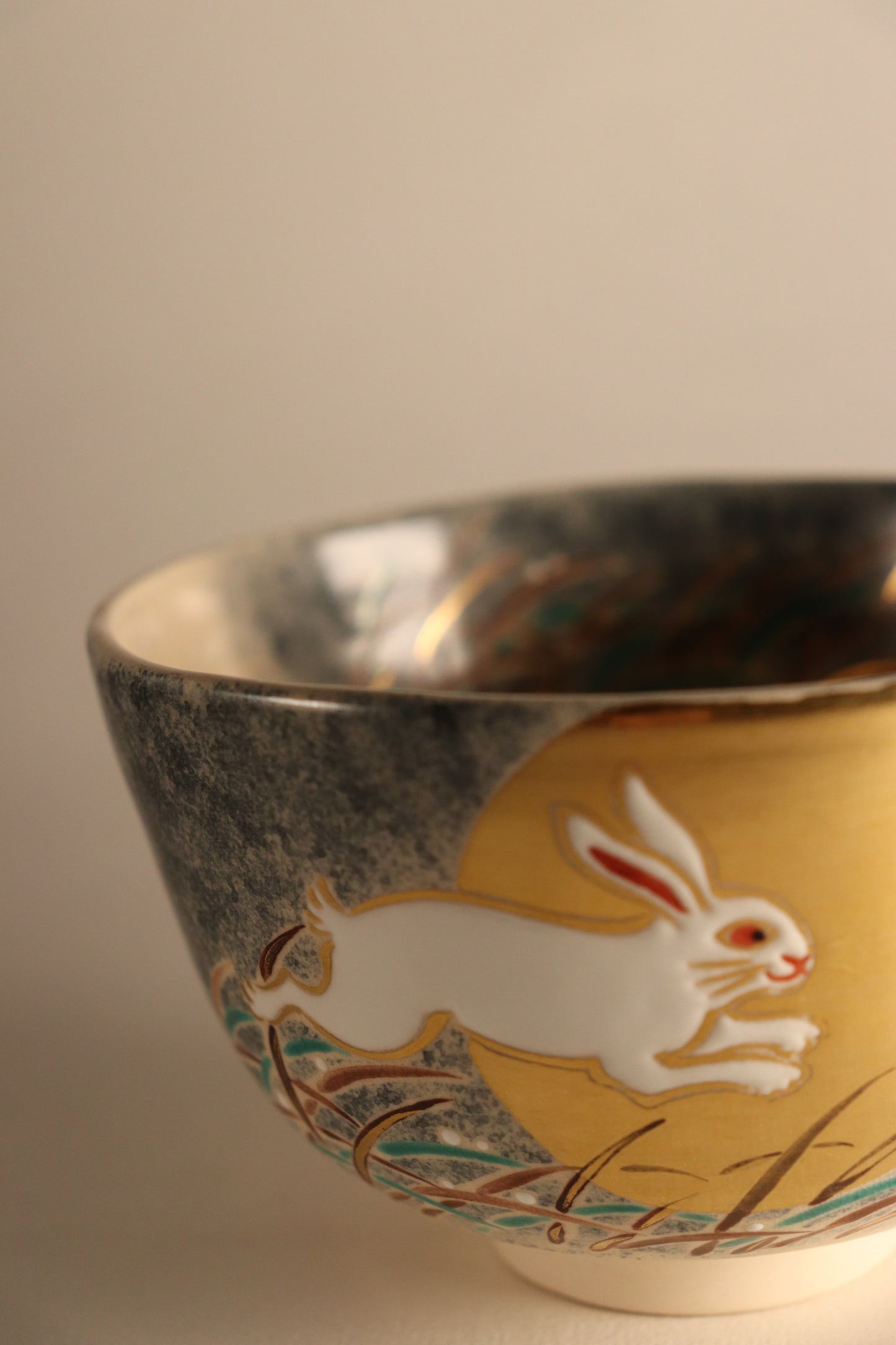
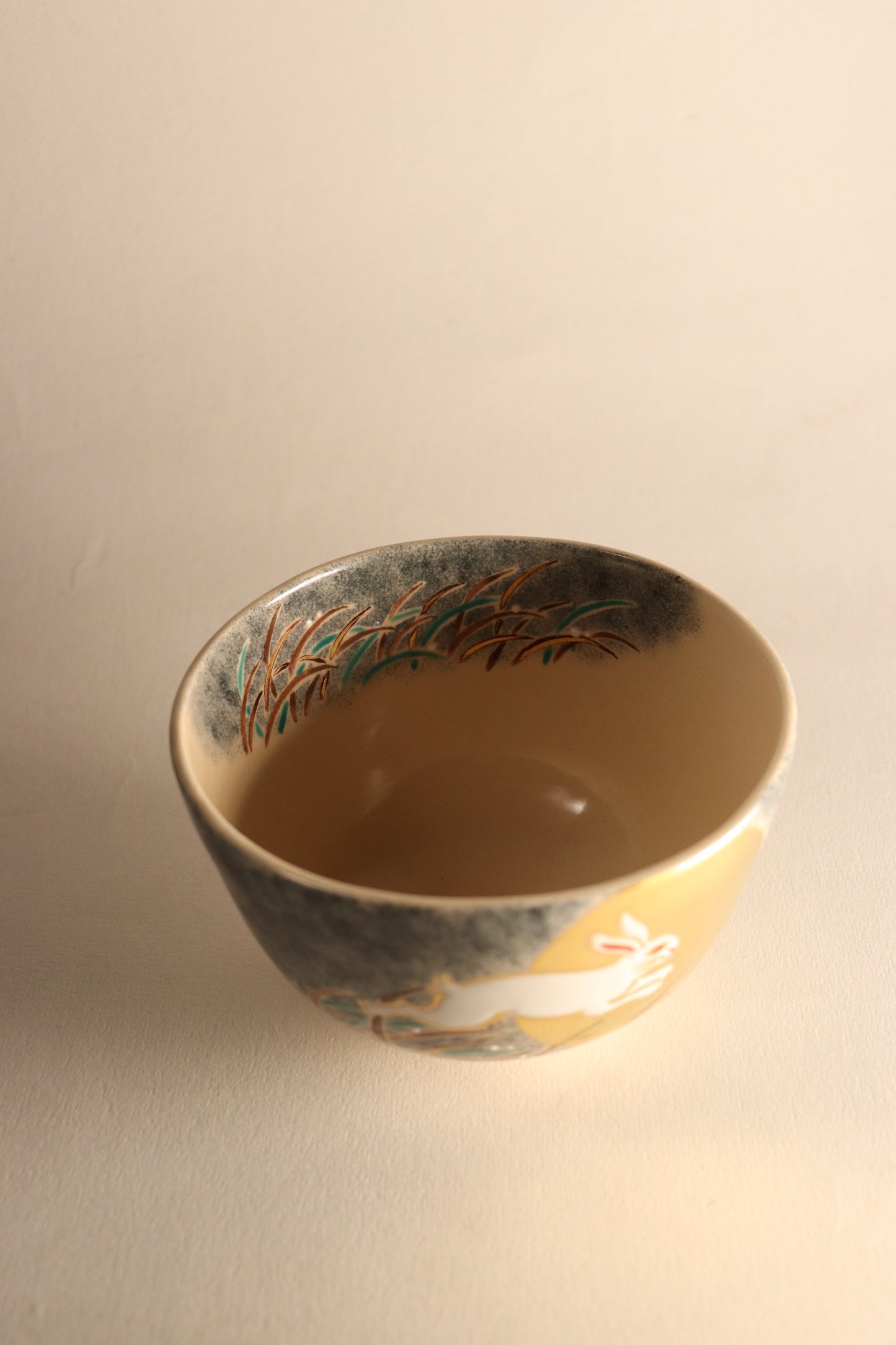
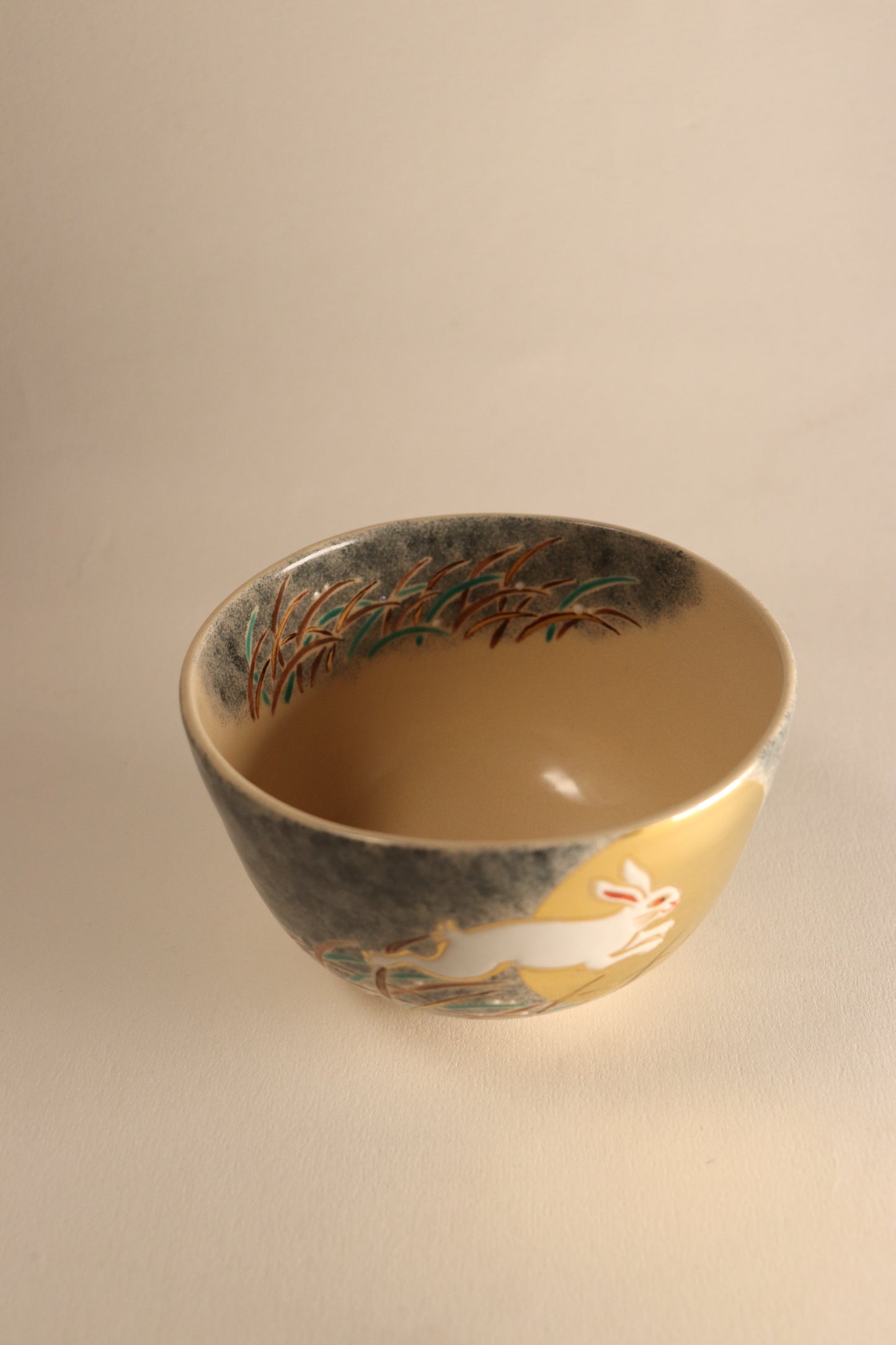
The rabbit and moon motif (tsuki no usagi) painted on this bowl is inspired by a Buddhist legend in which a rabbit, moved by compassion, offered itself as a sacrifice to feed a starving old man. This man, actually a deity, moved by this gesture, placed the rabbit on the moon, where its shadow remains visible. This symbol is associated with the Tsukimi festival, a celebration of the autumn full moon, during which offerings of rice cakes (mochi) are placed as a tribute to the moon.
In Japanese culture, the rabbit is considered a lucky animal, a messenger of the moon. It is said to "call forth luck" (tsuki o yobu), and its swift movements evoke momentum, progress, and success. Its fertility also makes it a symbol of prosperity and family happiness, while its ability to quickly climb a slope evokes the expression "things move forward without obstacle," a favorable omen in Japanese tradition.
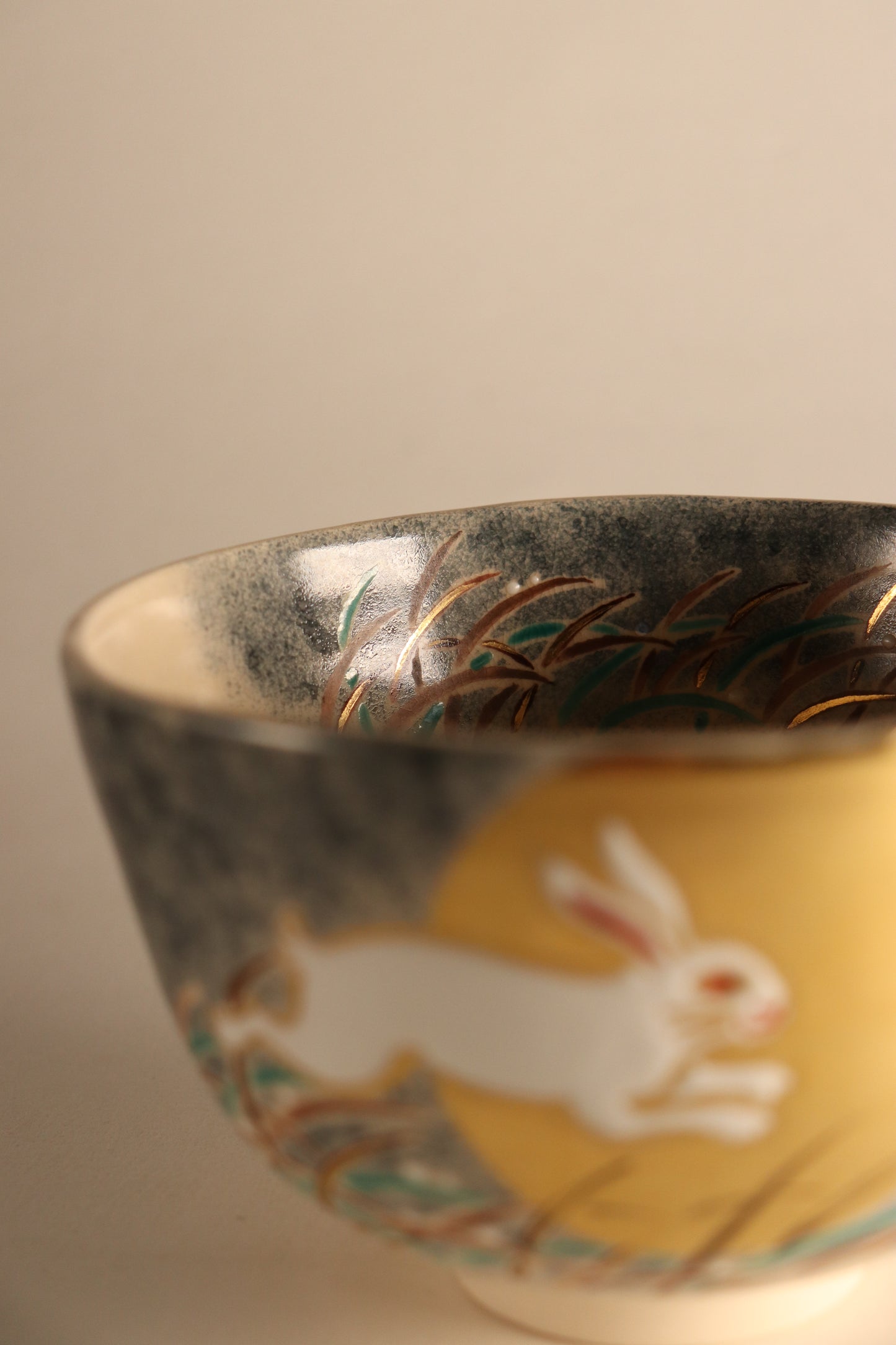
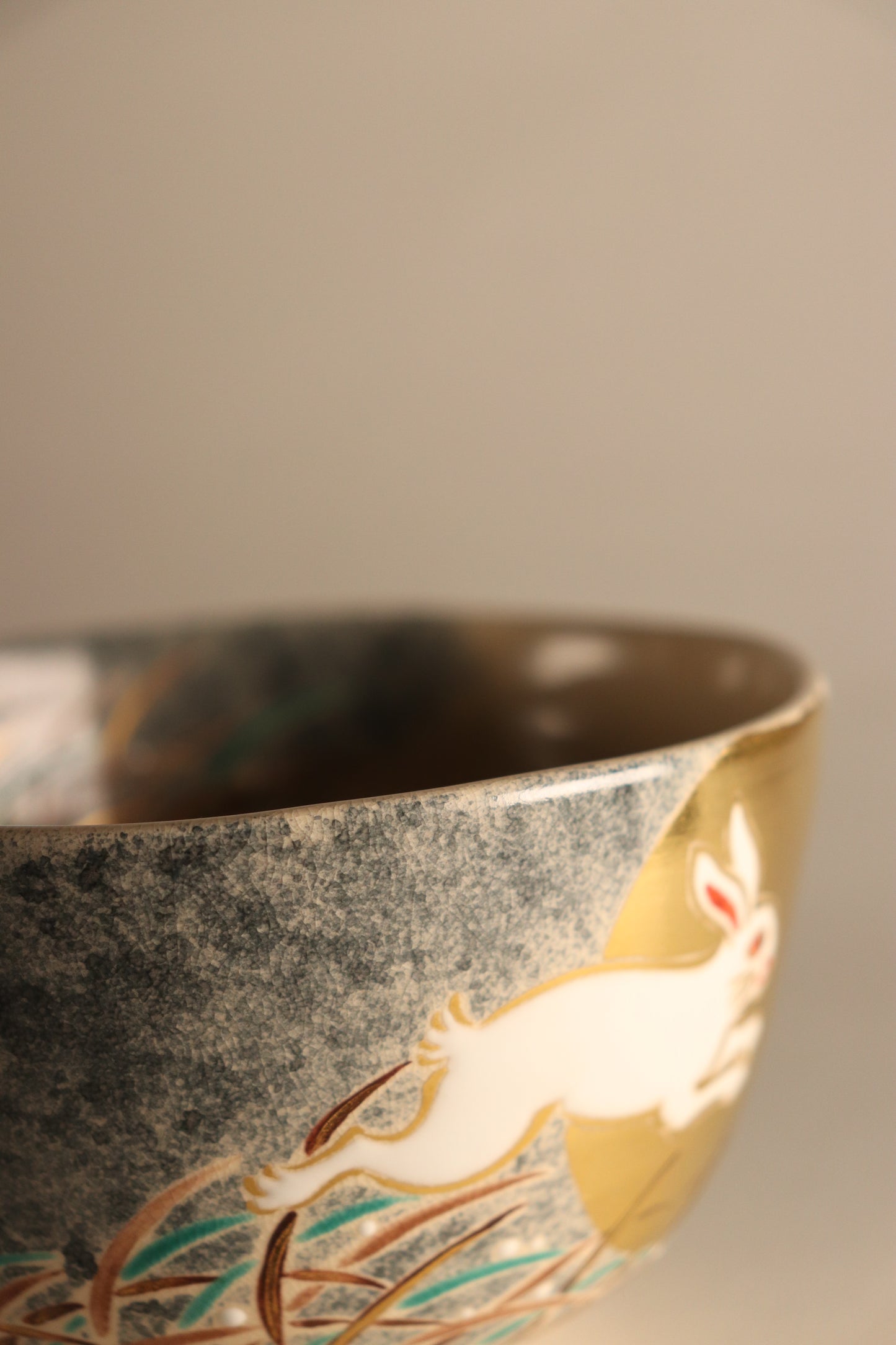
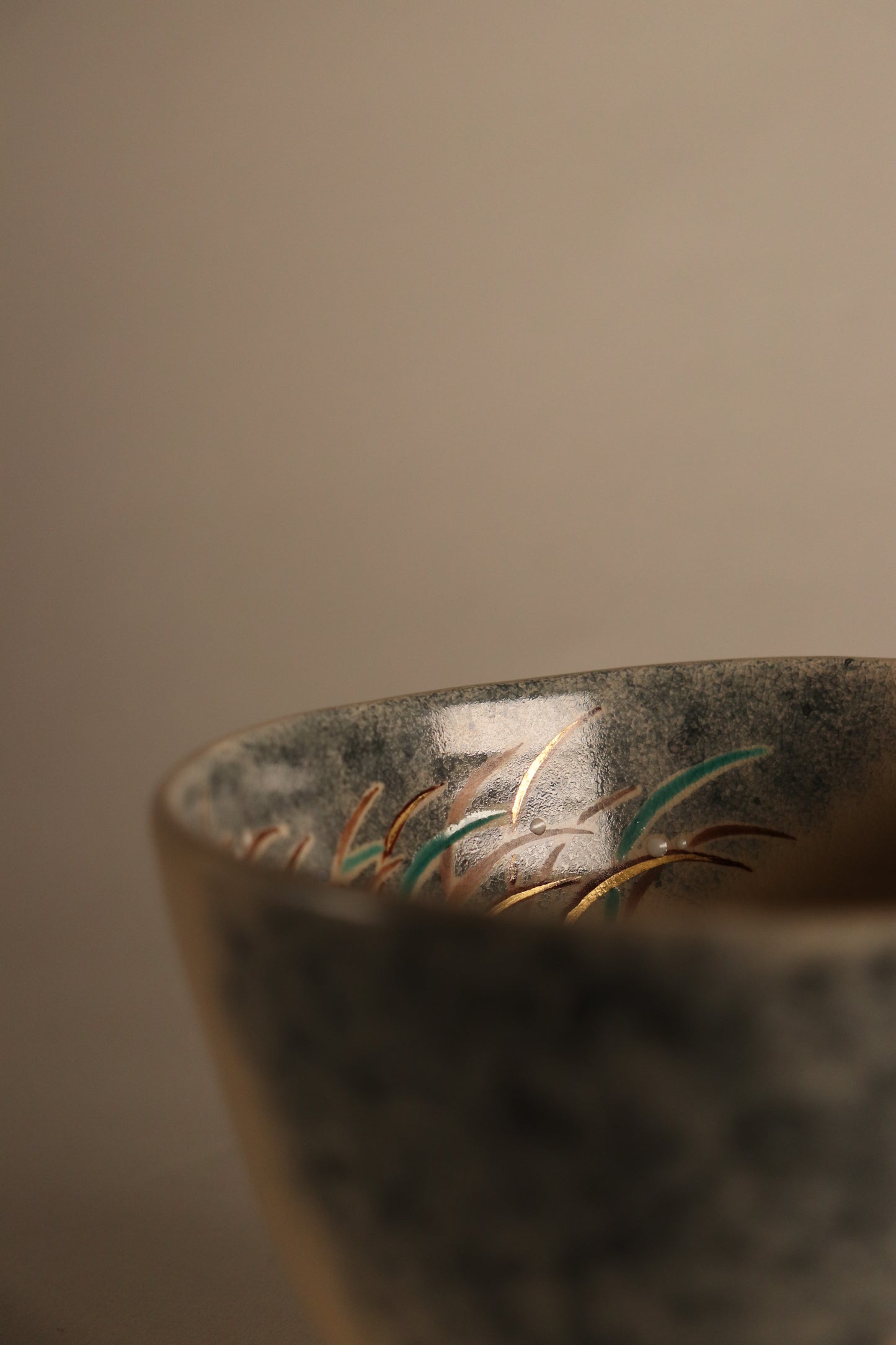
The entire motif thus expresses the wish for harmony, luck, and renewal. Tezuka Sekiun's work, understated and masterful, highlights the softness of the glaze and the delicacy of the drawing: the moon discreetly illuminates the rabbit's silhouette, creating a natural balance between symbolism and simplicity, in the pure tradition of Kyō-yaki.
Matcha Bowl — Tsuki no Usagi (Rabbit and the Moon)
Tezuka Sekiun — Kyoto
Master potter Tezuka Sekiun (born 1942, Kyoto) is an inheritor of the Kyō-yaki tradition, one of Japan’s most refined schools of ceramic art. A craftsman devoted to the tea ceremony, he creates works noted for their balance, delicacy of glaze, and quiet precision of form.
The “Rabbit and the Moon” (tsuki no usagi) motif is based on a Buddhist legend in which a compassionate rabbit offers its own life to feed a starving old man, who reveals himself as a deity and places the animal on the moon in gratitude. The image, long associated with the autumn moon-viewing festival (tsukimi), also recalls the custom of offering rice cakes (mochi) to the moon — where the rabbit is imagined pounding mochi, a symbol of generosity and renewal.
In Japanese culture, the rabbit is regarded as a messenger of the moon and a bringer of good fortune. Its lively movement represents progress and success, while its fertility symbolizes prosperity and family happiness. Because it climbs slopes swiftly, it is also linked to the saying that “things proceed smoothly”, making it a highly auspicious motif.
Through this composition, the bowl expresses wishes for harmony, abundance, and advancement. Tezuka Sekiun’s restrained and thoughtful craftsmanship allows the soft sheen of the glaze and the gentle form of the rabbit to stand in quiet balance — a reflection of the serenity and refinement that define the Kyō-yaki tradition.