

Matcha bowl / "Hagi" Four Harunobu Shôroku
Matcha bowl / "Hagi" Four Harunobu Shôroku
Quantity
Couldn't load pickup availability
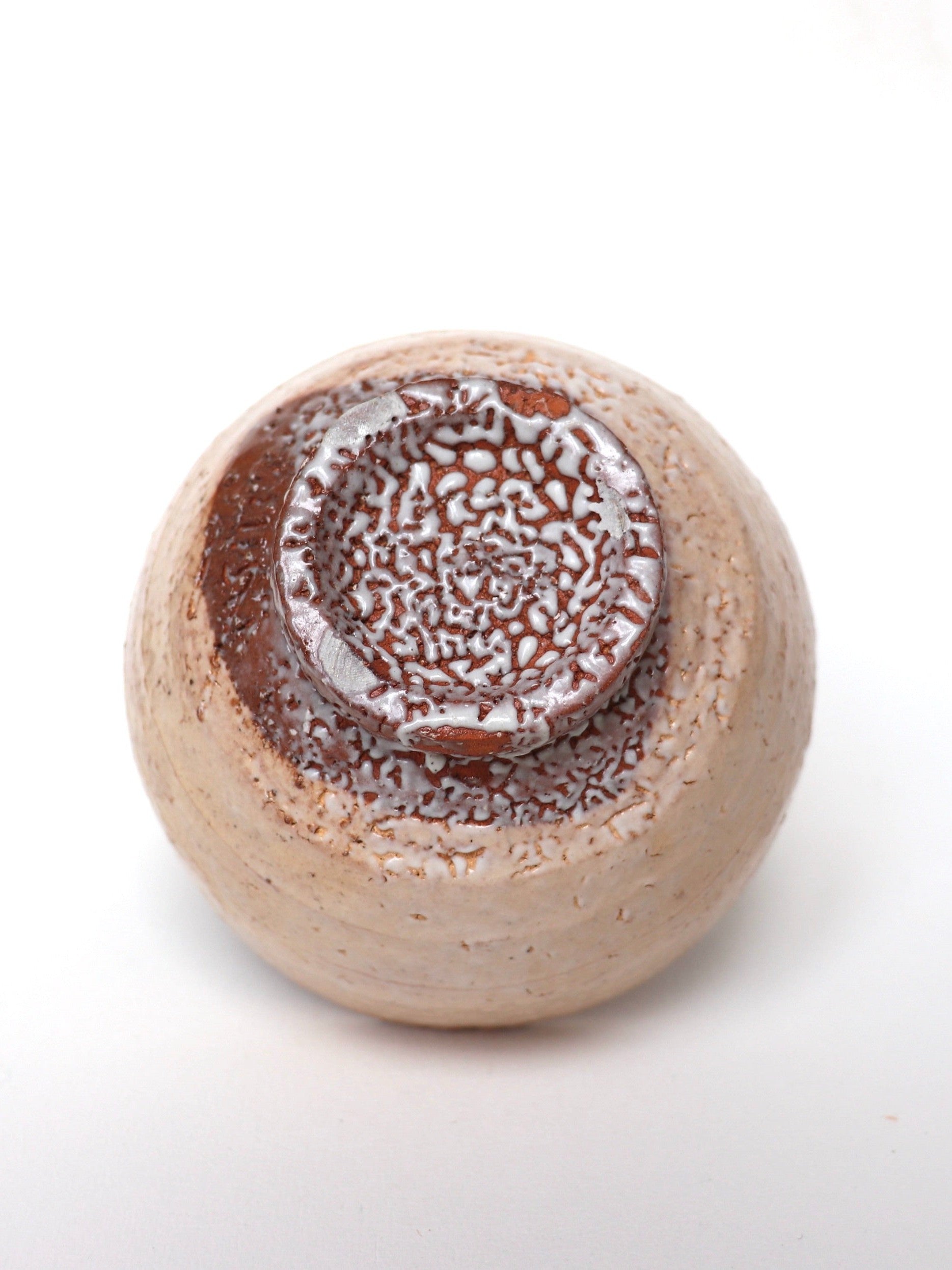
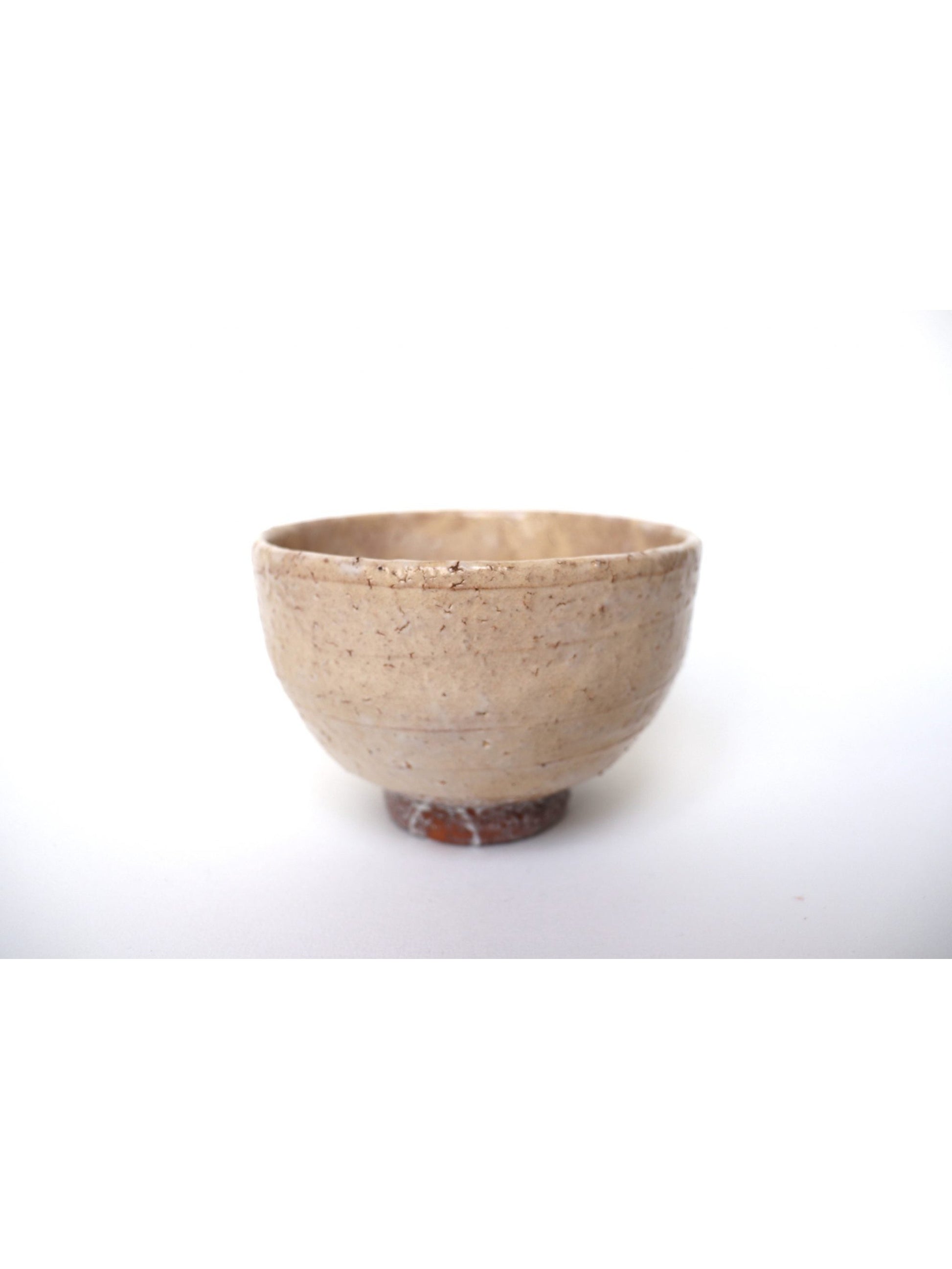
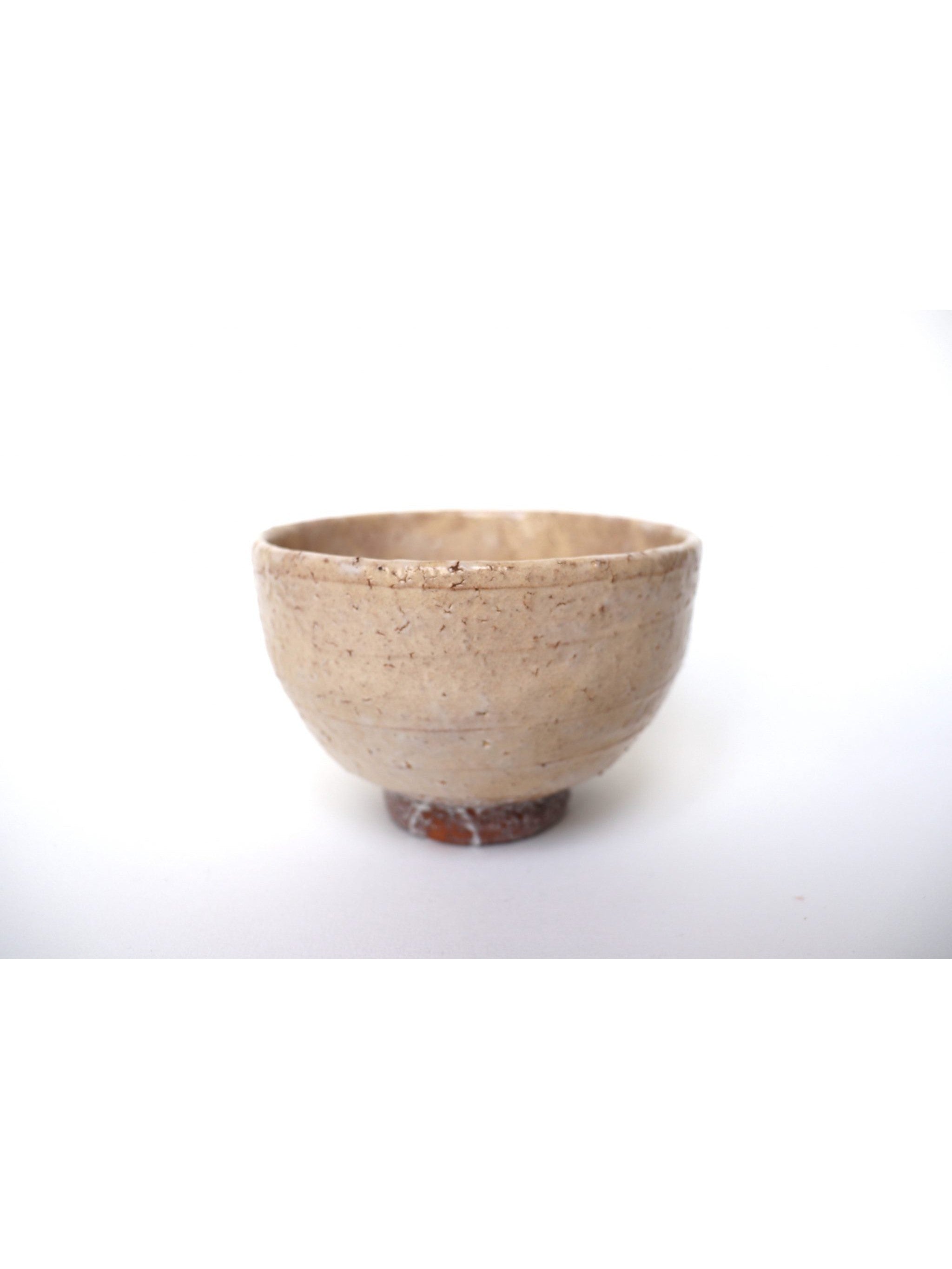
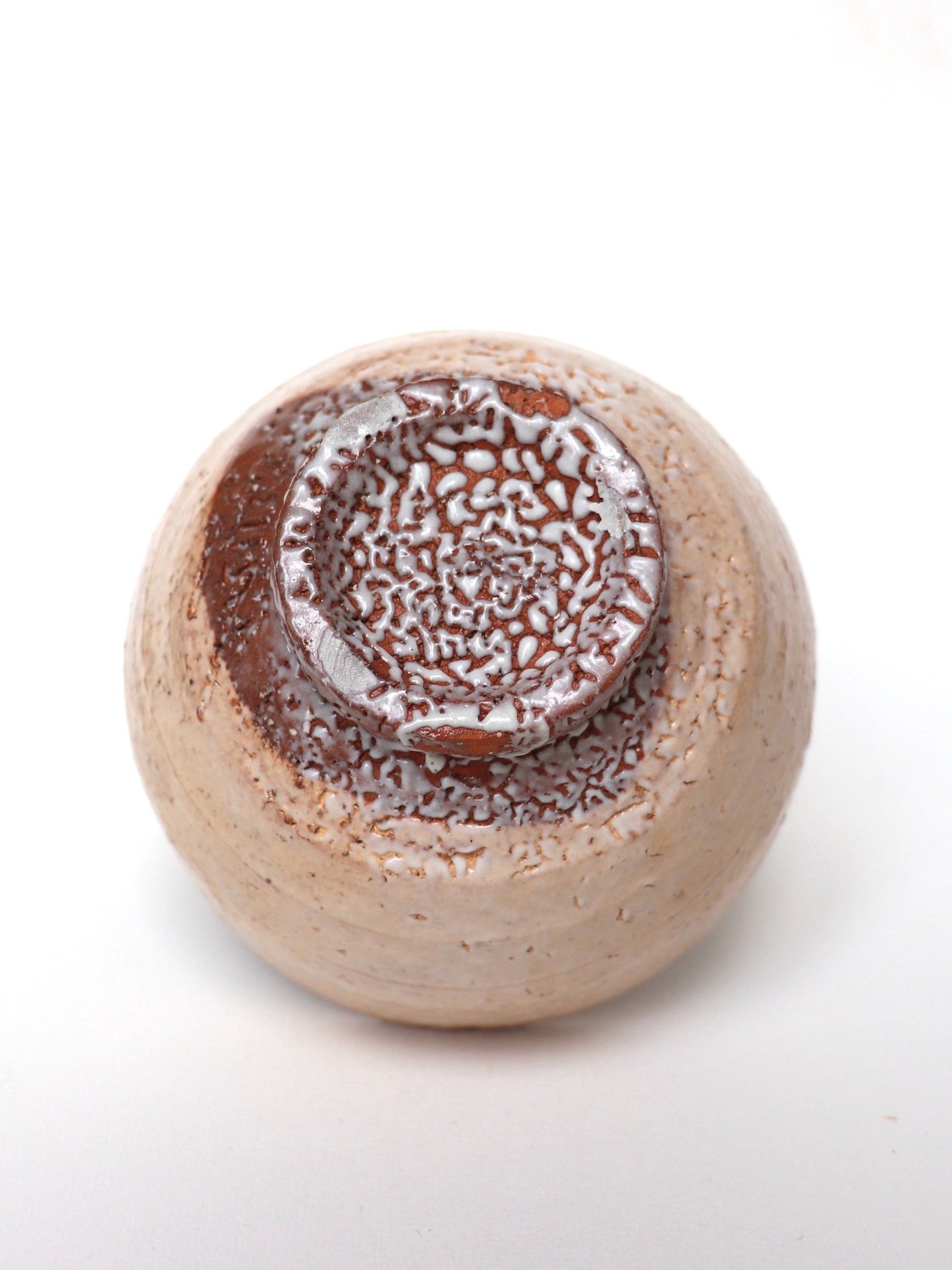
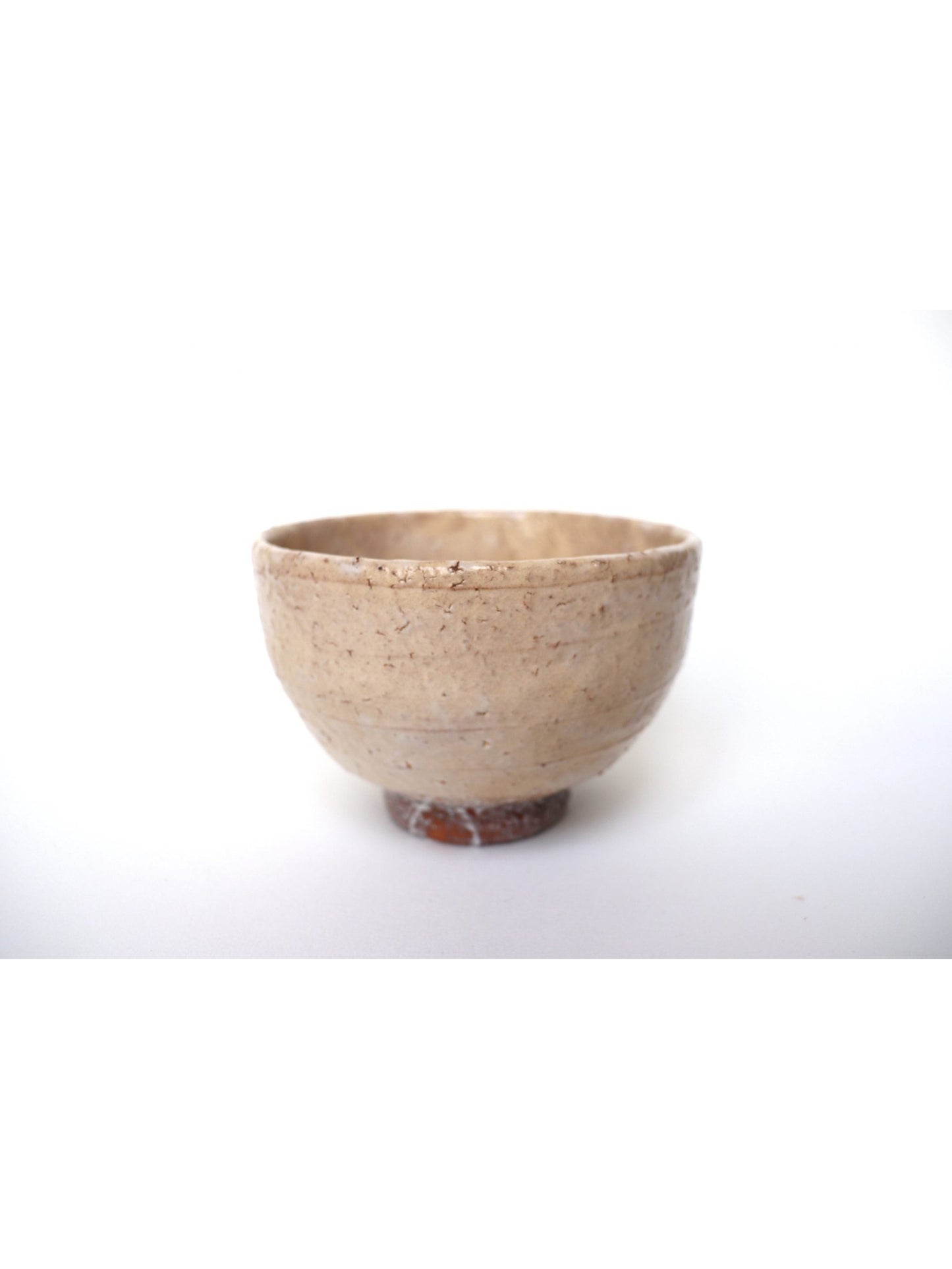
Hagi-yaki matcha bowl made by Nobuaki Yamato (1956-), in the Harunobu Shôroku kiln in Miyano, Yamaguchi Prefecture.
Hagi pottery originated in the late 16th century, shortly after the Japanese military campaigns on the Korean Peninsula. At that time, Korean potters were brought to Japan, bringing with them advanced ceramic techniques that would lay the foundation for several Japanese styles, including Hagi-yaki. The local feudal lord of Hagi, Mōri Terumoto, had kilns built in the Matsumoto area (present-day Hagi City) to produce ceramics for his personal tea ceremonies and official gifts. Over time, production spread to other areas, including Fukawa (now part of Nagato City), leading to the widespread popularity of Hagi-yaki throughout the Edo period (1603–1868).
Hagi-yaki is celebrated for its rustic simplicity and natural beauty. It is distinguished by its warm, earthy tones and soft, porous texture. A highly recognizable feature is the fine crackle in the glaze called kan-nyuu (貫入), which forms naturally as the kiln cools, since the glaze contracts more rapidly than the body of the ceramic. These cracks, in addition to their subtle visual appeal, allow liquids to slowly penetrate the surface, causing subtle changes in color over time. This is known as "Hagi no nana-baké" (Hagi changes the color tone "seven times"). This phenomenon, highly valued in tea culture, symbolizes transformation and gives each piece a unique and vibrant character as it is used.
The production of Hagi-yaki relies on meticulous craftsmanship passed down through generations. Artisans use a blend of local clays (Daidō, Mitake, and Mishima) to achieve the desired texture and color. The clay is first mixed with water and filtered for approximately two weeks to remove any impurities. The pieces are then hand-shaped, dried, and bisque-fired. A layer of translucent beige glaze is applied to enhance the clay's natural tones. Finally, a second firing allows the glaze and clay to interact, creating the characteristic crackle effect and subtle variations in color.
Hagi-yaki holds a place of honor in the Japanese tea ceremony. An old proverb says, "Raku first, Hagi second, Karatsu third," highlighting the esteem in which Hagi-yaki is held. Its soft texture, its aesthetic evolution over time, and its poetic imperfection perfectly illustrate the principles of wabi-sabi, the Japanese philosophy that values the beauty of impermanence, simplicity, and imperfection. The contrast between the rich, vibrant green of matcha and the subtle tones of Hagi-yaki intensifies the sensory experience of the tea ceremony.


Blog posts
-

New Year in the world of Japanese tea
In Japan, they say that the New Year of Tea takes place in November and not on January 1st. This is explained by the seasonality of the tea leaves and...
New Year in the world of Japanese tea
In Japan, they say that the New Year of Tea takes place in November and not on January 1st. This is explained by the seasonality of the tea leaves and...
-

Maintenance and cleaning of tea utensils and ac...
Our advice for maintaining your kyusu, your chasen and other tea utensils and accessories.
Maintenance and cleaning of tea utensils and ac...
Our advice for maintaining your kyusu, your chasen and other tea utensils and accessories.
-

The birth of the Maruyama Nori house in 1854 in...
The birth of the Maruyama Nori house in 1854 in the world historical context If we can imagine that 1854 was now almost 200 years ago, it can be...
The birth of the Maruyama Nori house in 1854 in...
The birth of the Maruyama Nori house in 1854 in the world historical context If we can imagine that 1854 was now almost 200 years ago, it can be...


