

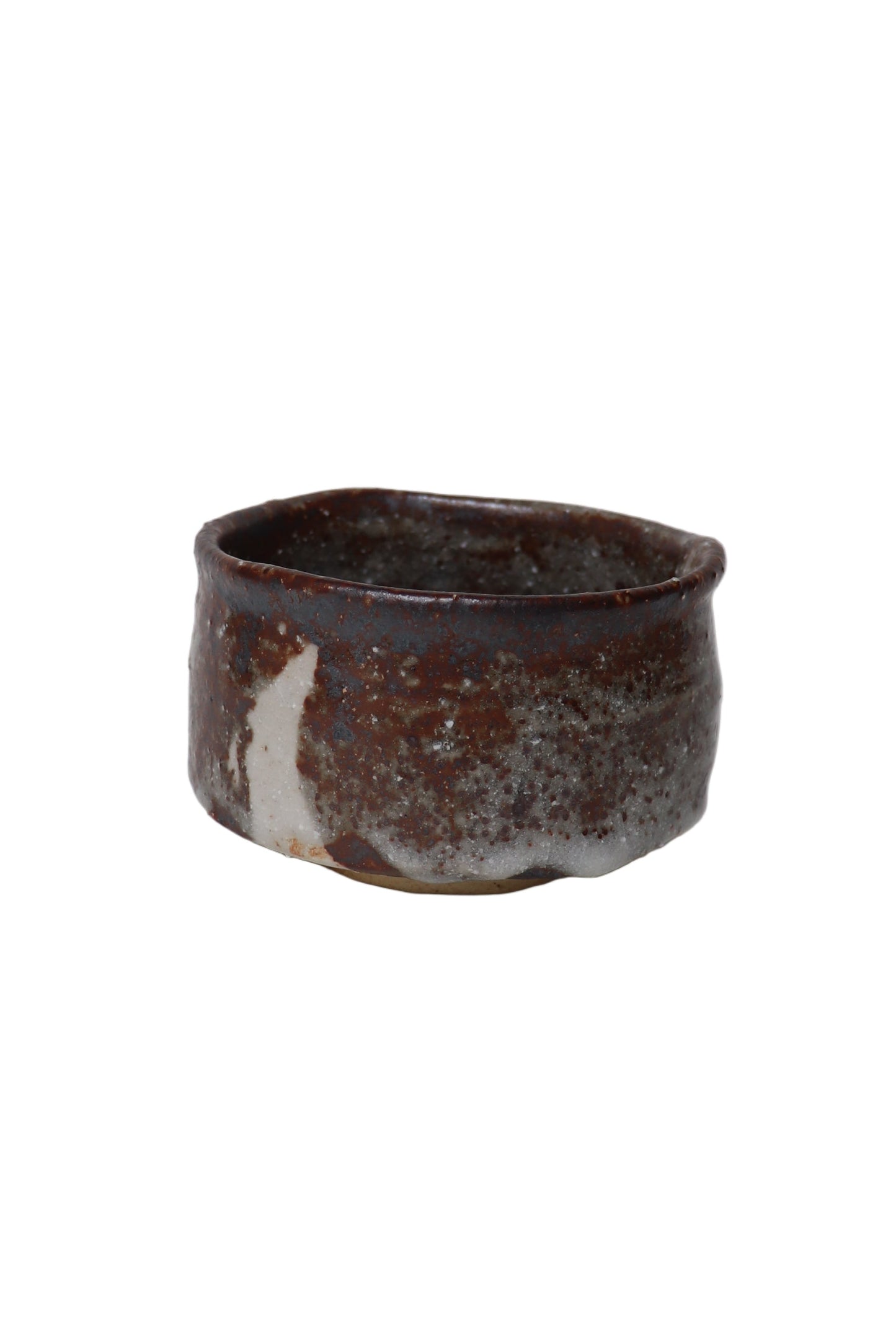
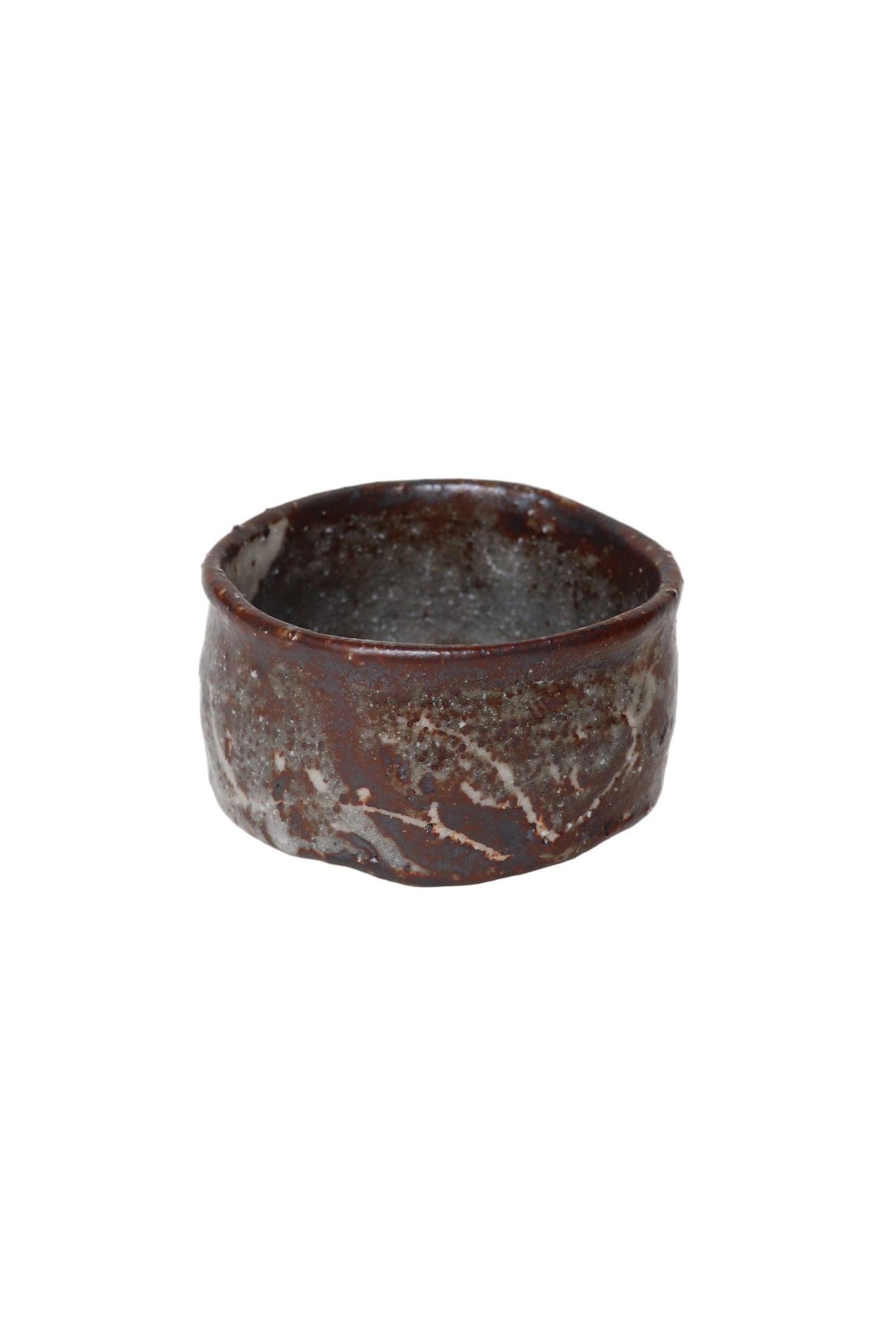
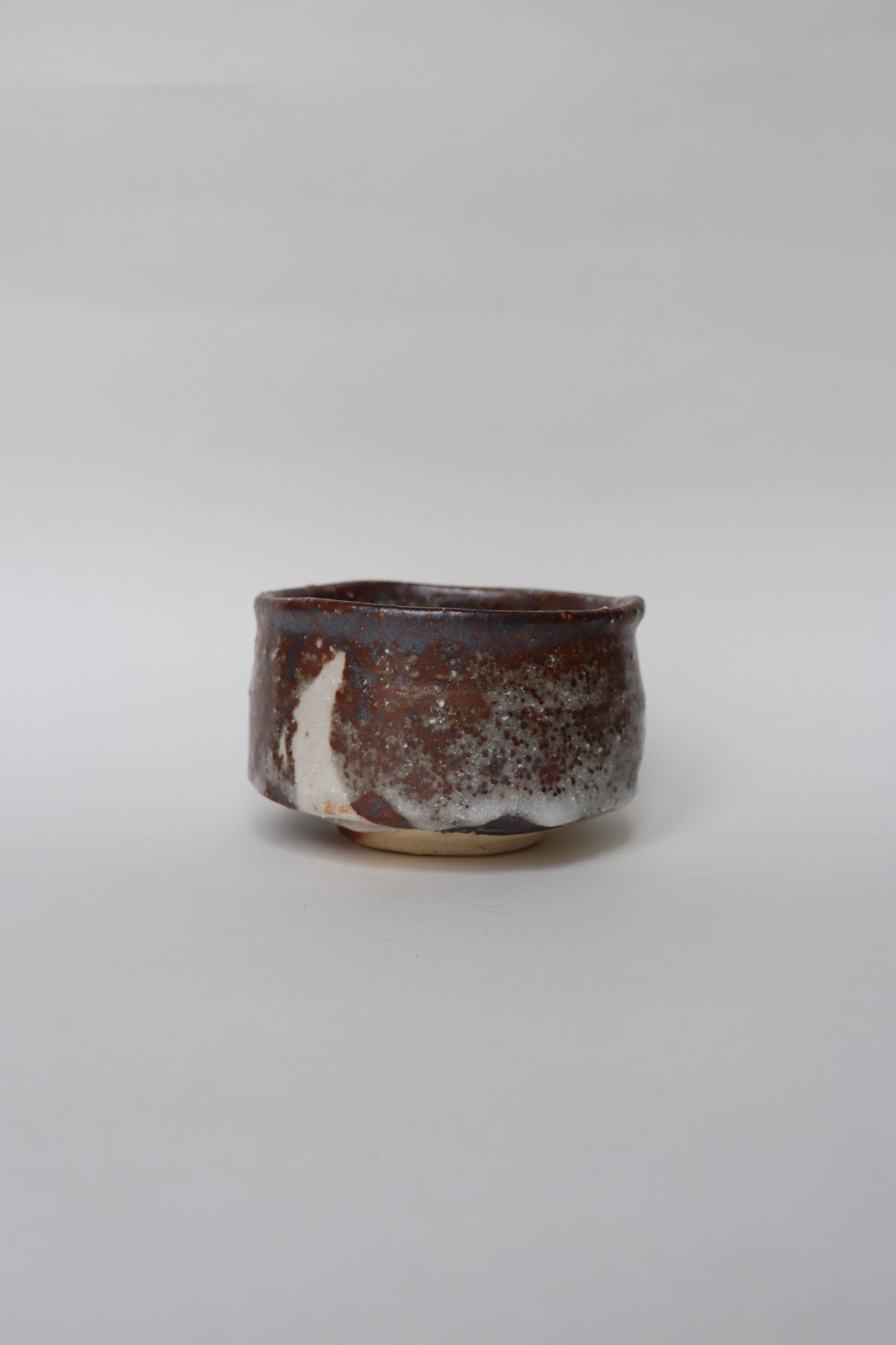
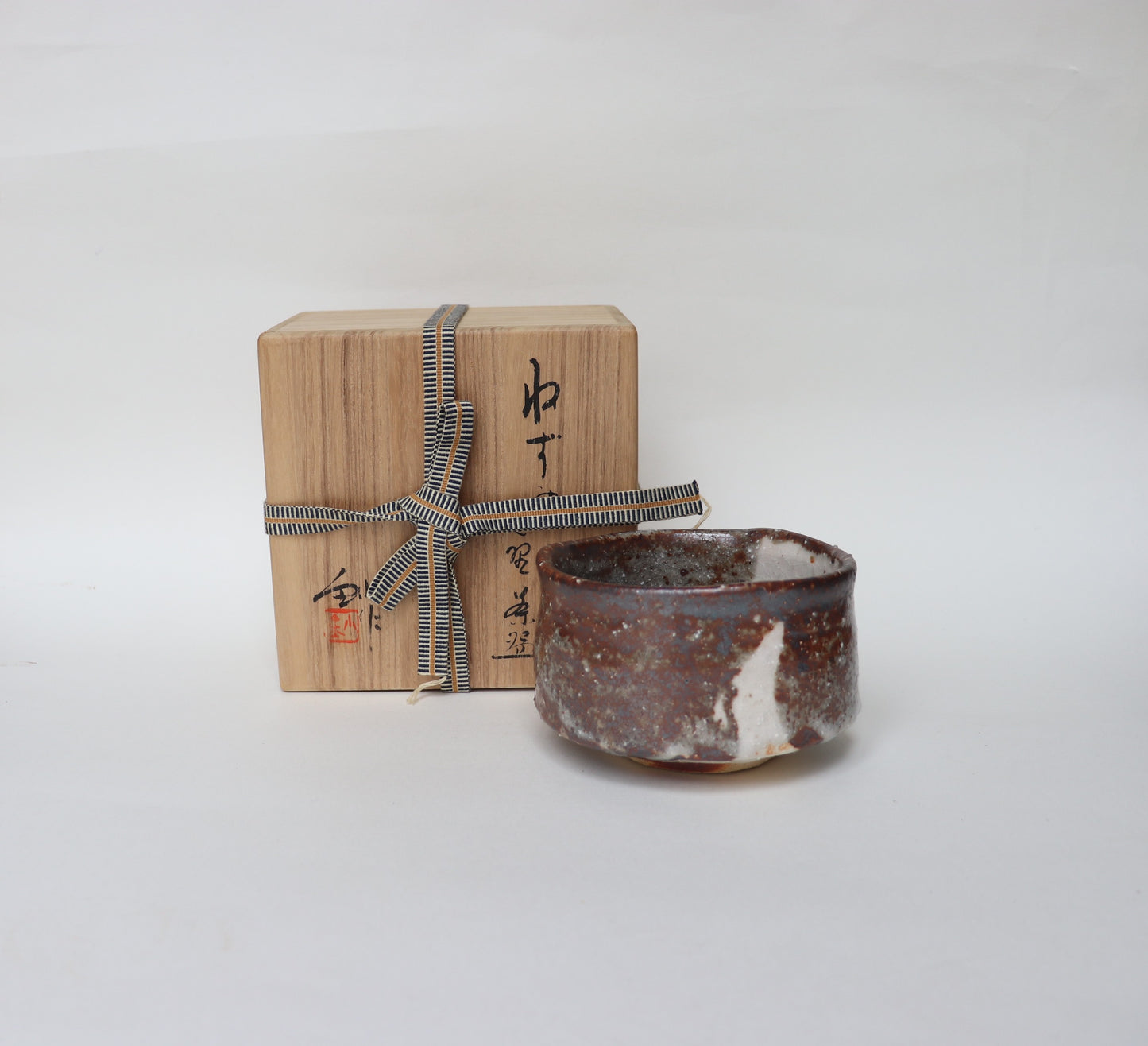
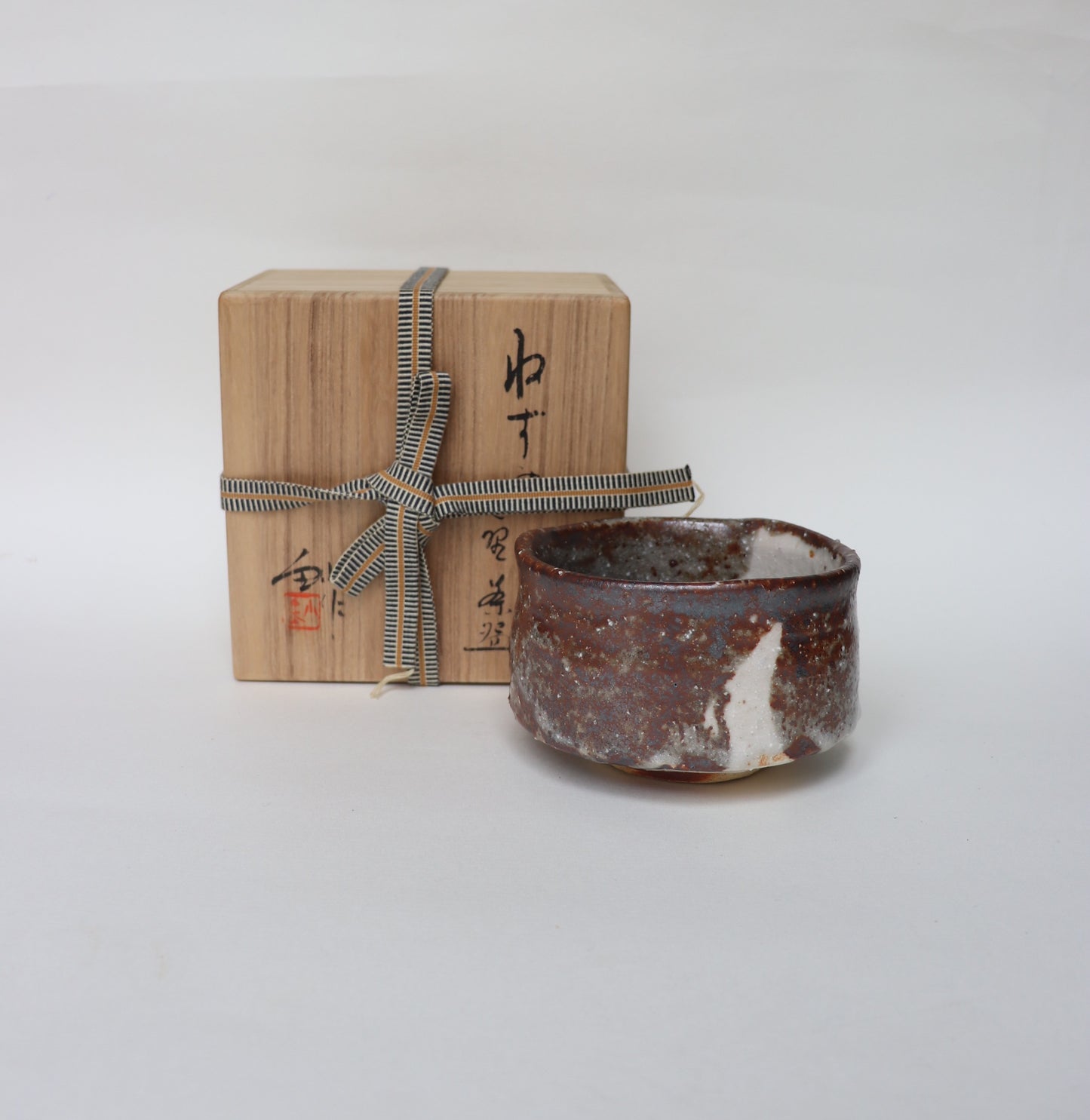
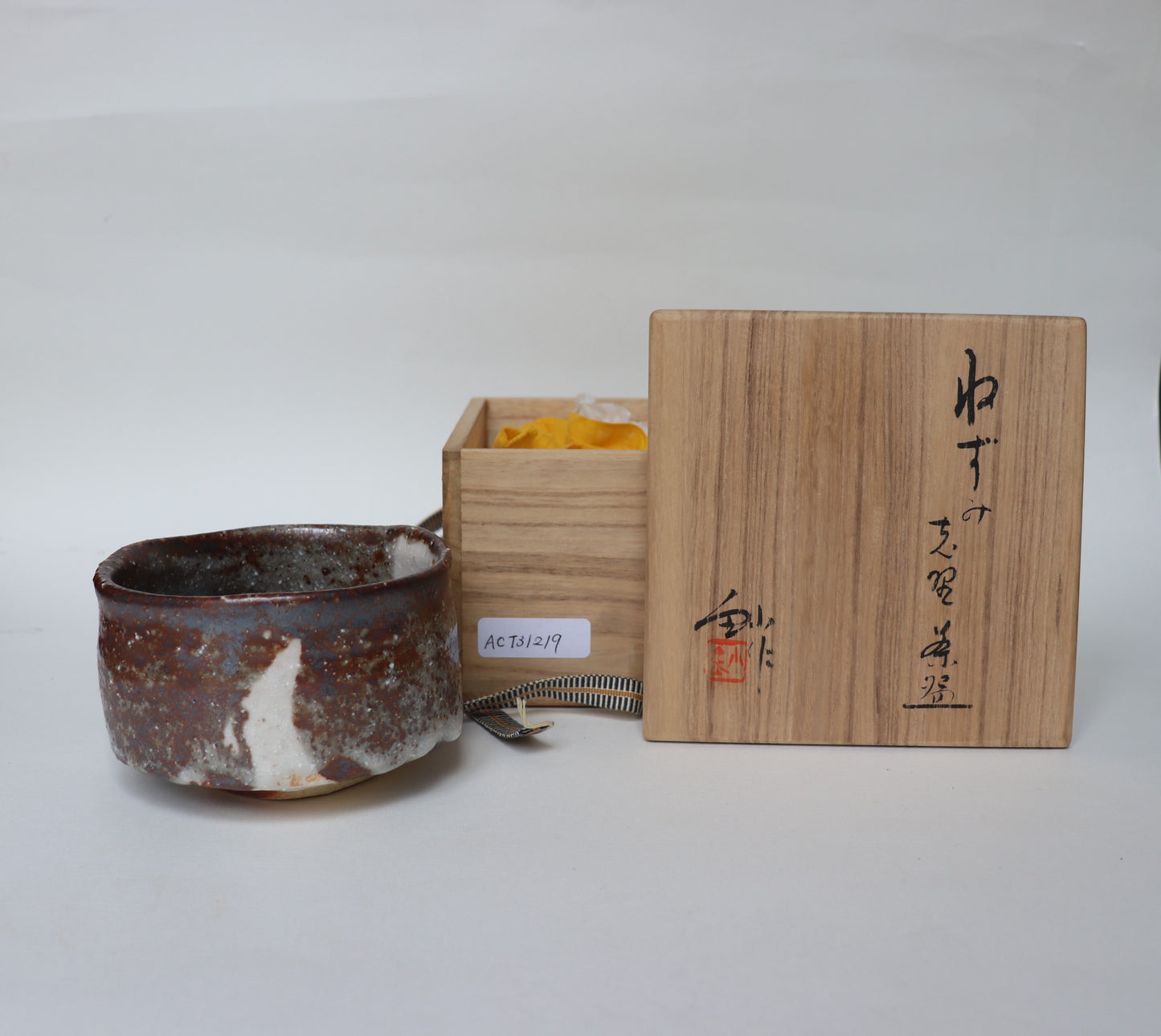
Bol à matcha / Kato Nezumi Shino
Bol à matcha / Kato Nezumi Shino
Quantity
Couldn't load pickup availability
Please note, this item is a unique piece.
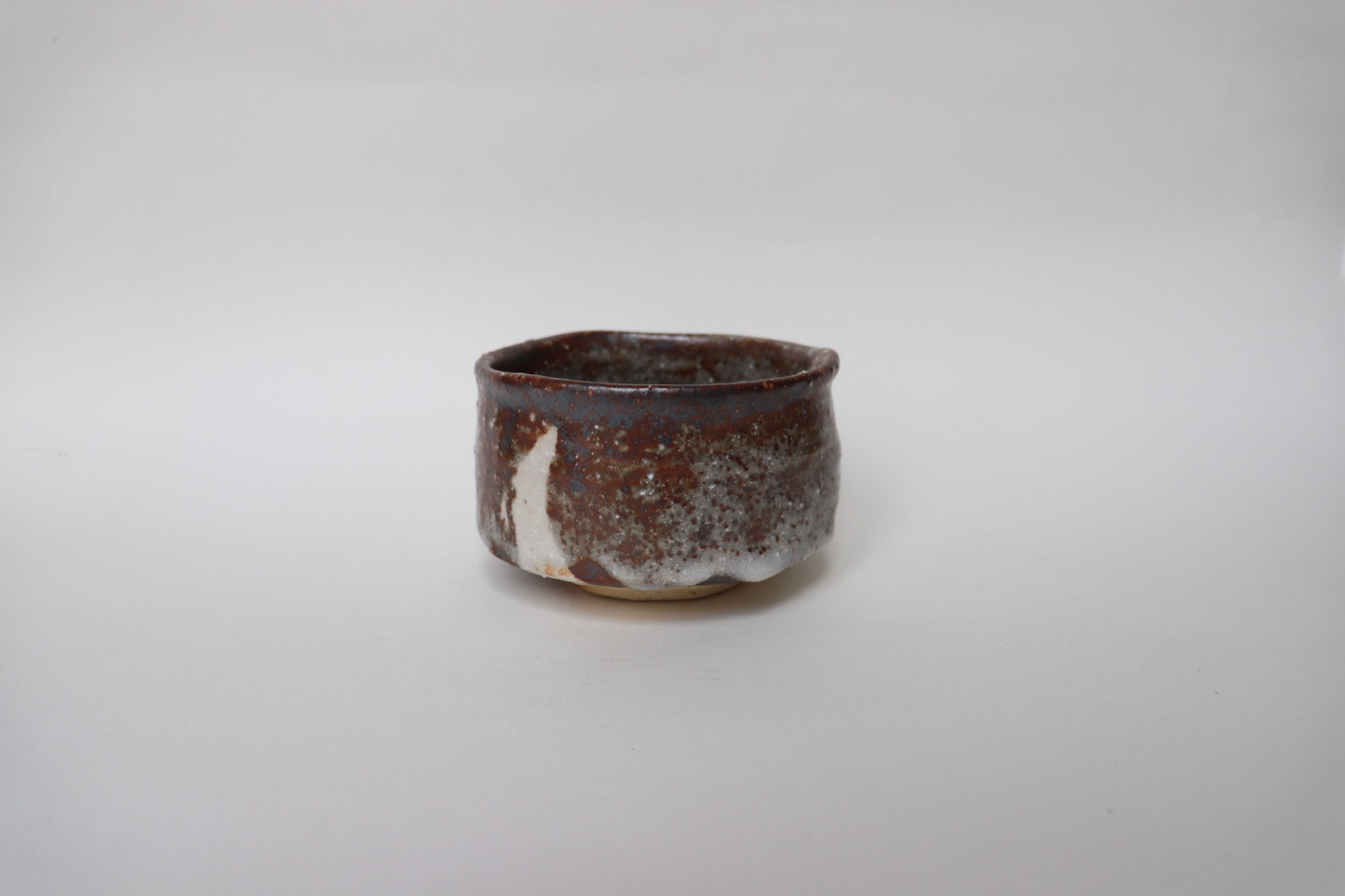
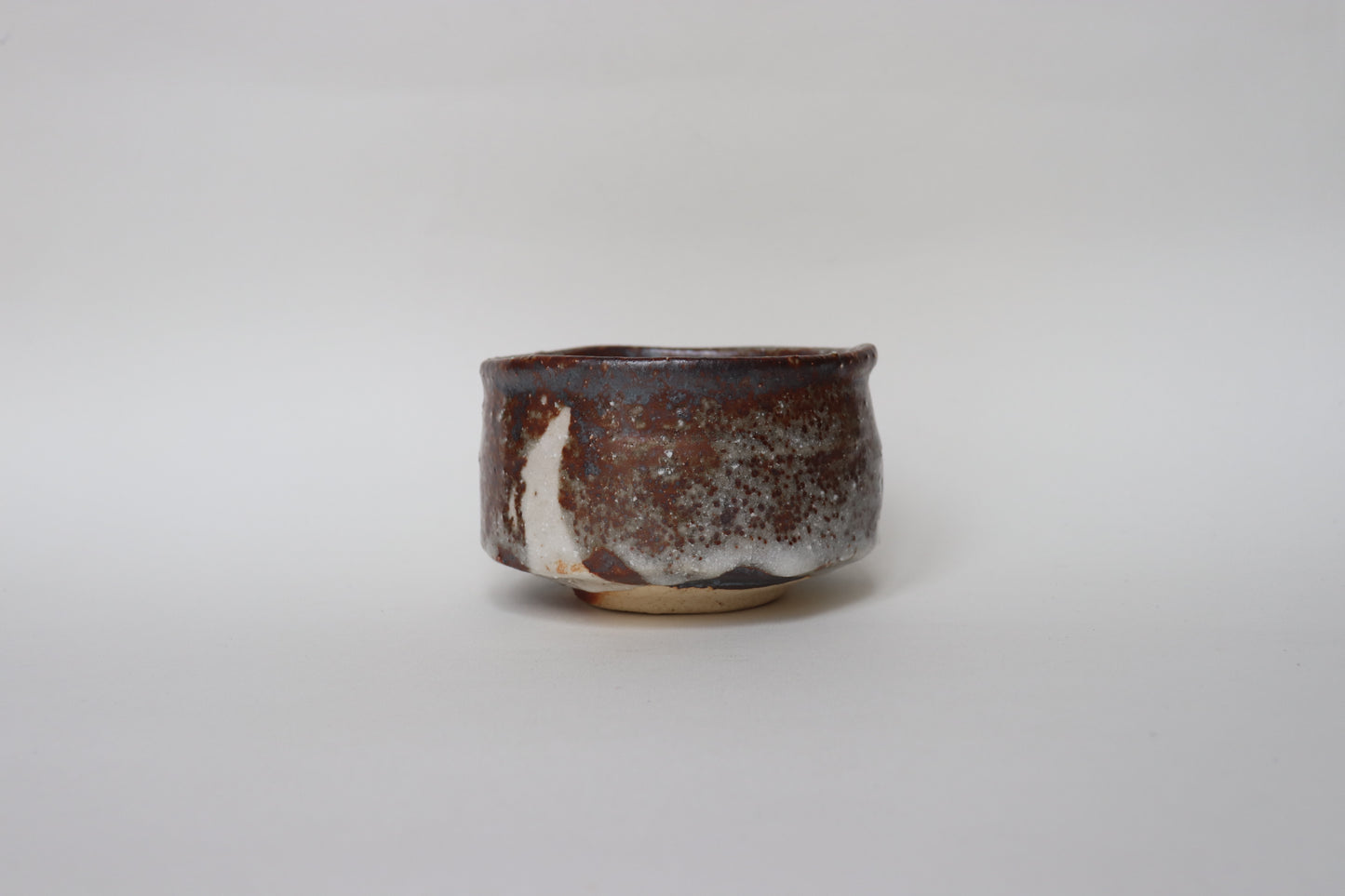
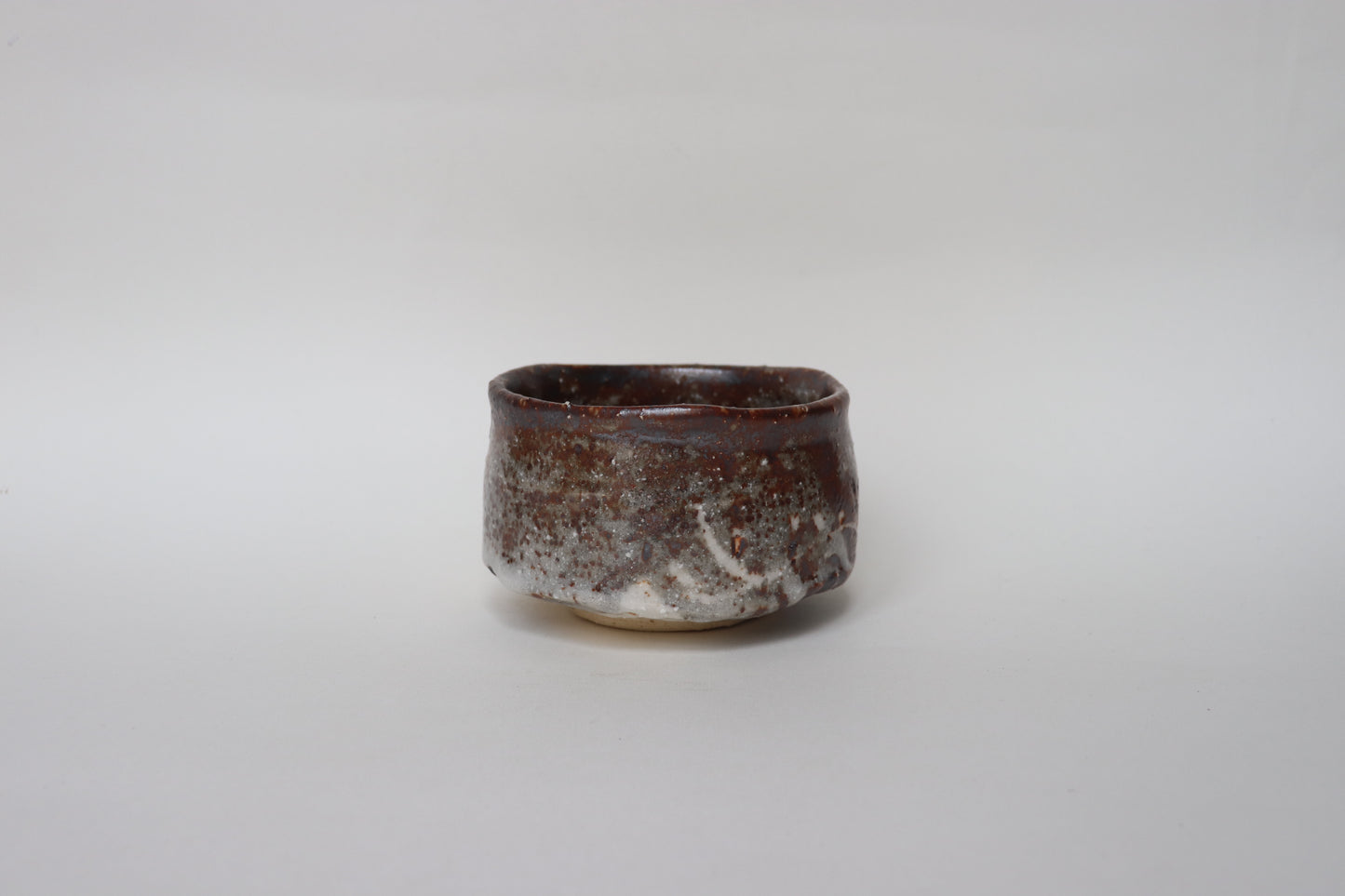
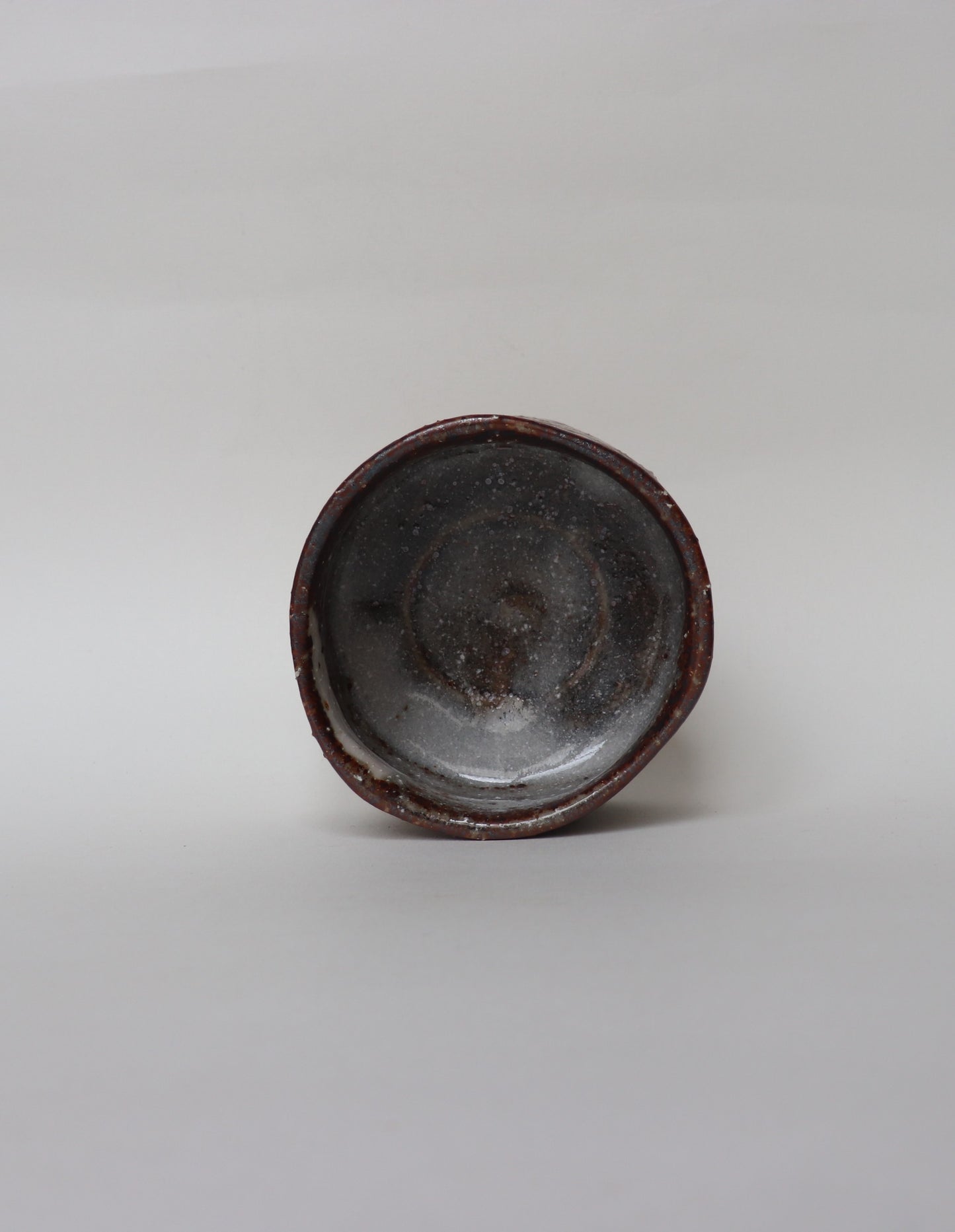
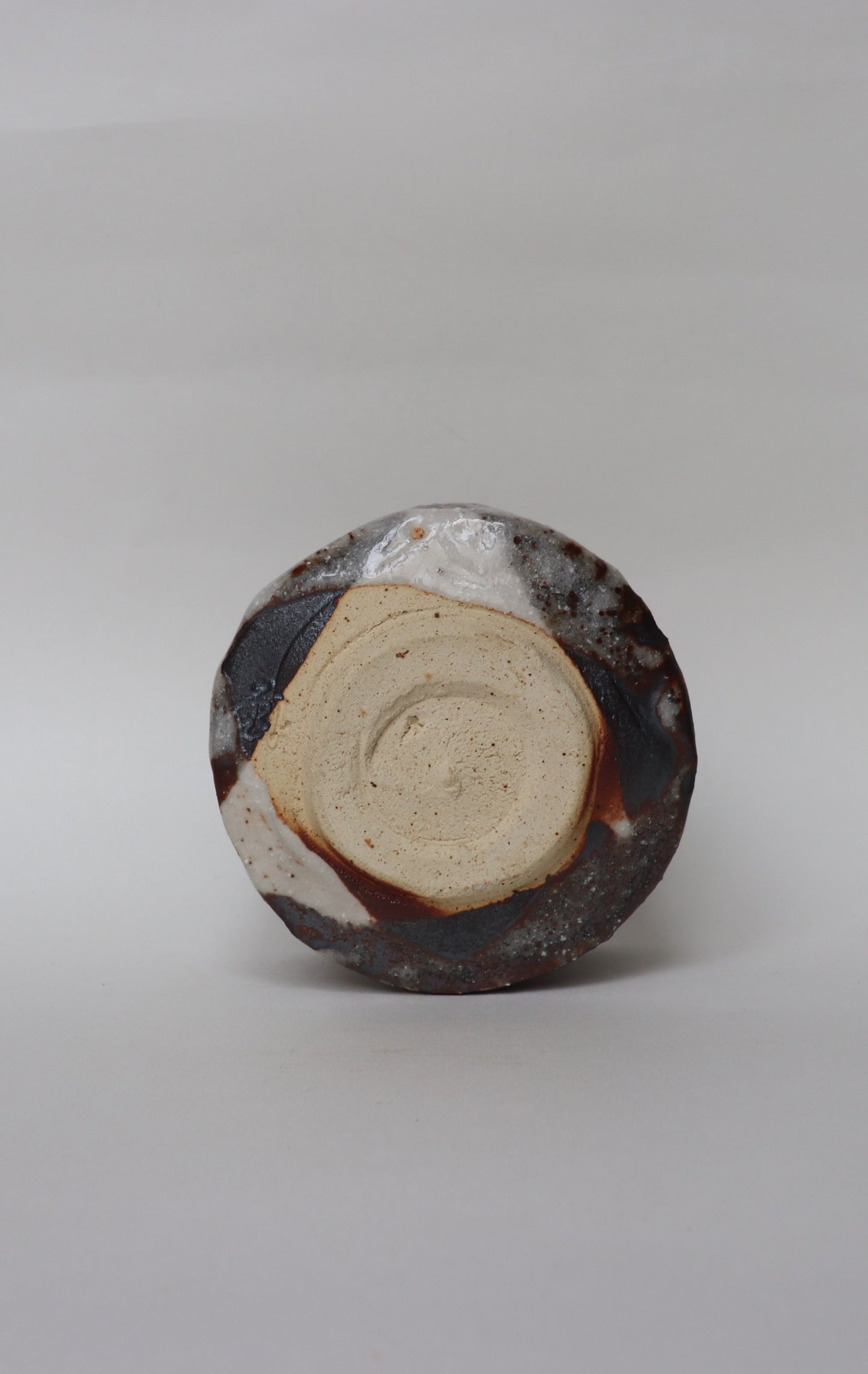
Bol à matcha — Akatsu-gama
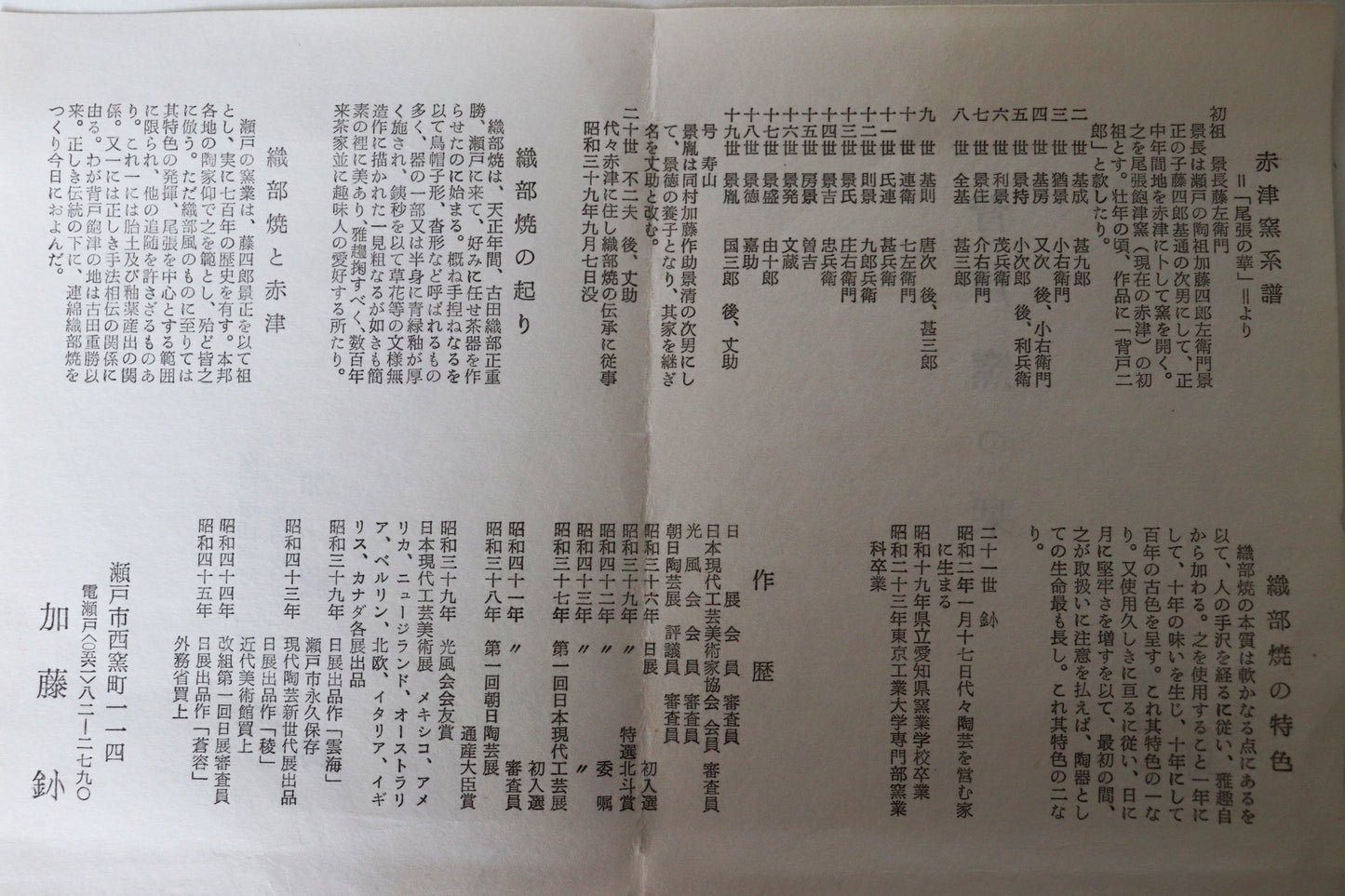
Katō Shō (1907–2001) — Seto, Aichi
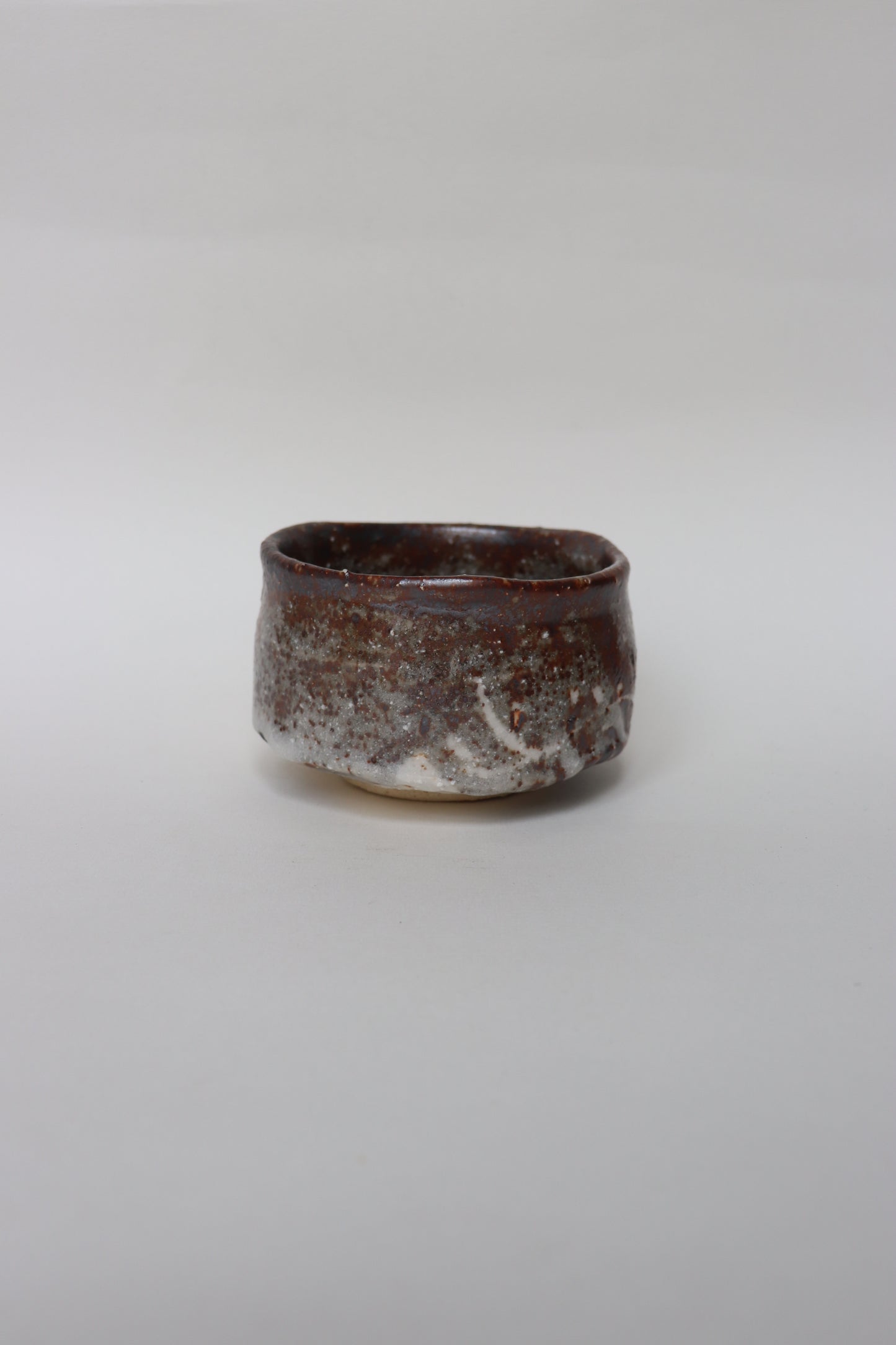
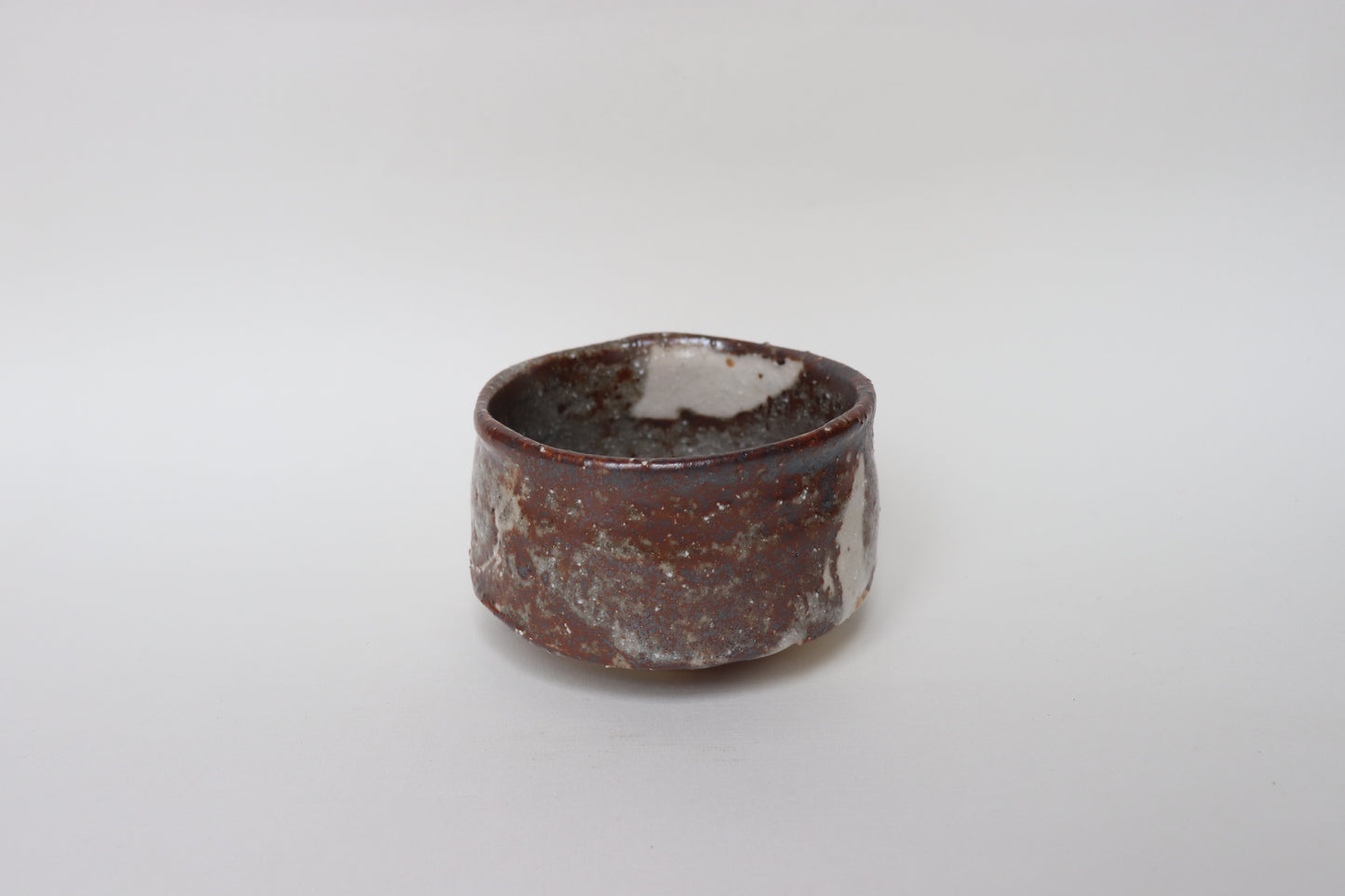
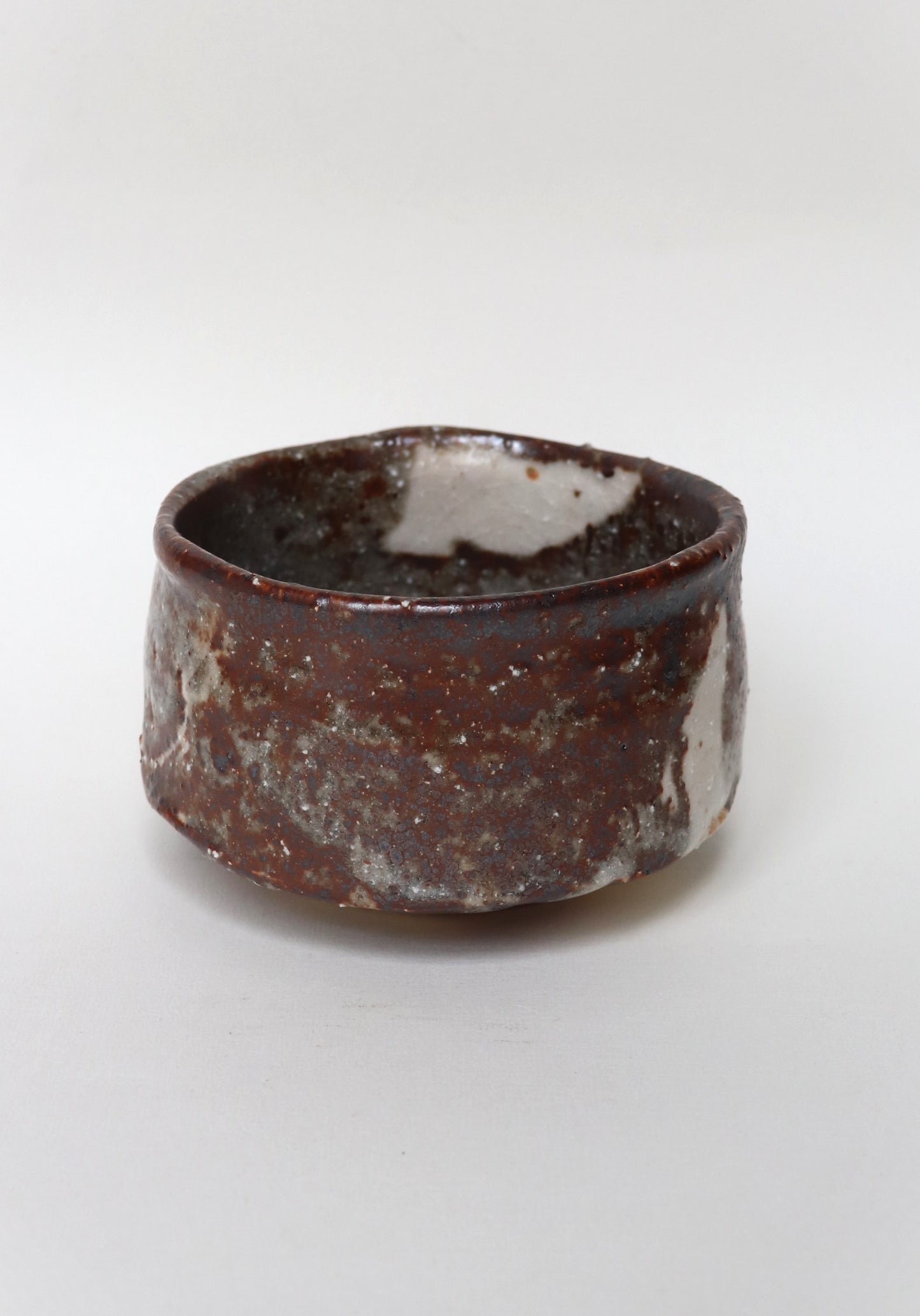
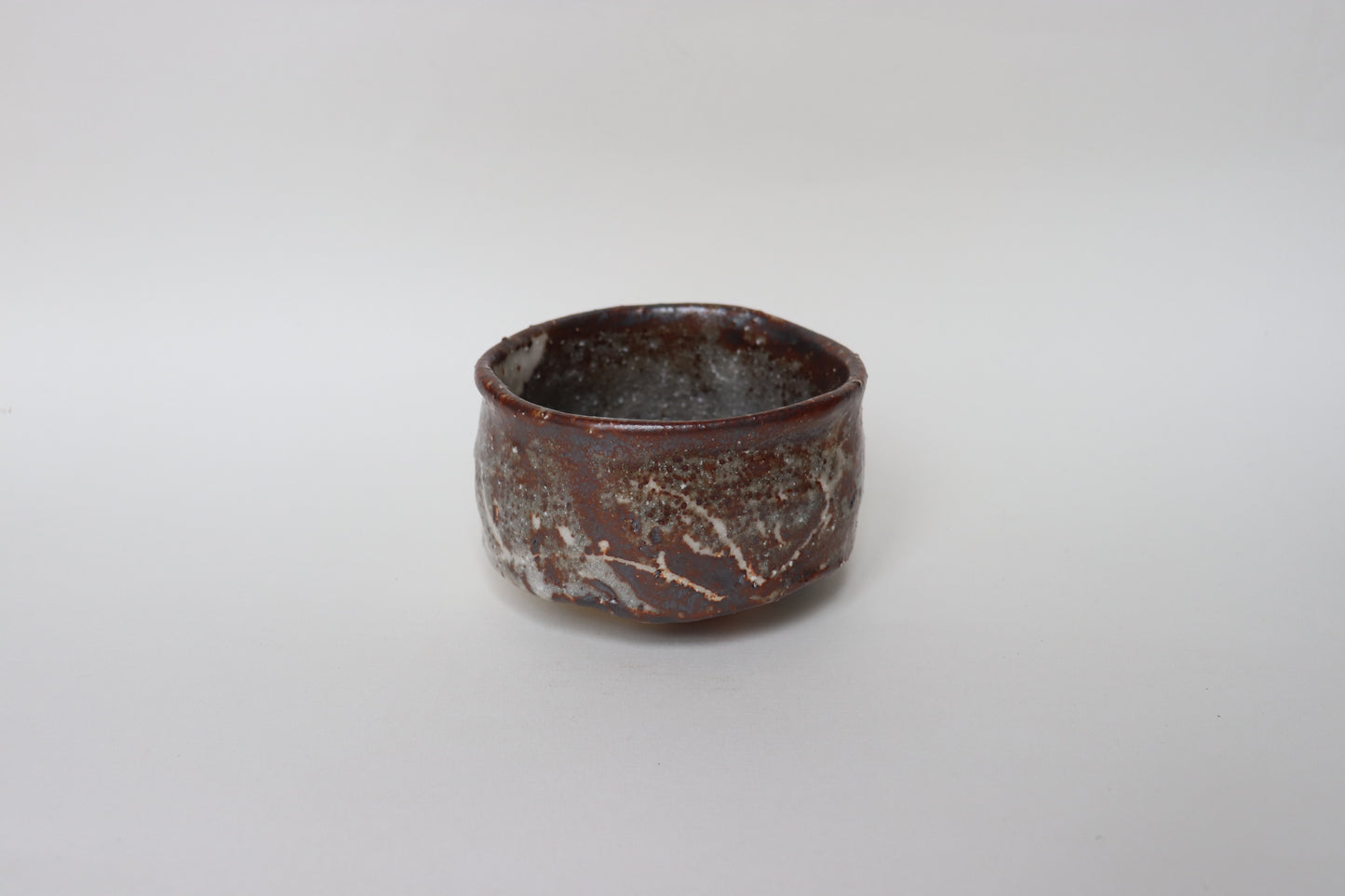
This bowl matcha It comes from the Akatsu-gama kiln in Seto, Aichi Prefecture, and was shaped by Katō Shō, a ceramist recognized as a holder of the iron glaze (tetsuyū) technique, designated as a traditional craft by Aichi Prefecture in 2000. Born in 1927 into a family long established in the pottery hamlet of Akatsu, Katō Shō devoted his life to exploring the aesthetic possibilities of iron and ash in Seto ceramics.
A graduate of the ceramics department at Tokyo University of Engineering in 1948, he immediately returned to Seto to continue the family tradition. From his admission to the Nitten Salon in 1963, he received numerous awards at national and regional exhibitions. In the 1970s, he became a jury member and advisor to several ceramics associations, while also training many students.
Seto is historically one of the major centers of Japanese ceramics, renowned for its ash and iron glazes. Katō Shō expanded upon this tradition by developing variations in color achieved through precise control of iron proportions, temperature, and firing atmosphere. His research resulted in a personal language centered on tetsuyū, combining textural effects ranging from deep brown to bluish-black, sometimes enhanced with golden highlights. He also introduced modern elements such as gilding (kinsai), which he integrates with great mastery into the raw texture of the glaze, creating an encounter between traditional austerity and contemporary elegance.
This bowl exemplifies this dual approach: rooted in the tradition of "Kose-to" (ancient Seto ware), yet imbued with a modern perspective on light and surface. Its dense texture and thick, iron-rich glaze evoke the power of Akatsu clay, while the gentle curve and deep color suggest an aesthetic of balance and tranquility.
Katō Shō followed in the footsteps of the Seto potters who, since the Middle Ages, had transformed iron, ash, and flame into a visual language. Through the richness of its nuances and the nobility of its texture, this bowl... matcha It testifies to a know-how passed down through several generations, where fire reveals the hidden beauty of the earth.
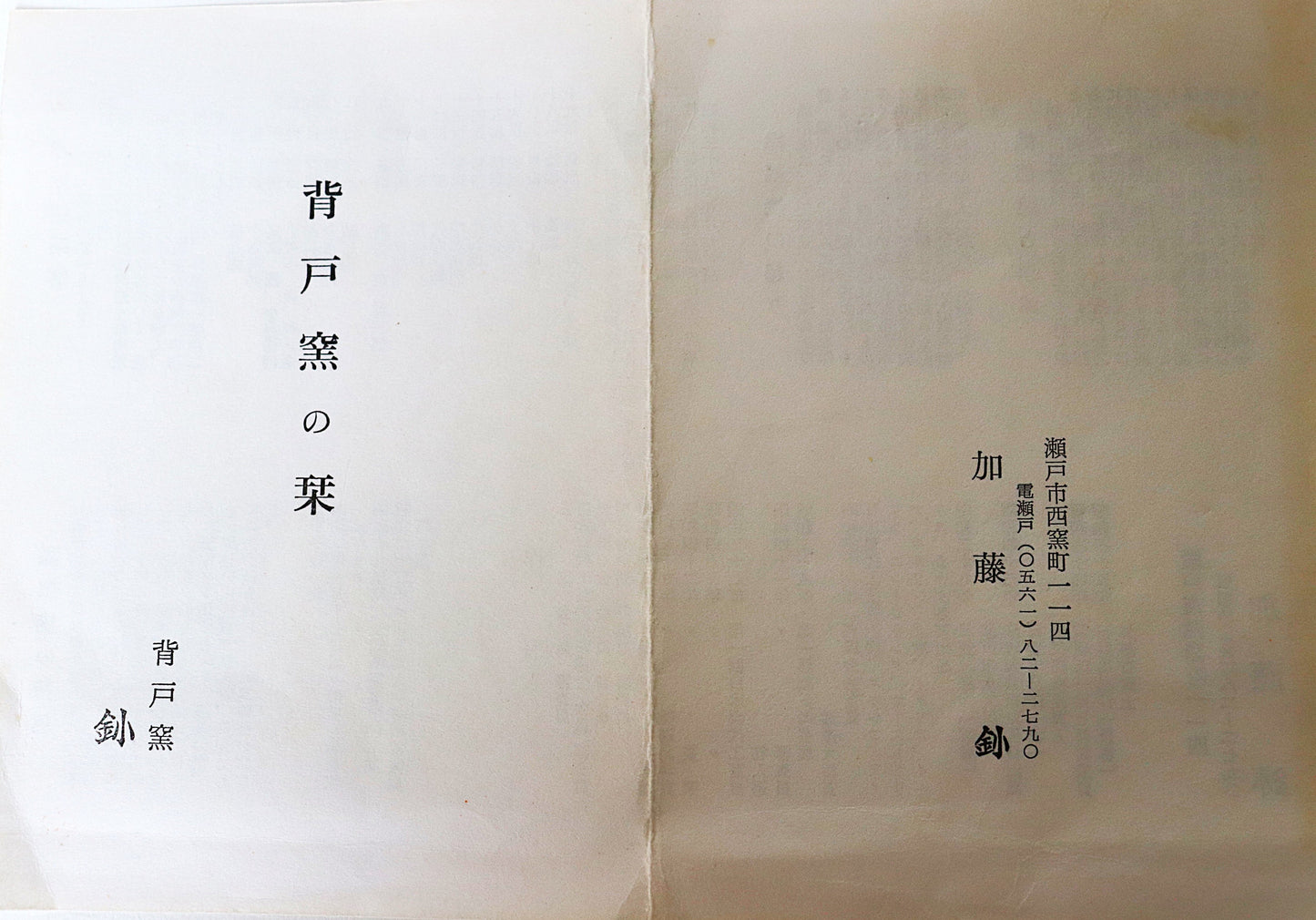
Matcha Bowl — Documents Kiln
Katō Shō (1907–2001) — Seto, Aichi
This matcha bowl was produced at the Akatsu Kiln in Seto, Aichi Prefecture, by Katō Shō, a master potter officially recognized as the preserver of the iron-glaze technique (tetsuyū) by the Aichi Prefectural Government in 2000. Born in a long-established pottery family in Akatsu, he devoted his career to exploring the expressive possibilities of iron and ash in Seto ware.
After graduating from the Ceramic Arts Department of Tokyo Institute of Technology in 1948, Katō returned to his hometown and began his lifelong journey in clay. He first exhibited at the prestigious Nitten in 1963 and went on to receive numerous awards, later serving as juror and advisor to various ceramic associations while mentoring younger generations.
Seto has long been renowned for its ash and iron-glazed stoneware, known collectively as Ko-Seto. Within this lineage, Katō Shō developed his own distinctive approach to the tetsuyū glaze, mastering the interplay of iron content, firing atmosphere, and temperature to produce rich surfaces ranging from deep brown to dark blue-black, often accented with delicate golden highlights. His introduction of gold decoration (kinsai) within this traditional framework brought a subtle modernity and elegance to his work.
The bowl exemplifies this synthesis — deeply traditional yet quietly innovative. The robust iron glaze, with its dense, earthy depth, contrasts harmoniously with the smooth, balanced form. Its presence evokes both the rustic vigor of ancient Seto and the refined stillness sought in the tea ceremony.
Through such works, Katō Shō carried forward the heritage of Seto potters who transformed the elemental forces of fire, clay, and iron into art. His creations, born of restraint and precision, reveal a profound dialogue between tradition and modern sensitivity — where simplicity becomes luminous.
Blog posts
-

New Year in the world of Japanese tea
Au Japon, on dit que le nouvel an du thé a lieu en novembre et non le 1er janvier. Cela s’explique par la saisonnalité des feuilles de thé et plus...
New Year in the world of Japanese tea
Au Japon, on dit que le nouvel an du thé a lieu en novembre et non le 1er janvier. Cela s’explique par la saisonnalité des feuilles de thé et plus...
-

Maintenance and cleaning of tea utensils and ac...
Our advice for maintaining your kyusu, your chasen and other tea utensils and accessories.
Maintenance and cleaning of tea utensils and ac...
Our advice for maintaining your kyusu, your chasen and other tea utensils and accessories.
-

The birth of the Maruyama Nori house in 1854 in...
The birth of the Maruyama Nori house in 1854 in the world historical context If we can imagine that 1854 was now almost 200 years ago, it can be...
The birth of the Maruyama Nori house in 1854 in...
The birth of the Maruyama Nori house in 1854 in the world historical context If we can imagine that 1854 was now almost 200 years ago, it can be...


