

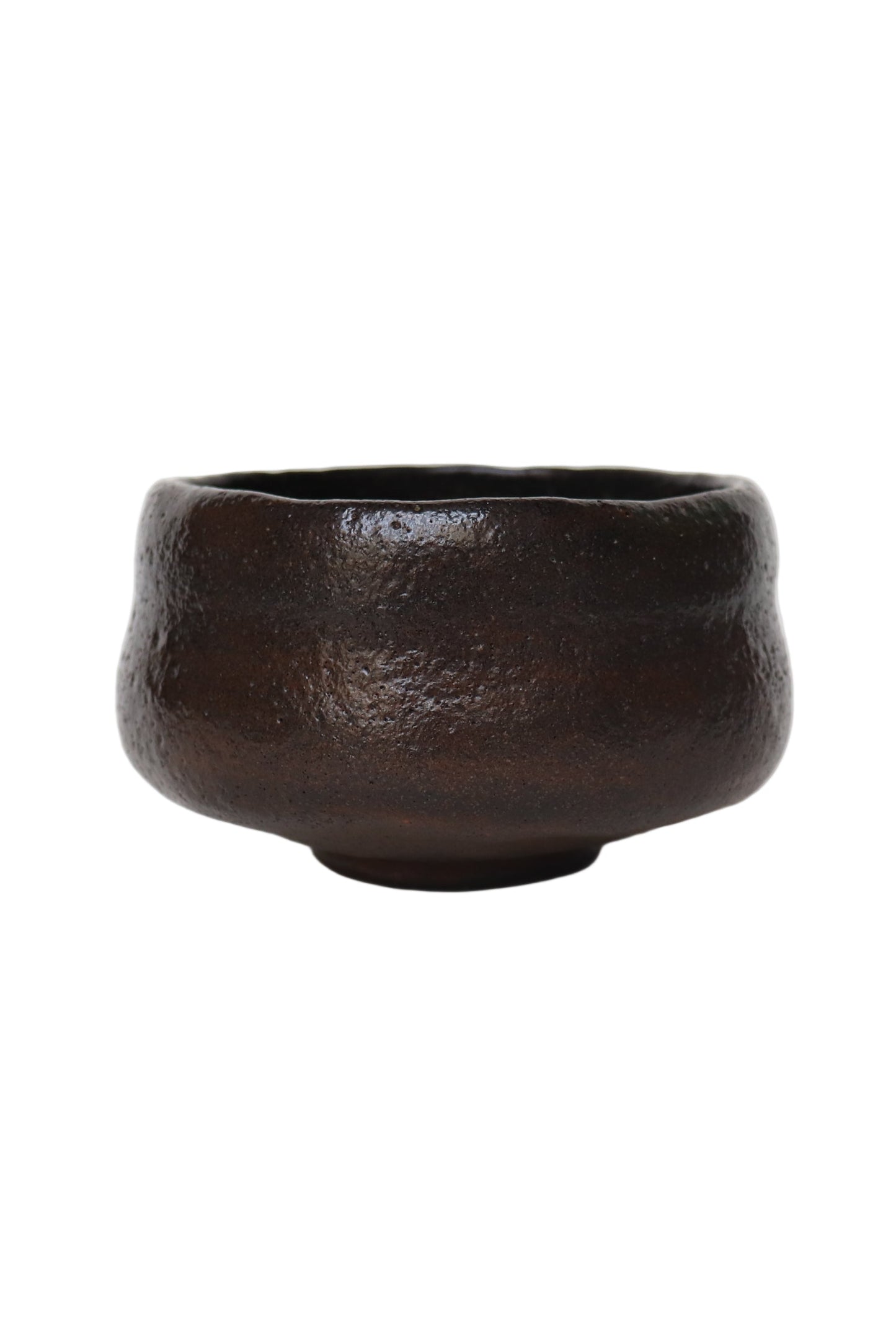
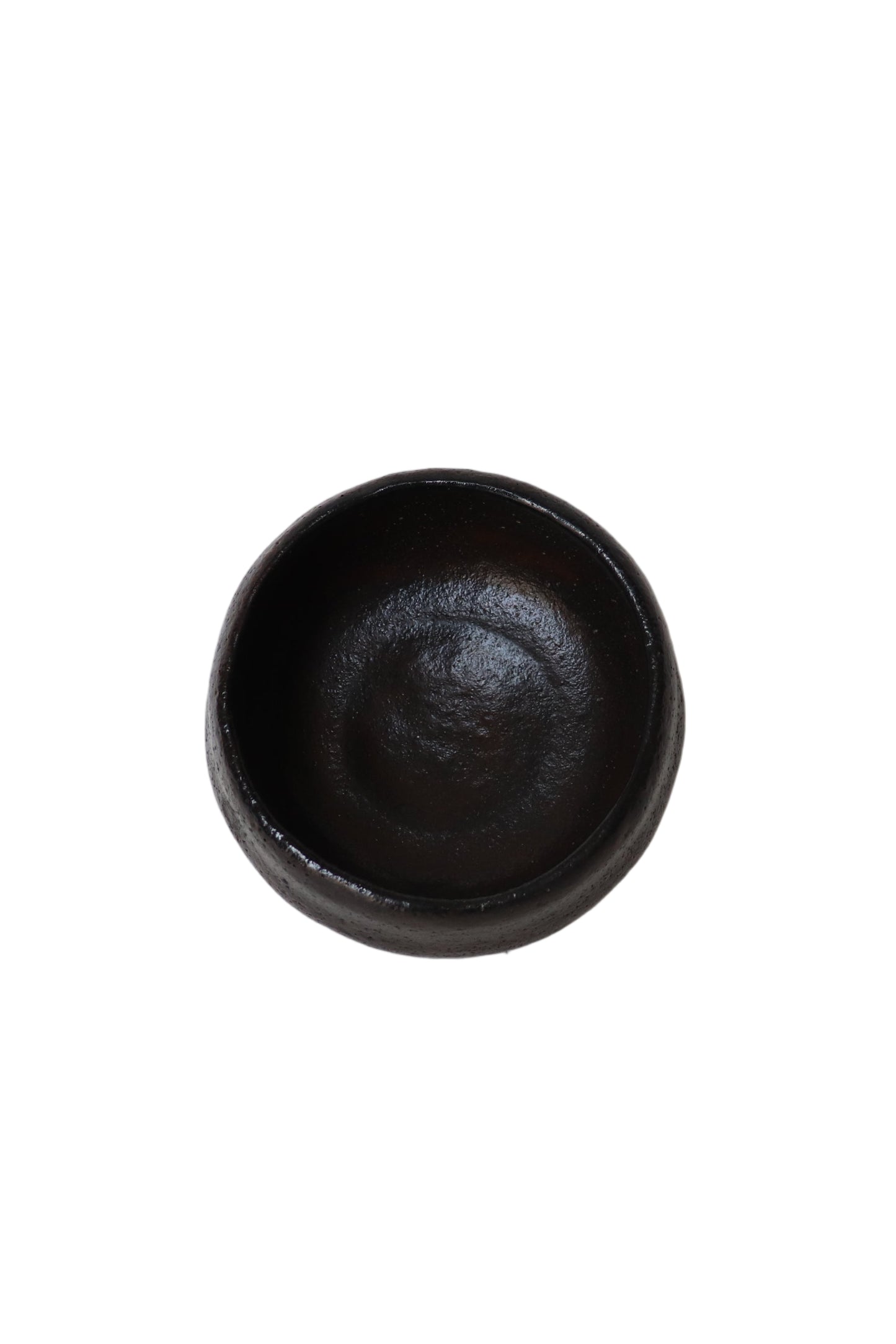
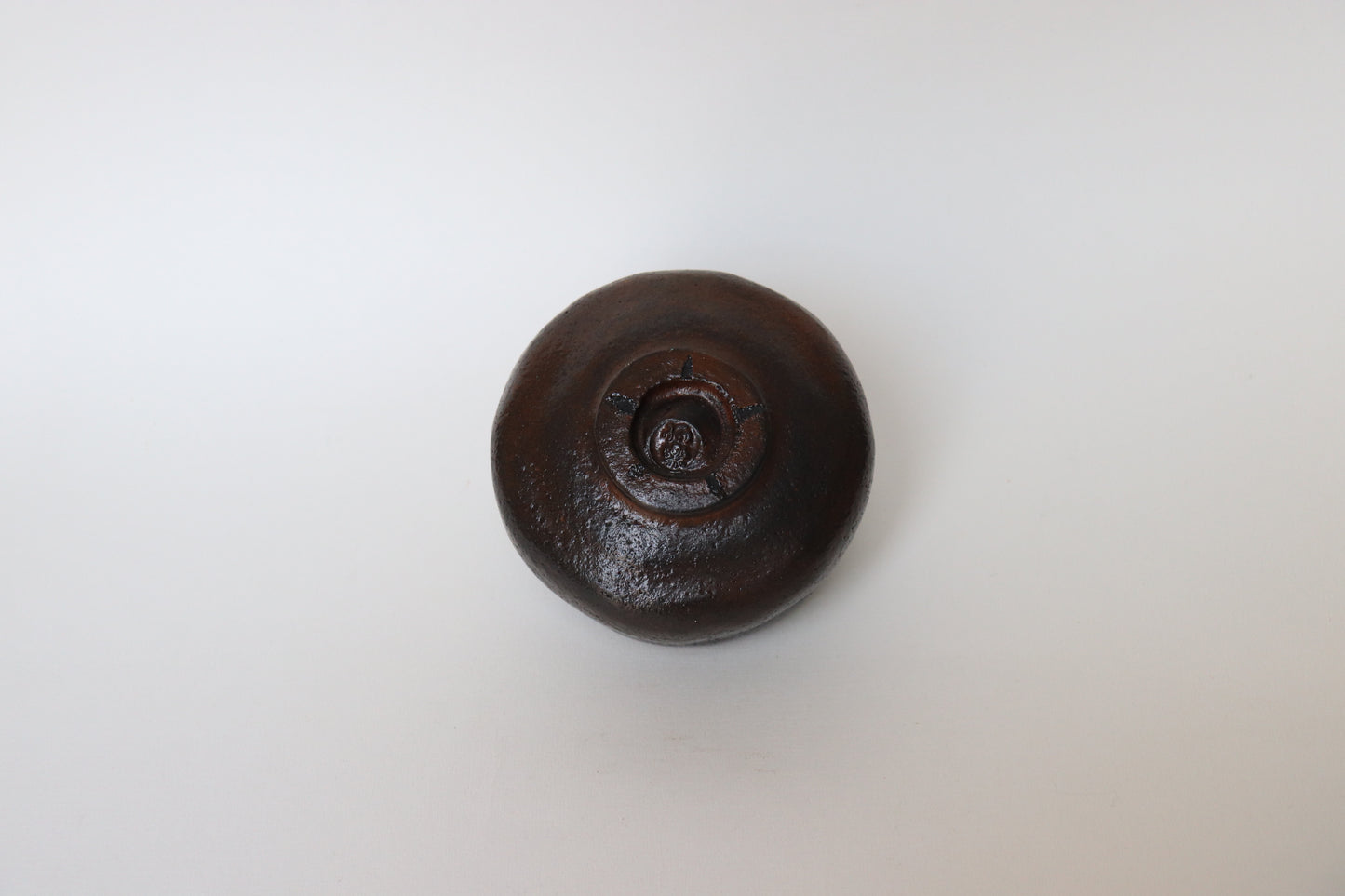
Bol à matcha Kyoto Shoraku Kuroraku
Bol à matcha Kyoto Shoraku Kuroraku
Quantity
Couldn't load pickup availability
Please note, this item is a unique piece.
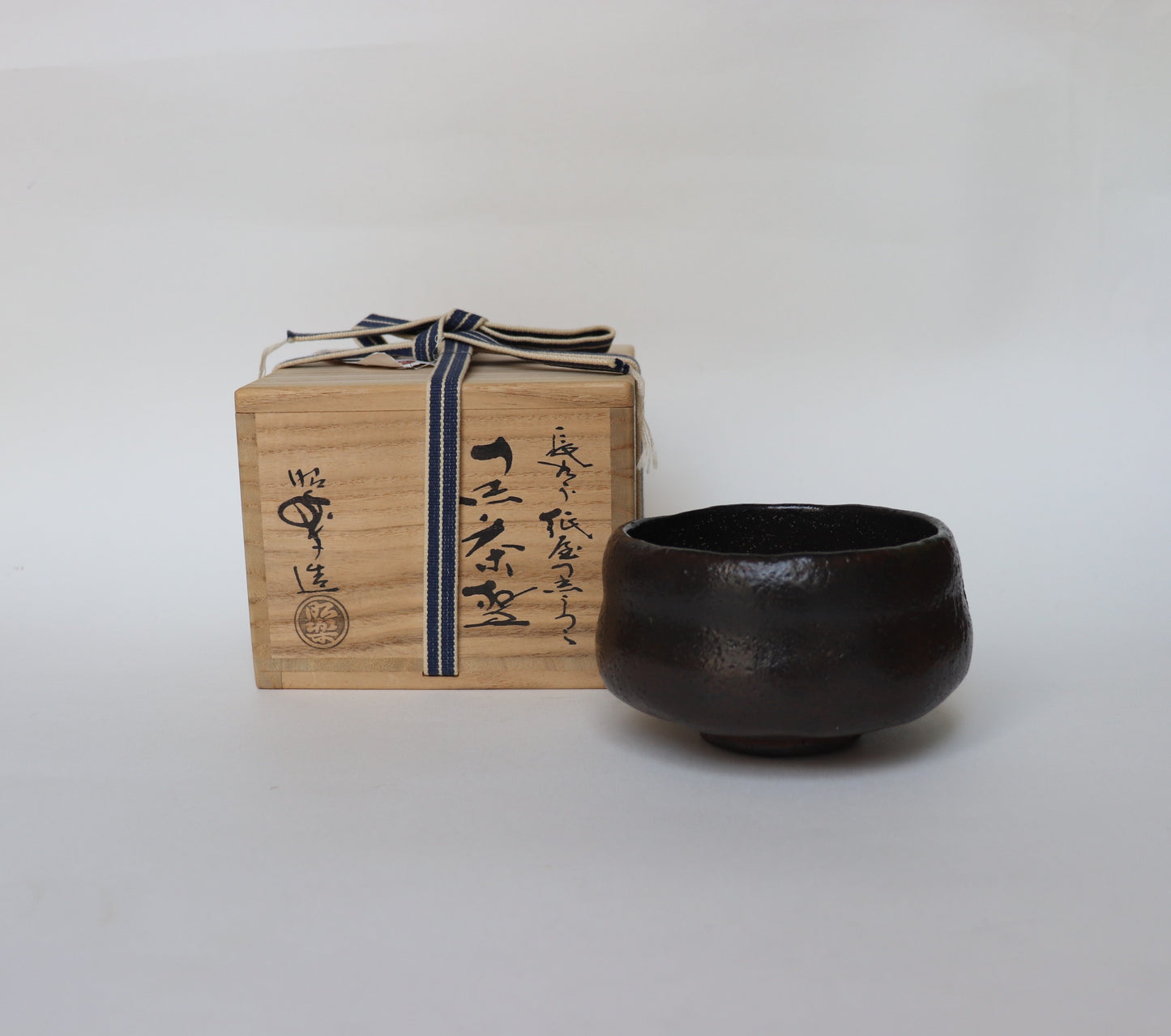
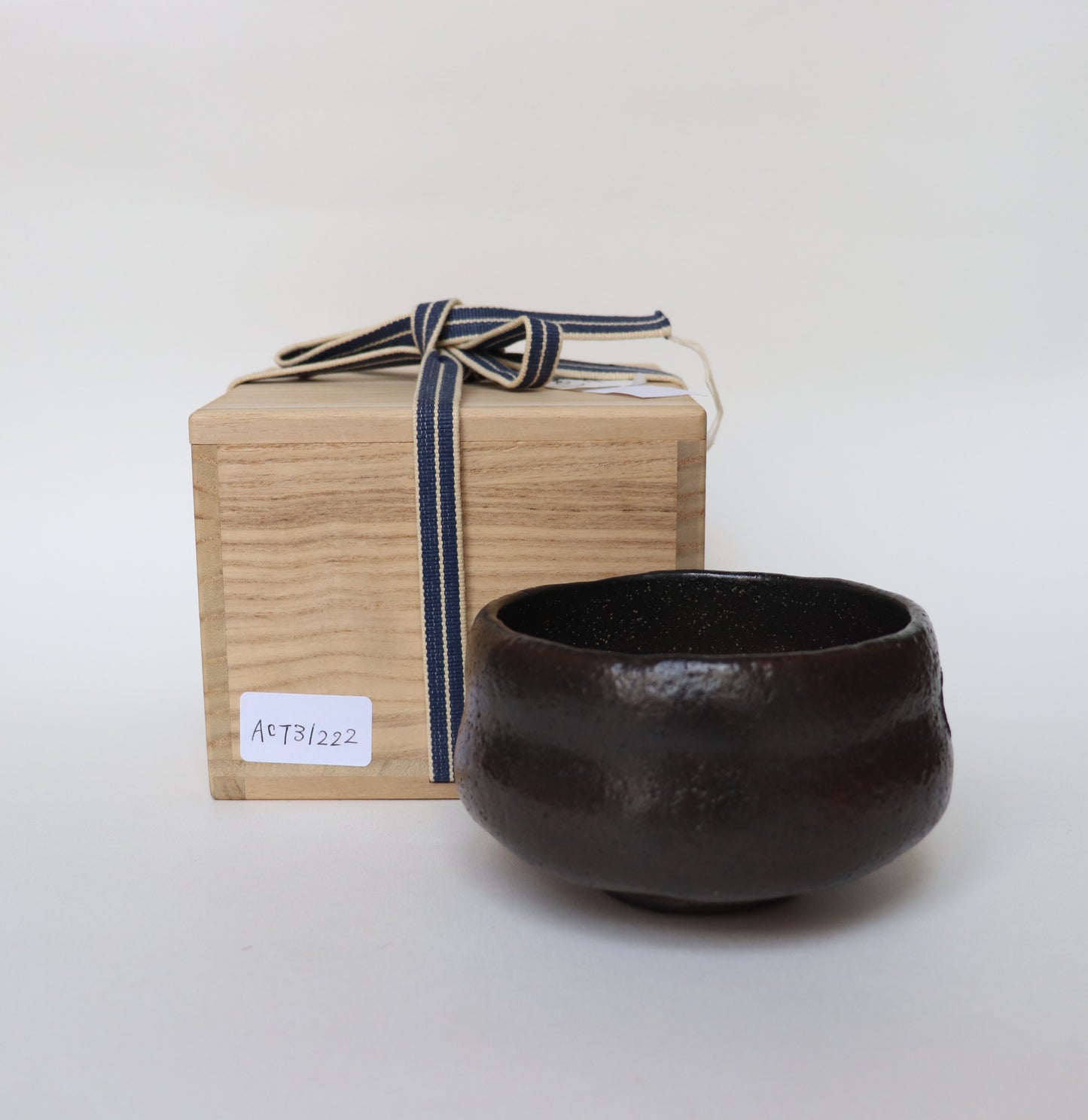
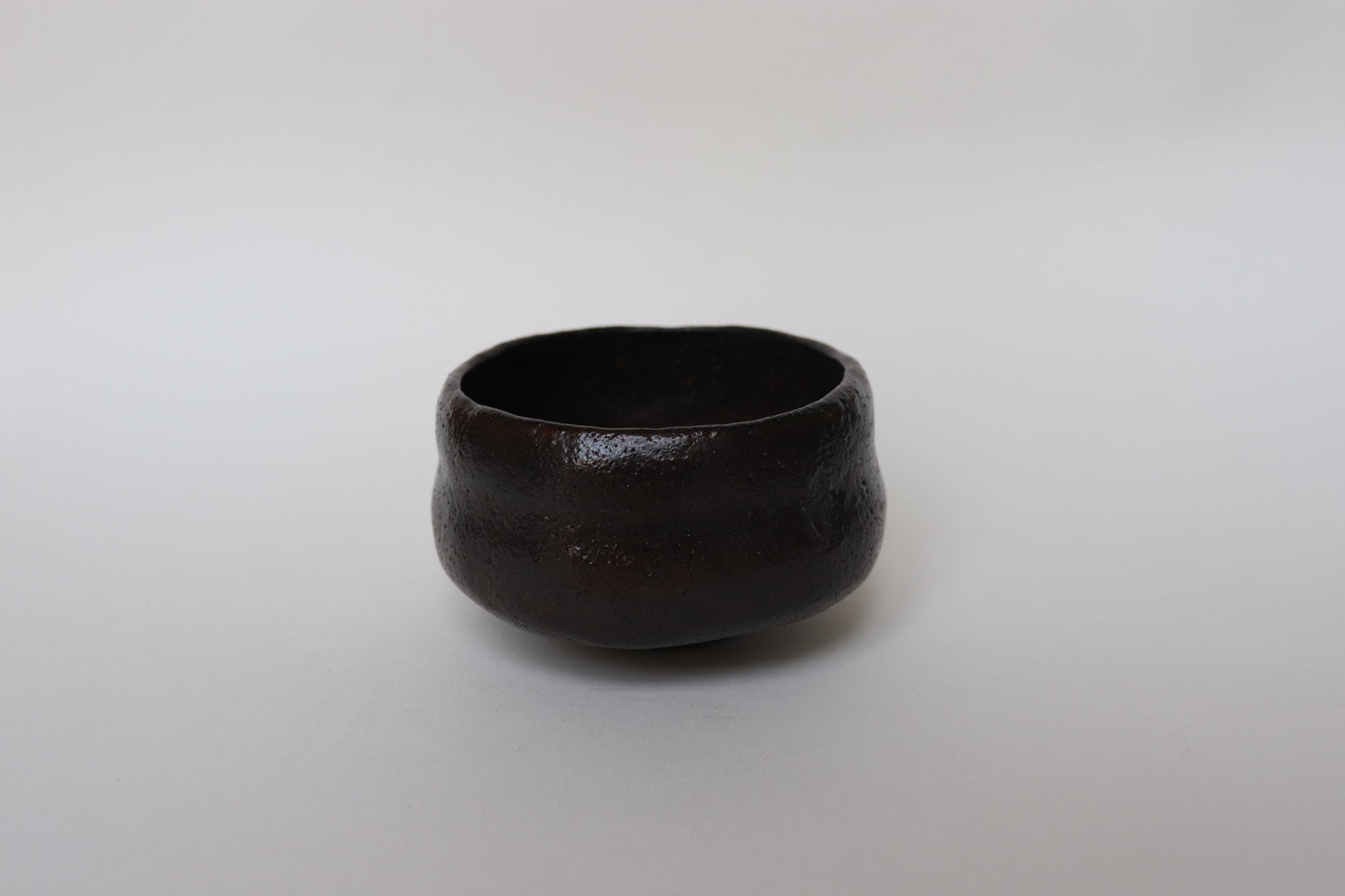
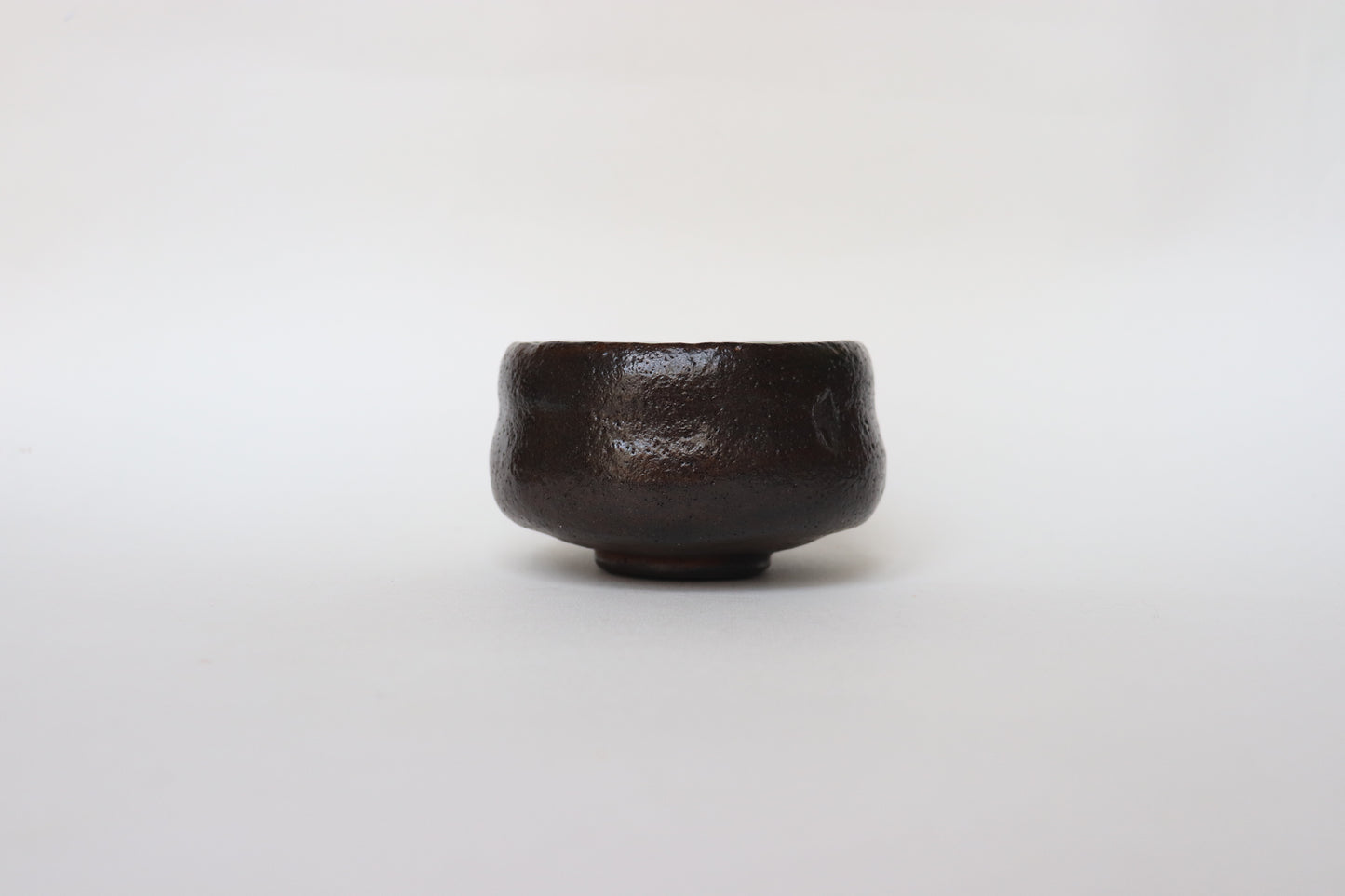
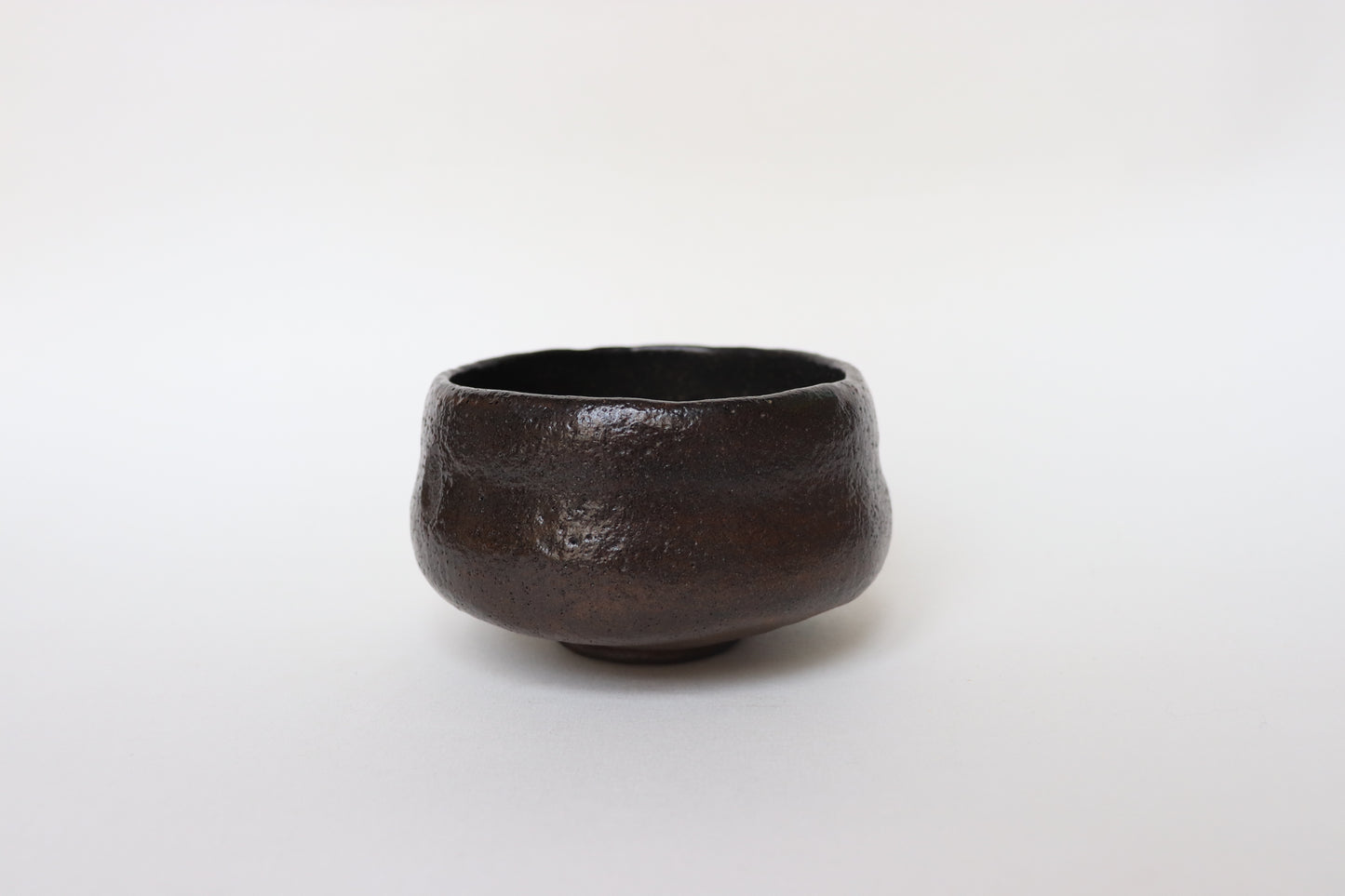
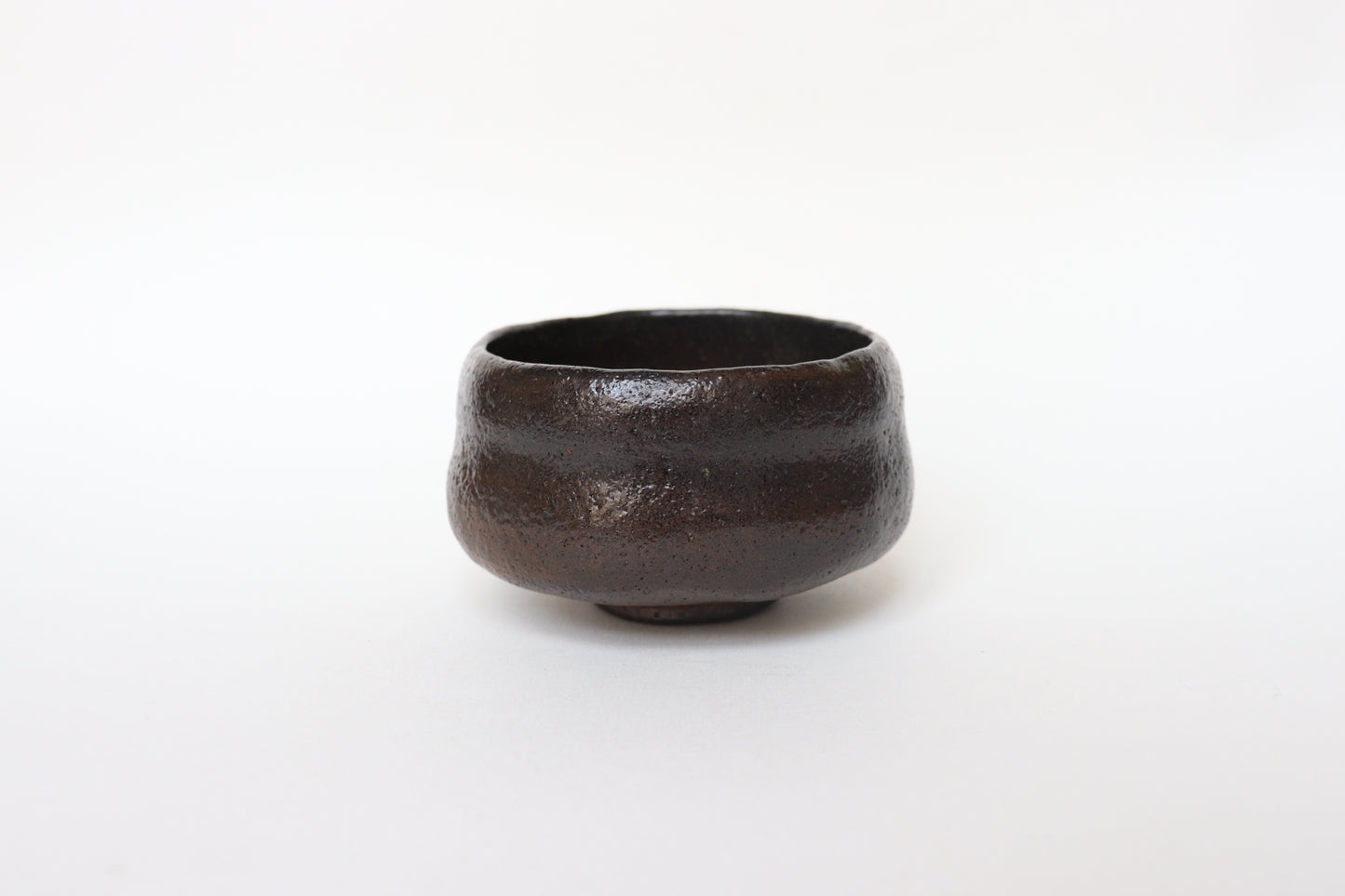
Bol à matcha Shōraku Kuroraku
Sasaki Shōraku — Four Shōraku-gama
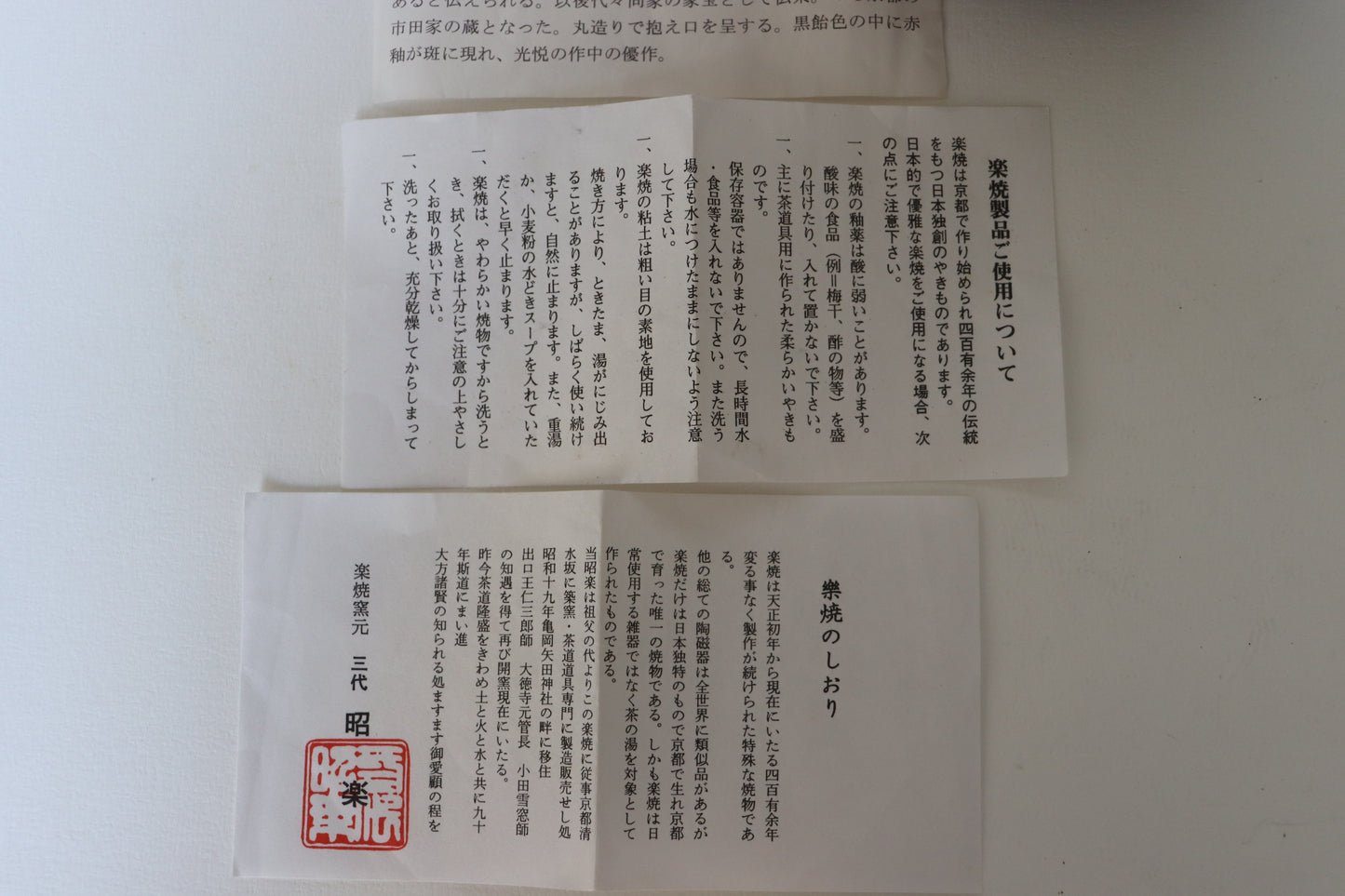
This bowl matcha Kuroraku (black raku) is a work by the master potter Sasaki Shōraku, heir to four Shōraku (Shōraku-gama), founded in 1905 in Kyoto. The origin of the kiln dates back to Sasaki Kichinosuke, the first of its kind, deeply influenced by Zen thought and the aesthetics of wabi-cha of Sen no RikyūHe left the center of Kyoto to settle at the foot of Kiyomizu-dera Temple, where he founded a workshop exclusively dedicated to tea ceramics. Today, located in the peaceful Kameoka region, the Shōraku kiln perpetuates more than a century of tradition, consistently passing on the philosophy and technique of Raku.
Born in Kyoto in 1944, Sasaki Shōraku III He trained under his father, the second of that name, before taking over the family bakery. Faithful to tradition, he dedicates himself to the creation of red and black Raku bowls, emblems of the tea ceremony. His works are distinguished by a serene rigor, a warmth of texture, and a constant concern to offer pieces destined to be used during the tea ritual, and not simply exposed.
THE Kuroraku It is characterized by a deep, almost velvety black glaze, obtained by firing at a low temperature followed by immediate smoking. This technique gives the surface subtle nuances of matte black, sometimes iridescent, and a unique smoothness to the touch. The hand-shaping according to the method of tēbinéri (Hand-building without a wheel) allows the bowl to retain the imprint of the potter's gesture, expressing the spirit of the wabi-sabi : the beauty of imperfection and authentic simplicity.
In Sasaki Shōraku's creations, earth and fire engage in a humble dialogue. Each bowl becomes a silent presence, a space of serenity and sharing where beauty is discovered in use and the present moment — faithful to the spirit of Sen no Rikyū and the philosophy of tea.
Matcha Bowl Shōraku Kuroraku
Sasaki Shōraku — Shōraku Kiln
This Kuroraku (black Raku) matcha bowl was crafted by Sasaki Shōraku, master potter of the Shōraku Kiln, established in 1905 in Kyoto. The kiln’s founder, Sasaki Kichinosuke, was deeply inspired by Zen philosophy and the wabi-cha aesthetics of tea master Sen no Rikyū. Leaving central Kyoto for the foothills of Kiyomizu Temple, he established a kiln devoted entirely to Raku-yaki, the pottery tradition that most purely expresses the spirit of tea. Today, located in the serene mountains of Kameoka, the kiln continues to embody over a century of craftsmanship and spiritual refinement.
Born in Kyoto in 1944, Sasaki Shōraku III studied under his father, the second-generation Shōraku, before inheriting the family kiln. Remaining faithful to the Raku tradition, he specializes in black and red Raku tea bowls, each designed not for display but for use — vessels meant to be held, warmed, and shared during the tea ceremony.
The Kuroraku bowl is distinguished by its deep, velvety black glaze, achieved through low-temperature firing followed by immediate smoking reduction. This process produces a surface rich in subtle variations and a uniquely soft tactile quality. Hand-formed using the tēbinéri (手びねり) technique — shaping clay without a potter’s wheel — each bowl bears the mark of the artist’s hands, embodying the essence of wabi-sabi, the beauty of simplicity and imperfection.
In Sasaki Shōraku’s work, clay, flame, and spirit meet in harmony. Each bowl invites stillness and presence — an embodiment of the living philosophy of tea, where the act of use itself becomes the essence of beauty.
Blog posts
-

New Year in the world of Japanese tea
Au Japon, on dit que le nouvel an du thé a lieu en novembre et non le 1er janvier. Cela s’explique par la saisonnalité des feuilles de thé et plus...
New Year in the world of Japanese tea
Au Japon, on dit que le nouvel an du thé a lieu en novembre et non le 1er janvier. Cela s’explique par la saisonnalité des feuilles de thé et plus...
-

Maintenance and cleaning of tea utensils and ac...
Our advice for maintaining your kyusu, your chasen and other tea utensils and accessories.
Maintenance and cleaning of tea utensils and ac...
Our advice for maintaining your kyusu, your chasen and other tea utensils and accessories.
-

The birth of the Maruyama Nori house in 1854 in...
The birth of the Maruyama Nori house in 1854 in the world historical context If we can imagine that 1854 was now almost 200 years ago, it can be...
The birth of the Maruyama Nori house in 1854 in...
The birth of the Maruyama Nori house in 1854 in the world historical context If we can imagine that 1854 was now almost 200 years ago, it can be...


