

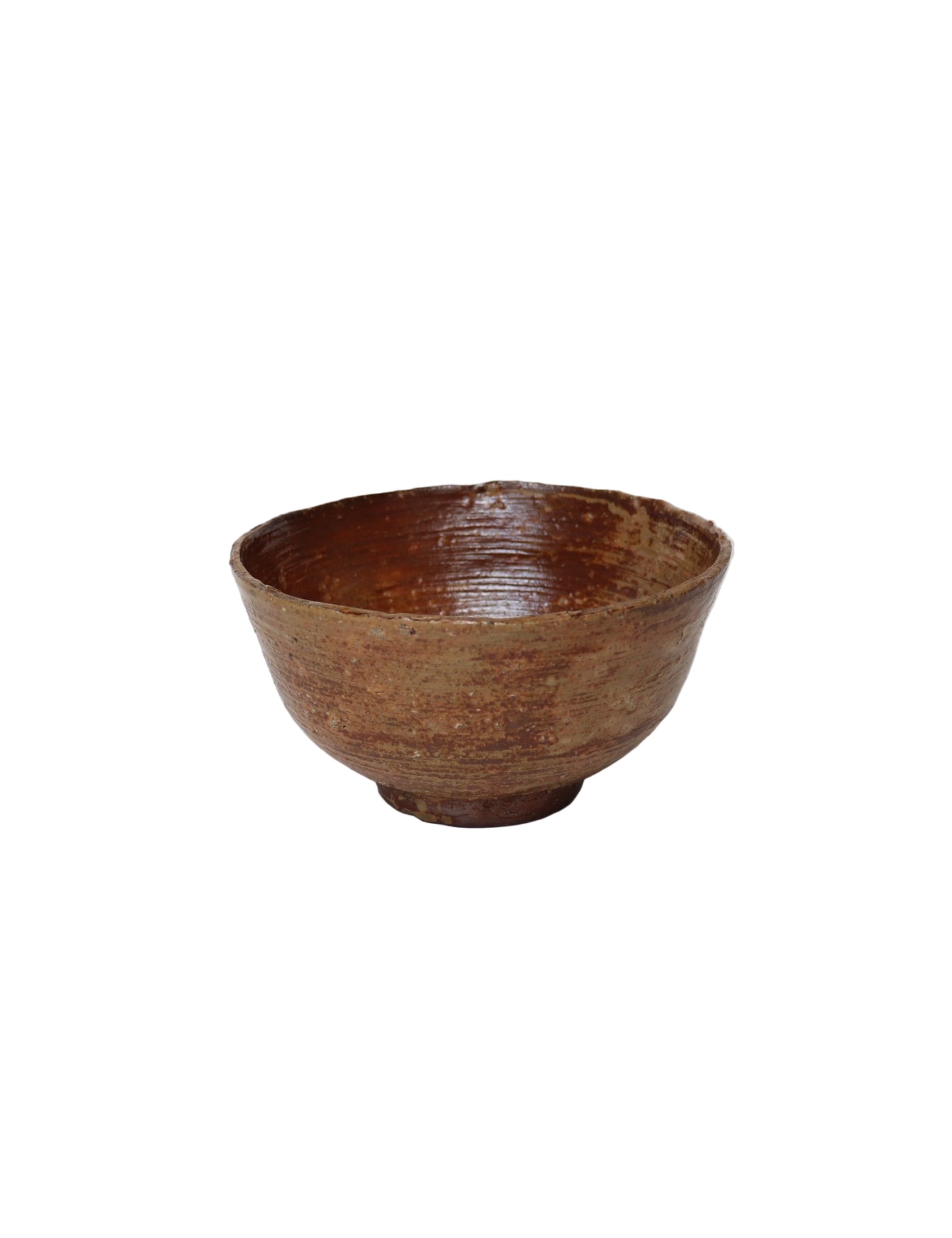
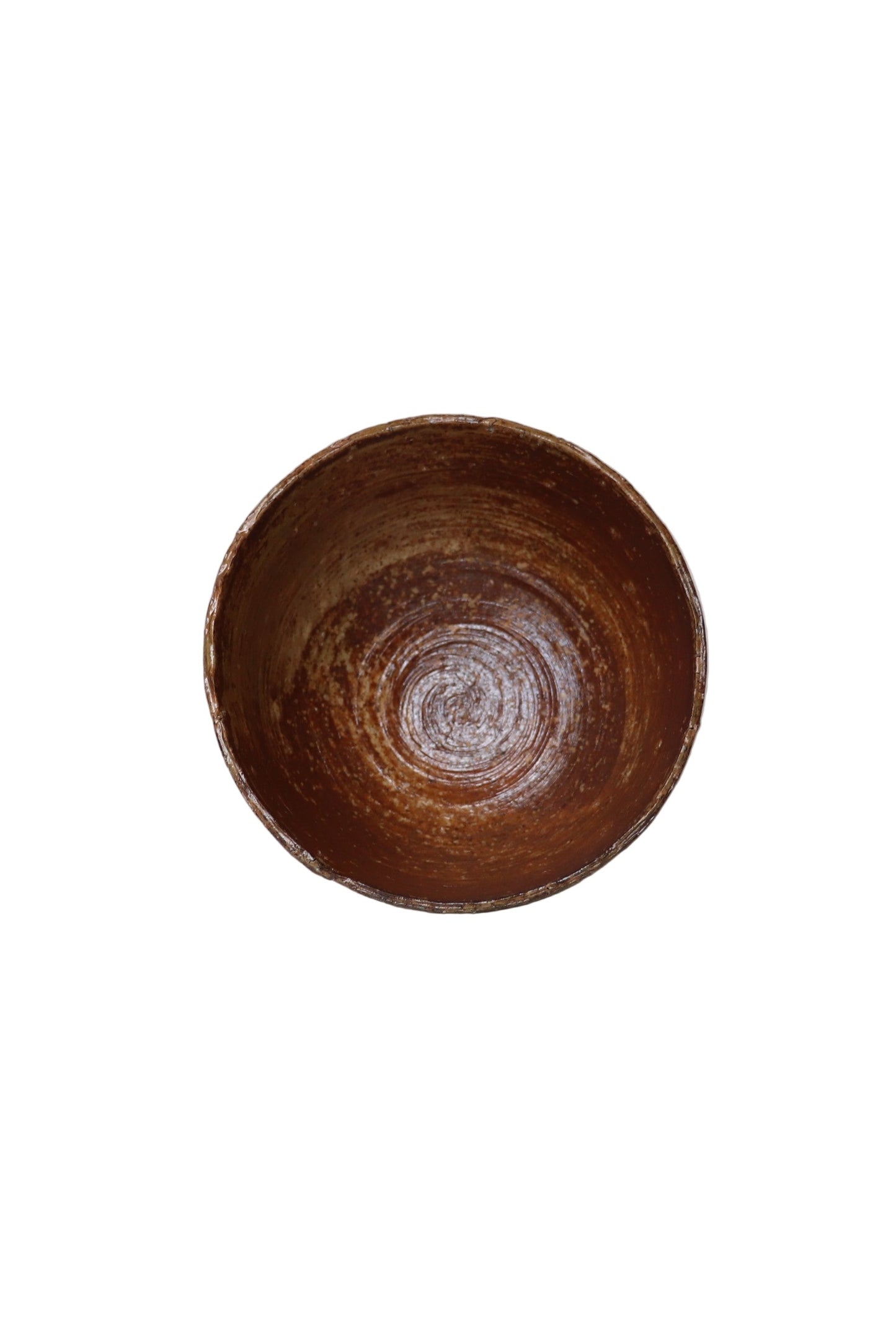
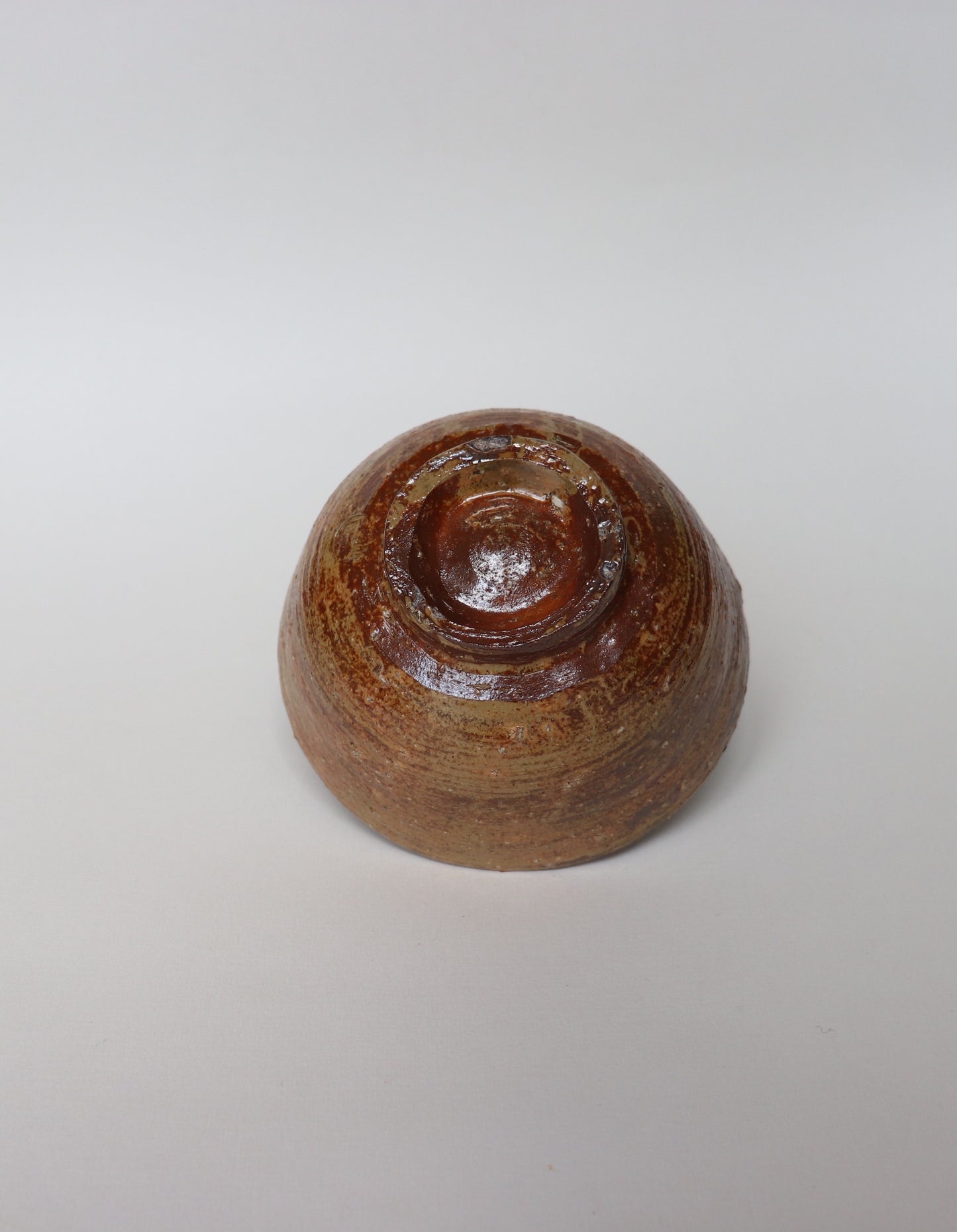
Ball à matcha / Izumo Rakuzangama 11th Kuken
Ball à matcha / Izumo Rakuzangama 11th Kuken
Quantity
Couldn't load pickup availability
Please note, this item is a unique piece.
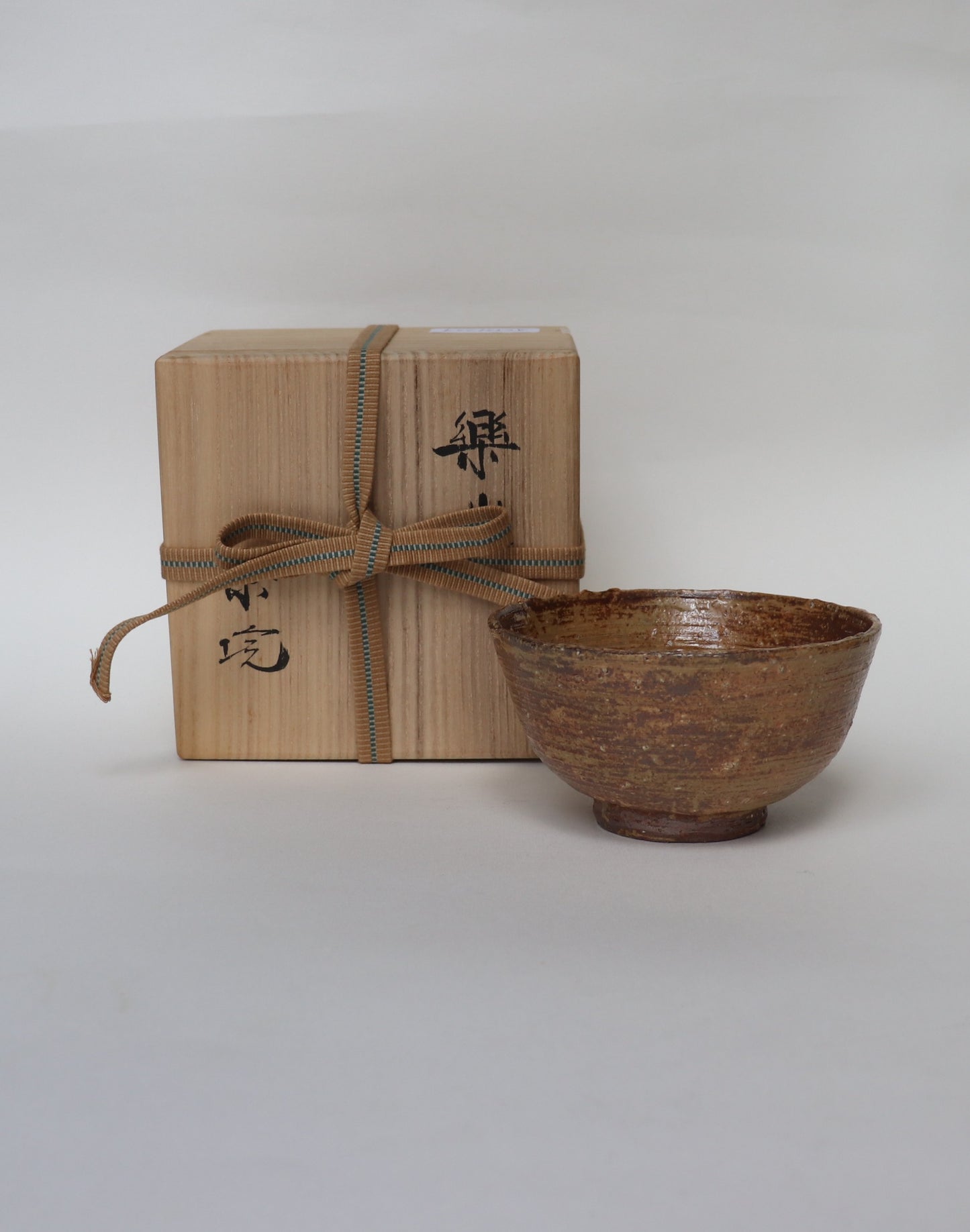
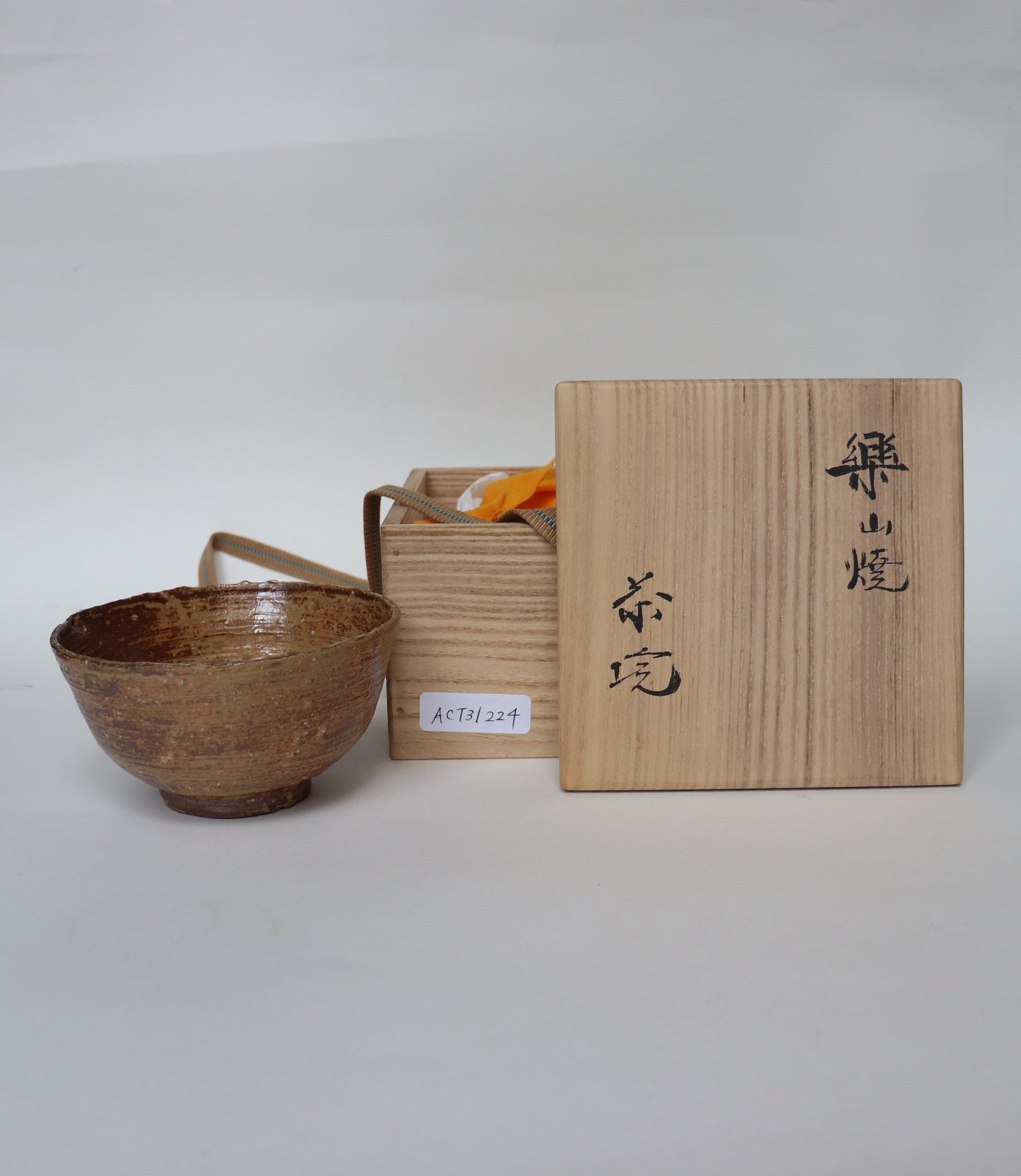
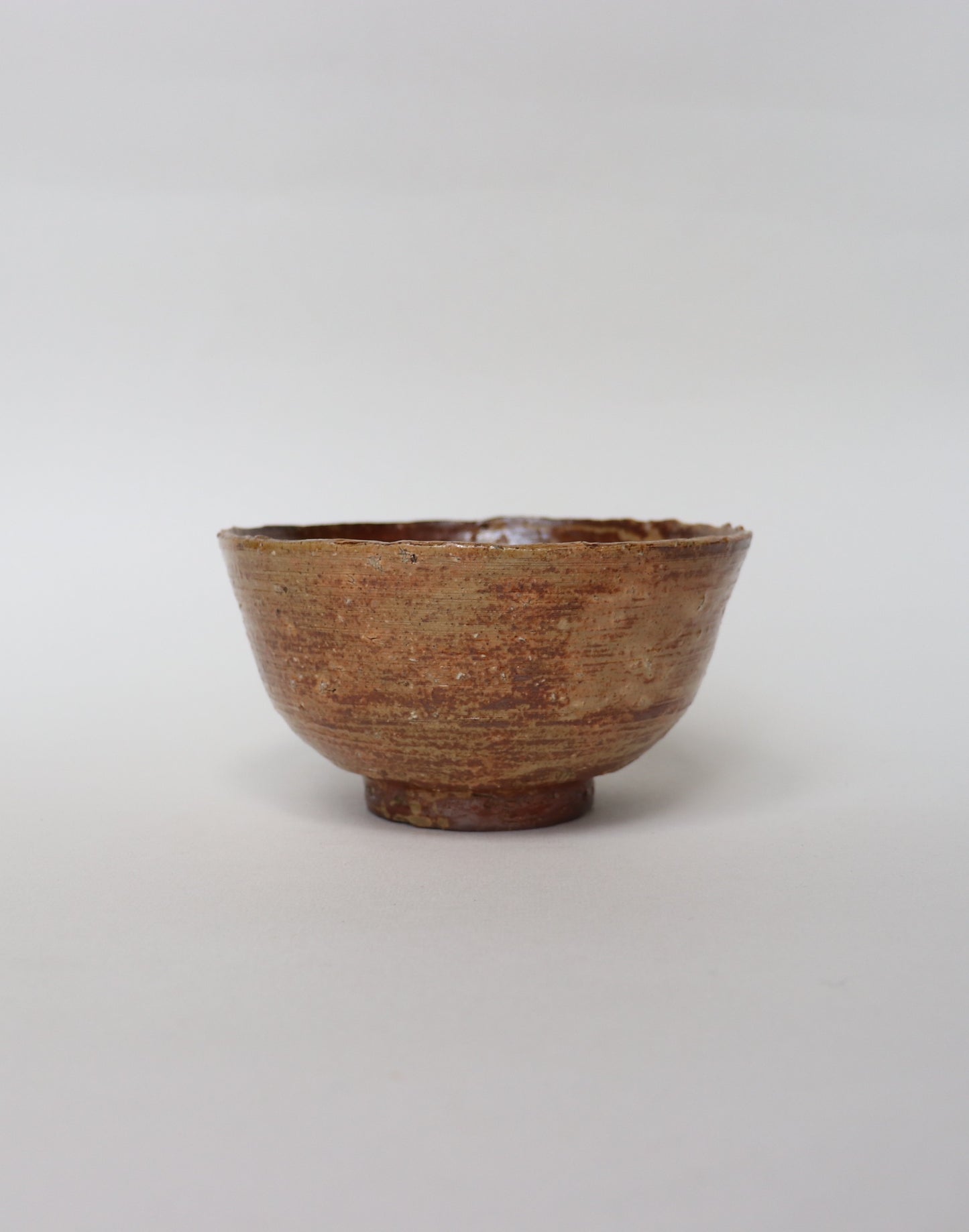
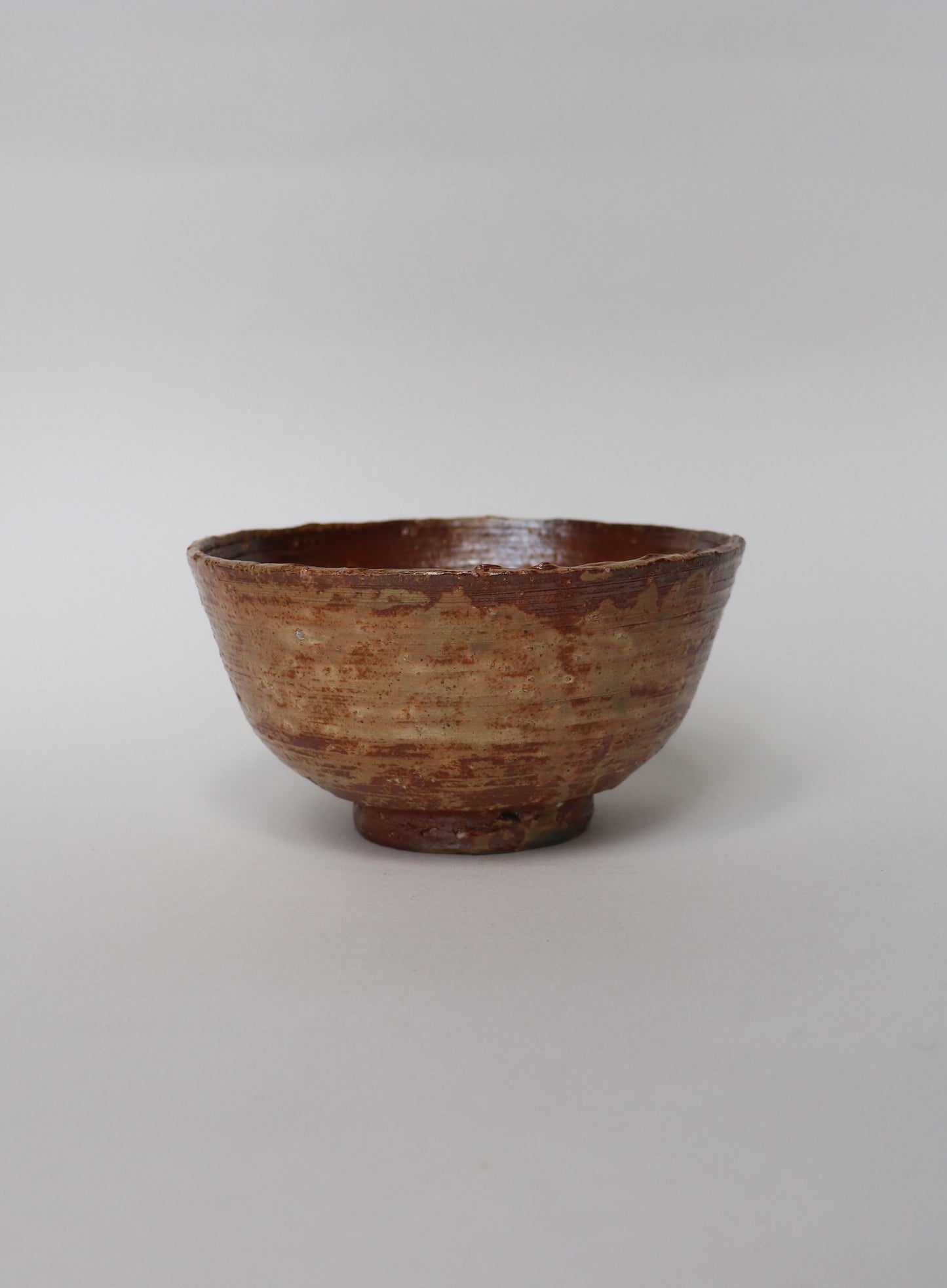
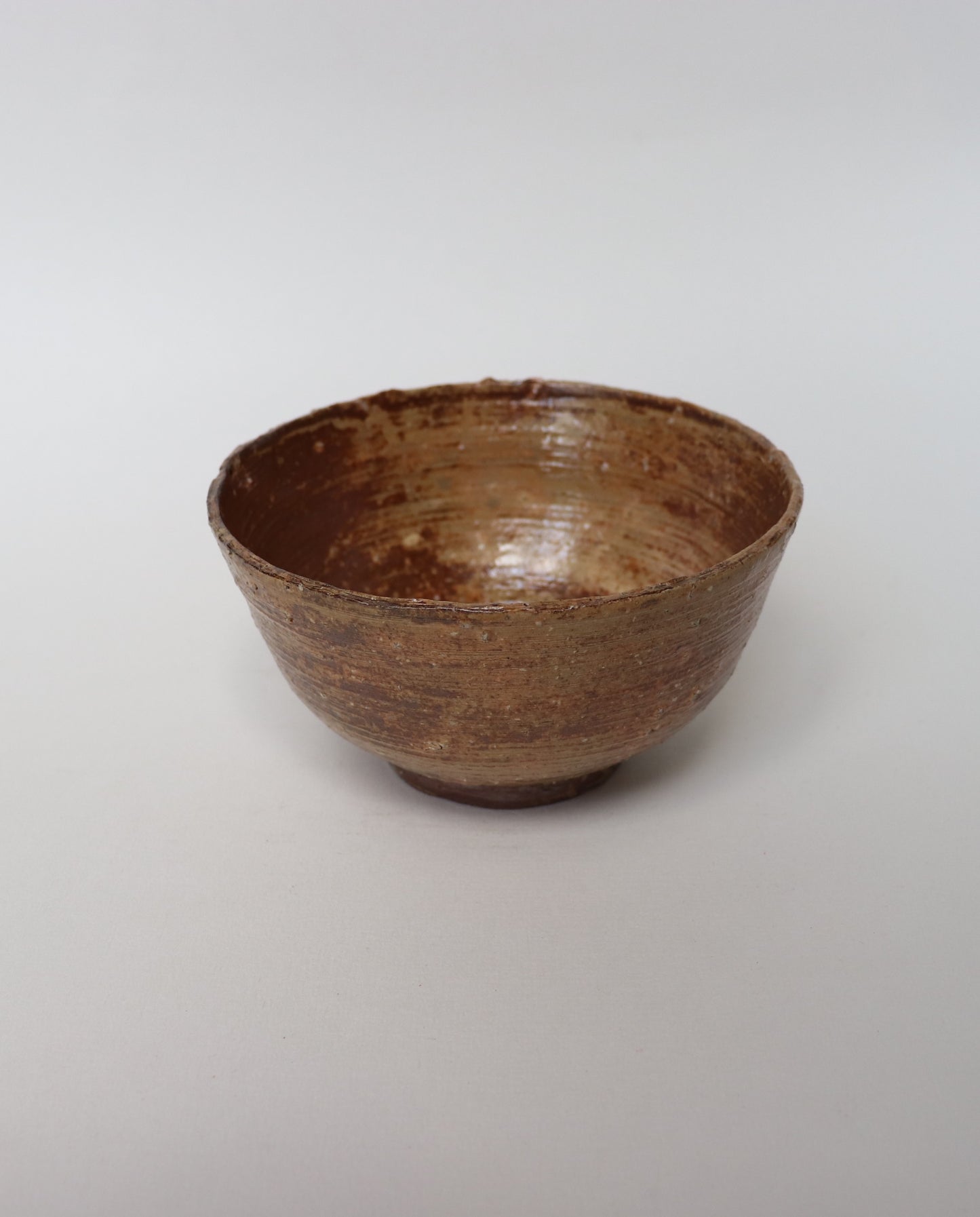
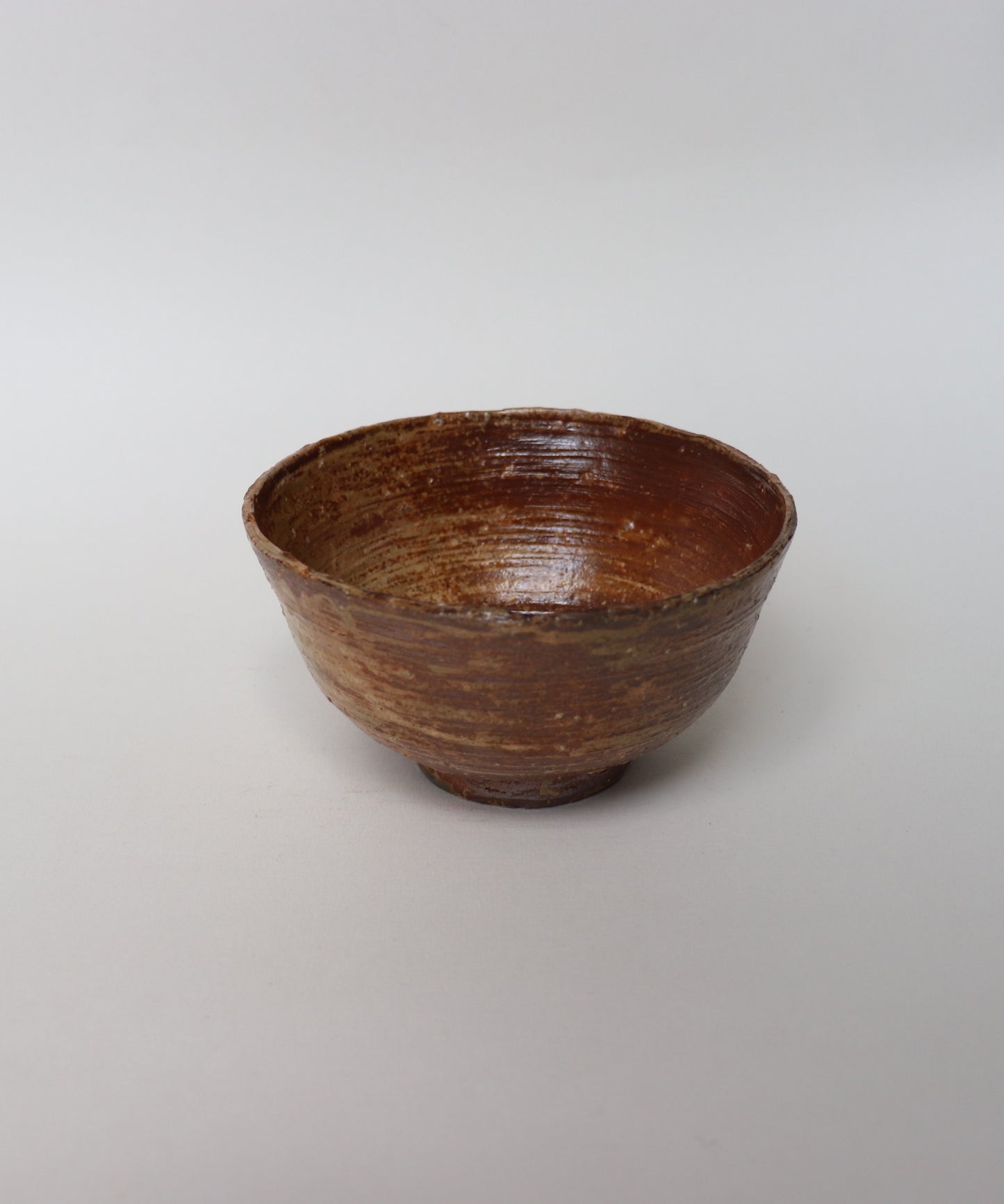
Bowl matcha Rakuzan-yaki
Nagaoka Sumiemon XI — Matsue, Shimane Prefecture
This bowl matcha, directed by Nagaoka Sumiemon XI (Nagaoka Kūken), belongs to the tradition of Rakuzan-yakiTea pottery produced in Matsue, Shimane Prefecture. Born in 1929, the son of the tenth Sumiemon, he was a disciple of the great Korean-Japanese master Saka Koraizaemon XI before succeeding to the Sumiemon name in 1965. In 1987, he became a full member of the Japan Traditional Arts Association, and in 2000, he was appointed Intangible Cultural Treasure of Shimane Prefecture.
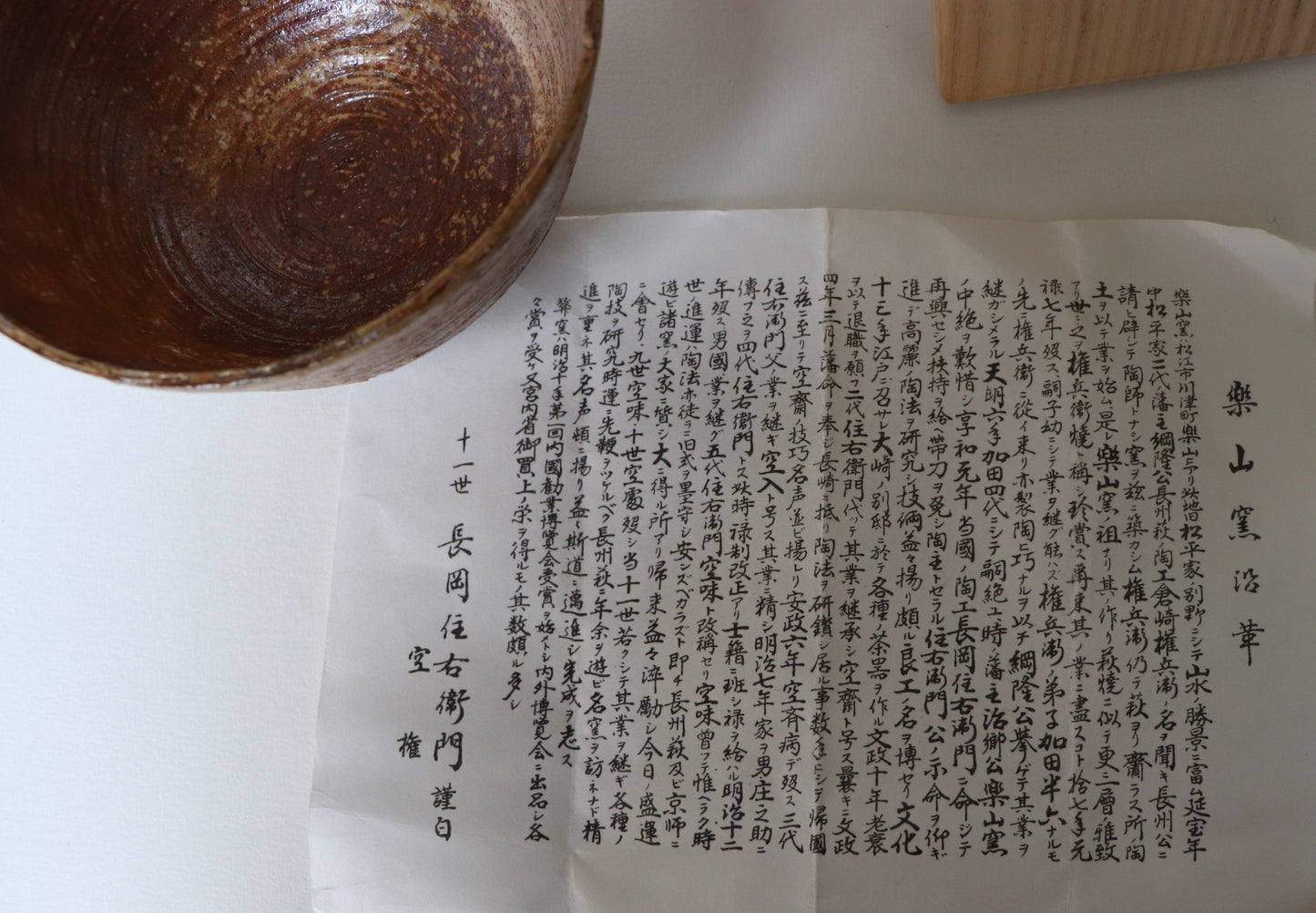
THE Rakuzan-yaki Its origins can be traced back to 1677, when Lord Matsudaira Tsunataka brought the potter from Hagi Kurasaki Gonbēto produce ceramics suitable for the tea ceremony. This tradition, inspired by the Hagi style, has been enriched over the centuries by various influences from Kyoto and by colorful glazing techniques. Located in a region intermediate between the major centers of Japanese ceramics—Hagi, Bizen, and Kyoto—the Rakuzan kiln developed a style eclectic, combining the simplicity of sandstone with the delicate nuances of Kyō-yaki.
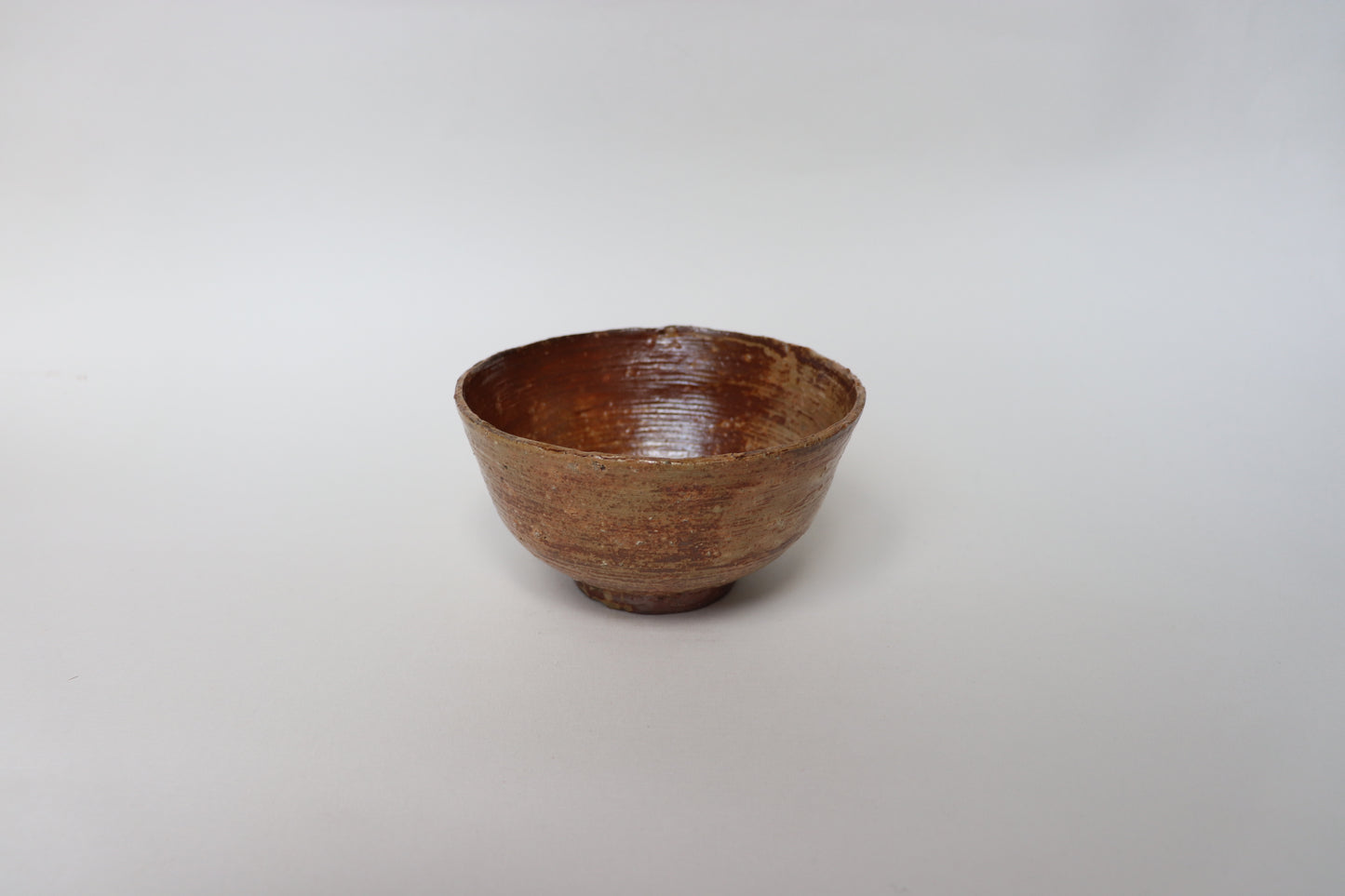
The creations of the Nagaoka lineage focus on the Irabo bowls (伊羅保茶碗), one of the most popular tea styles since the 17th century. Inherited from Korean ceramics of the Joseon Dynasty, these bowls are distinguished by their sandy and irregular texture, their matte glaze and their slightly flared shape. The granular appearance of the coating, sometimes dotted with small bubbles, results from high-temperature firing and symbolizes a raw and natural beauty, close to the spirit of the wabi-cha.
Each Rakuzan bowl expresses a subtle balance between the formal rigor of tea and the organic heat from the earth of IzumoIn the work of Nagaoka Sumiemon XI, matter retains the memory of fire: a living texture, both austere and welcoming, which invites the silent contemplation characteristic of the tea ceremony.
Matcha Bowl Rakuzan-yaki
Nagaoka Sumiemon XI — Matsue, Shimane Prefecture
This matcha bowl was crafted by Nagaoka Sumiemon XI (Nagaoka Kūken), master potter of the Rakuzan Kiln in Matsue, Shimane Prefecture. Born in 1929, the son of the 10th Sumiemon, he apprenticed under the distinguished Korean-Japanese potter Saka Koraizaemon XI before succeeding to the family name in 1965. In 1987, he became a full member of the Japan Traditional Art Crafts Association, and in 2000 he was designated as a Living Cultural Property of Shimane Prefecture.
The Rakuzan-yaki tradition dates back to 1677, when Lord Matsudaira Tsunataka invited potter Kurasaki Gonbē from Hagi to establish a kiln capable of producing tea ceramics for the Matsue domain. Influenced by Hagi ware yet incorporating elements from Kyoto and other regions, Rakuzan developed into a distinctive and diverse style that bridges the earthy strength of stoneware with the refined coloration of Kyoto porcelain.
The Nagaoka family’s legacy centers on the Irabo chawan (Irabo-style tea bowl), a form derived from Korean Joseon-period ceramics that became highly prized in Japan from the early Edo period. Characterized by a gritty clay body, matte glaze, and slightly flared rim, the Irabo bowl’s irregular surface reflects the beauty of imperfection — a tactile expression of wabi-sabi aesthetics.
Each Rakuzan piece embodies the serene dialogue between formality and earthiness, a harmony between discipline and spontaneity. In Nagaoka Sumiemon XI’s work, the clay and flame converge to create a surface alive with depth and texture — a vessel that quietly honors the spirit of tea.
Blog posts
-

New Year in the world of Japanese tea
Au Japon, on dit que le nouvel an du thé a lieu en novembre et non le 1er janvier. Cela s’explique par la saisonnalité des feuilles de thé et plus...
New Year in the world of Japanese tea
Au Japon, on dit que le nouvel an du thé a lieu en novembre et non le 1er janvier. Cela s’explique par la saisonnalité des feuilles de thé et plus...
-

Maintenance and cleaning of tea utensils and ac...
Our advice for maintaining your kyusu, your chasen and other tea utensils and accessories.
Maintenance and cleaning of tea utensils and ac...
Our advice for maintaining your kyusu, your chasen and other tea utensils and accessories.
-

The birth of the Maruyama Nori house in 1854 in...
The birth of the Maruyama Nori house in 1854 in the world historical context If we can imagine that 1854 was now almost 200 years ago, it can be...
The birth of the Maruyama Nori house in 1854 in...
The birth of the Maruyama Nori house in 1854 in the world historical context If we can imagine that 1854 was now almost 200 years ago, it can be...


