

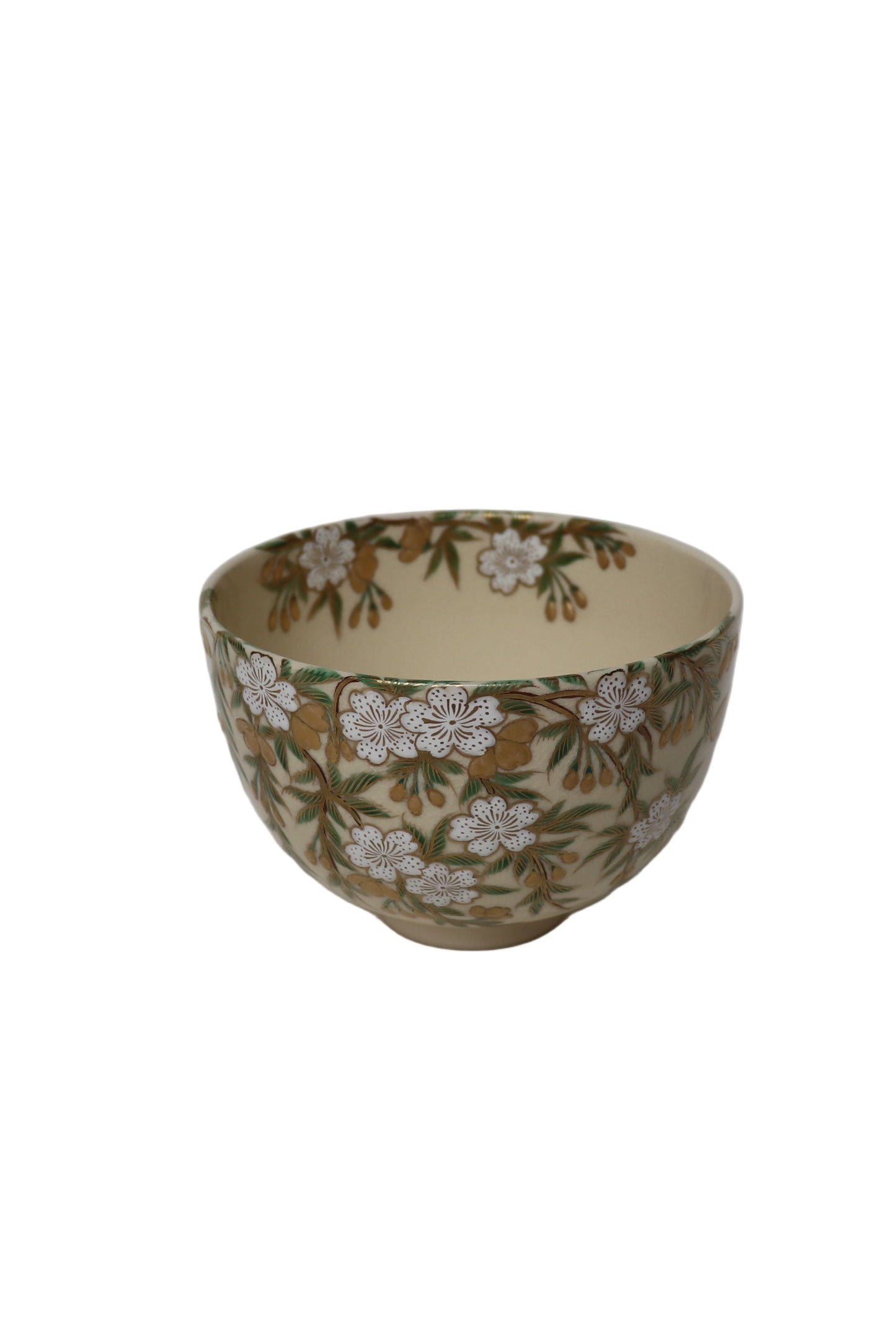
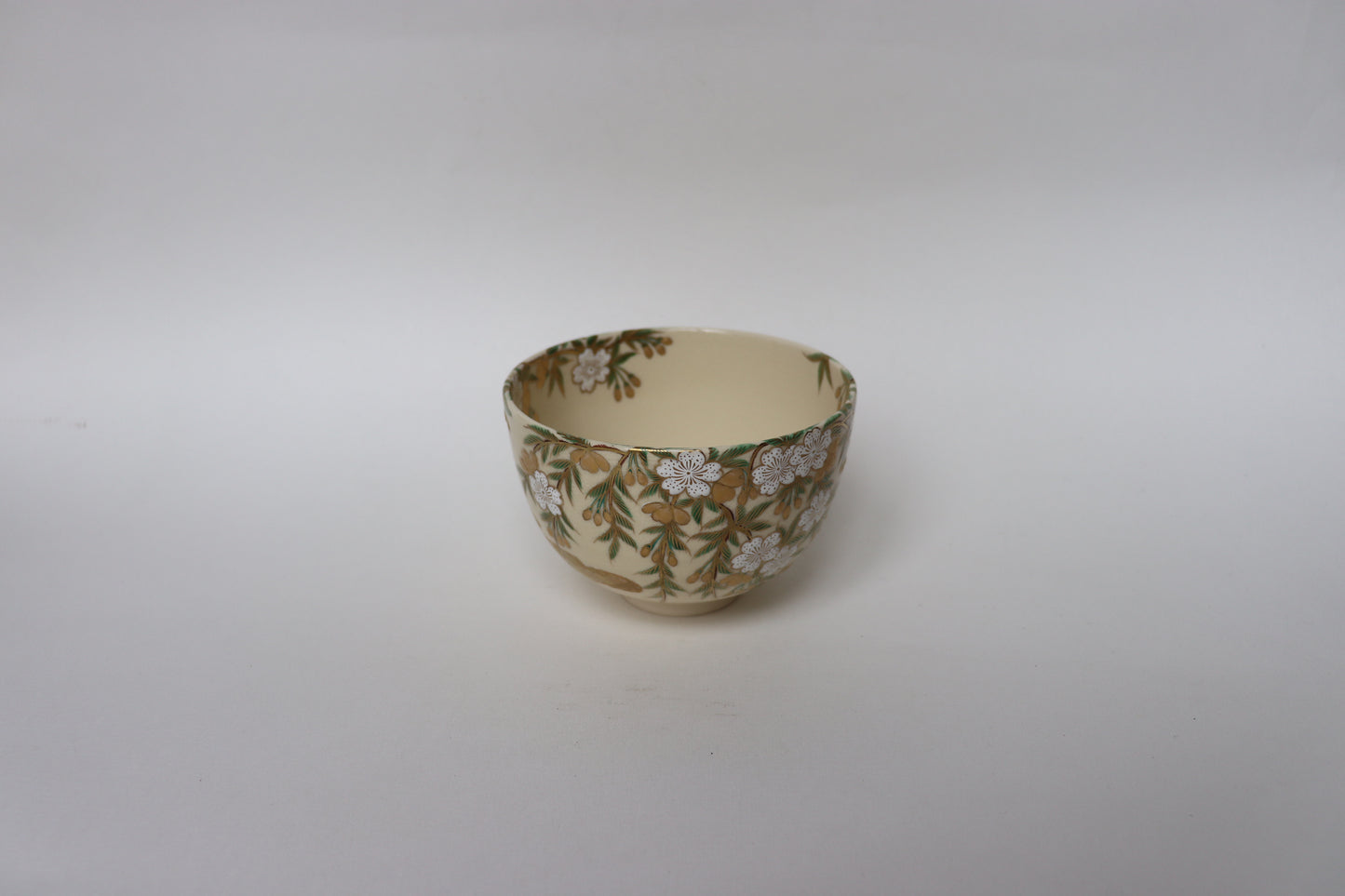
Bol à matcha / Kyoto Seikanjigama Sugita Shohei Houun Sakura
Bol à matcha / Kyoto Seikanjigama Sugita Shohei Houun Sakura
Quantity
Couldn't load pickup availability
Please note, this item is a unique piece.
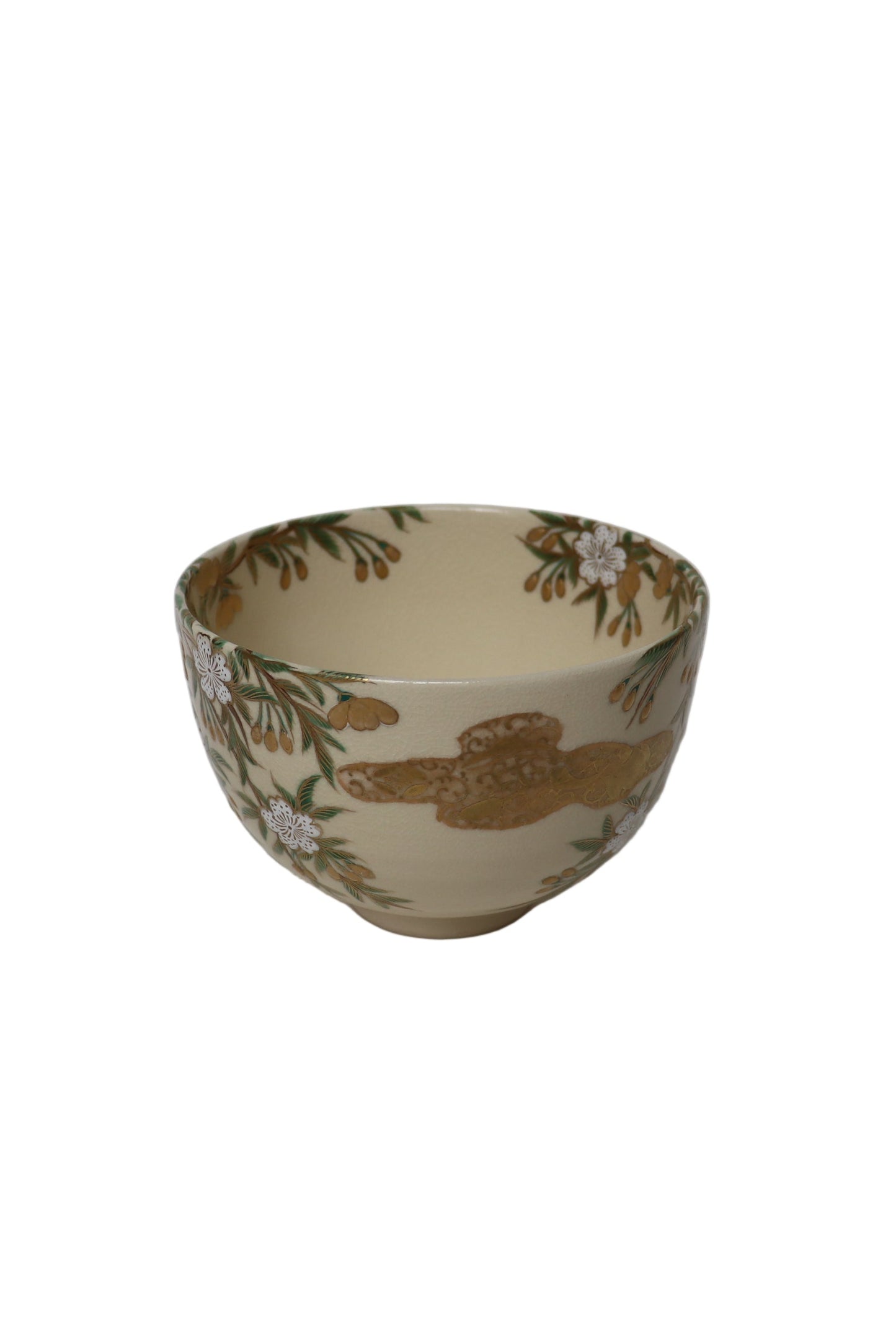
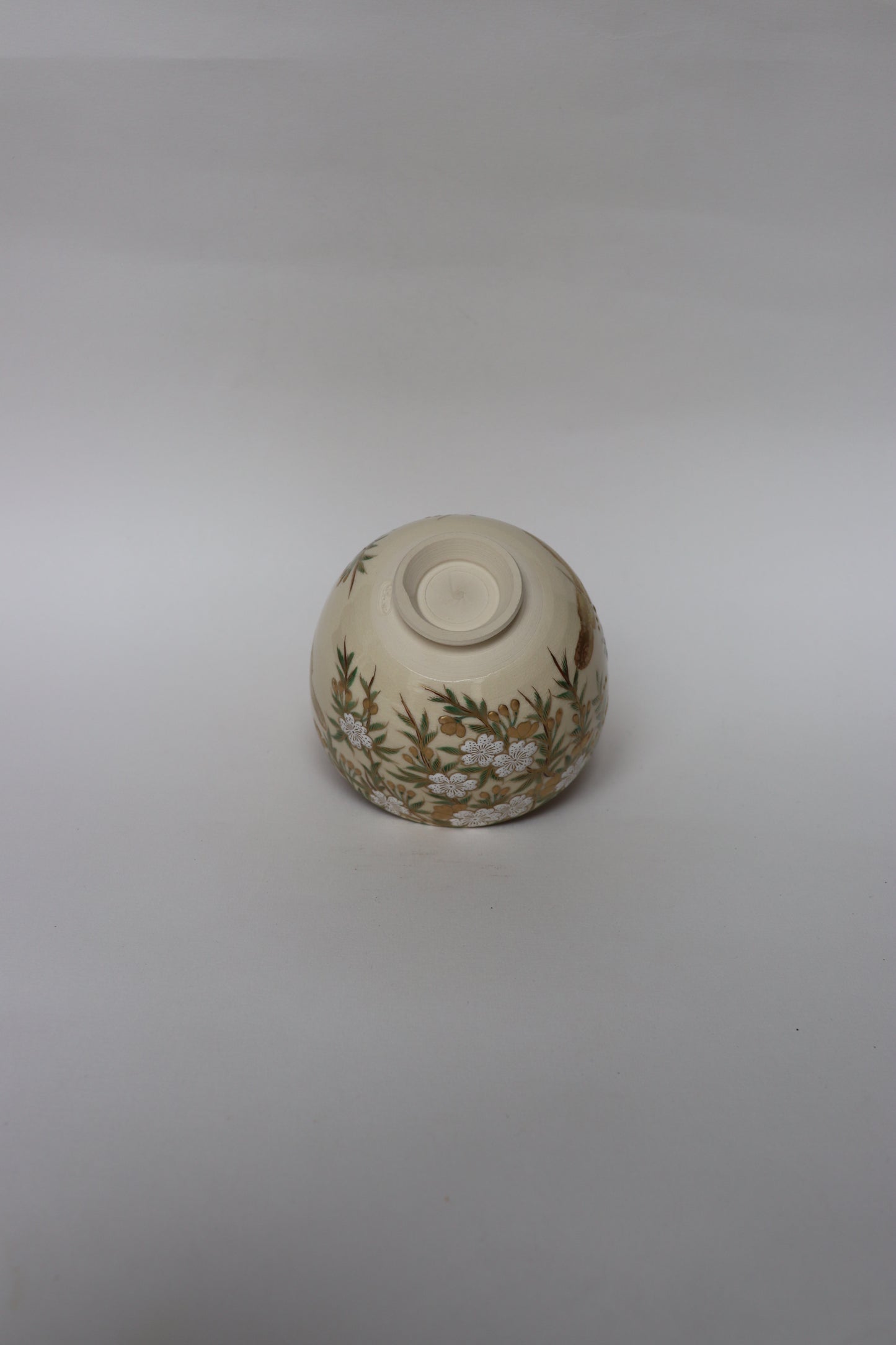
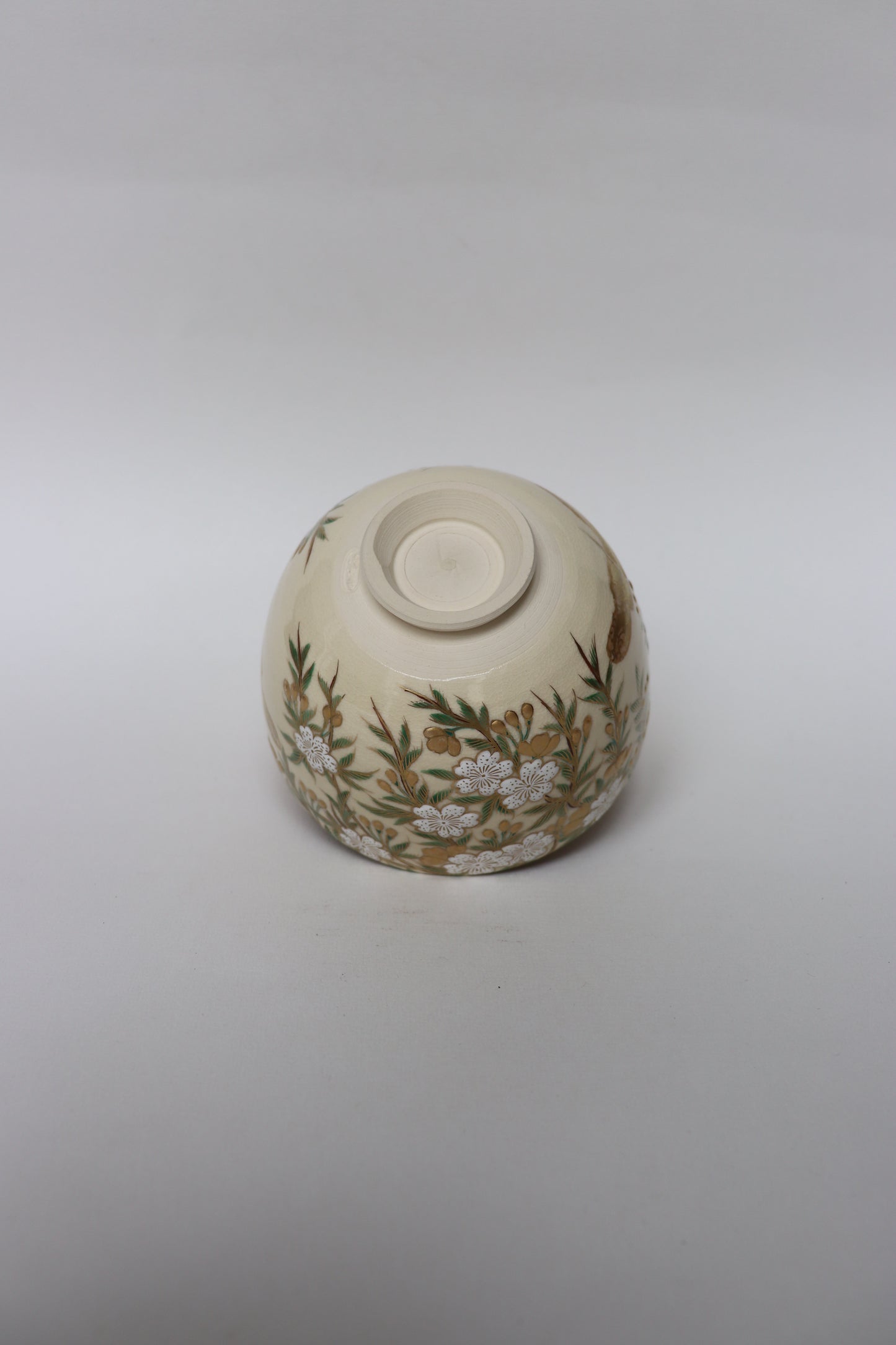
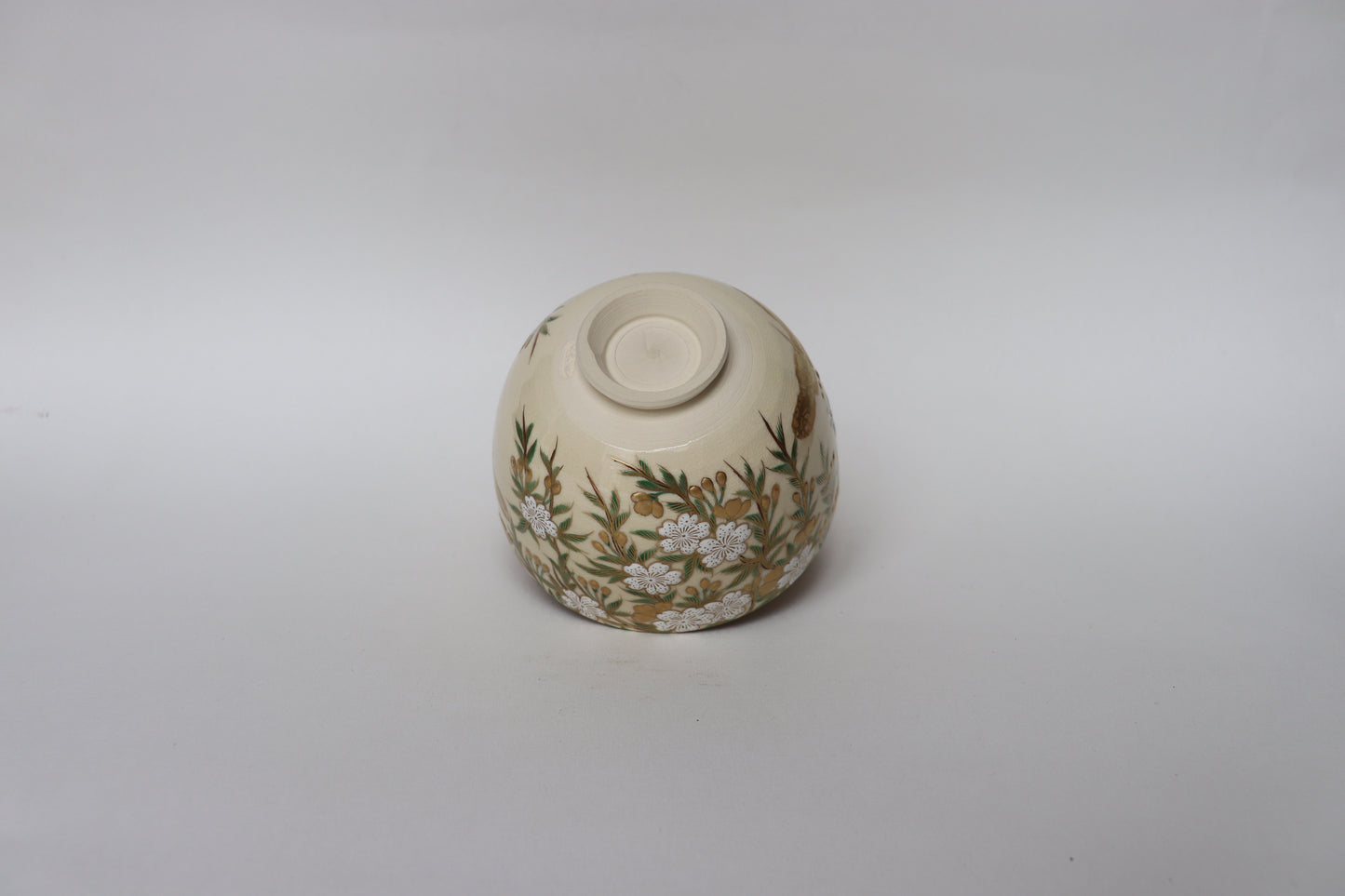
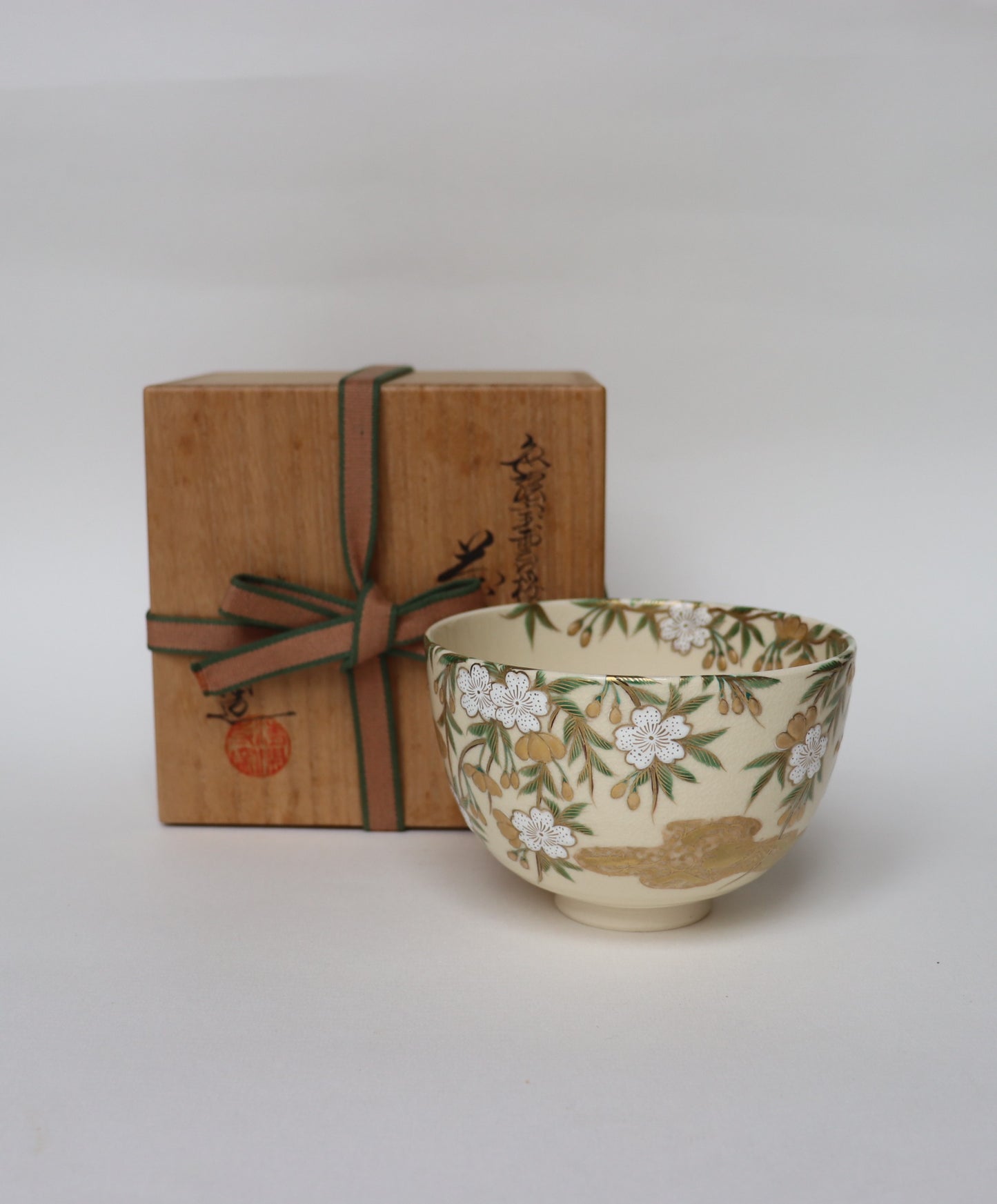
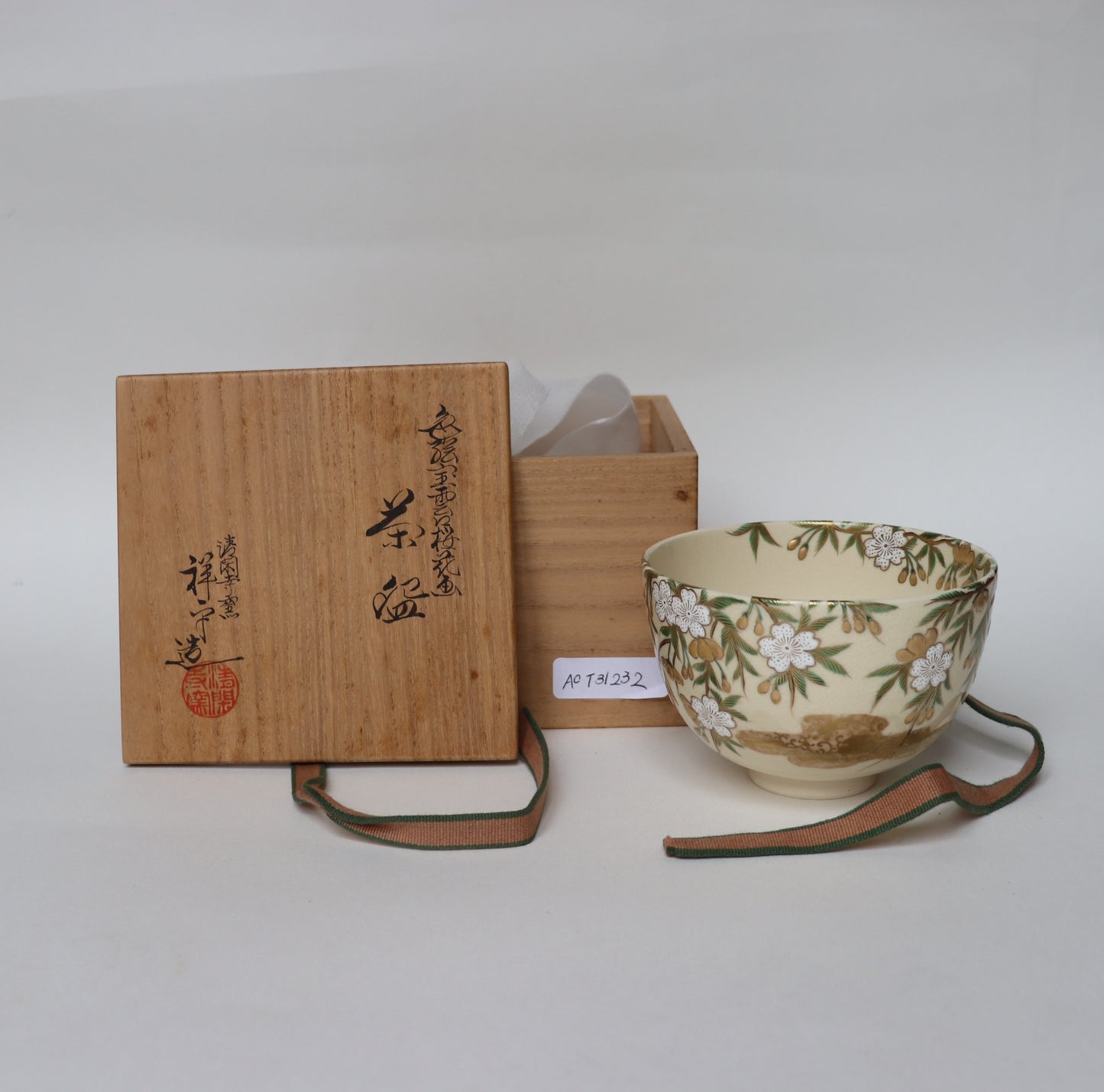
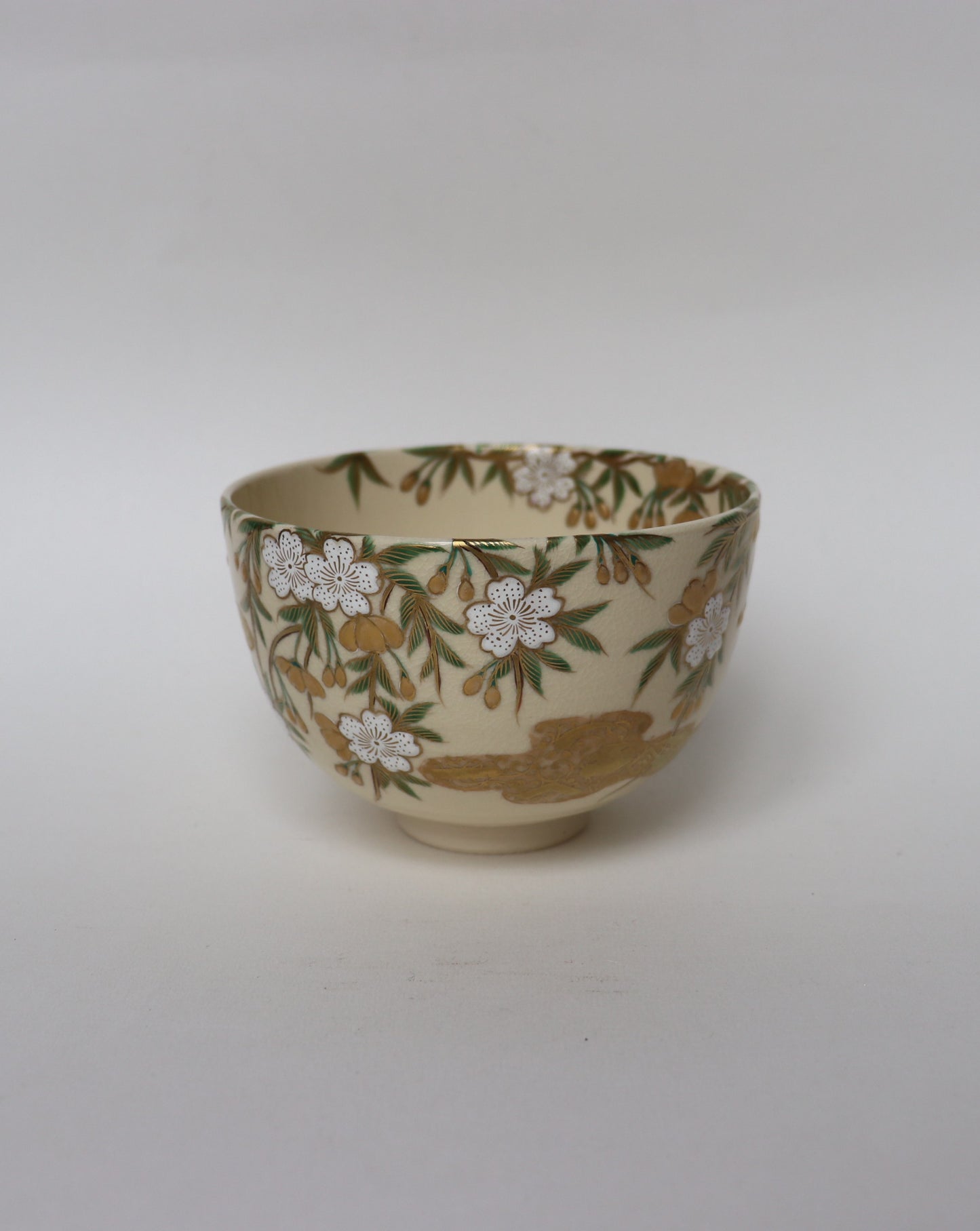
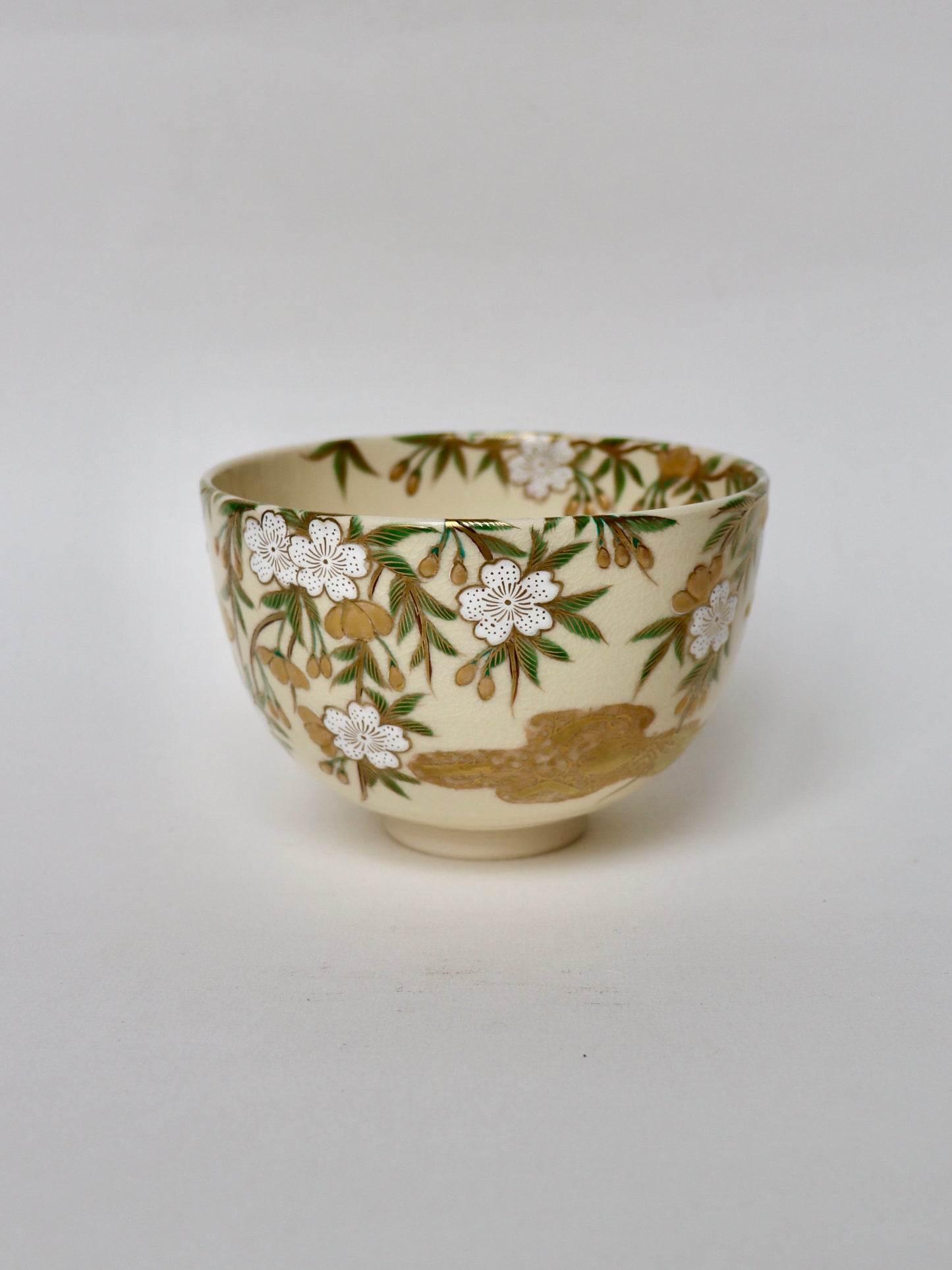
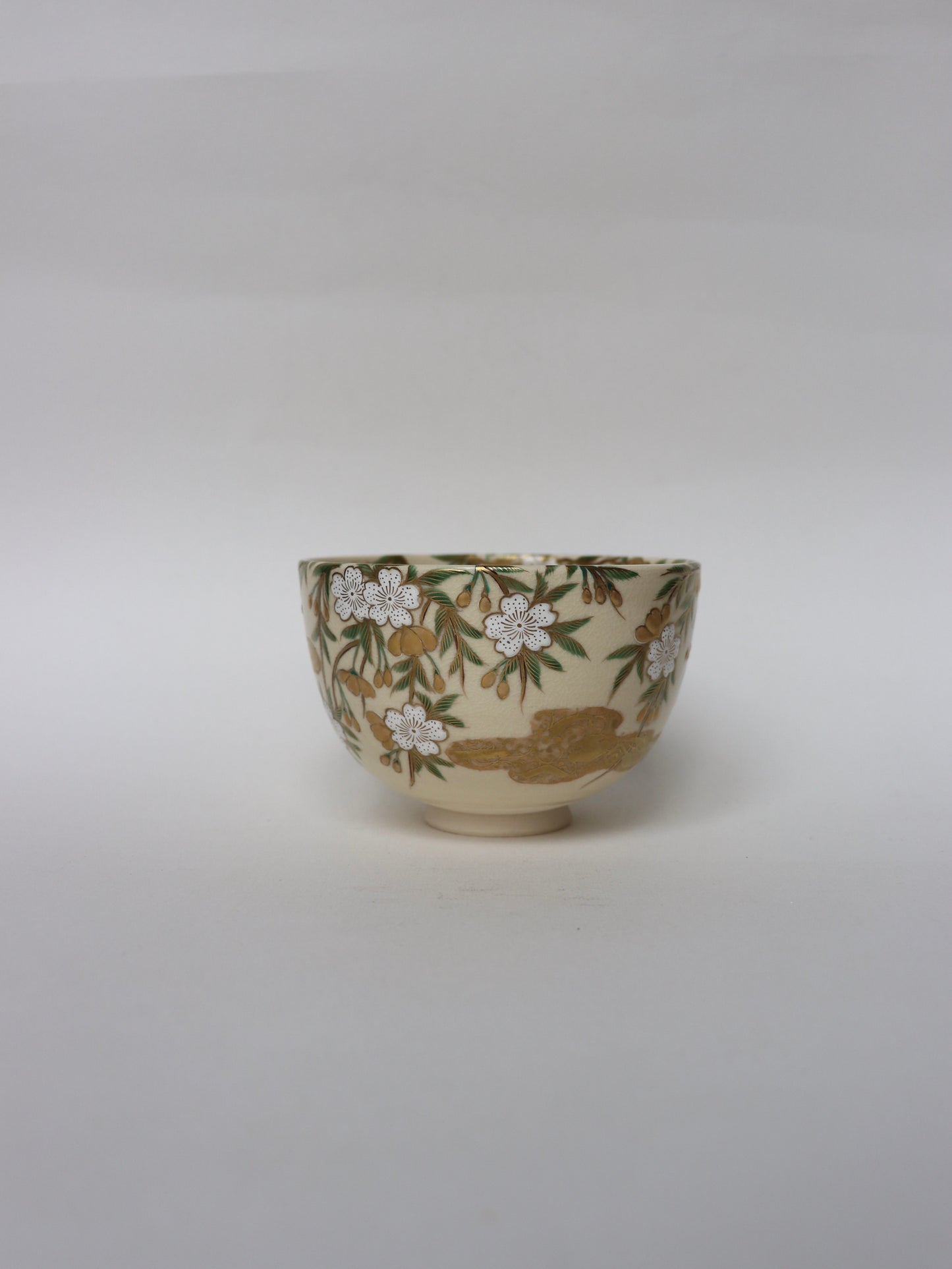
🇫🇷 Bowl matcha Iroe “Cherry Blossoms and Clouds” — Four Seikanji, Sugita Shōhei (4th generation)
The bowl matcha Iroe “Cherry Blossoms and Clouds” is a work by master potter Sugita Shōhei, fourth generation of the Seikanji kiln (Seikanji-gama), located on Kiyomizu Hill in Kyoto. Heir to the lineage founded at the end of the Edo period under the authorization of the Seikanji family, the craftsman today perpetuates the refined aesthetic of Ninsei and ancient Kiyomizu, pillars of Kyoto tea ceramics (Kyōyaki / Kiyomizuyaki).
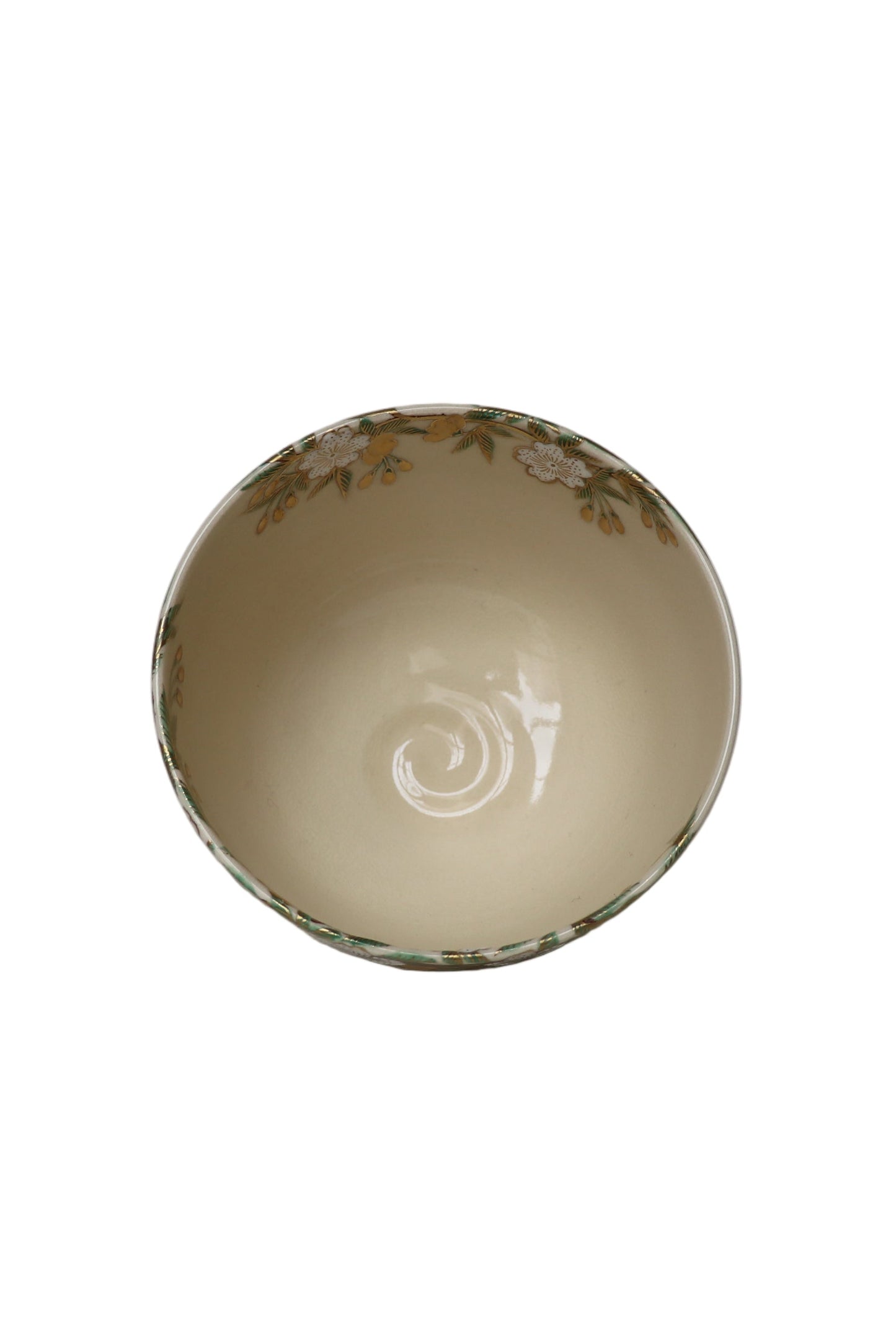
The Seikanji kiln is renowned for its creations that combine the rigorous forms inherited from the Momoyama style with the vibrant colors characteristic of Kyoto's pictorial tradition. The decorations, hand-painted with Japanese pigments (wa-egozai), are applied in multiple layers and fired repeatedly, creating a delicate relief and a luminous depth unique to each piece.
In this bowl, cherry blossoms—symbols of prosperity, renewal, and fleeting beauty—float among clouds that evoke the passage of time and transformation. Together, these motifs embody the harmony between ever-changing nature and the serenity of tea.
Each piece, crafted and painted in the historic workshop of chawan-zaka, near Kiyomizu-dera temple, testifies to a know-how passed down for more than a century and a deep respect for the way of tea.
🇬🇧 Matcha Bowl Iroe “Cherry Blossoms and Clouds” — Seikanji Kiln, Sugita Shōhei (4th Generation)
The Iroe “Cherry Blossoms and Clouds” matcha bowl is a creation by master potter Sugita Shōhei, the fourth-generation successor of the Seikanji Kiln (Seikanji-gama), located on Kyoto’s historic Chawan-zaka slope near Kiyomizu Temple. Established in the late Edo period with the patronage of the Seikanji noble family, the kiln continues to uphold the refined aesthetic of Ninsei and Ko-Kiyomizu, key lineages of Kyoto ware (Kyōyaki / Kiyomizuyaki).
Seikanji pieces are known for combining the sculptural grace of the Momoyama era with the vibrant polychrome painting traditions of Kyoto. Each decoration is hand-painted using traditional Japanese pigments, layered and fired multiple times to produce a subtle relief and luminous depth.
In this piece, cherry blossoms—symbols of prosperity, renewal, and fleeting beauty—drift among cloud motifs that suggest impermanence and the flow of time. Together, they embody harmony between transience and tranquility, echoing the spirit of the tea ceremony.
Each bowl is shaped and decorated in the historic Seikanji workshop, where generations of artisans have pursued the delicate balance between tradition and contemporary sensitivity.
Blog posts
-

New Year in the world of Japanese tea
Au Japon, on dit que le nouvel an du thé a lieu en novembre et non le 1er janvier. Cela s’explique par la saisonnalité des feuilles de thé et plus...
New Year in the world of Japanese tea
Au Japon, on dit que le nouvel an du thé a lieu en novembre et non le 1er janvier. Cela s’explique par la saisonnalité des feuilles de thé et plus...
-

Maintenance and cleaning of tea utensils and ac...
Our advice for maintaining your kyusu, your chasen and other tea utensils and accessories.
Maintenance and cleaning of tea utensils and ac...
Our advice for maintaining your kyusu, your chasen and other tea utensils and accessories.
-

The birth of the Maruyama Nori house in 1854 in...
The birth of the Maruyama Nori house in 1854 in the world historical context If we can imagine that 1854 was now almost 200 years ago, it can be...
The birth of the Maruyama Nori house in 1854 in...
The birth of the Maruyama Nori house in 1854 in the world historical context If we can imagine that 1854 was now almost 200 years ago, it can be...


