

Bowl matcha / Kyoto Miyagawa Kun SEED
Bowl matcha / Kyoto Miyagawa Kun SEED
Quantity
Couldn't load pickup availability
Please note, this item is a unique piece.
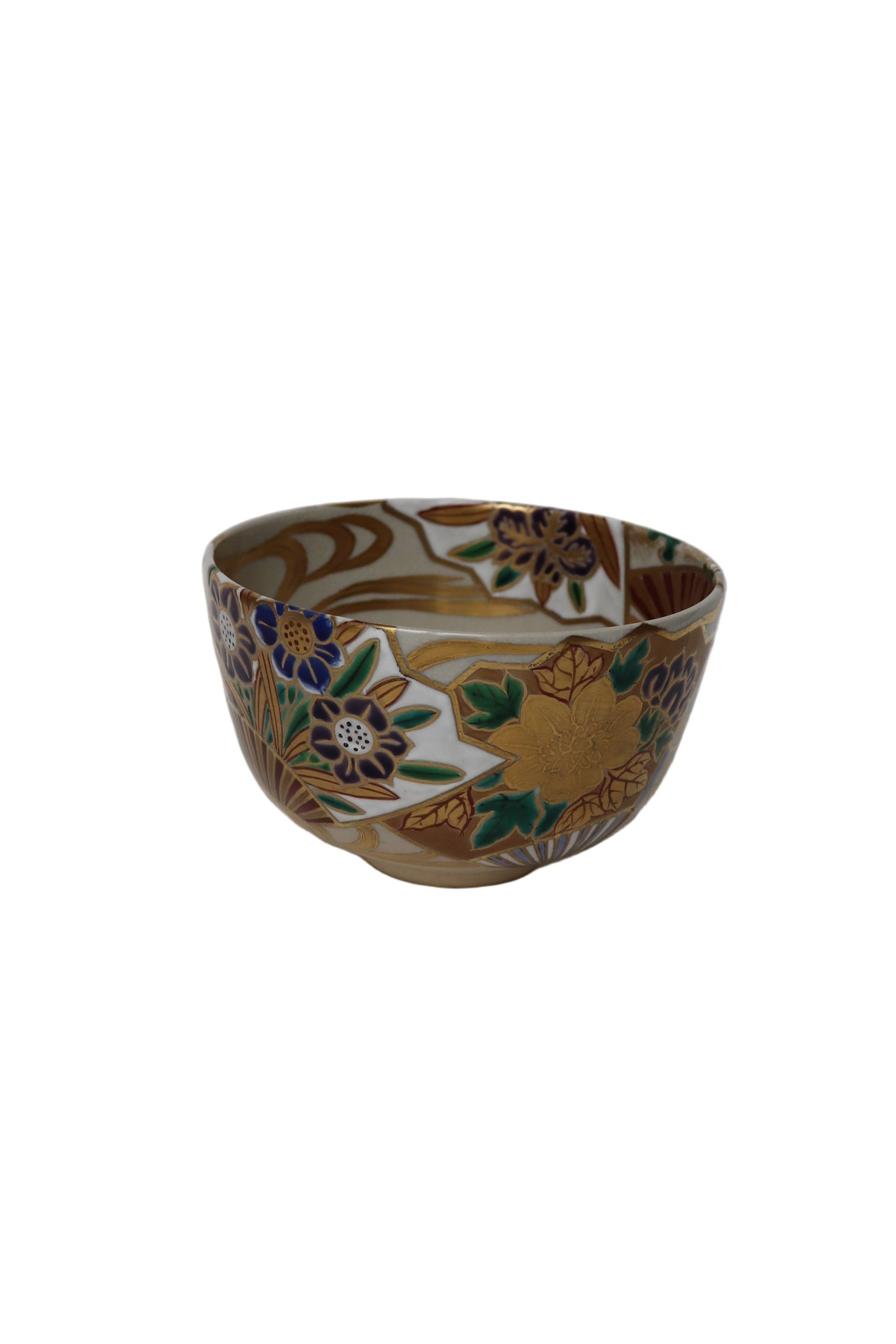
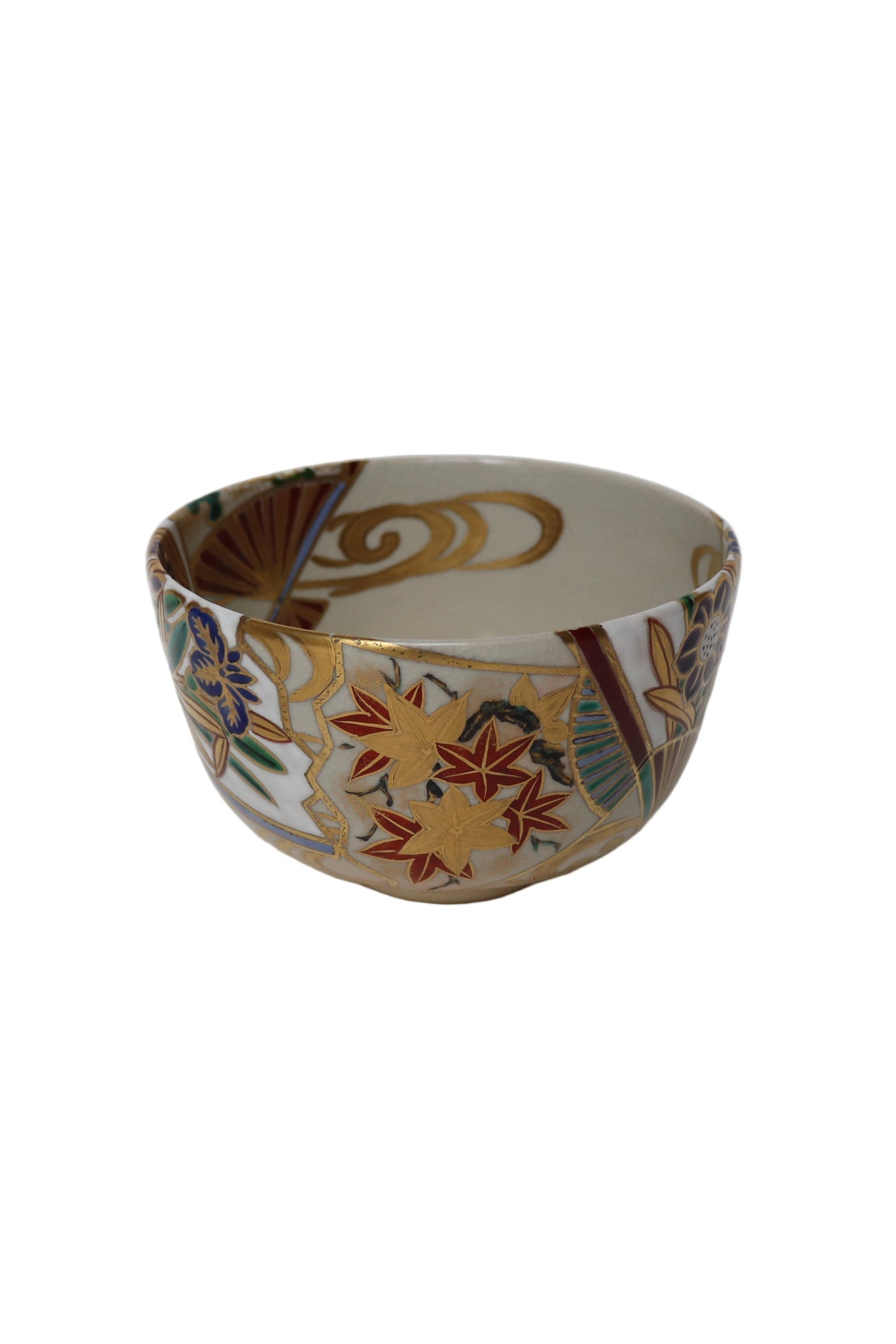
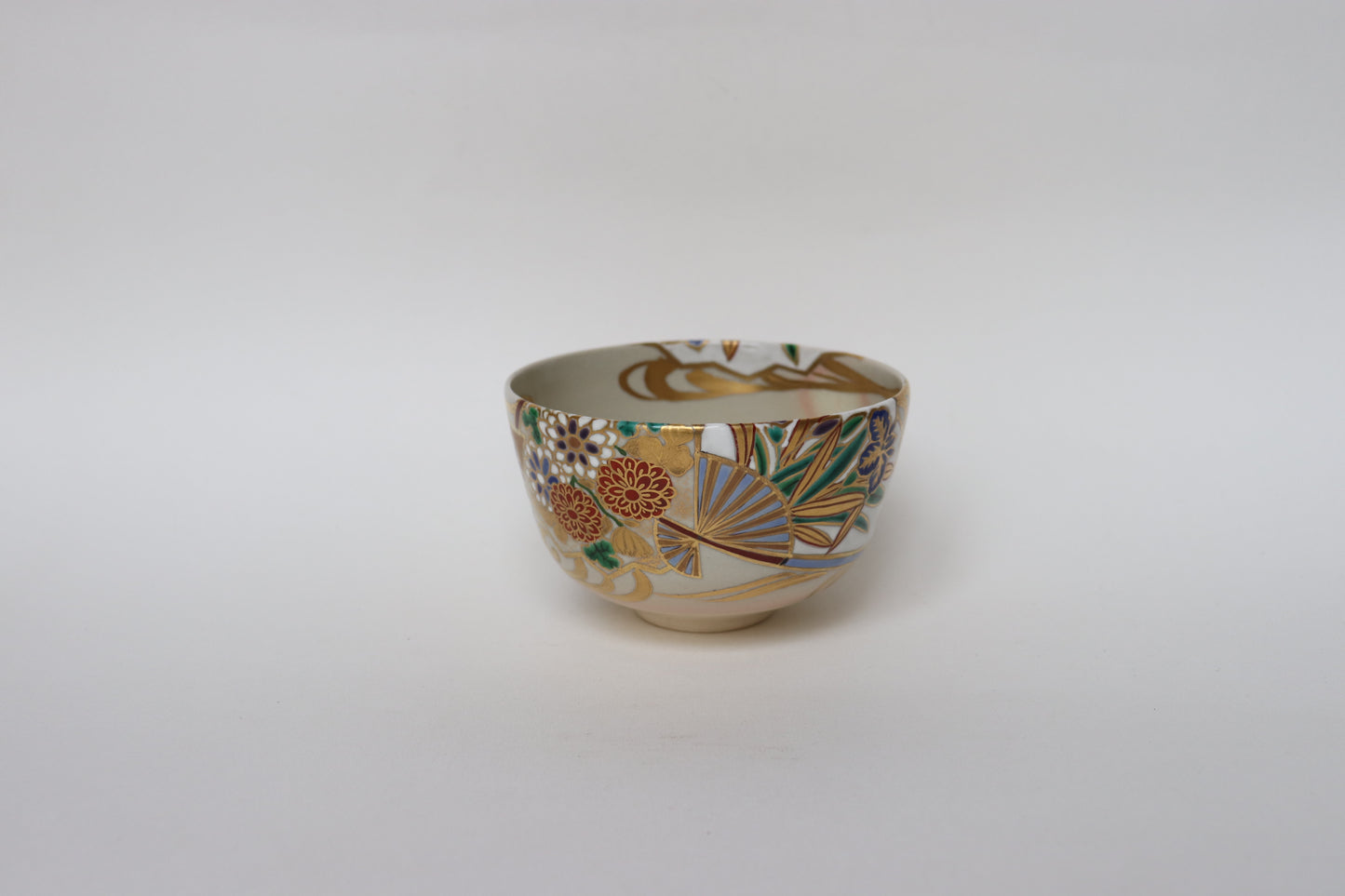
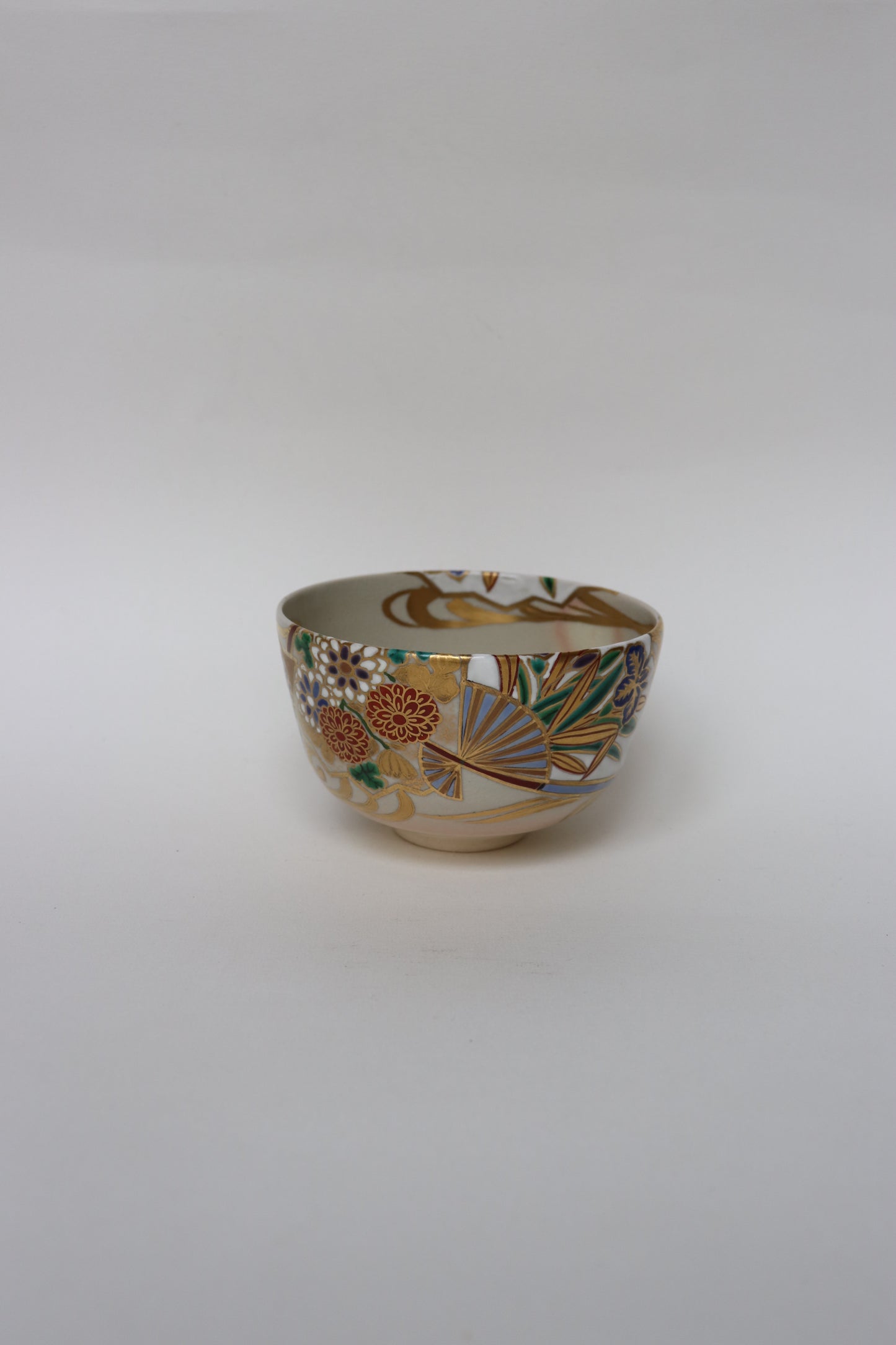
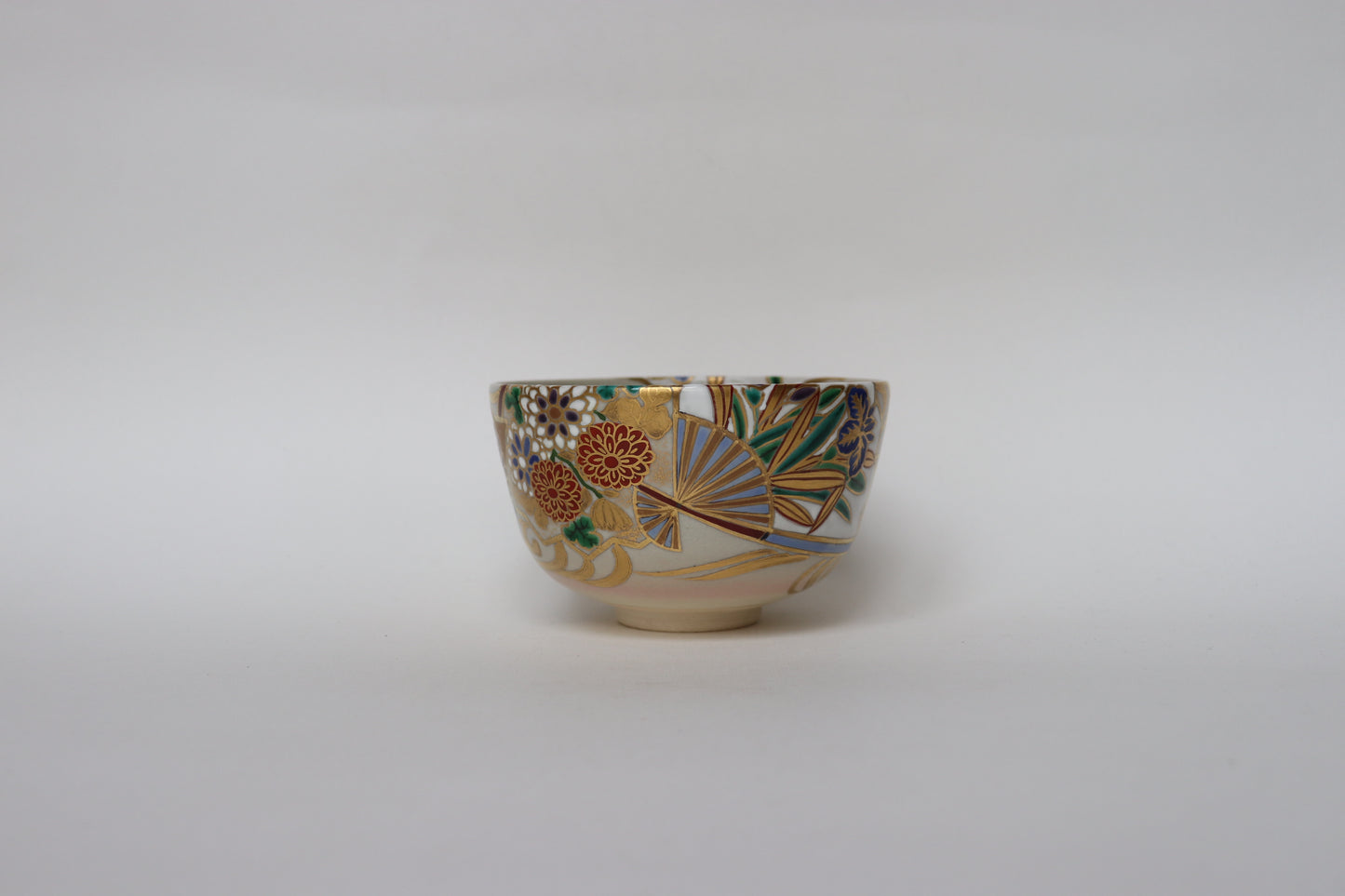
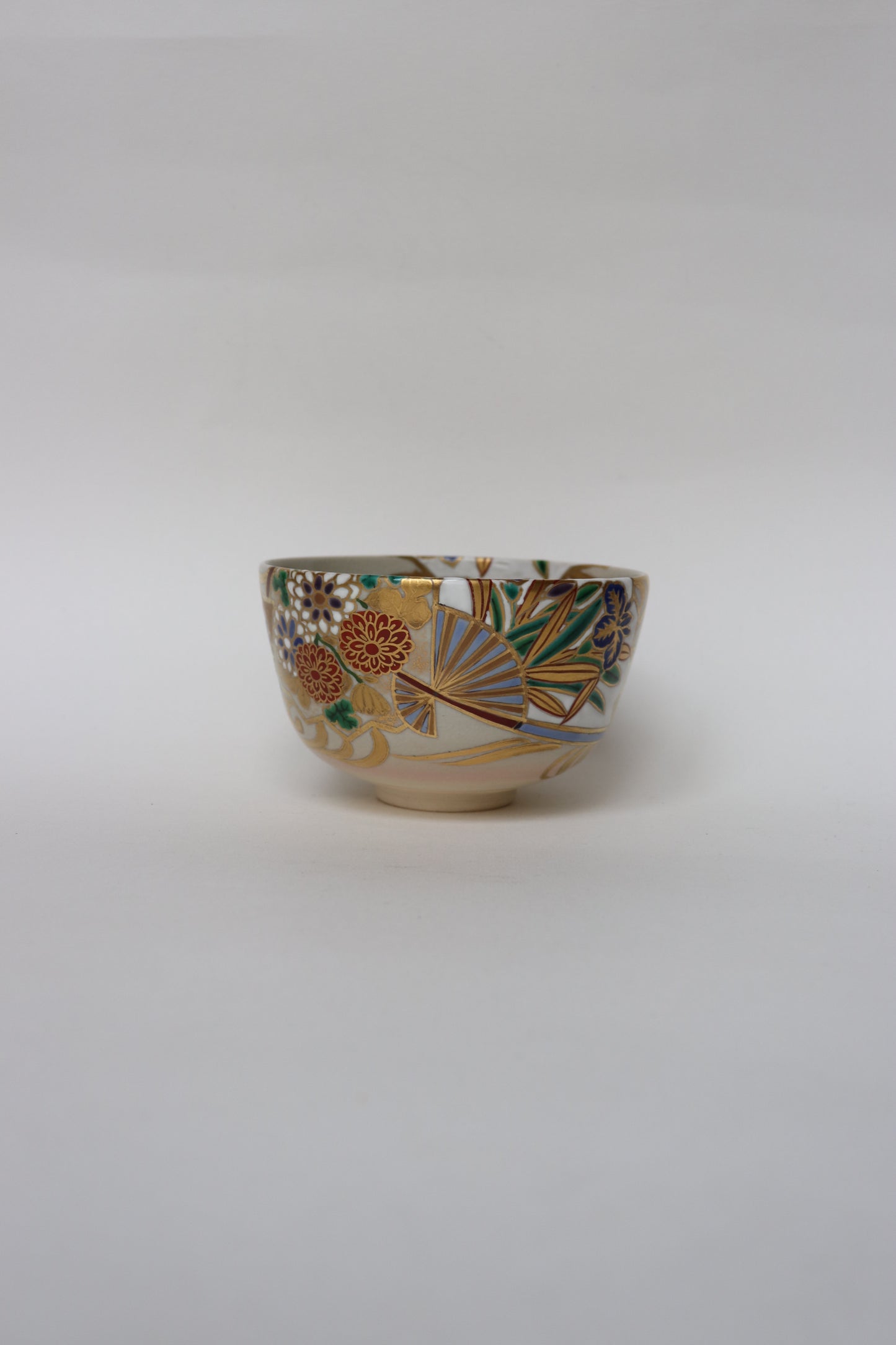
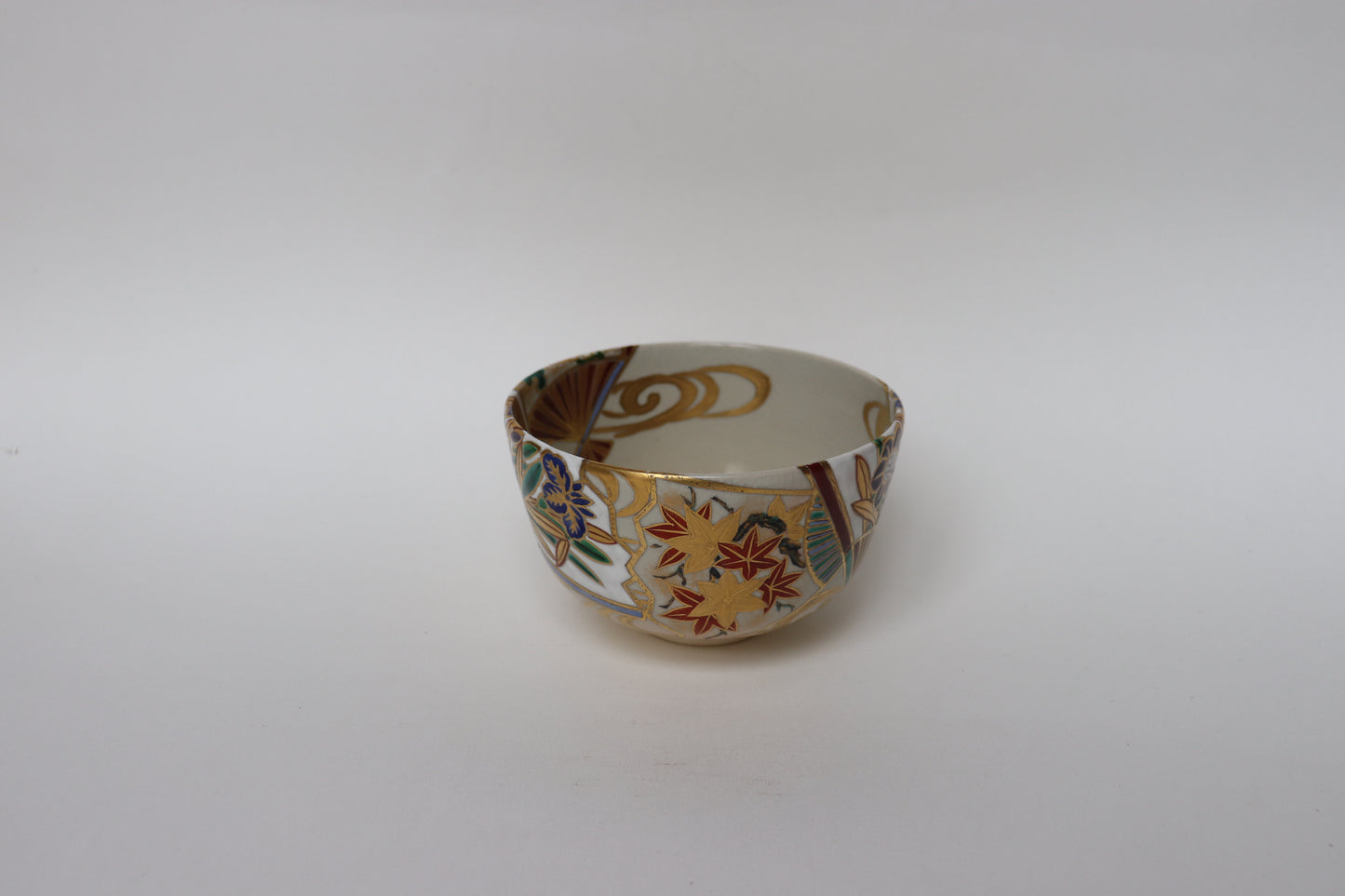
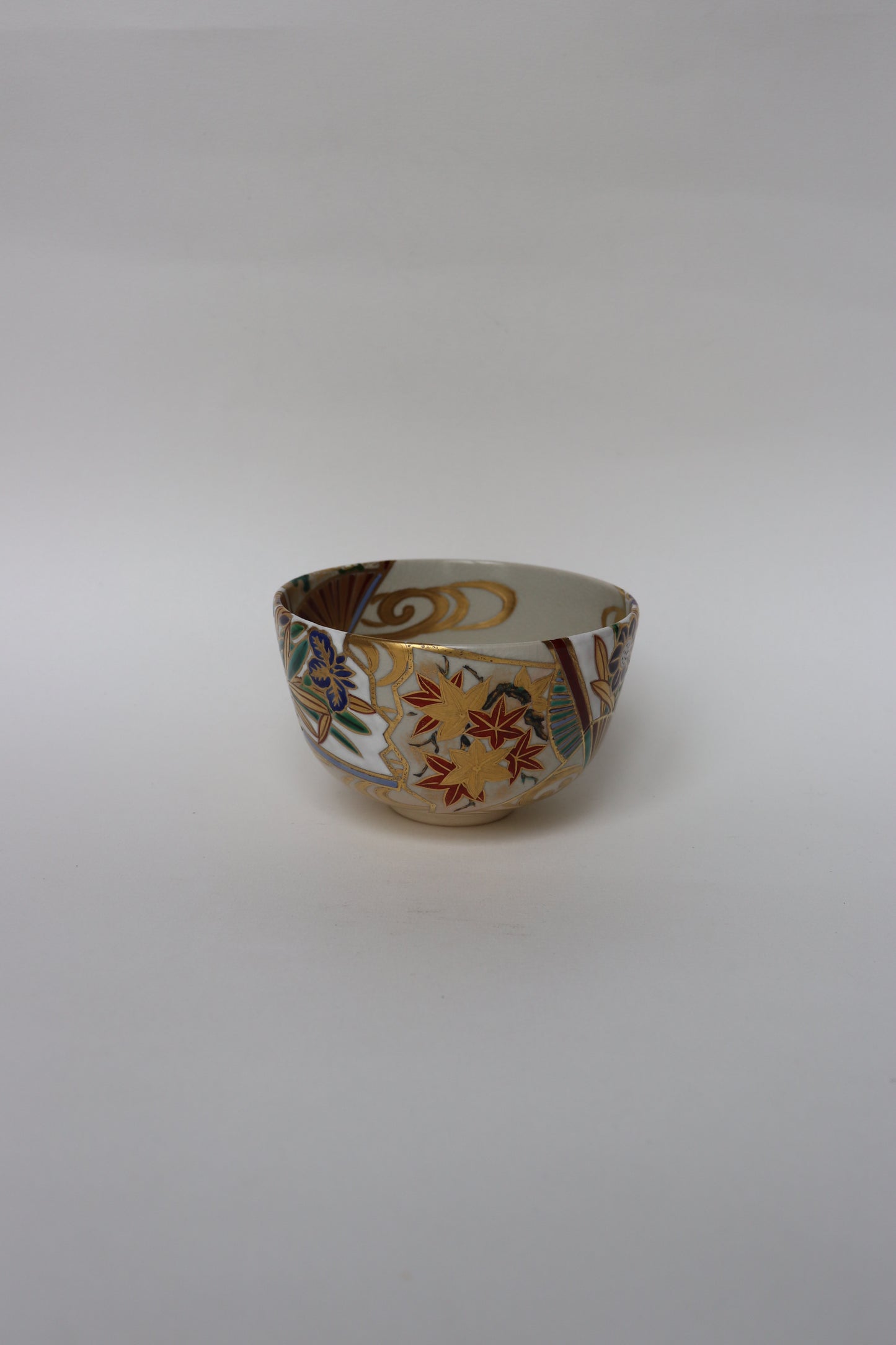
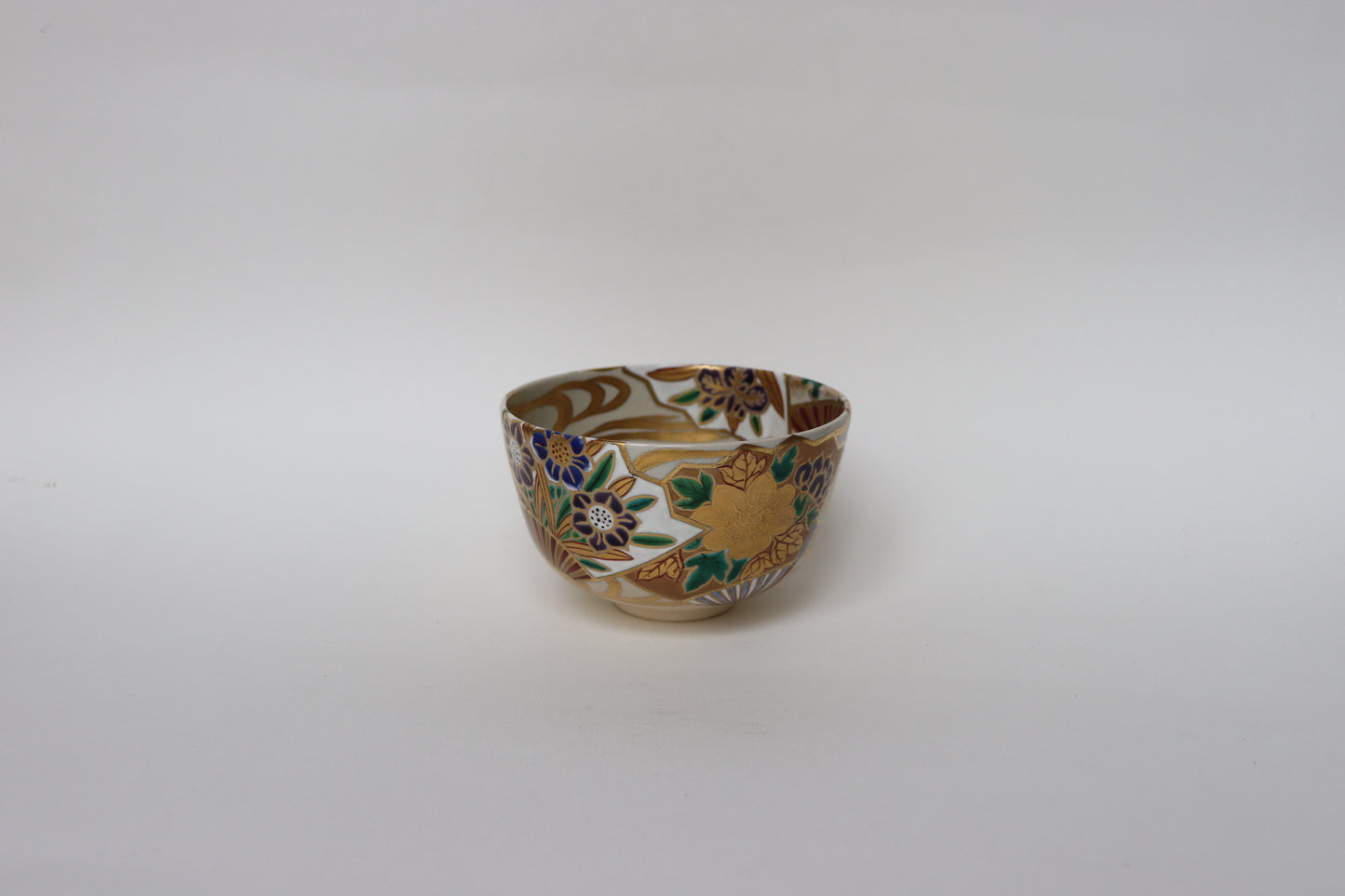
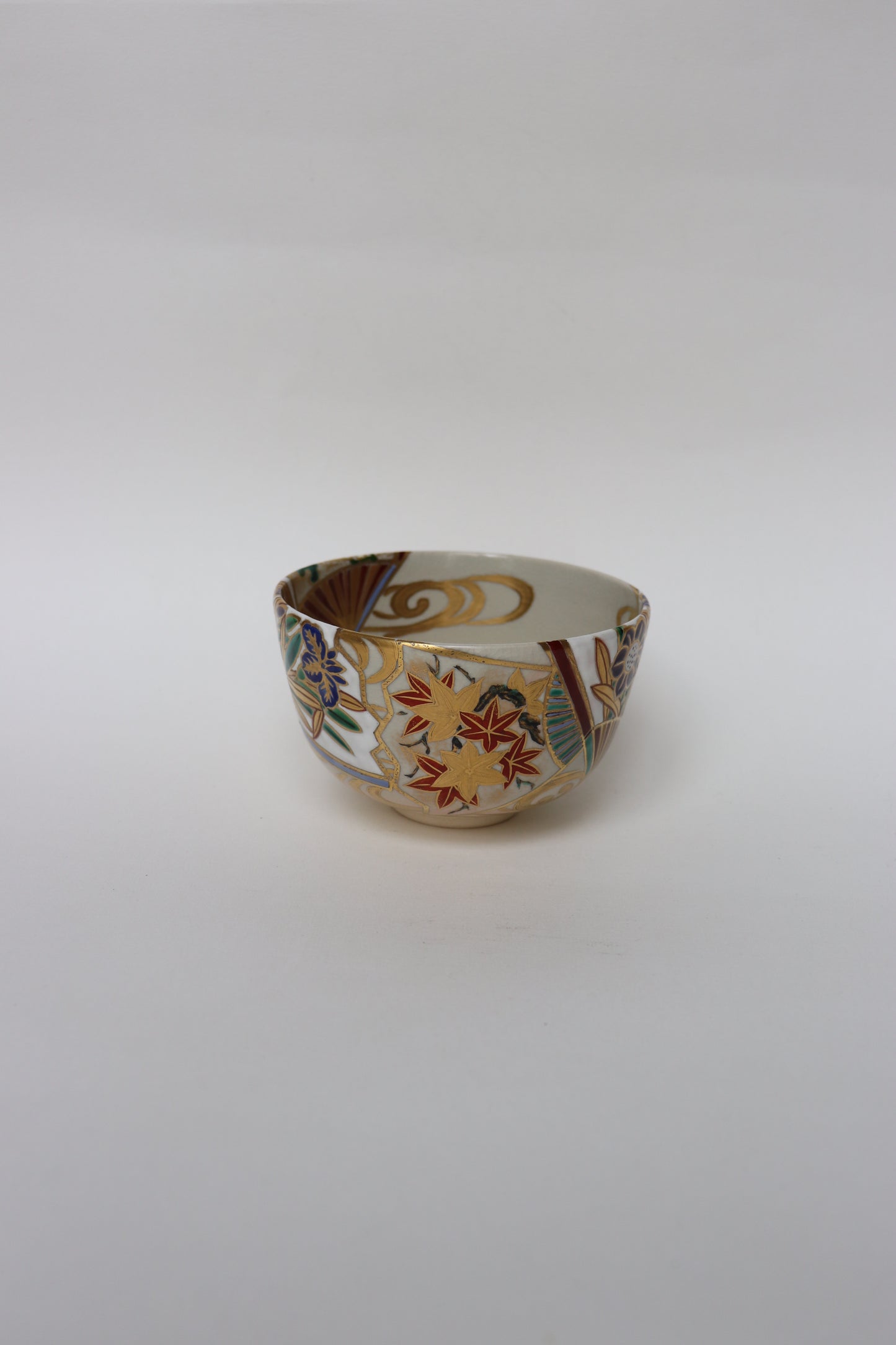
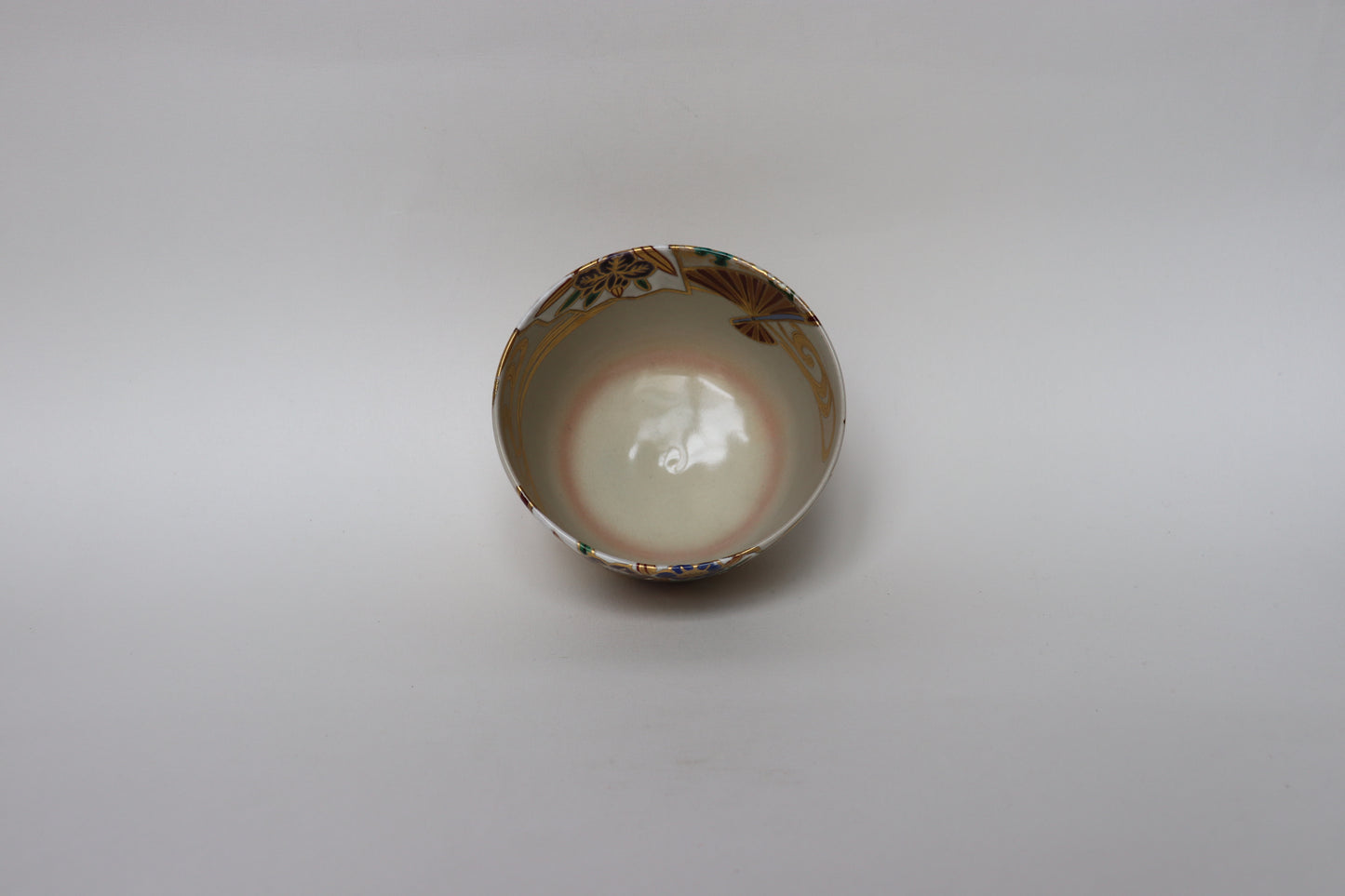
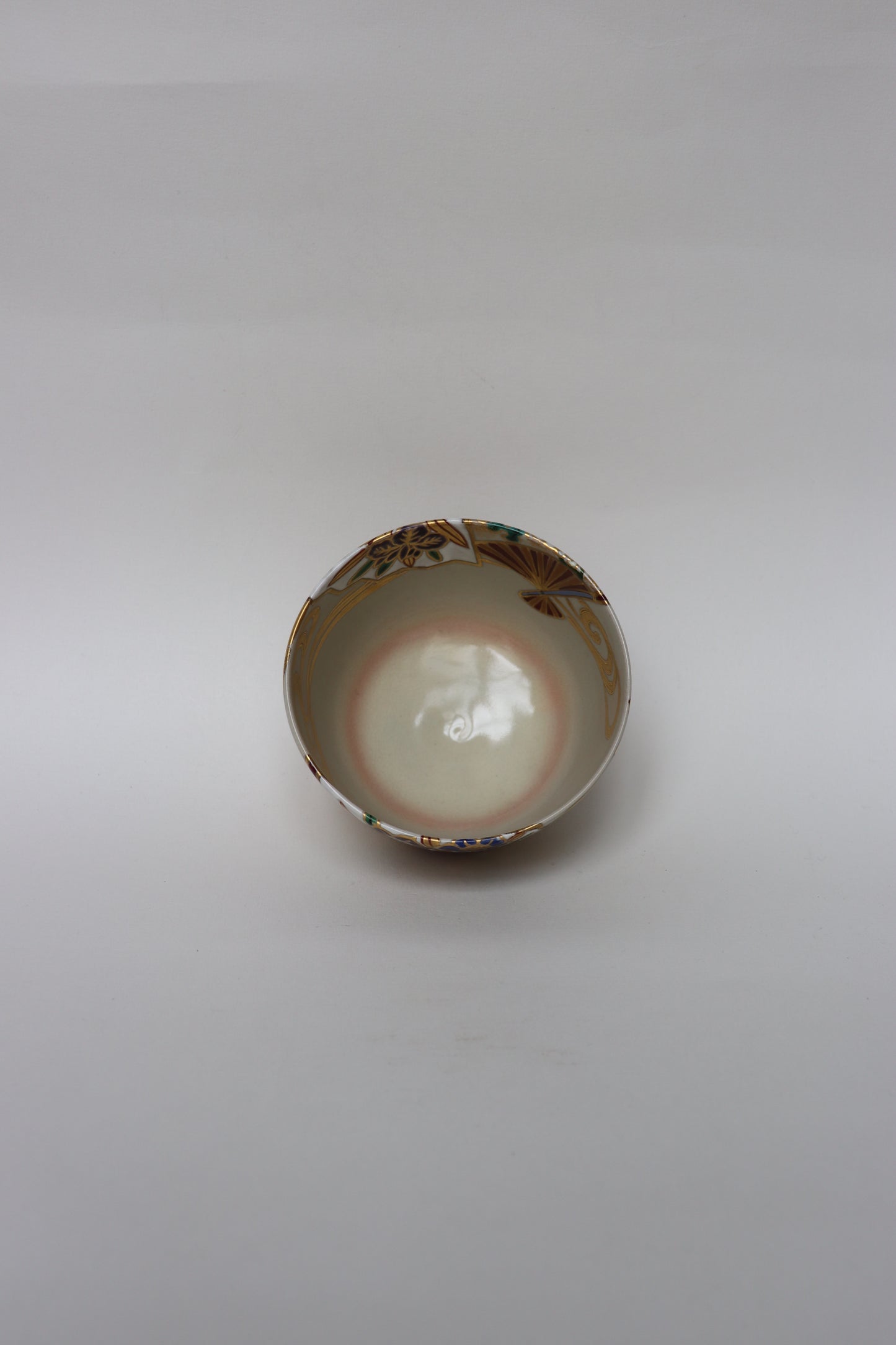
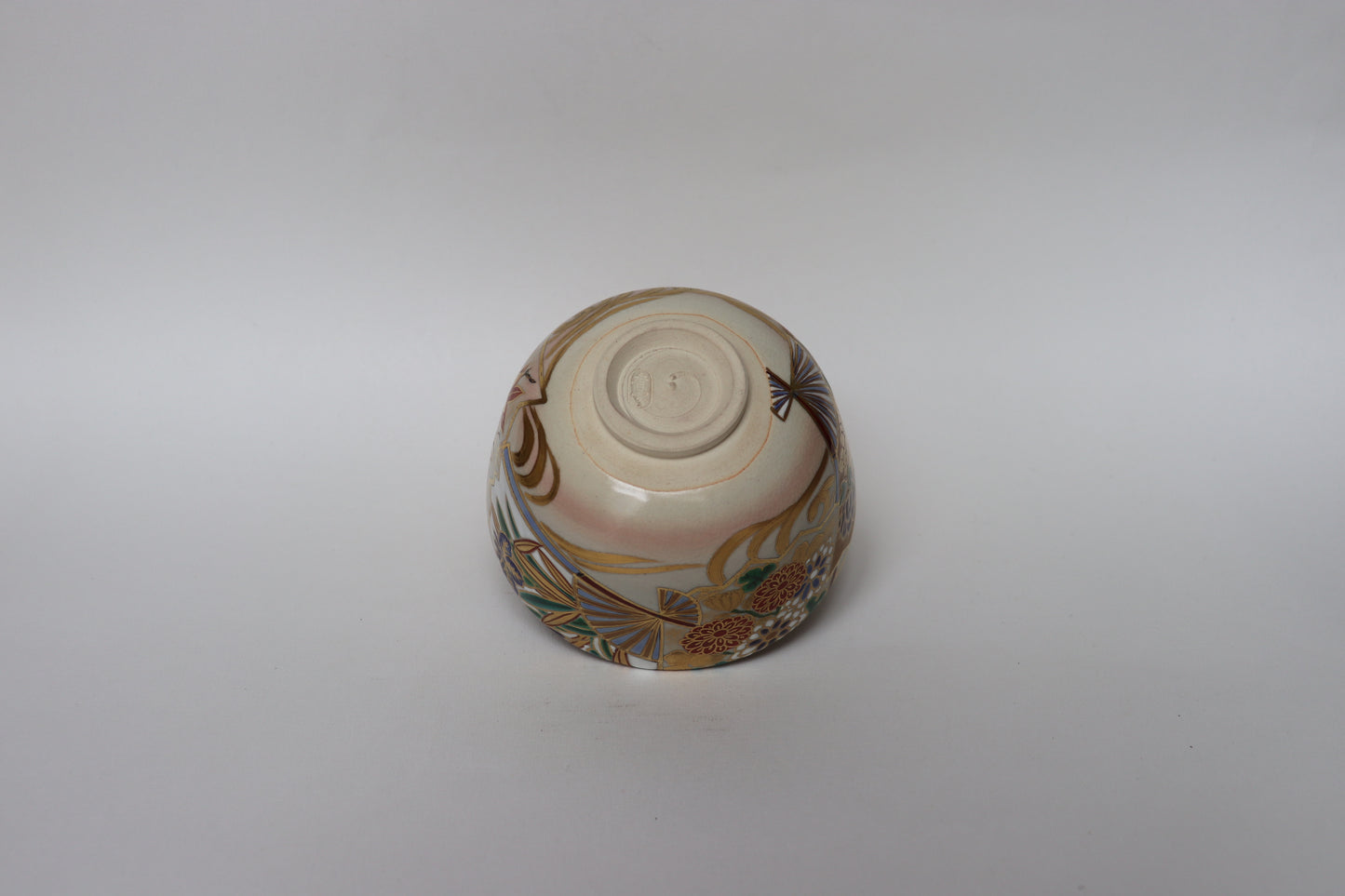
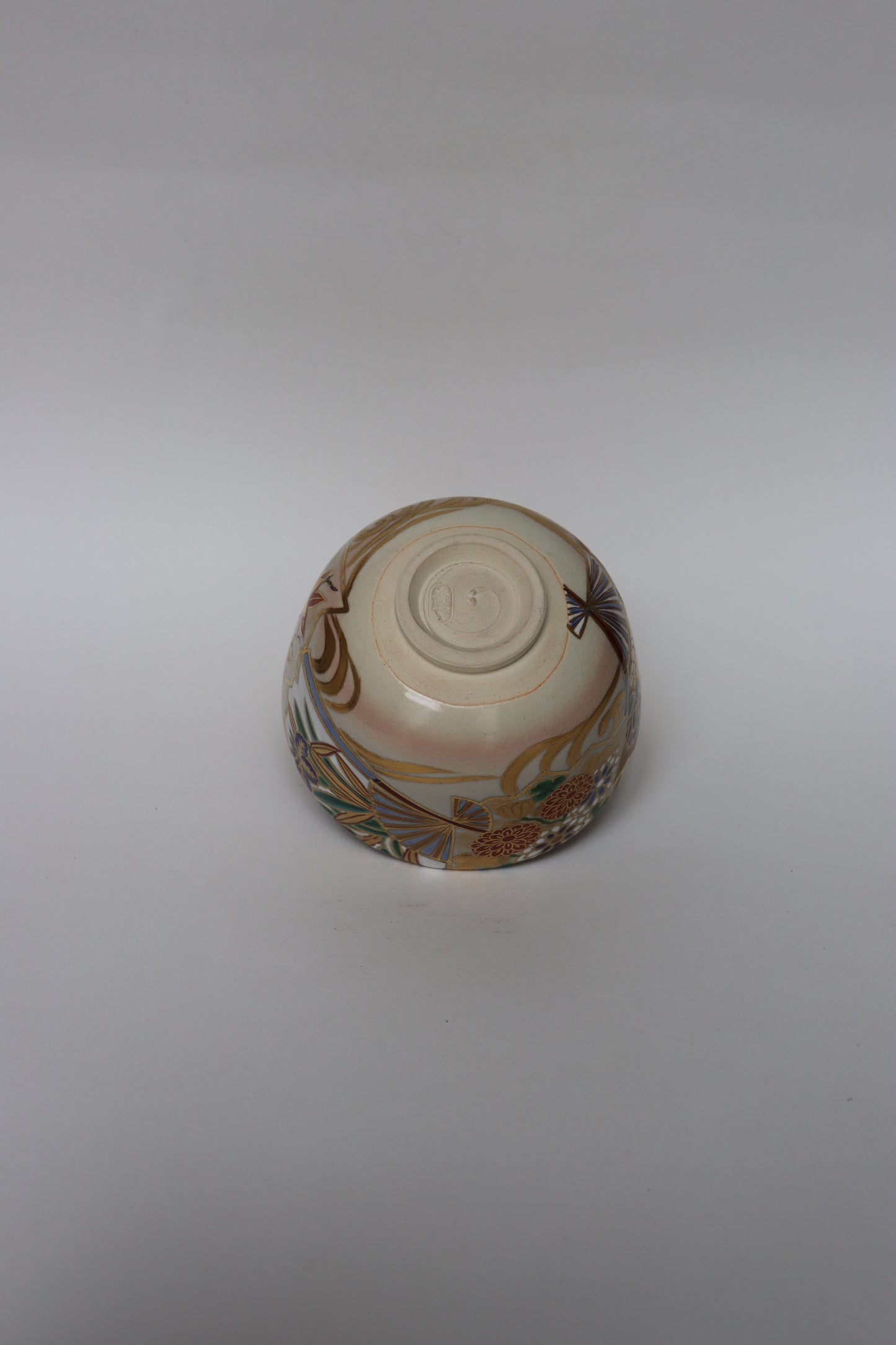
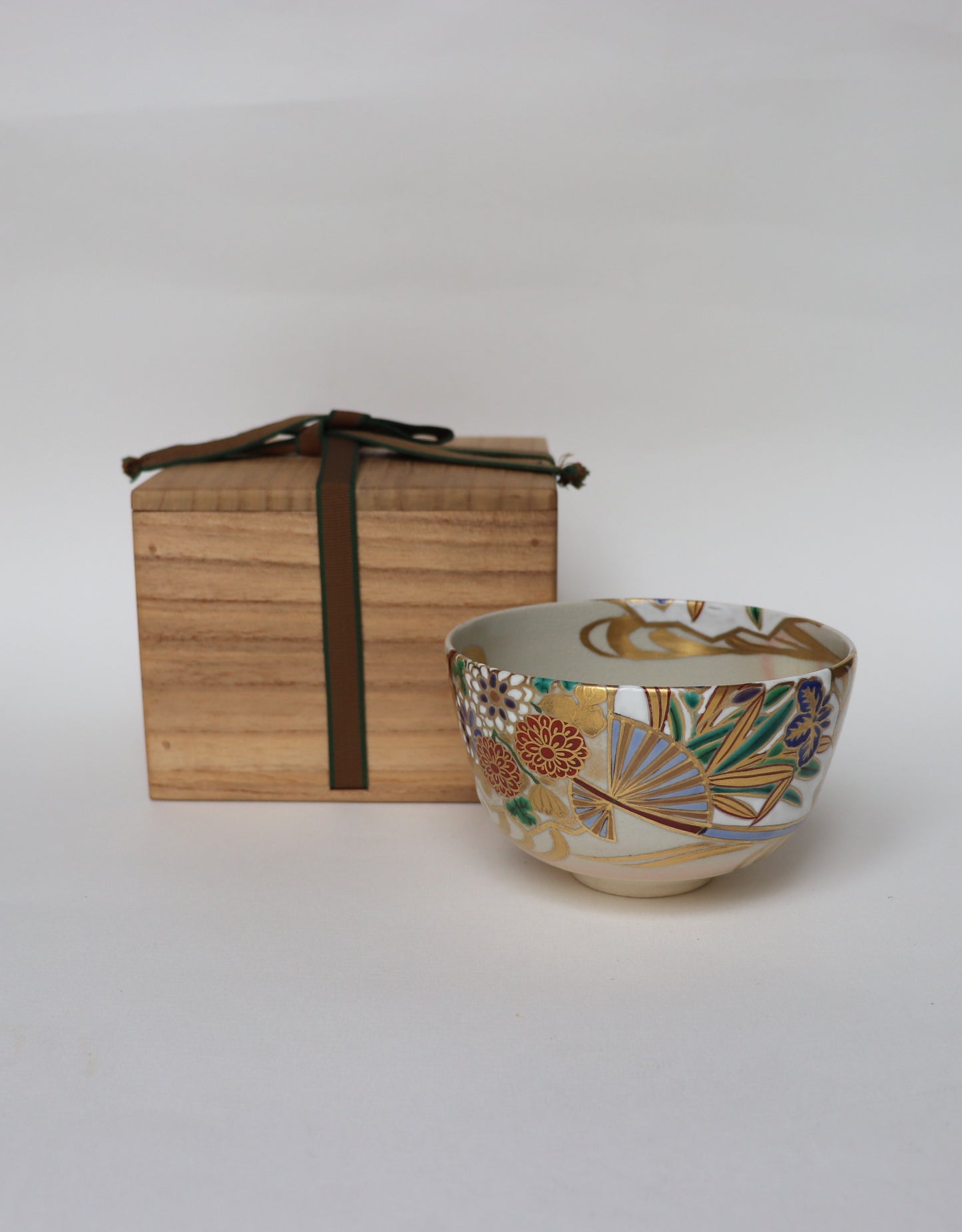
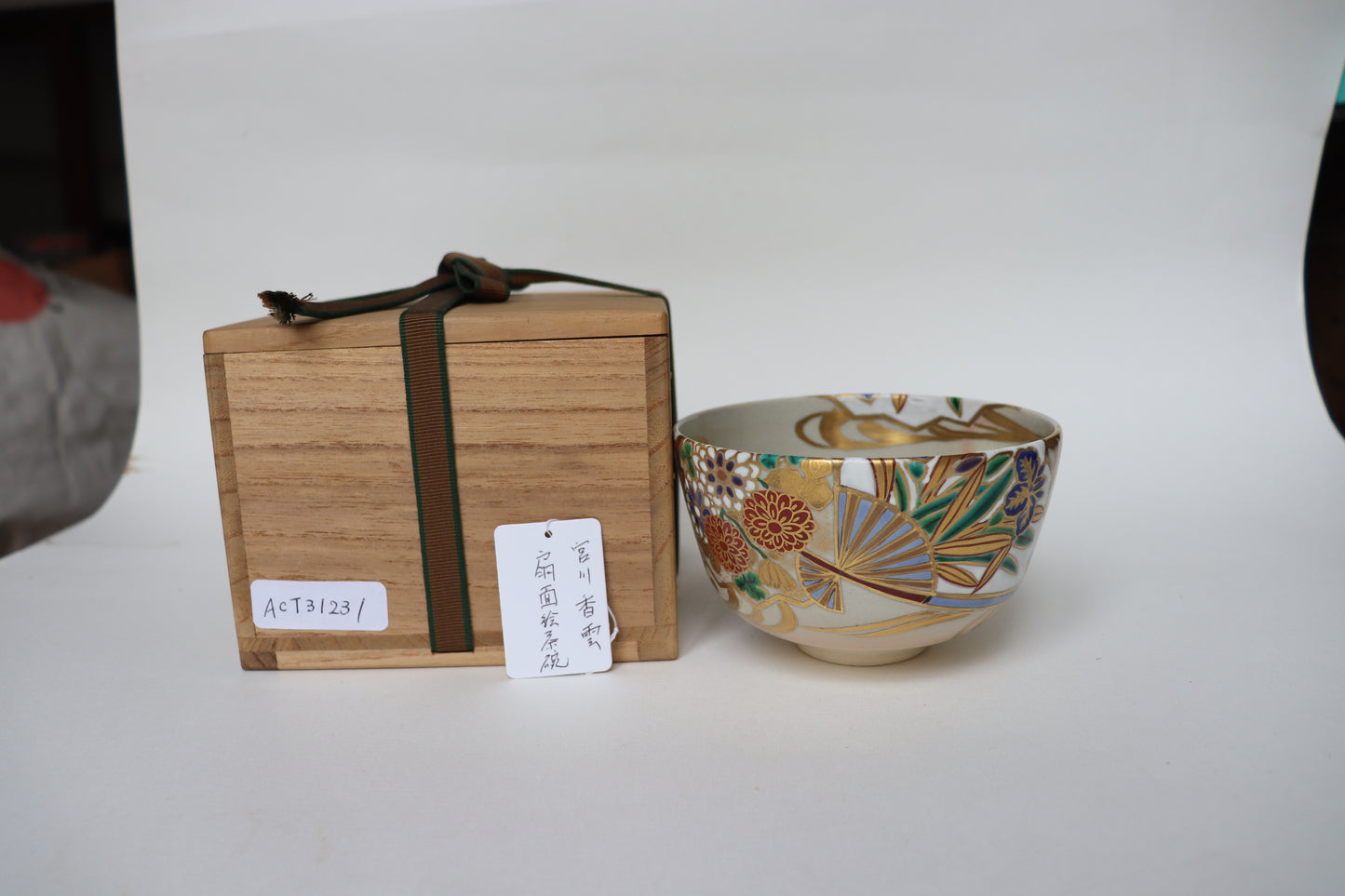
🇫🇷 Bowl to matcha “Event Pattern – Senmen” – Ryūkoku Stove, Miyagawa Kōun (2nd Generation)
This bowl matcha, decorated with the fan motif (senmen-mon), is a creation of the master ceramist Miyagawa Kōun, second generation of the Ryūkoku kiln (Ryūkoku-gama). Heir to a lineage stemming from the prestigious Miyagawa Kōsai family, founders of Makuzu-yaki, Kōun perpetuates today in Kyoto the elegance and technical richness of Kyō-yaki / Kiyomizu-yaki.
The Ryūkoku kiln was founded at the end of World War II by the first Kōun, himself the son of the third Miyagawa Kōsai. With permission from Nishi Hongan-ji Temple, he established his workshop in Gojō-zaka before moving it to Uji no Sumiyama in 1969, along with a noborigama (climbing kiln). Since then, three generations of potters have worked there, creating tea objects imbued with refinement and a profound respect for the tradition of the tea ceremony.
The fan motif is a motif suehirogari (which expands toward the future) is a symbol of prosperity, development, and good fortune. It evokes openness and the blossoming of things and has long been considered an auspicious motif in Japanese decorative arts. Fans painted with floral or seasonal designs convey a wish for harmonious growth and continued success.
Miyagawa Kōun's ceramics are distinguished by their pictorial refinement and the diversity of their techniques: reproductions of styles Ninsei And Kenzanpatterns Kochi, Shonzui kinrande And sometsukeThe bowl combines the brilliance of colored enamels with a balanced composition, typical of Kyoto workshops, where technical virtuosity meets the aesthetic sensitivity of the way of tea.
🇬🇧 Matcha Bowl “Fan Motif – Sensu Mon” – Ryūkoku Kiln, Miyagawa Kōun (2nd Generation)
This matcha bowl, decorated with the fan motif (扇面文 / sensu-mon), is the work of master potter Miyagawa Kōun, the second generation of the Ryūkoku Kiln (Ryūkoku-gama). Descended from the renowned Miyagawa Kōsai family, founders of the celebrated Makuzu ware, Kōun continues the elegant and highly refined tradition of Kyōyaki / Kiyomizuyaki ceramics in Kyoto.
The Ryūkoku Kiln was established in 1945 by the first Kōun, son of the third Miyagawa Kōsai, with the approval of Nishi Hongan-ji Temple. Originally located in Gojō-zaka, the kiln moved in 1969 to Sumiyama, Uji, where a noborigama (climbing kiln) was built. Over three generations, the kiln has specialized in tea ceramics that embody the refined spirit and aesthetic of the tea ceremony.
The fan motif, is a suehirogari (“broadening toward the future”) motif, symbolizes prosperity, growth, and good fortune. A long-standing auspicious pattern in Japanese art and kimono design, the open fan represents expansion and the unfolding of positive developments. Often adorned with floral or seasonal motifs, it conveys a wish for continuous success and harmonious progress.
Miyagawa Kōun’s ceramics are celebrated for their delicate brushwork and technical diversity, ranging from Ninsei and Kenzan reproductions to Kōchi, Shonzui kinrande, and sometsuke techniques. This bowl combines vivid enamels with compositional balance, reflecting Kyoto’s artistic tradition where technical mastery meets the serene beauty of the tea aesthetic.
Blog posts
-

New Year in the world of Japanese tea
In Japan, they say that the New Year of Tea takes place in November and not on January 1st. This is explained by the seasonality of the tea leaves and...
New Year in the world of Japanese tea
In Japan, they say that the New Year of Tea takes place in November and not on January 1st. This is explained by the seasonality of the tea leaves and...
-

Maintenance and cleaning of tea utensils and ac...
Our advice for maintaining your kyusu, your chasen and other tea utensils and accessories.
Maintenance and cleaning of tea utensils and ac...
Our advice for maintaining your kyusu, your chasen and other tea utensils and accessories.
-

The birth of the Maruyama Nori house in 1854 in...
The birth of the Maruyama Nori house in 1854 in the world historical context If we can imagine that 1854 was now almost 200 years ago, it can be...
The birth of the Maruyama Nori house in 1854 in...
The birth of the Maruyama Nori house in 1854 in the world historical context If we can imagine that 1854 was now almost 200 years ago, it can be...


