

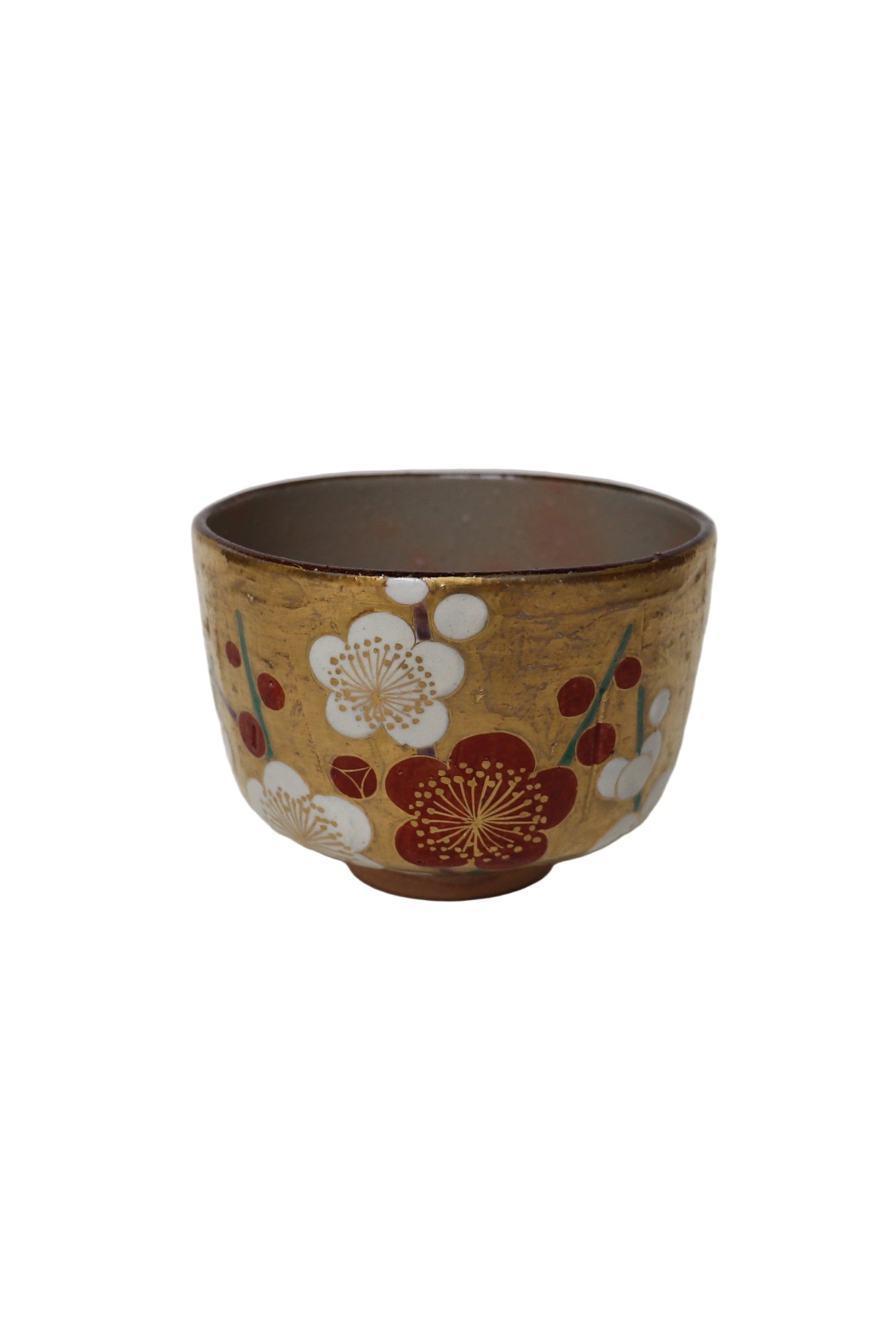
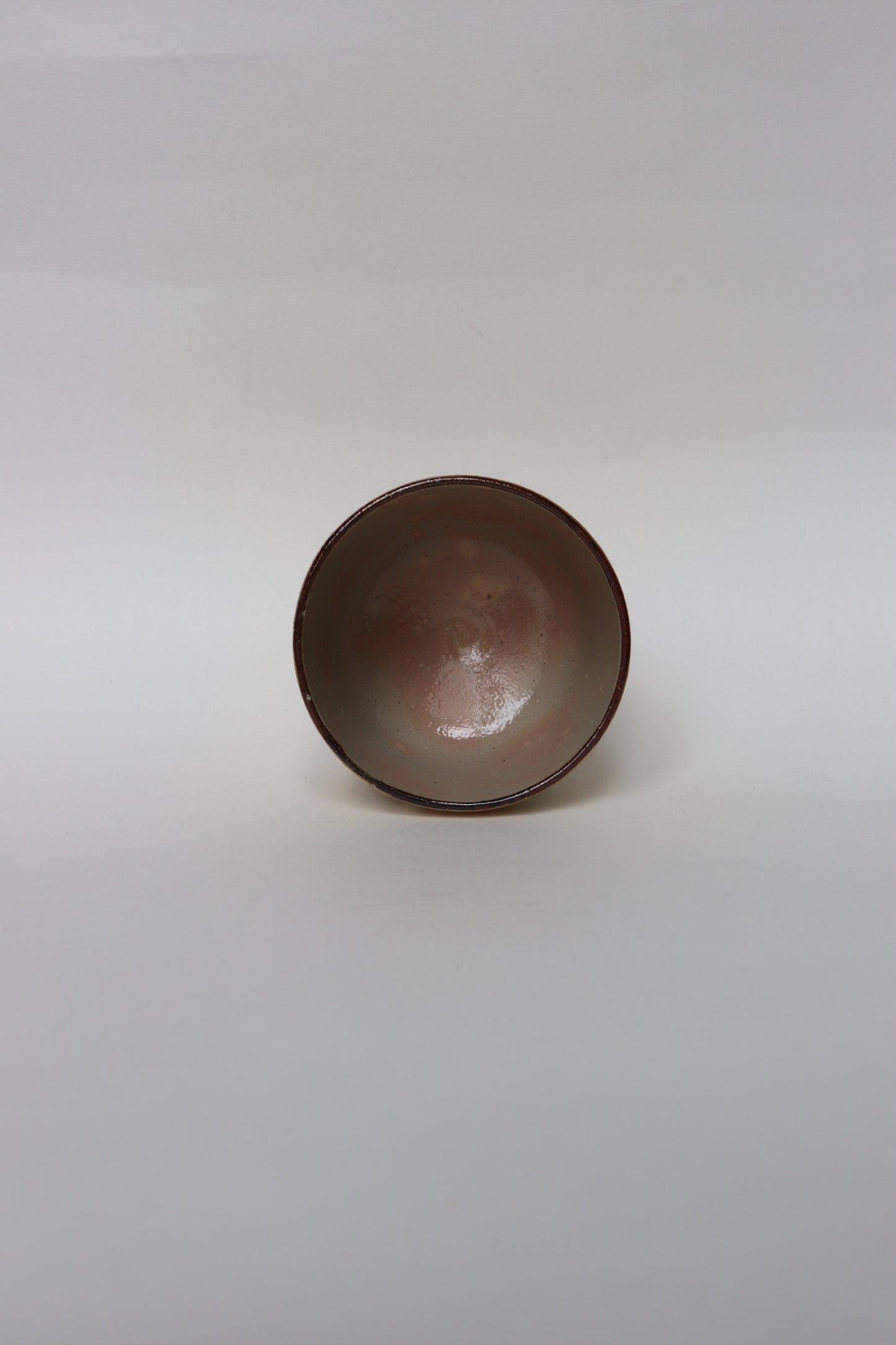
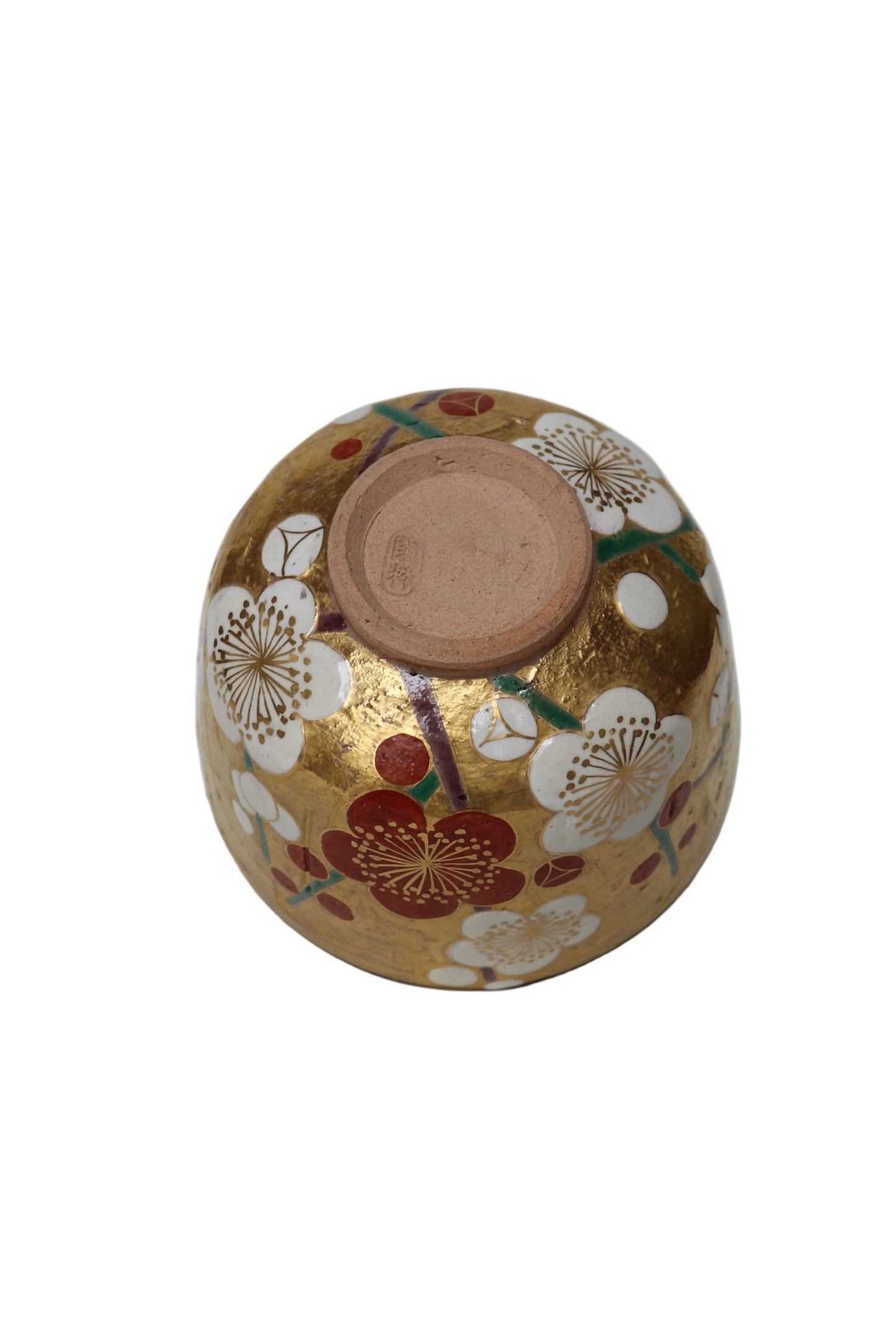
Bowl matcha / Kyoto Kindei UME
Bowl matcha / Kyoto Kindei UME
Quantity
Couldn't load pickup availability
Please note, this item is a unique piece.
Bol à matcha Kindei Yariumé
Minamiguchi Kansui
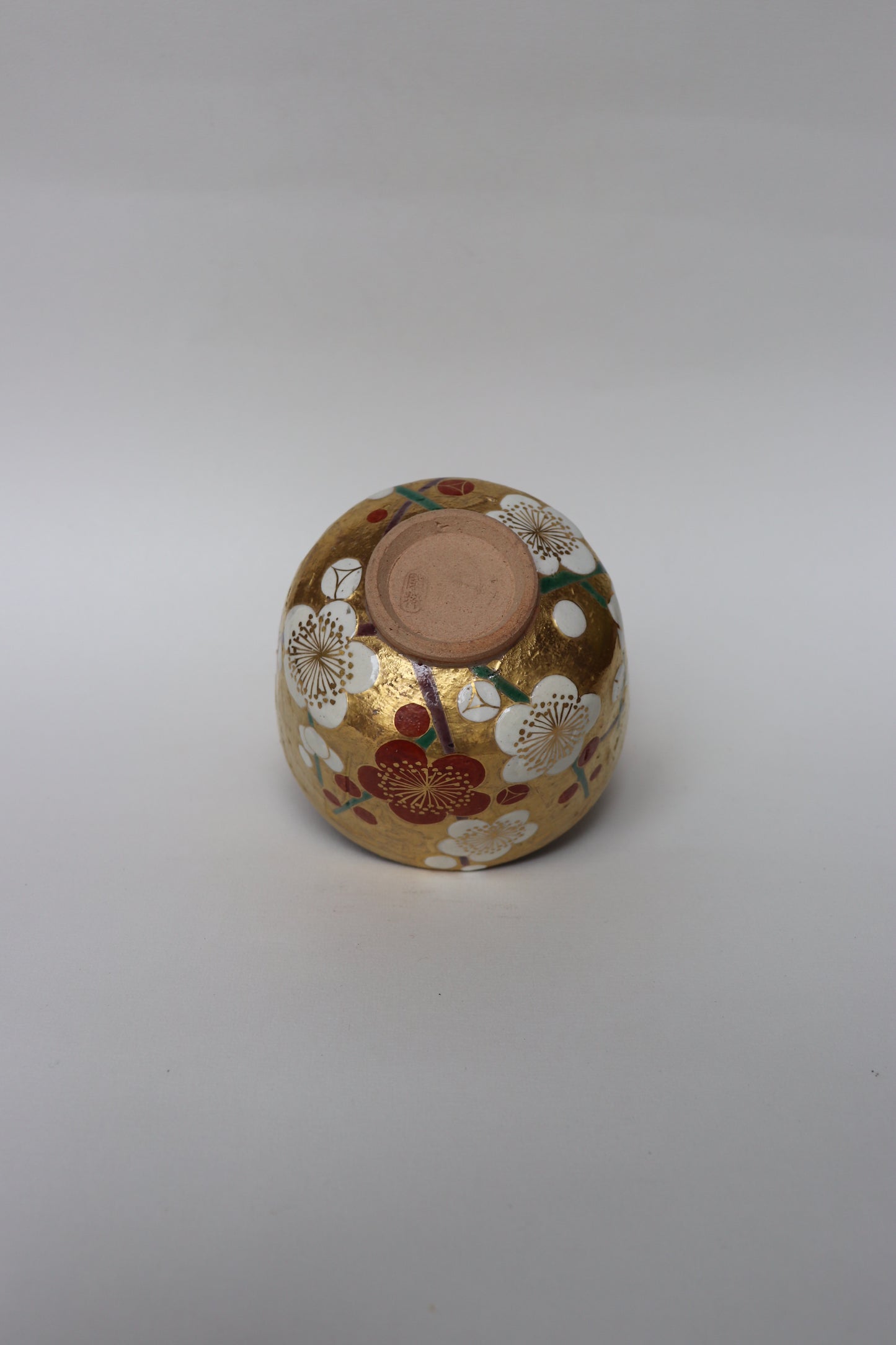
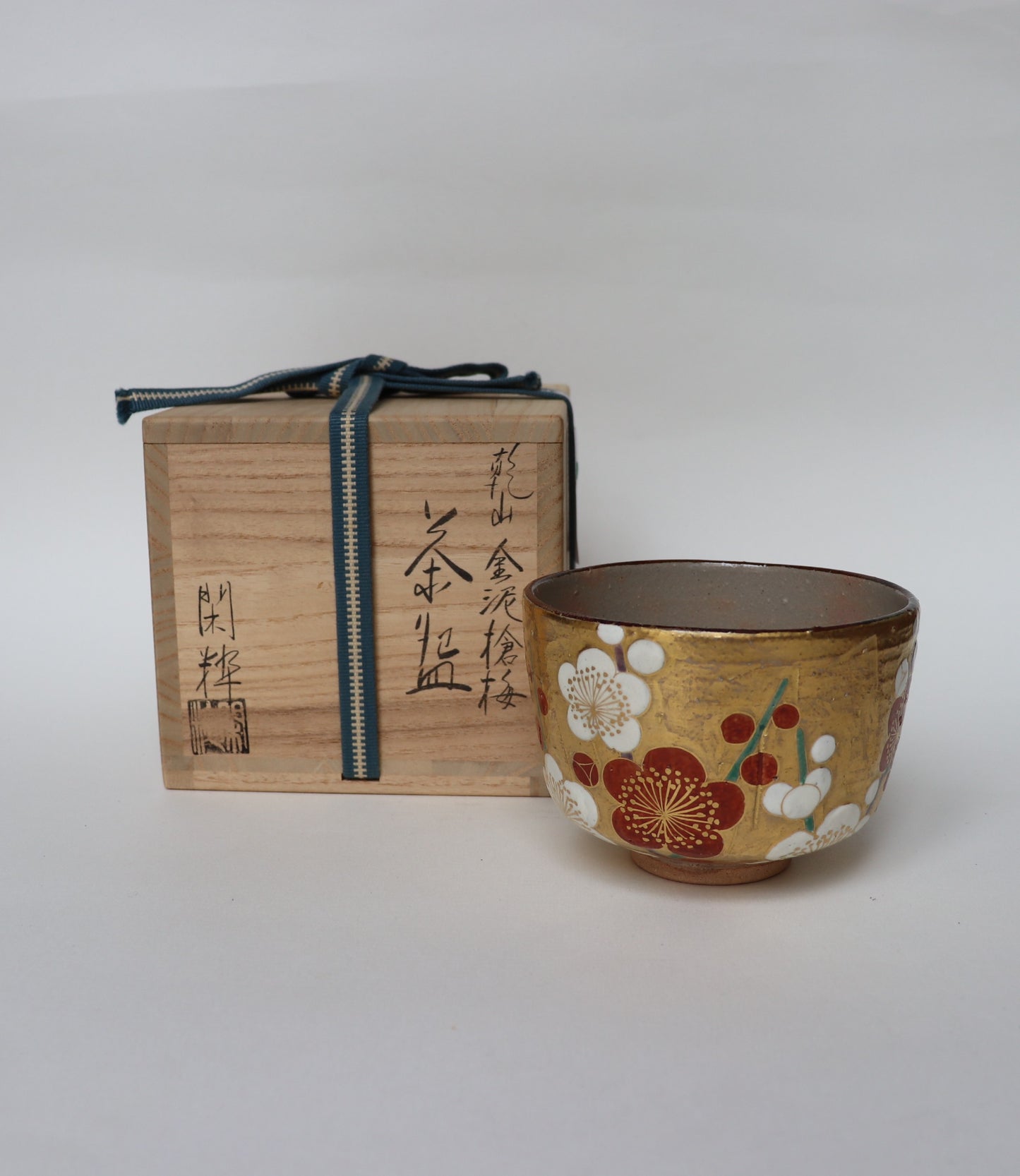
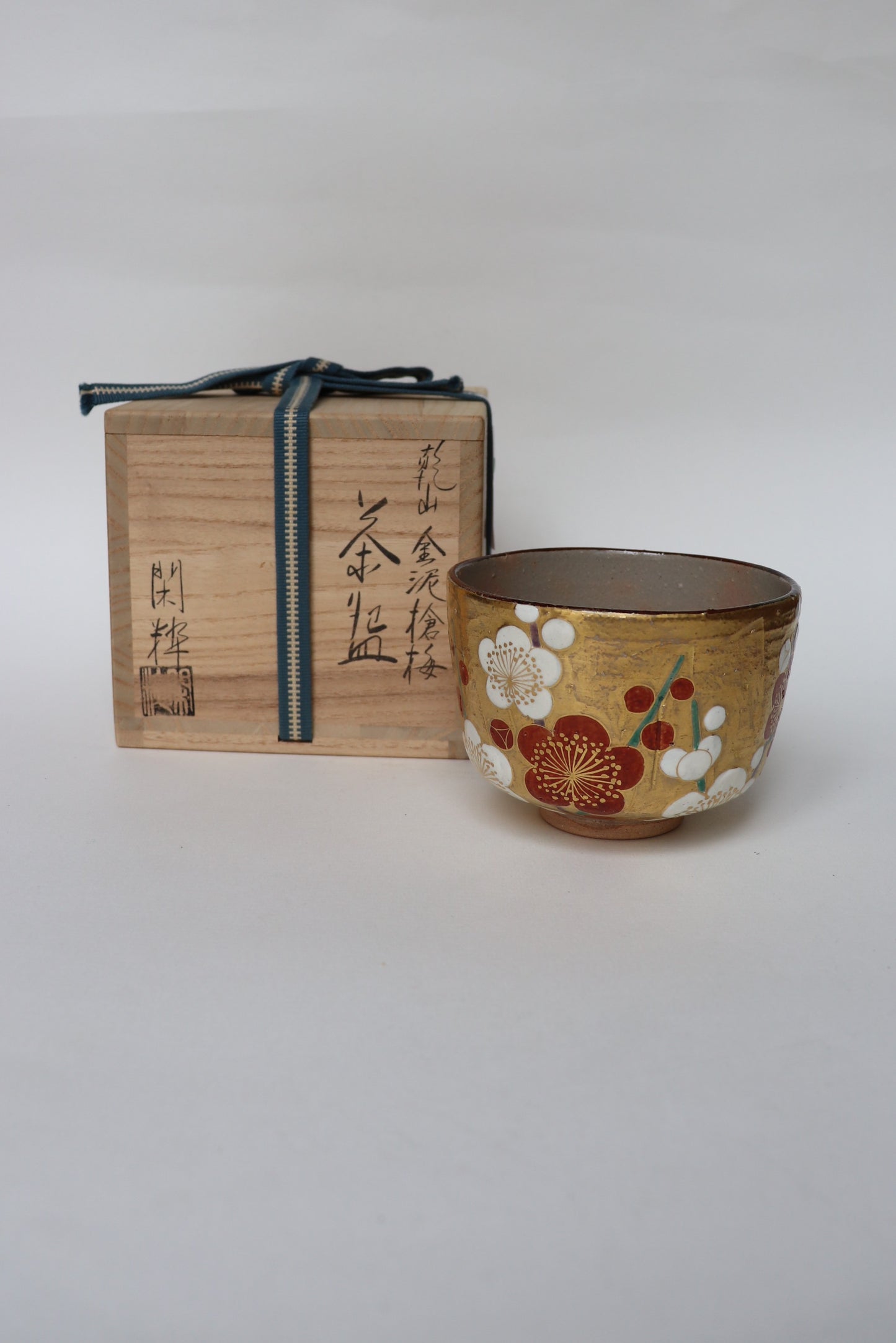
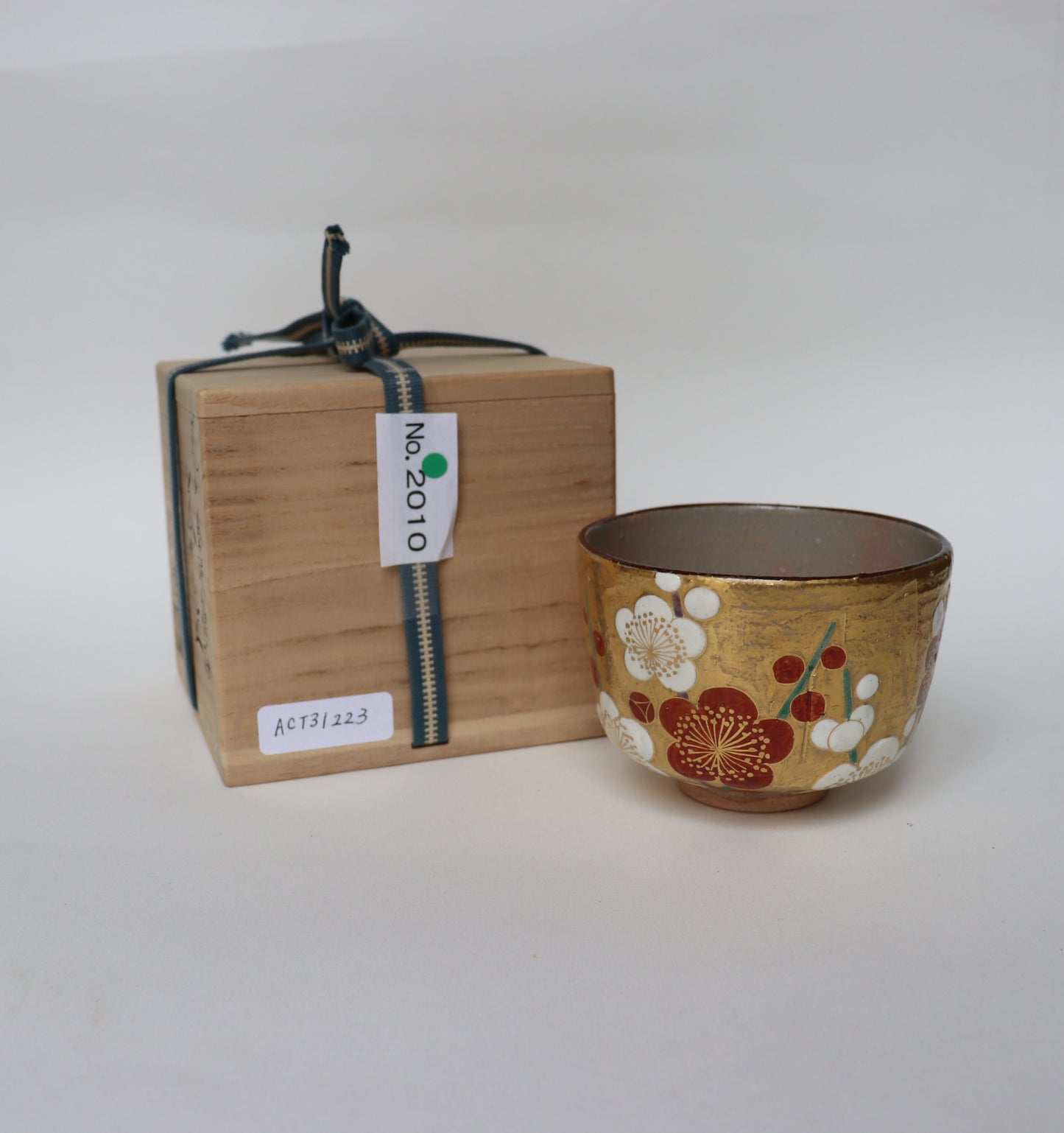
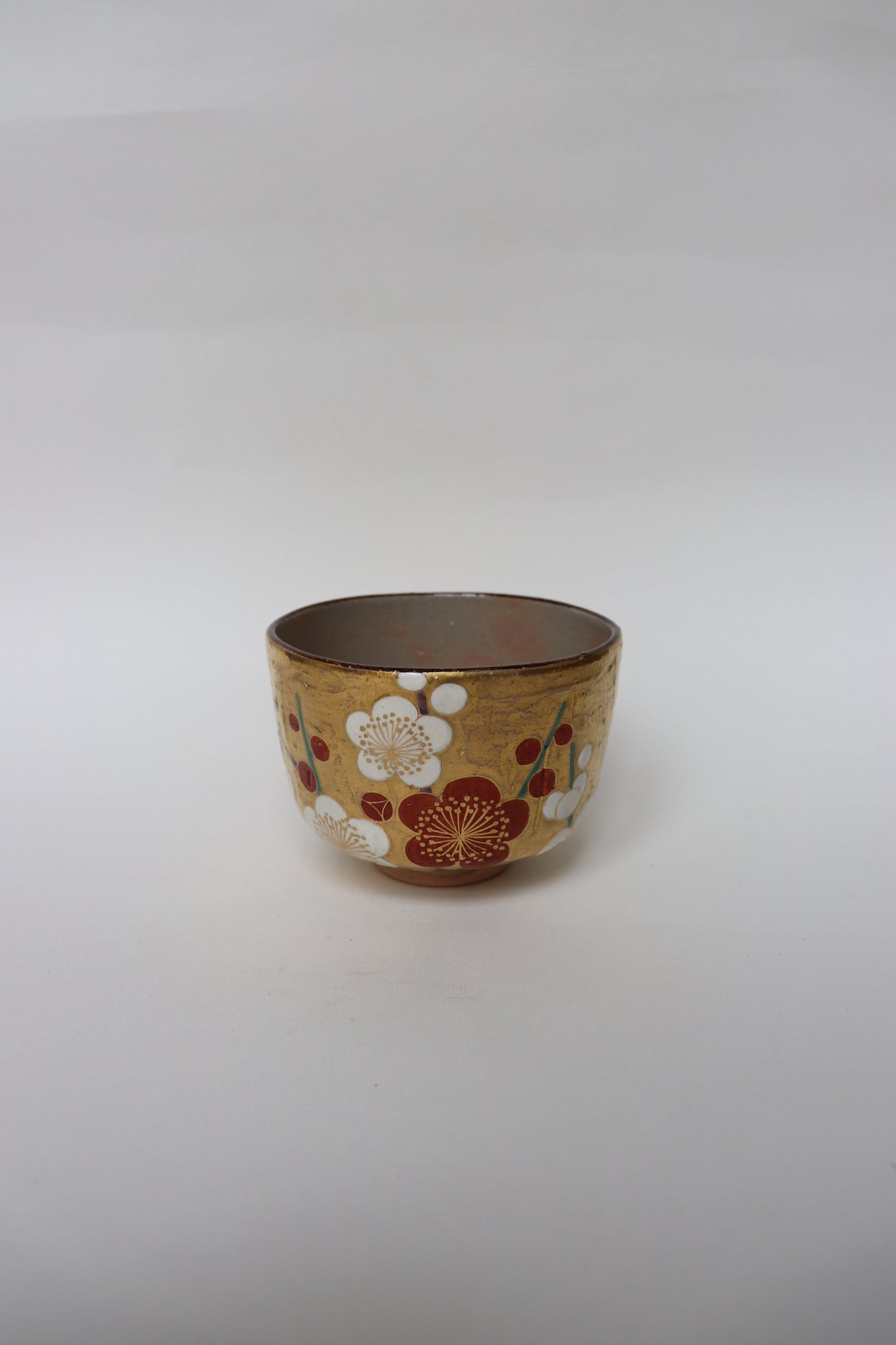
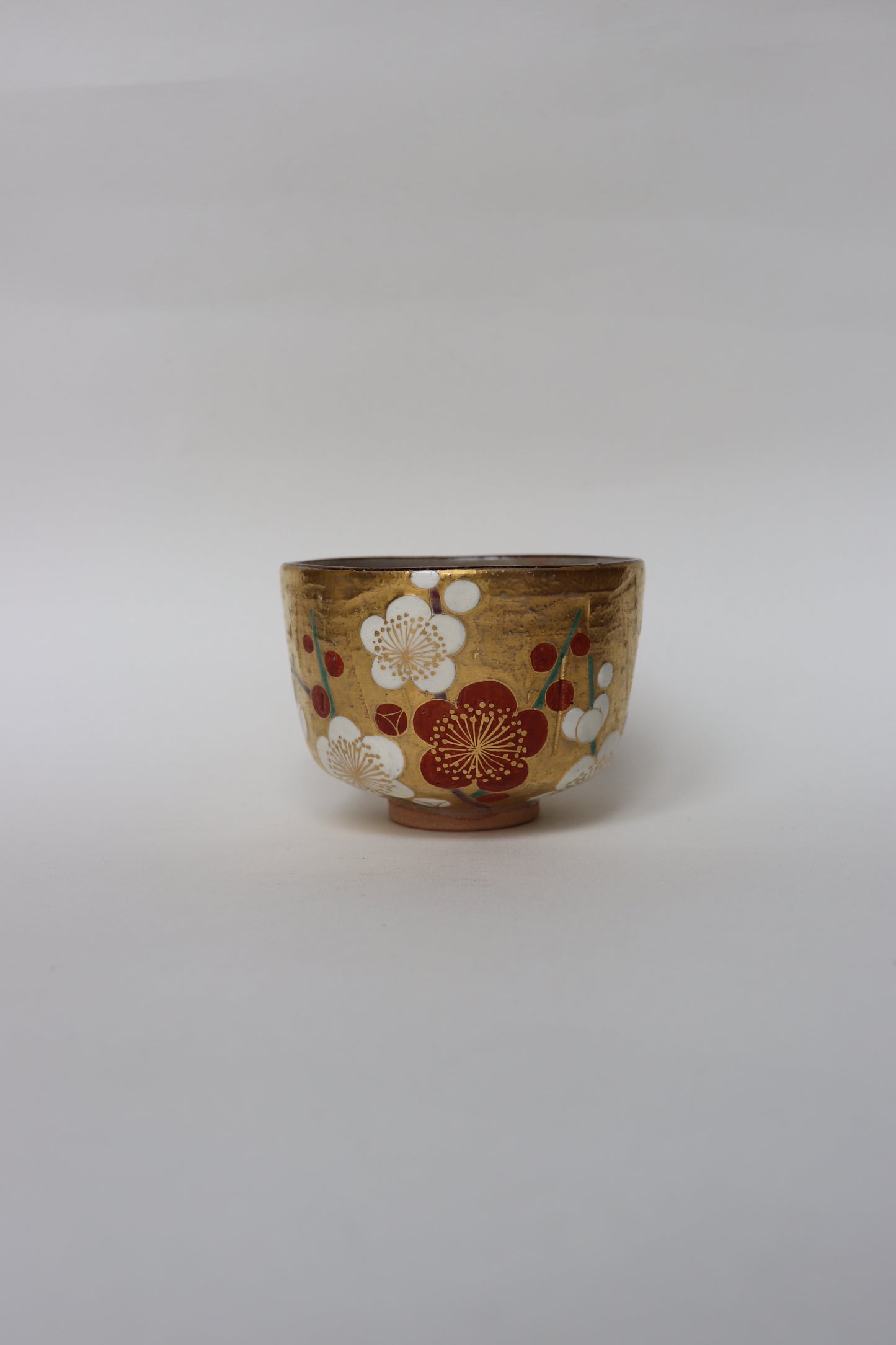
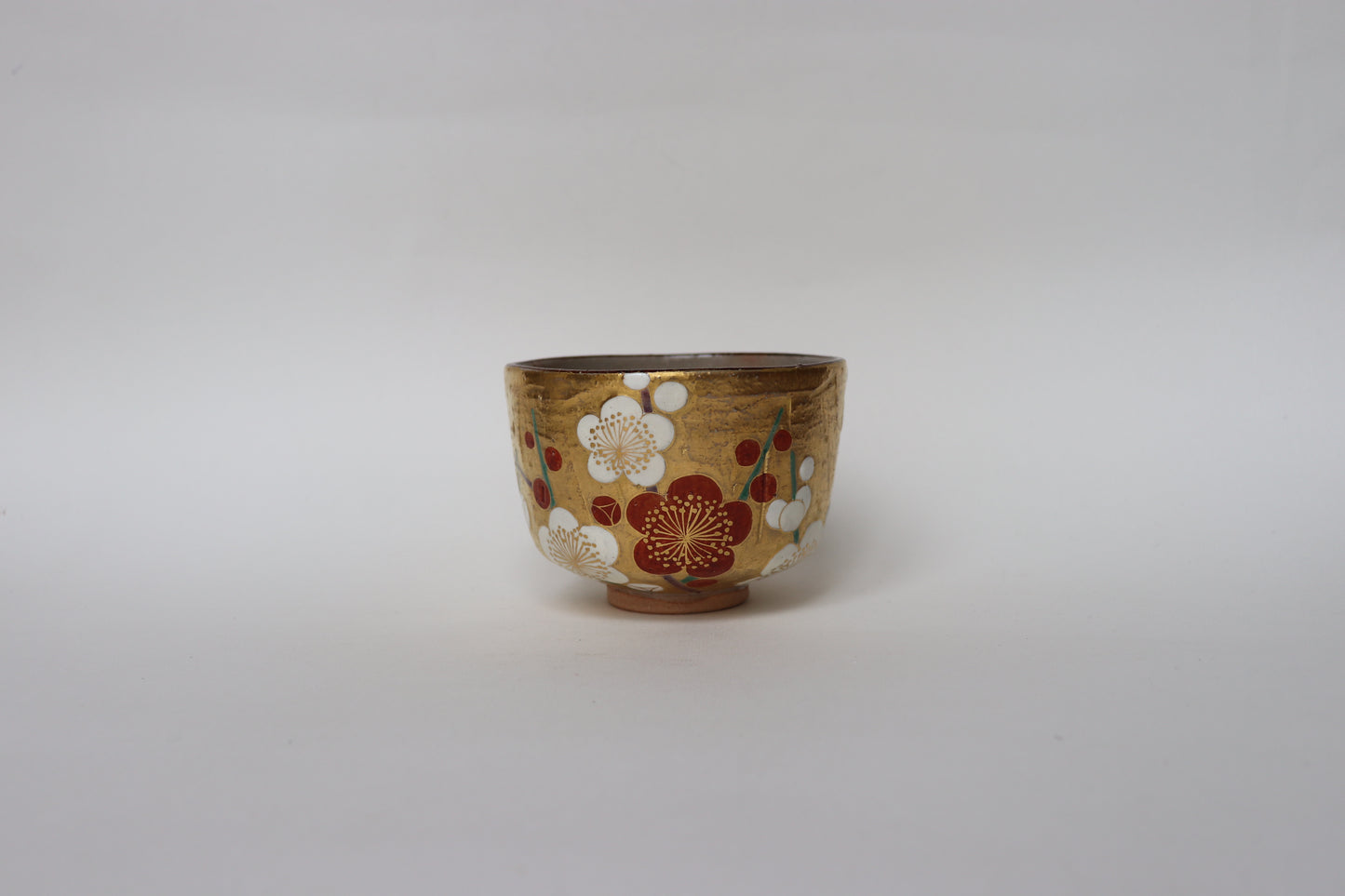
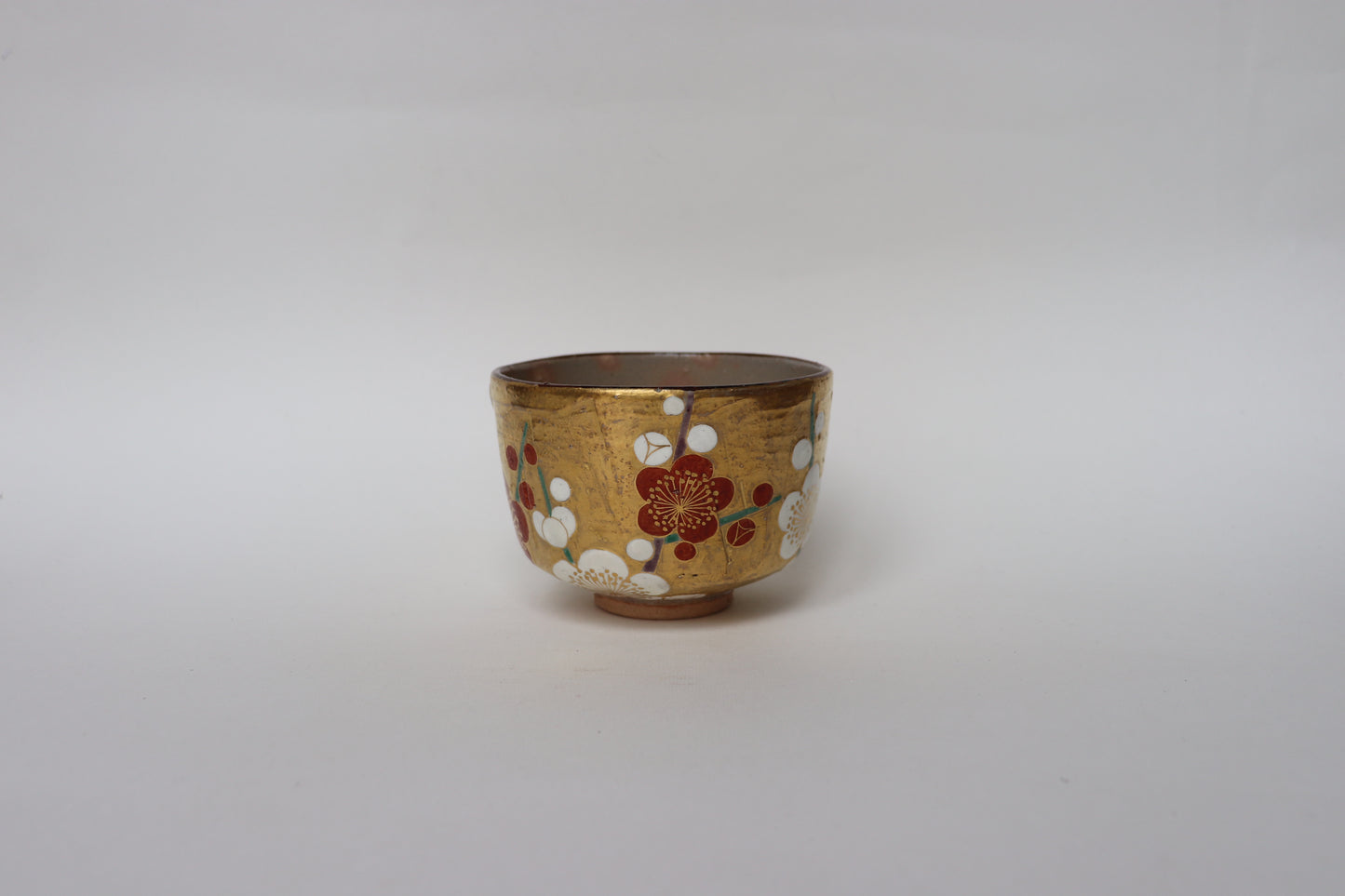
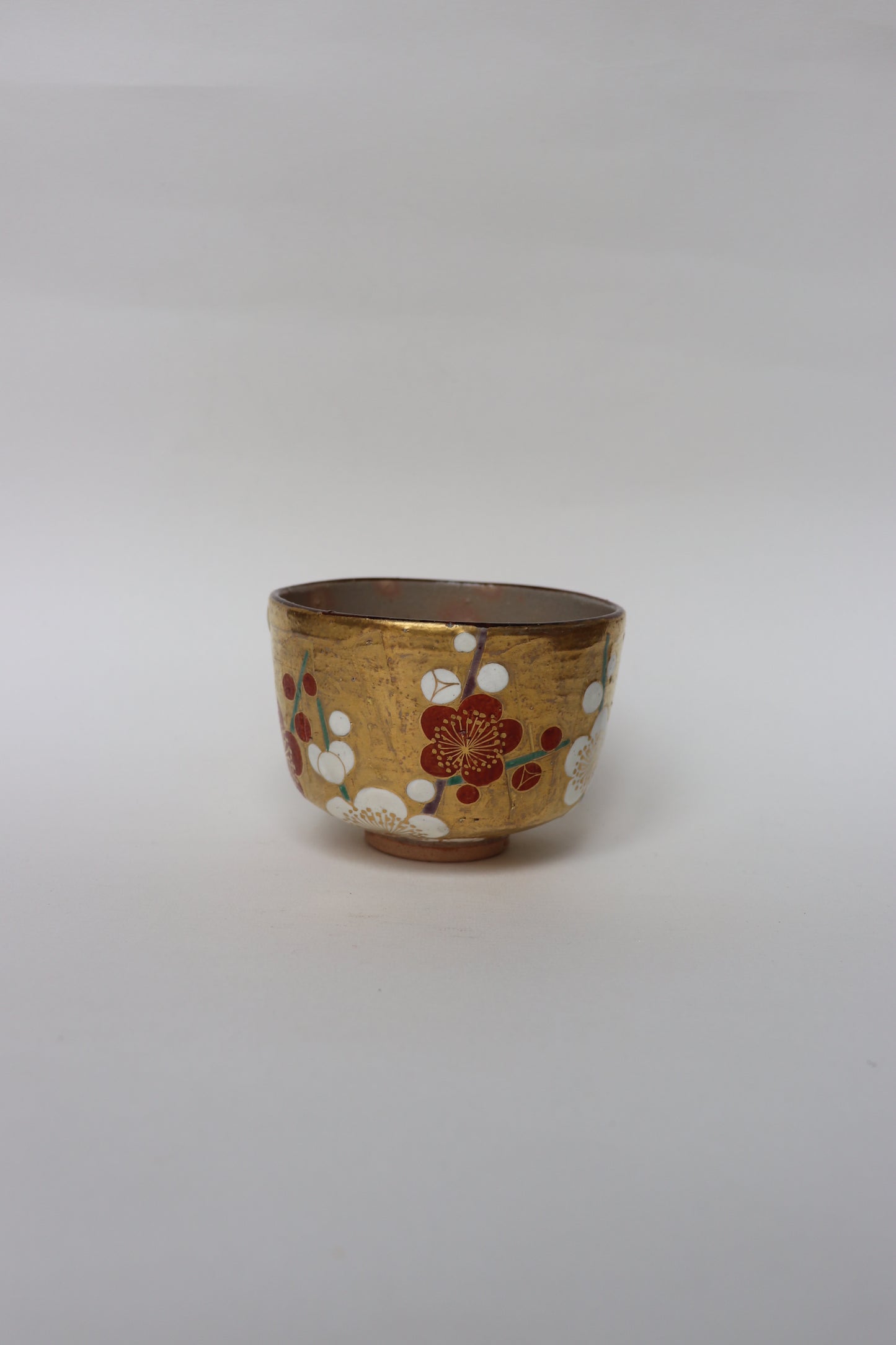
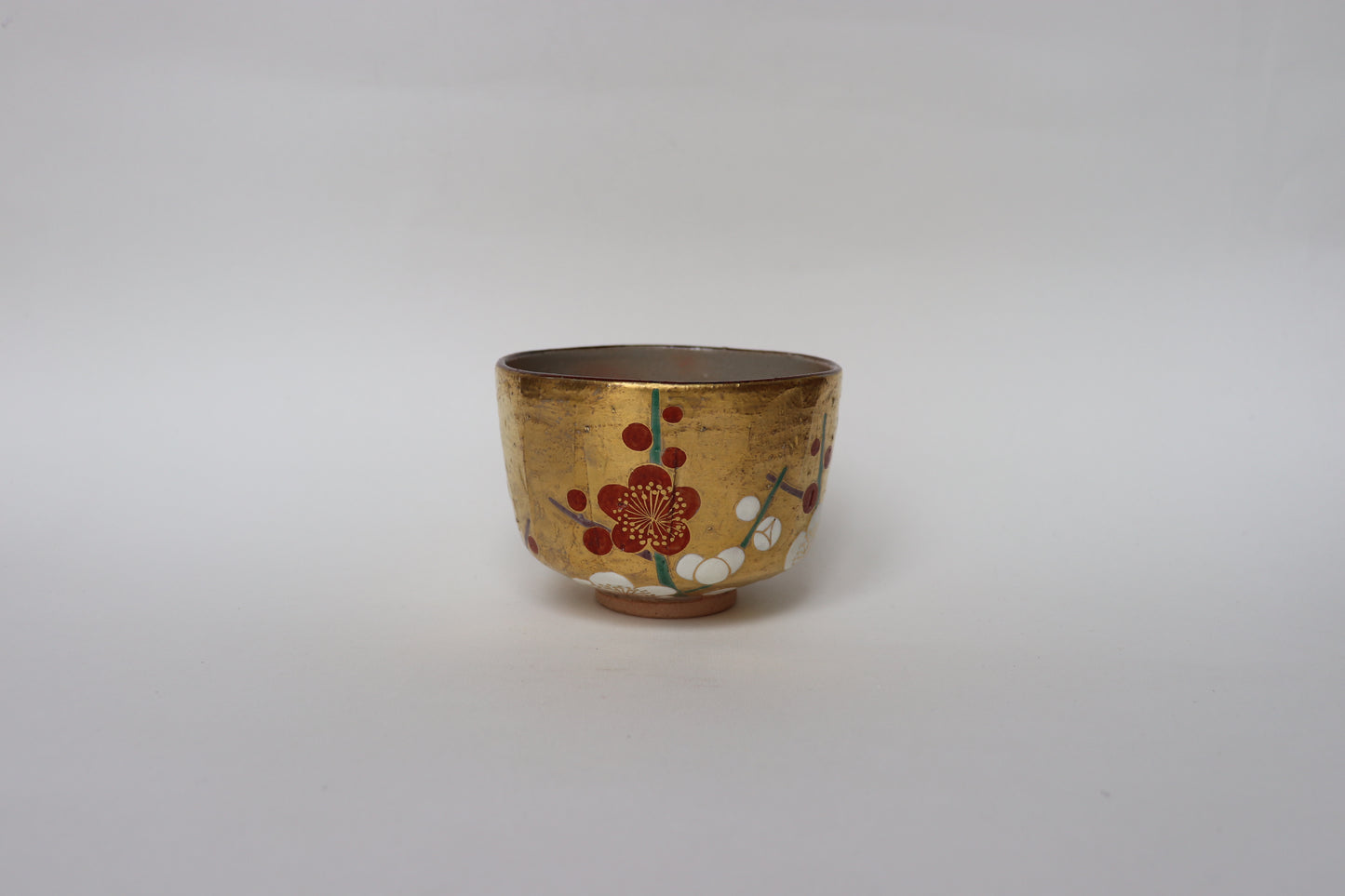
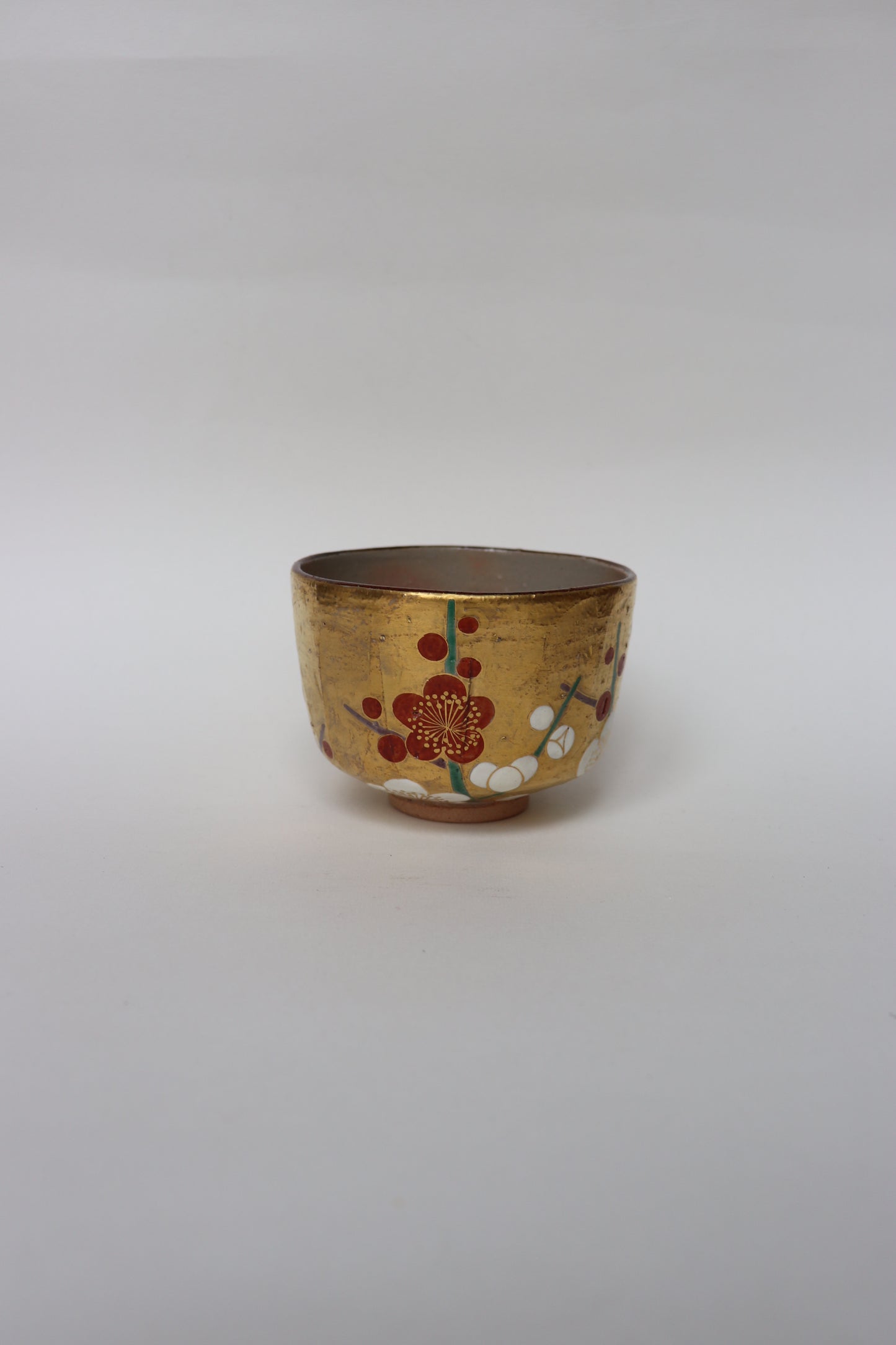
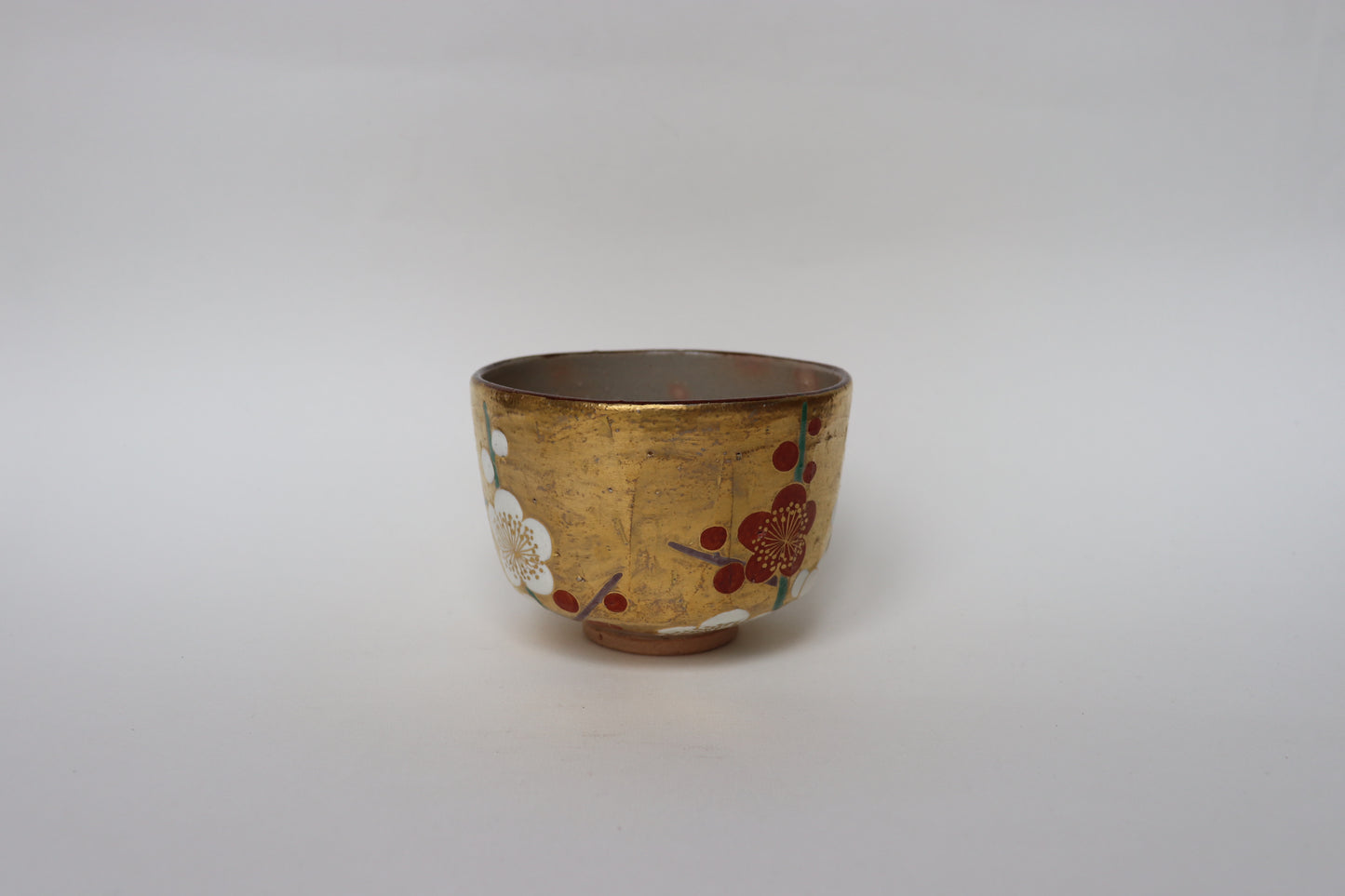
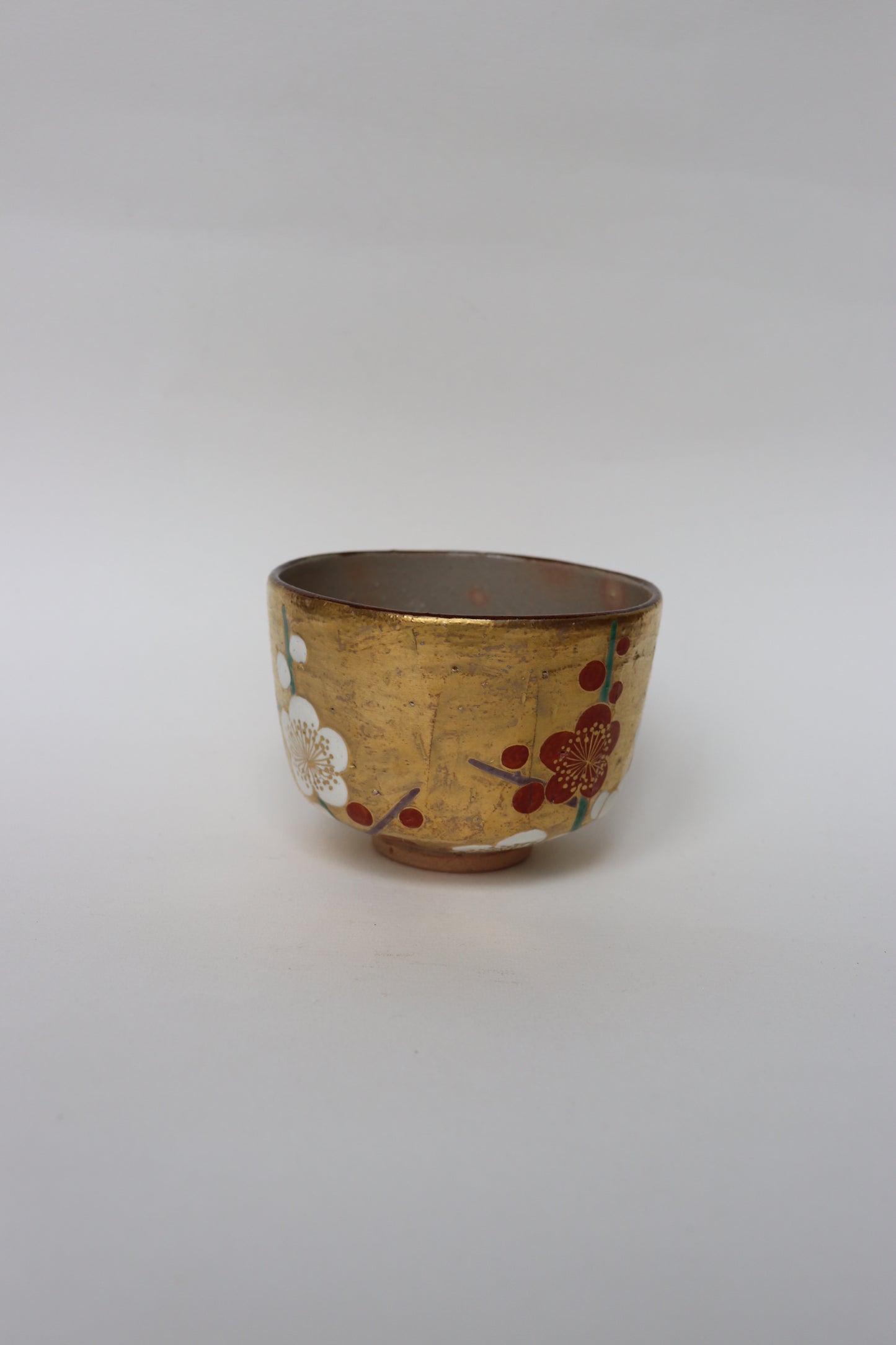
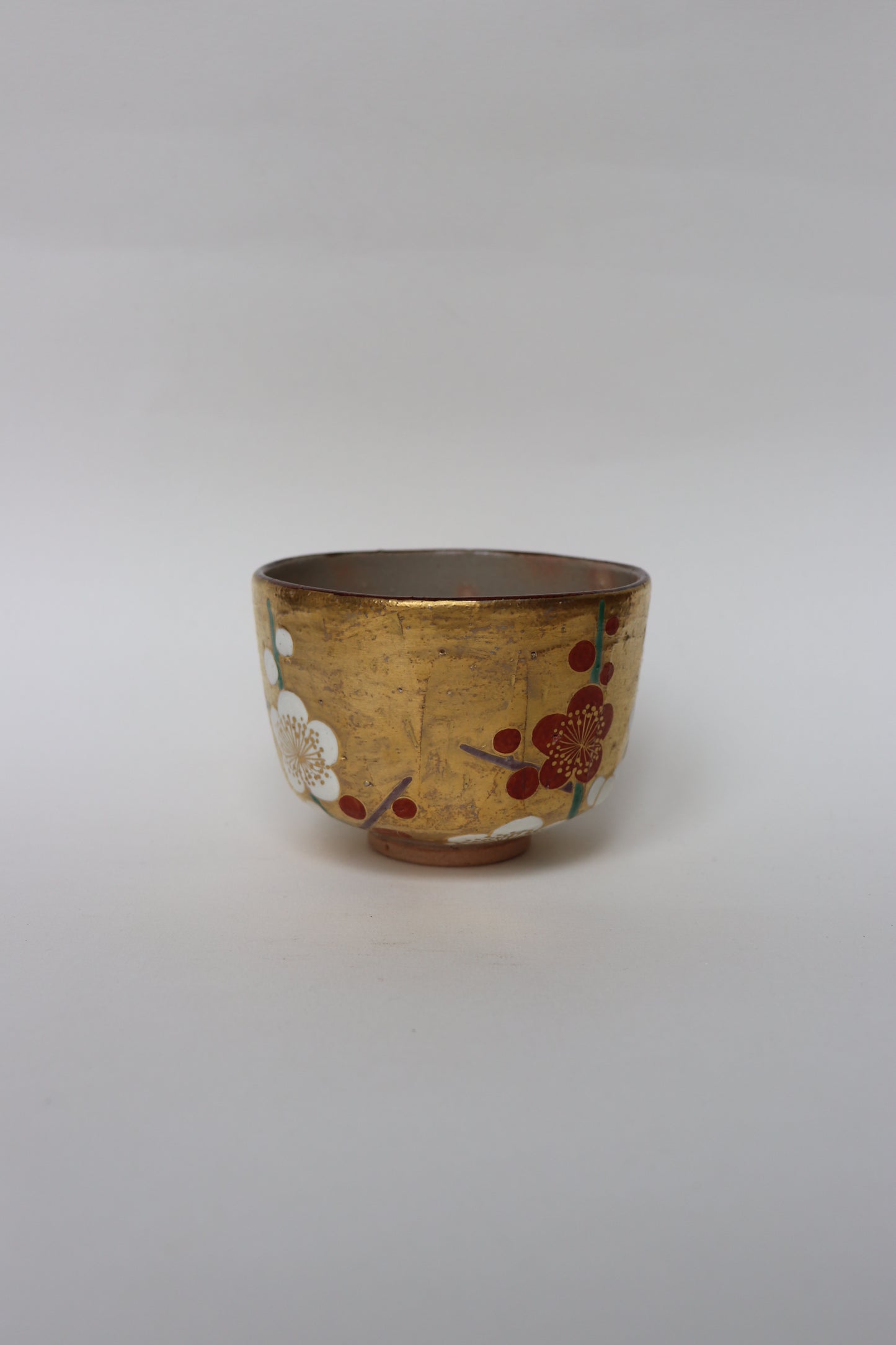
This bowl matchaadorned with a “Yariumé” plum branch pattern and enhanced with gold decoration (Kindei), is a work by the ceramist Minamiguchi Kansui, born in Osaka in 1958. After studying at the Kyoto University of Ceramics, he trained with Miyagawa Koun, founder of the Ryūkoku kiln, then with the 16th Eiraku Zengorō, member of Senke Jisshoku (the ten official artisans of the Sen tea schools). Subsequently, he founded his own workshop and revives the forgotten tradition of Somayama-yakidemonstrating a rare commitment to the preservation of Japanese ceramic heritage.
The term Kindei (金泥) designates a gold powder-based paintMixed with a natural binder and applied like a pigment, this technique, inherited from painting and lacquer, gives the bowl's surface a noble sheen and sumptuous brilliance that contrasts with the softness of the glaze. For Kansui, the use of Kindei is not about showmanship, but about balance: it accentuates the light without ever dominating the composition.
THE Yariumé pattern (槍梅) — literally “spear-shaped plum trees” — represents plum branches standing uprightbearing both flowers and buds. Their arrangement evokes aligned spears, a symbol of uprightness, vitality and renewalThis design, very popular during the Edo period in the kosode and decorative porcelain, was notably taken up by Ogata Kōrin in its iconic compositions. In the context of tea, the plum blossom — the first flower of spring — expresses persistence and the promise of renewal.
In this piece, Minamiguchi Kansui combines the rigor of drawing inspired by the Kenzan style to the brightness of the gold decorcreating a work that combines tradition and contemporary elegance. The soft gold surface, enlivened by the slender silhouettes of the plum trees, captures the light with a peaceful grace, true to the refined spirit of Kyō-yaki.
Matcha Bowl Kindei Yariumé
Minamiguchi Kansui
This matcha bowl, decorated with the “Yariumé” (upright plum branch) motif and enhanced with gold overglaze (Kindei), was crafted by Minamiguchi Kansui, born in Osaka in 1958. After graduating from the Kyoto Prefectural Technical College of Ceramics, Kansui apprenticed under Miyagawa Kōun, founder of the Ryūkoku Kiln, and Eiraku Zengorō XVI, one of the Senke Jisshoku, the ten hereditary craftsmen serving the Sen tea schools. Later, he established his own kiln and revived the long-dormant Somayama-yaki tradition, contributing to the preservation of Japan’s regional ceramic heritage.
Kindei, literally “gold mud,” is a decorative technique in which gold powder is mixed with a natural adhesive and applied like paint. The result is a radiant, refined luster that enhances the surface without overwhelming it — a hallmark of Kansui’s balanced and elegant aesthetic.
The Yariumé design, meaning “spear-like plum branches,” depicts upright branches bearing blossoms and buds, arranged in vertical rhythm reminiscent of lances. This Edo-period motif, frequently seen in kosode textiles and porcelain decoration, symbolizes vitality, uprightness, and renewal. The plum blossom — the first to bloom in spring — conveys resilience and hope, making it a cherished theme in tea ceramics.
In this work, Minamiguchi Kansui blends the refined compositional sense of the Kenzan tradition with the luxurious gleam of gold decoration, creating a bowl that is both classical and luminous. The softly golden surface, animated by slender plum branches, reflects light with quiet dignity — a contemporary expression of Kyoto’s timeless ceramic elegance.
Blog posts
-

New Year in the world of Japanese tea
In Japan, they say that the New Year of Tea takes place in November and not on January 1st. This is explained by the seasonality of the tea leaves and...
New Year in the world of Japanese tea
In Japan, they say that the New Year of Tea takes place in November and not on January 1st. This is explained by the seasonality of the tea leaves and...
-

Maintenance and cleaning of tea utensils and ac...
Our advice for maintaining your kyusu, your chasen and other tea utensils and accessories.
Maintenance and cleaning of tea utensils and ac...
Our advice for maintaining your kyusu, your chasen and other tea utensils and accessories.
-

The birth of the Maruyama Nori house in 1854 in...
The birth of the Maruyama Nori house in 1854 in the world historical context If we can imagine that 1854 was now almost 200 years ago, it can be...
The birth of the Maruyama Nori house in 1854 in...
The birth of the Maruyama Nori house in 1854 in the world historical context If we can imagine that 1854 was now almost 200 years ago, it can be...


