The Preparation Guide
Preparing tea allows it to reveal its full richness. In the spirit of "cha zen ichimi," where tea and Zen are one, every detail matters: the water temperature, the steeping time, the amount of leaves. By taking the time, each cup becomes more harmonious, more peaceful. We have gathered the information you need to prepare tea.
We have gathered here useful information for preparing each tea, hoping that it will hold your interest.
Introduction to Japanese Teas - Video -
Sencha - Classic green tea
The most popular of Japanese green teas. This tea has a light and refreshing flavor, as well as a pleasant aroma reminiscent of young spring leaves. It contains theanine, which gives it a pleasant taste and has relaxing properties. It provides a feeling of freshness and invigoration.
THE sencha Prepare at 70-80°C. Use approximately 2-5g per 100ml to 170ml of water.

-
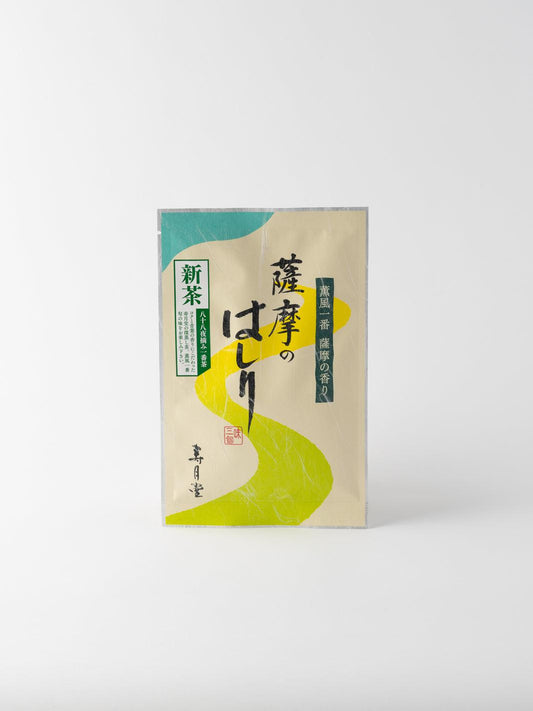
Shincha - Thé Sencha 2026 / Satsuma no Hashiri / Sachet 50g
Regular price 30,00 €Regular priceUnit price per30,00 €Sale price 30,00 € -
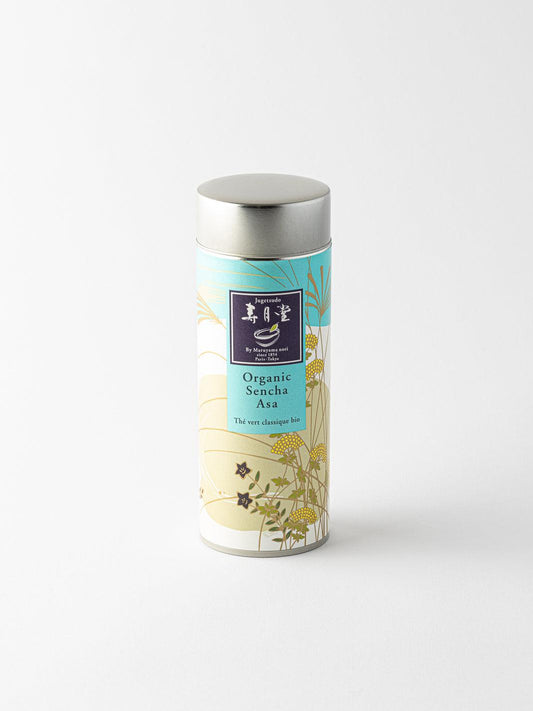
Organic Sencha Asa / Loose Leaf in Tin / 50g
Regular price 22,00 €Regular priceUnit price per -
Sencha Asa Bio / Thé en vrac 50g
Regular price 19,00 €Regular priceUnit price per -

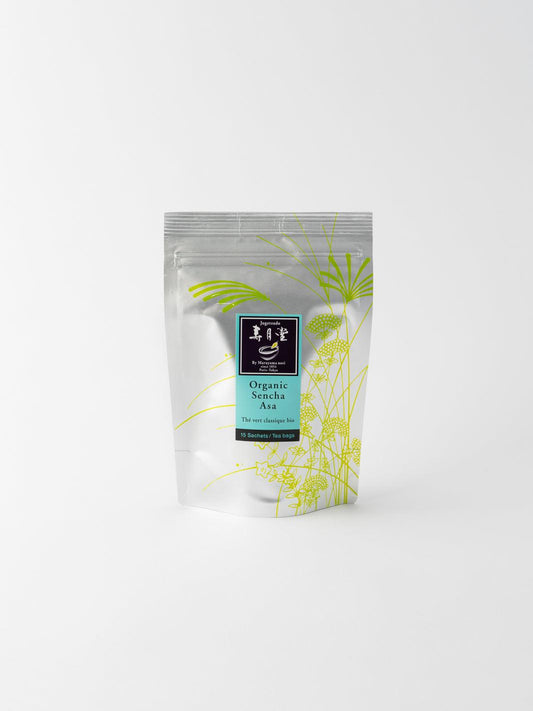
Organic Sencha Asa / 15 Sachets of 2g
Regular price 19,00 €Regular priceUnit price per

Gyokuro - Grand cru du thé vert
The noblest, most refined, and most precious of Japanese teas. This tea is made from young leaves, picked in the famous Okabe gardens in Shizuoka and Uji, Kyoto.
A delightful serenity and a melting sweetness are released in the mouth.

-
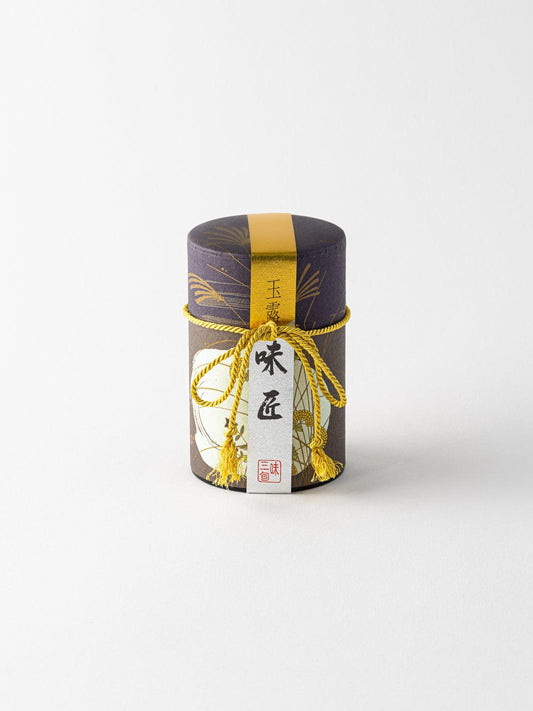
Gyokuro Misho / Loose Leaf in a traditional tea caddy with washi paper / 45g
Regular price 68,00 €Regular priceUnit price per -
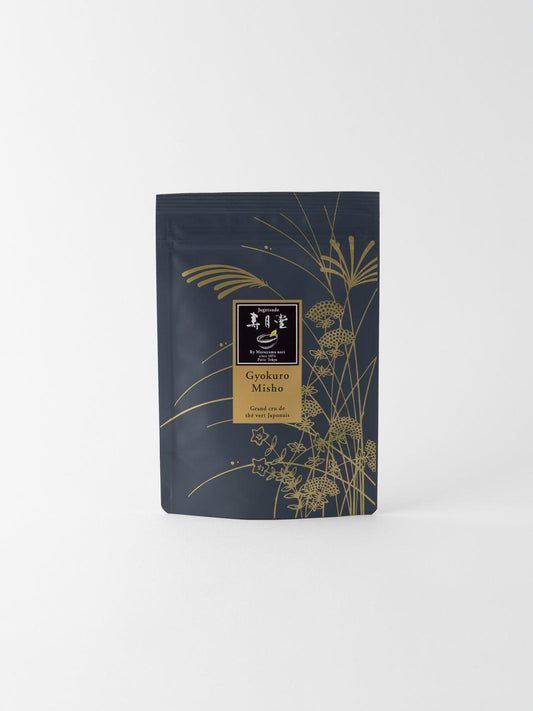
Gyokuro Misho organic / aluminum sachet 20g
Regular price 24,00 €Regular priceUnit price per -
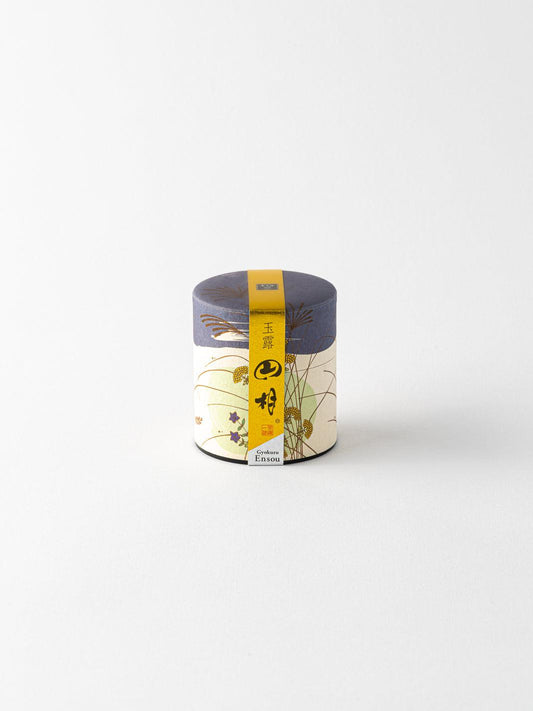
Gyokuro Ensô / Loose Leaf in a traditional tea caddy with washi paper / 20g
Regular price 66,00 €Regular priceUnit price per -
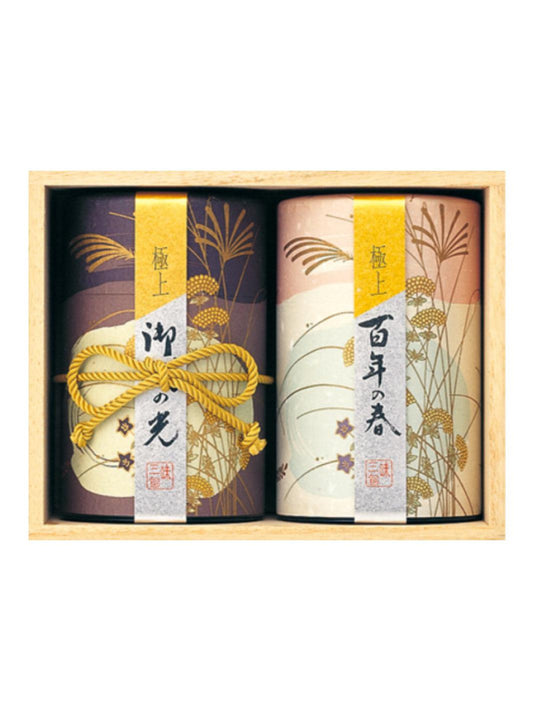
Supreme box A/ Gyokuro Misho and Sencha Haru
Regular price 113,00 €Regular priceUnit price per
Matcha - Green tea powder
Matcha is a powdered green tea ground on traditional stone mills. It's a very special tea because boiling water is poured directly into the bowl, and once whisked with a tea whisk (chasen), the powder becomes a frothy tea. Matcha has a vibrant jade color and a robust, concentrated flavor. Its taste is also smooth and pleasant. This tea, primarily used in the tea ceremony called "cha no you," is also suitable for a variety of culinary uses.

-
Gift Certificate - Matcha Ceremony
Regular price 60,00 €Regular priceUnit price per -
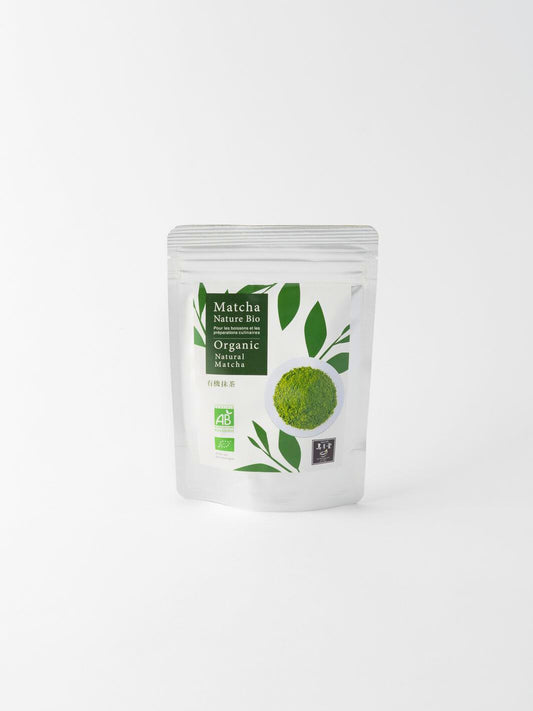
Organic Nature Matcha / aluminum sachet 50g
Regular price 31,00 €Regular priceUnit price per -
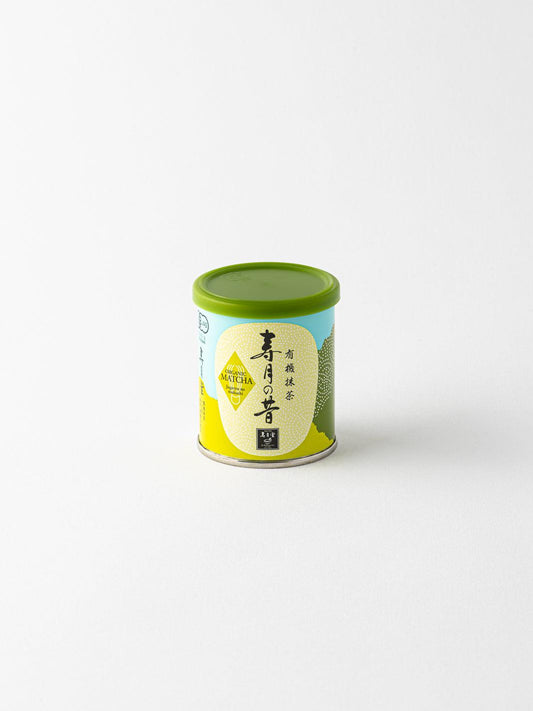
Jugetsu no mukashi organic / matcha ceremony / box 30g
Regular price 52,00 €Regular priceUnit price per -
Matcha Fuji No Haru / box 50g
Regular price 27,00 €Regular priceUnit price per


Genmaicha & Hojicha ou autres
A blend of roasted genmai (hulled rice) and matcha (green tea powder). The pronounced aroma of roasted genmai provides a relaxing and refreshing effect. A very distinctive nutty flavor.

-
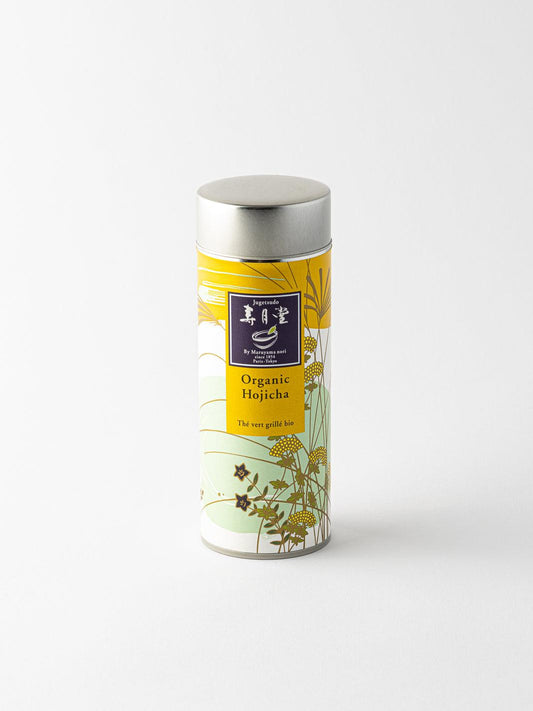
Organic Hojicha / Loose Leaf in Tin / 50g
Regular price 18,00 €Regular priceUnit price per -
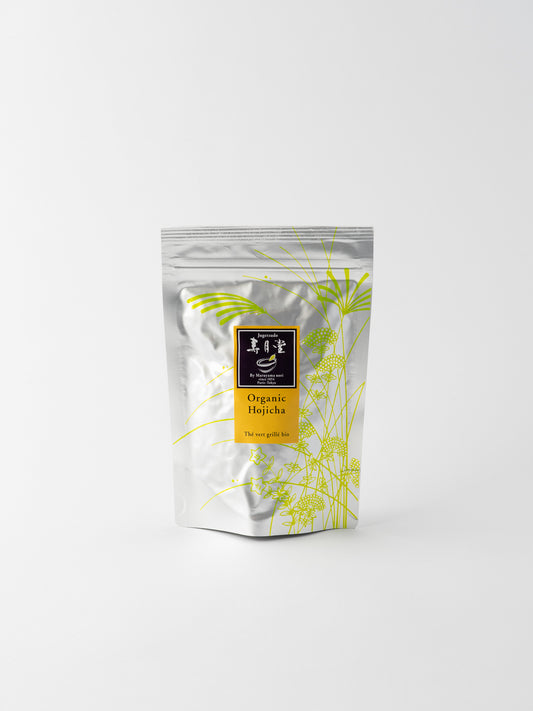
Organic Hojicha / Loose tea 50g
Regular price 15,00 €Regular priceUnit price per -
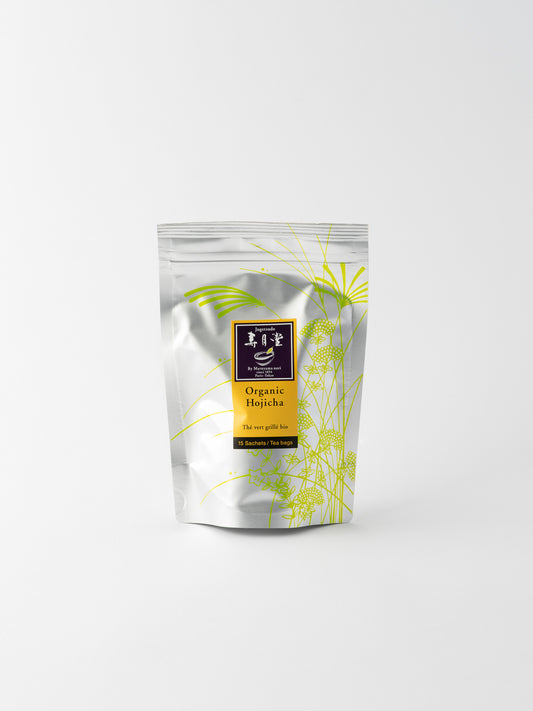
Organic hojicha / Individual sachet 2g x 15
Regular price 15,00 €Regular priceUnit price per -
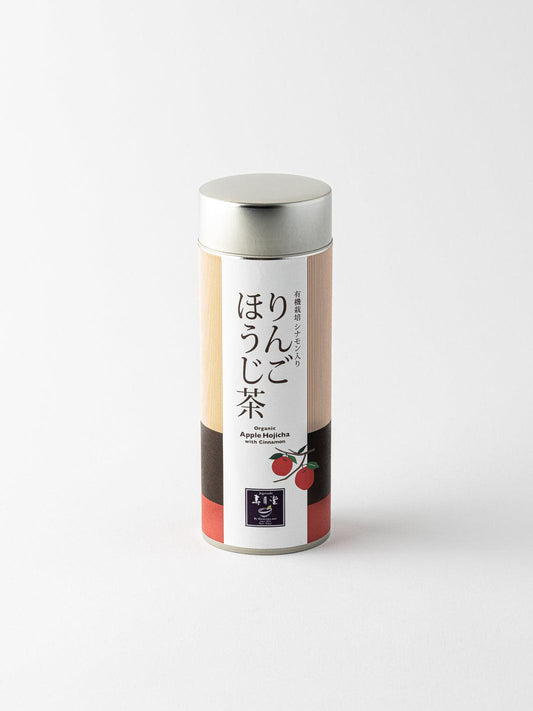
Organic Apple Cinnamon Hojicha / Loose Leaf in Tin / 40g
Regular price 21,00 €Regular priceUnit price per
Frequently Asked Questions
Some further details
What is the difference between preparing tea in a teapot (kyusu) or directly in a cup?
A kyusu teapot allows the leaves to express themselves better and reveals a richer and more balanced infusion.
Do you always need to preheat the teapot and cups?
Indeed, preheating the teapot and cups prevents a drop in temperature during brewing and ensures a more even extraction of aromas. This is especially important with materials like cast iron, which retain heat very well.
Does the material of the teapot influence the taste? (clay, porcelain, glass…)
The material of the teapot slightly influences the taste, particularly by adding roundness with certain clays. The impact remains subtle, but unglazed teapots can absorb aromas, hence the advantage of dedicating them to a specific type of tea.
Is it possible to prepare a good cup of tea without any specific utensils?
It is possible to prepare a good tea without specific utensils if the temperature and infusion time are controlled.
Why shouldn't boiling water be used for all green teas?
Using boiling water for green tea accentuates the bitterness and masks the more delicate aromas. A lower temperature allows for a gentler, more balanced infusion. For roasted teas like hojicha or genmaicha, hotter water is more suitable, with a shorter infusion time to preserve the balance.
What is the difference between an infusion at 60°C and at 80°C?
An infusion at 60°C yields a milder tea, rich in umami, with little bitterness. At 80°C, the extraction is faster, releasing more tannins and resulting in a more vibrant, sometimes more astringent tea. The choice of temperature directly influences the balance and profile of the tea.
Does tap water change the taste of tea?
Water directly influences the taste of tea. Water that is too mineralized or has an unpleasant taste (chlorine) can mask the aromas. Simple filtration often results in more neutral water and a more balanced tea.
What happens if you infuse it for too long?
Infusing the tea for too long releases more tannins, making it more bitter and astringent, at the expense of its subtle aromas. The tea's balance is then lost.
Can the leaves be re-infused? How many times?
Japanese green tea leaves can be re-infused several times: 3 times for a senchaup to 5 times for one gyokuroEach infusion reveals new, often lighter, aromas. It is advisable to slightly increase the temperature with each infusion.
What is the difference between classic infusion and cold infusion (mizudashi)?
Hot brewing quickly extracts a wide variety of aromas, resulting in a fuller-bodied and sometimes slightly astringent tea. Cold brewing, on the other hand, slows down the extraction and makes the tea more selective: it is milder, rounder, with less bitterness and clearer aromas.
Learn more
What damages tea leaves the fastest?
Air, humidity, heat, and light quickly spoil tea leaves. Storing the tea in an airtight container, away from light, is sufficient if it will be consumed soon. A refrigerator can be useful for longer storage, especially for... matcha.
Can tea "expire" or only lose quality?
The "best before" date on tea indicates optimal quality, not a date of danger. Tea doesn't truly "expire": it remains safe to drink, but gradually loses its aroma over time. Proper storage slows this process.